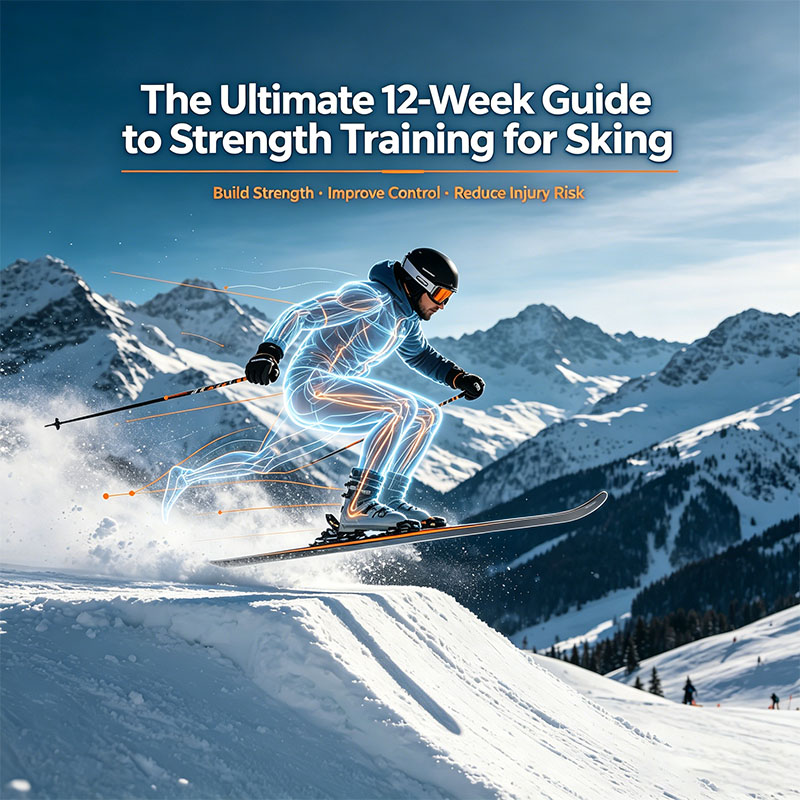
Are you trapped in the exhausting cycle of skiing for one day and feeling completely broken for the next three? When your thighs feel like lead by lunchtime, the key to transforming your mountain experience is dedicated strength training for skiing.
Many skiers blame their technique for this early fatigue, but the real issue is simply a lack of physical preparation for the brutal forces of the mountain. Committing to strength training for skiing before your trip is the secret to unlocking multi-day stamina on the slopes.
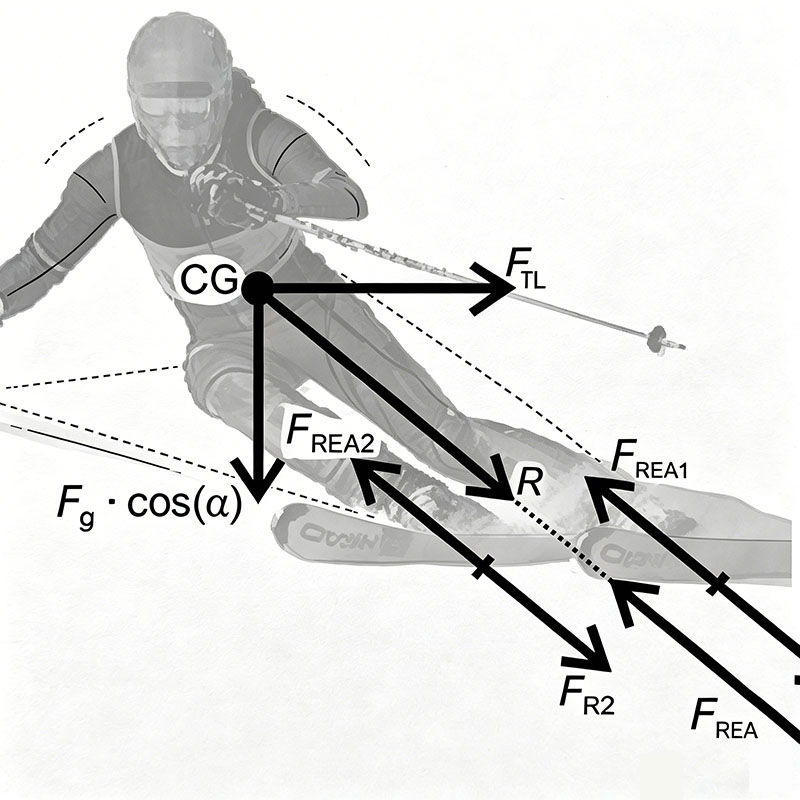
As shown in the biomechanical force profile above, carving a turn subjects your joints to massive ground reaction forces ($F_{REA}$). A targeted training program, primarily focused on strength training for skiing, prepares your body for these high-impact, torsional loads. It significantly enhances your performance while reducing the risk of common injuries like ACL tears.
Why Your Legs Burn: The Science of Ski Fitness Training
Skiing demands a unique blend of lower-body strength, rapid reflexes, and endurance to navigate unpredictable terrain and changing snow conditions. To understand how to train effectively for the slopes and to find the best strength training for skiing, you have to look closely at eccentric contraction.
Unlike running or cycling—where muscles primarily shorten to produce force (concentric contraction)—skiing constantly forces your muscles to lengthen under tension. Your quadriceps and glutes act as dynamic shock absorbers, resisting gravity and centrifugal force as you fight to control your skis through a turn.
This intense, sustained eccentric stress is exactly why standard gym workouts don’t cut it, making targeted pre-season ski training essential.
Furthermore, your core serves as the critical bridge between your upper and lower body. If your core is weak, it cannot maintain proper, upright posture under rapid motion. Without deep trunk stability, the immense forces generated by bumpy terrain and compression transfer directly down into your knee joints and quadriceps. This rapidly exhausts your thighs, leaving you vulnerable to sloppy technique, early fatigue, and serious injuries like ACL tears or ligament sprains.
The Four Pillars of Ski Conditioning
A well-rounded strength and conditioning plan for skiing must target four core pillars of fitness to maximize your performance, improve your edge control, and prevent injuries. Ideally starting 12 weeks before your first chairlift ride, your routine should incorporate targeted movements to ensure you survive—and crush—long days on the slopes.
1. Leg Strength & Power
Skiing relies heavily on your quadriceps, glutes, hamstrings, and calves. You need isometric and eccentric endurance to sustain a deep skier’s stance, combined with explosive power to maneuver through uneven snow and tight mogul fields. When selecting leg strength exercises for skiing, focus on the following:
- Squats & Jump Squats: The foundational movement for skiing. Aim for 3–4 sets of 10–15 reps. Incorporate explosive jumps to train your fast-twitch muscle fibers for sudden terrain adjustments.
- Wall Sits: These build the isometric quad strength required to cruise down long, sustained pistes without your legs turning to jelly. Aim to hold for 45 to 60 seconds, maintaining a strict 90-degree angle.
- Walking Lunges: Excellent for improving dynamic range of motion while targeting the glutes and hamstrings independently. This mimics the unilateral weight transfer used when carving.
2. Core Stability & Balance
Your core is the anchor of your skiing technique. It governs rotational control, balance, and upper-lower body separation when executing clean turns down the mountain.
- Planks & Side Planks: Strengthen the deep abdominals and obliques to keep your torso stable against heavy lateral forces.
- Russian Twists: Enhance the rotational strength needed to execute sharp, fluid turns while keeping your upper body facing down the fall line.
- Single-Leg Romanian Deadlifts: Improve hamstring strength, ankle stability, and balance. This directly stabilizes the knee joint, offering crucial protection against common ski injuries.
3. Cardiovascular Endurance
Skiing at altitude and linking run after run challenges even the fittest individuals. Solid conditioning improves your stamina, keeps your focus sharp at the end of the day, and shortens your recovery time between runs. Incorporating elements of strength training for cross-country skiing is a great way to boost this endurance.
- HIIT (High-Intensity Interval Training): Perfectly mimics the stop-and-go, highly explosive nature of a demanding ski run followed by a rest on the chairlift.
- Cross-Training: Activities like road cycling, rowing, and stair-climbing are excellent low-impact ways to elevate your heart rate and build a massive aerobic base without adding extra pounding to your joints. If you want to mix up your aerobic base, adding dedicated cross-country ski training or uphill backcountry ski split training into your routine will bulletproof your lungs for high altitudes.
4. Mobility & Flexibility
Keeping your hips, hamstrings, and spine mobile allows for smoother, more fluid movements on the mountain and helps prevent muscle strains when you push your limits.
- Dynamic Warm-ups: Pre-exercise movements (like leg swings, hip openers, and arm circles) prime your nervous system. They lubricate your joints and prevent those restrictive, early-morning aches.
- Yoga & Stretching: Focuses on lengthening tight hip flexors, hamstrings, and lower back muscles after a day on the hill. This relieves tension, promotes faster muscular recovery, and ensures you maintain the agility needed to react to variable snow conditions tomorrow.
Key Movements & gym training for skiing
Structuring your dedicated gym training for skiing around multi-planar movements forces your body to adapt to real-world mountain variables. Integrating proper skiing strength exercises into your routine is the ultimate answer to how to strengthen knees for skiing and protect your joints from impact.
1. Goblet Squats & Deadlifts
These foundational lifts target the quadriceps, hamstrings, and glutes. Stronger primary movers provide a protective cushion for the knees, absorbing the initial shock of uneven terrain.
Watch Noregretspt’s video on Goblet Squats & Deadlifts to learn their differences and improve your strength.
2. Pallof Presses (Anti-Rotational Core)
A strong core acts as the bridge between your upper and lower body. Instead of twisting the torso, skiing requires you to keep your chest stable down the fall line while your legs turn underneath you. Anti-rotational exercises train this exact separation.
In this video, StKatesAthletics demonstrates how to perform a Pallof press by using a cable machine to extend the handle while keeping the abs tight to resist the twisting force of the weight.
3. Bulgarian Split Squats
This movement targets single-leg stability and eccentric control by focusing on one leg at a time. This directly mimics the unilateral weight transfer used when driving pressure onto your outside ski during a turn.
Denvyr demonstrates the simplest way to set up a Bulgarian split squat stance and explains how to perform the movement with proper form.
4. Lateral Bounds (Ice Skaters)
Lateral bounds develop multi-planar agility and edge-handling power. These side-to-side movements mirror the rapid lateral edge changes required for short, sharp turns in steep terrain.
The Active Life demonstrates the technique for lateral skater jumps, which involves shifting weight side-to-side while staying low to effectively absorb force and rebound quickly.
5. Box Jumps
Jumping up and stepping down improves explosive power and coordination. These plyometric drills train your nervous system to react quickly to rapid, unpredictable changes in the snow pack. Integrating specialized snow ski training aids like balance boards or instability pads into these drills will rapidly accelerate your joint stabilization.
Made Possible Personal Training demonstrates the proper high box jump technique, focusing on synchronized arm movements, achieving triple extension, and ensuring a soft landing before stepping off the box to repeat the exercise.
The 12-week ski training program
To hit opening day at absolute peak physical capacity, your conditioning should follow a phased periodization model. This comprehensive 12-week ski training program systematically transitions your body from building a structural base to generating explosive, ski-specific power.
| Phase | Timeline | Primary Focus | Training Strategy |
| Phase 1: Hypertrophy & Structural Base | Weeks 1–4 | Building muscular resilience and joint stability. | Perform heavy compound movements like weighted squats, deadlifts, and planks 2 to 3 times per week. Combine this with low-intensity, long-duration cardio (such as road cycling or trail hiking) to condition your aerobic base. |
| Phase 2: Maximum Strength & Power Conversion | Weeks 5–8 | Transition your foundation into functional strength. | Increase your lifting weights while reducing repetitions on foundational movements. Introduce high-intensity interval training (HIIT) on a stationary bike or rowing machine. This replicates the intense anaerobic bursts and brief recovery windows experienced during a downhill ski run. |
| Phase 3: Reactive Agility & Shock Absorption | Weeks 9–12 | Sharpen your nervous system for the snow. | Shift your focus toward explosive plyometric drills like box jumps, lateral skaters, and sustained isometric wall sits. Increase your recovery time to a full 48 to 72 hours between intense leg sessions so your muscles are completely repaired, fresh, and primed for opening day. |
The Eccentric Focus: Skiing relies heavily on eccentric muscle actions, where muscles lengthen under high tension. Focus on slowing down the lowering phase (taking 3 to 4 seconds) of your squats and lunges to prepare your legs for the persistent burn of long groomers.
Investing the time in dedicated physical preparation transforms your experience on the mountain. Developing your muscular endurance, core stability, and reactive agility safely safeguards your knees, delays early-season fatigue, and ensures you get the most value from every lift ticket. Start training today!
FAQ
1. Do skiing and snowboarding use different muscles?
Yes. Despite both being full-body winter sports, they require distinct muscle activation patterns:
- Skiing relies heavily on symmetrical quadriceps engagement, forward-plane core stability, and upper-body effort from pole planting.
- Snowboarding, due to its sideways stance, prioritizes rotational core strength, asymmetrical leg loading, and lateral hip and ankle stabilizers.
2. How to get better at skiing steep terrain?
Mastering steep terrain requires technique, control, and progressive practice. Focus on these key elements:
- Maintain an aggressive stance: Keep your weight forward and low, pressing against the front of your boot tongues to ensure your edges remain firmly engaged.
- Link short-radius turns: Cross the fall line frequently to steadily bleed speed, rather than making long, fast arcs.
- Look ahead: Keep your gaze fixed on the terrain down the slope—not at your feet—to anticipate obstacles and maintain your balance.
- Progress gradually: Master short, controlled turns on moderate slopes before tackling steeper ground.
3. What role does skiing gear, like goggles, play in performance?
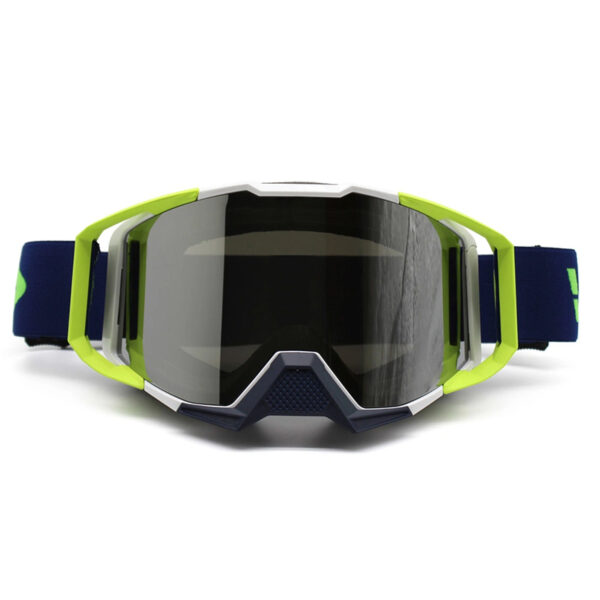
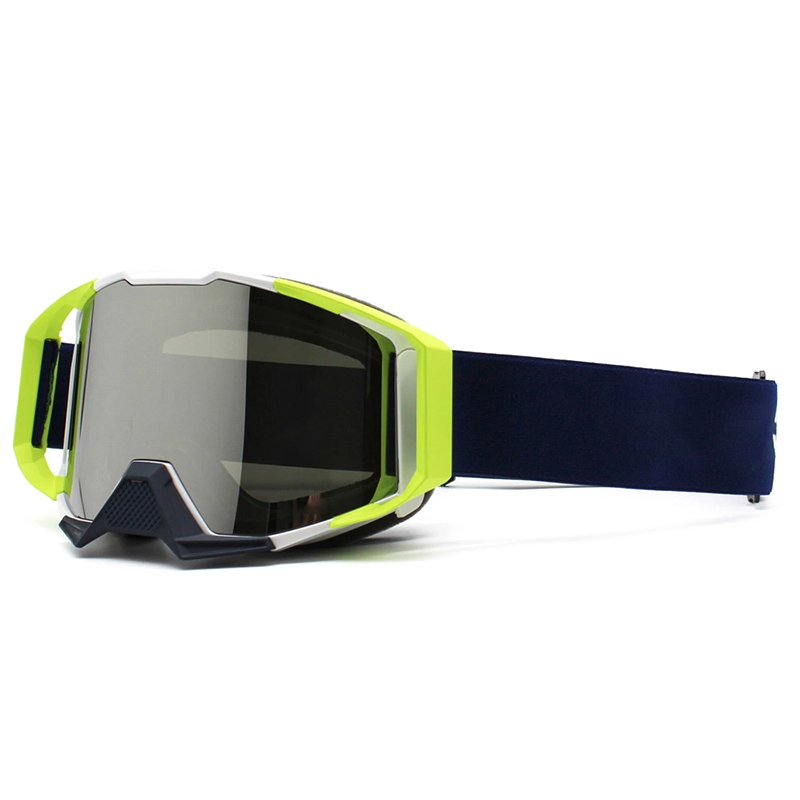
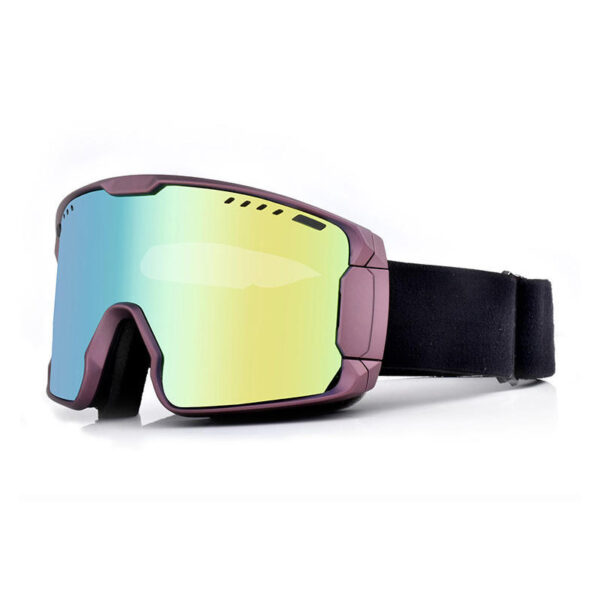
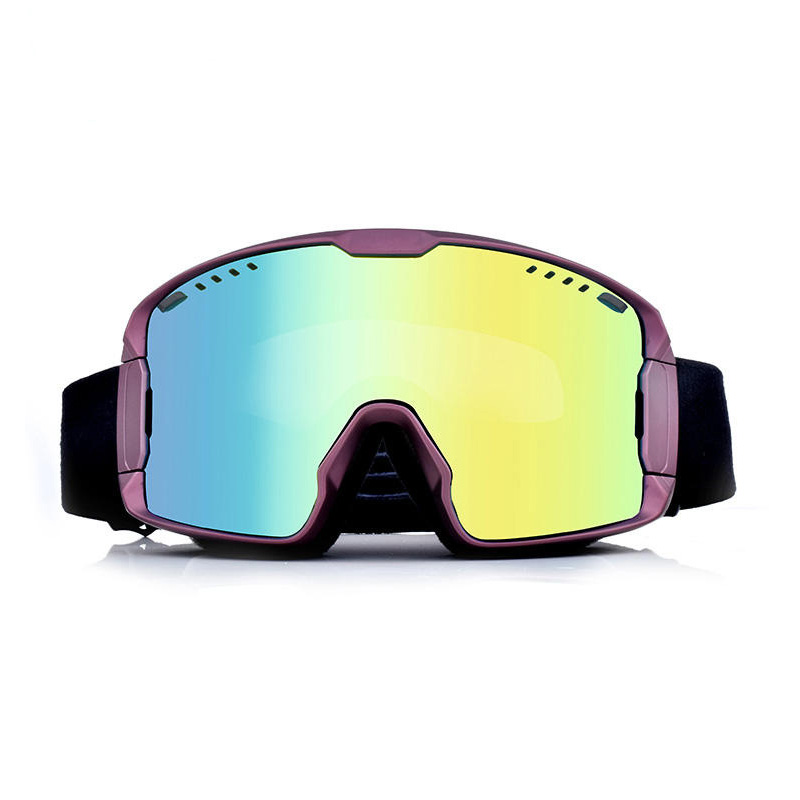
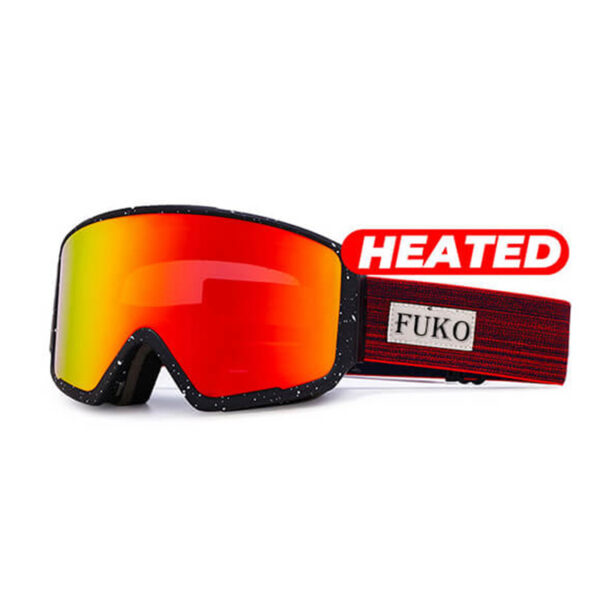
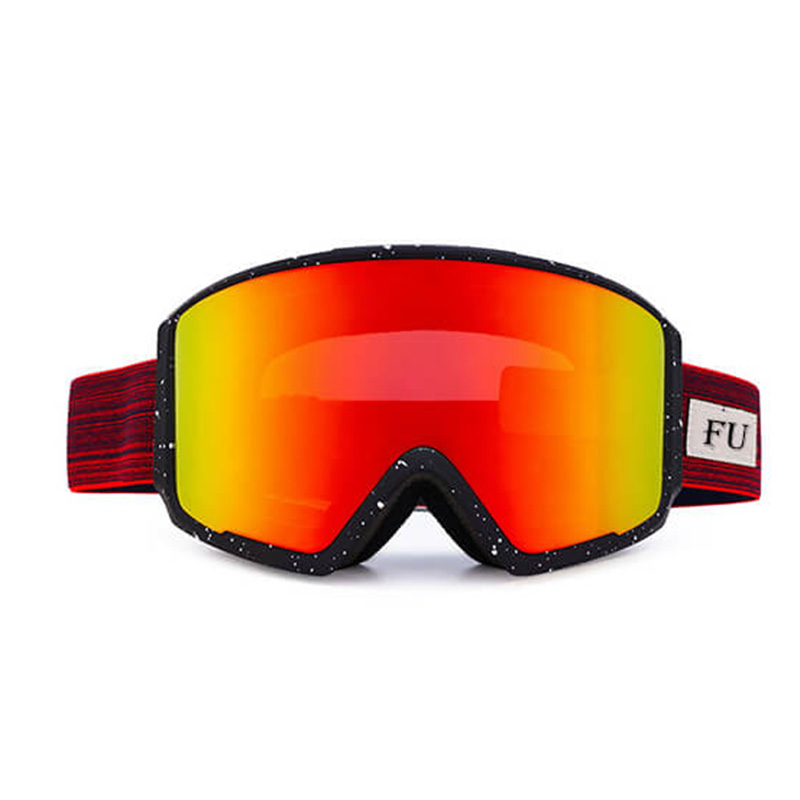
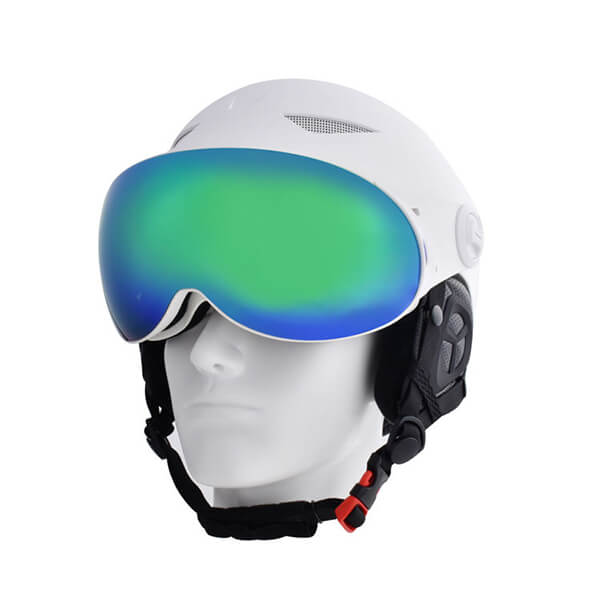
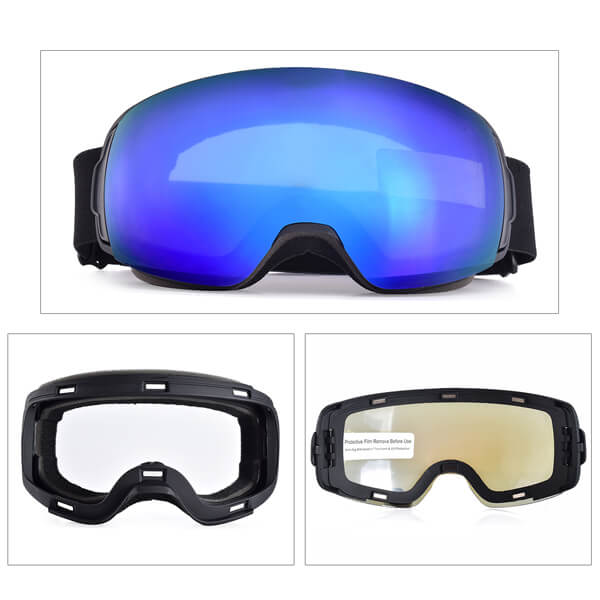
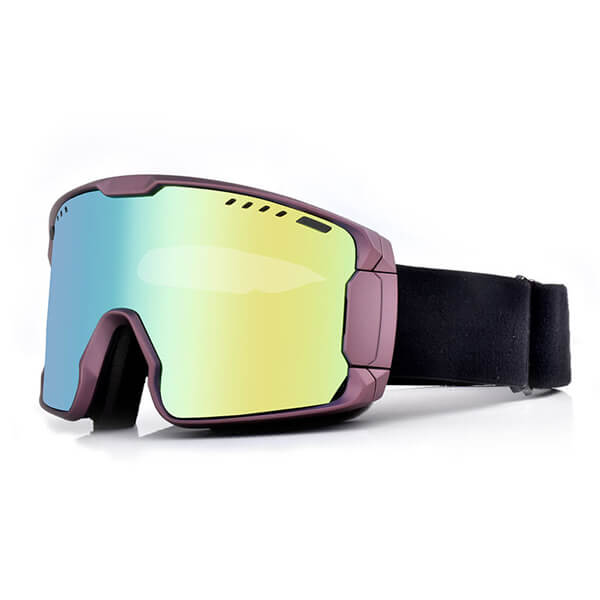
High-quality gear is essential for safety and performance. Prescription ski goggles with fog-free inserts, for instance, provide crystal-clear vision and lasting comfort, allowing you to focus entirely on your technique rather than adjusting your equipment.
If you are looking for a reliable, well-fitting option, Fukosports’ prescription ski goggles feature dependable anti-fog technology, making them an excellent choice for a distraction-free ride.
4. Where can I learn more about strength training for skiing?
Building ski-specific strength is crucial for improving your endurance and handling variable mountain conditions. For practical, everyday tips, we highly recommend reading about these 7 proven ways to improve your skiing.
If you want to dive deeper into the science and methodology, check out this comprehensive breakdown on how skiers benefit from sports-specific training programs.
Conclusion
In summary, preparing for the mountain requires more than just mastering your technique; it demands a dedicated, sports-specific fitness regimen. By understanding the unique biomechanical forces and heavy eccentric loads your body endures, you can tailor your workouts to prevent early fatigue and serious joint injuries.
A comprehensive 12-week program focusing on four main pillars—leg power, core stability, cardiovascular endurance, and mobility—will entirely transform your on-mountain performance. Incorporating multi-planar movements like squats, lunges, and plyometrics ensures that your joints, especially your knees, are fortified against unpredictable terrain. Ultimately, investing time in this targeted physical preparation will safeguard your body, maximize your stamina over multiple days, and allow you to fully enjoy every moment of your ski trip, from the first chairlift ride to the final run of the day.
Will You Be Ski-Ready?
Time to prep for ski season! Fukosports carries everything you need: running sunglasses, new ski goggles, and all types of snow gear.