Ski Helmets
Full Catalog of Ski Helmets
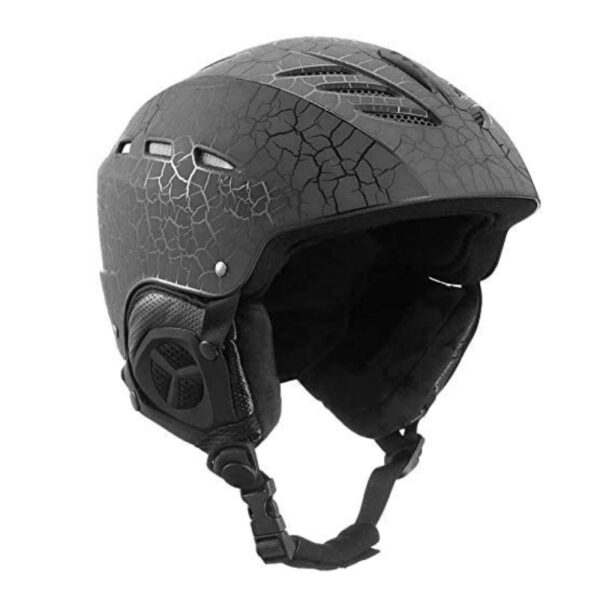
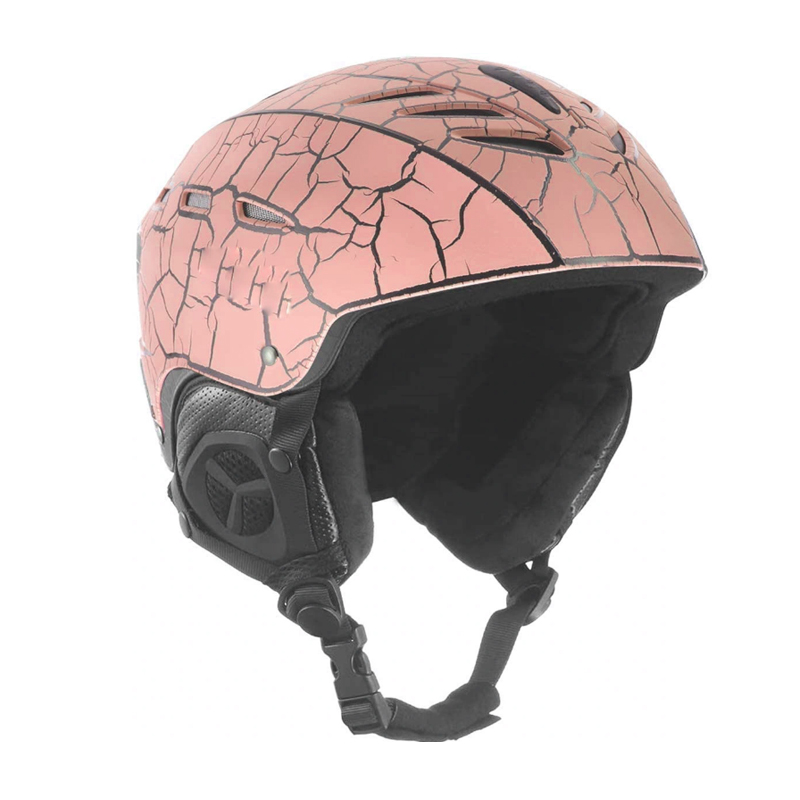
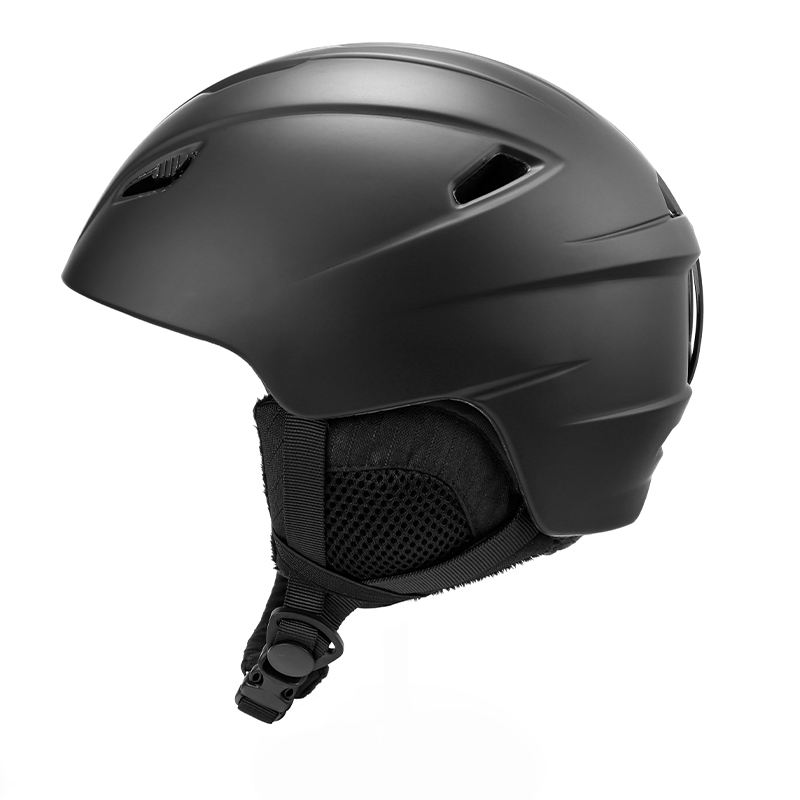
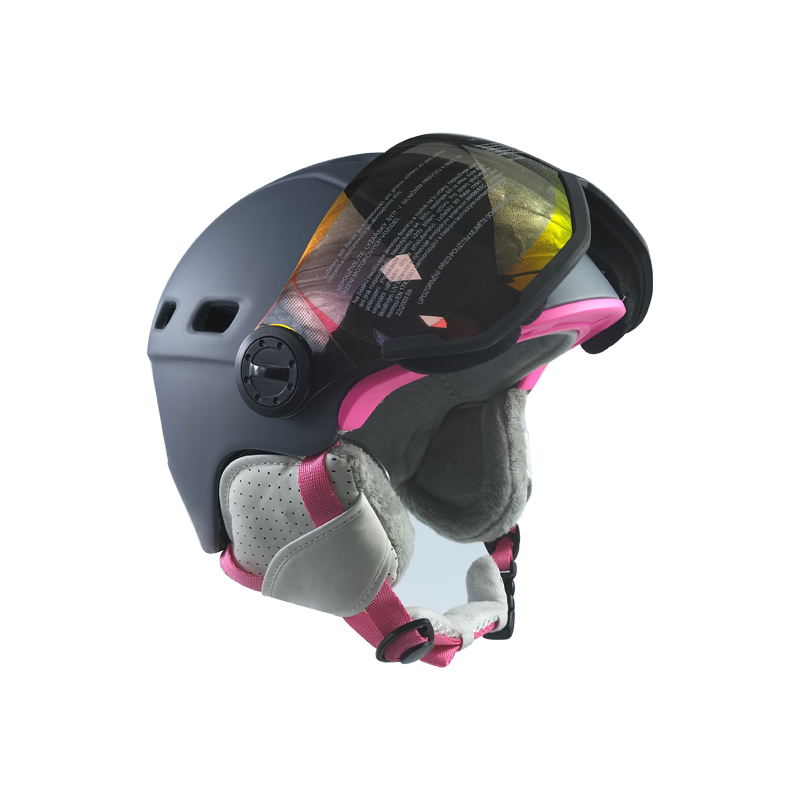
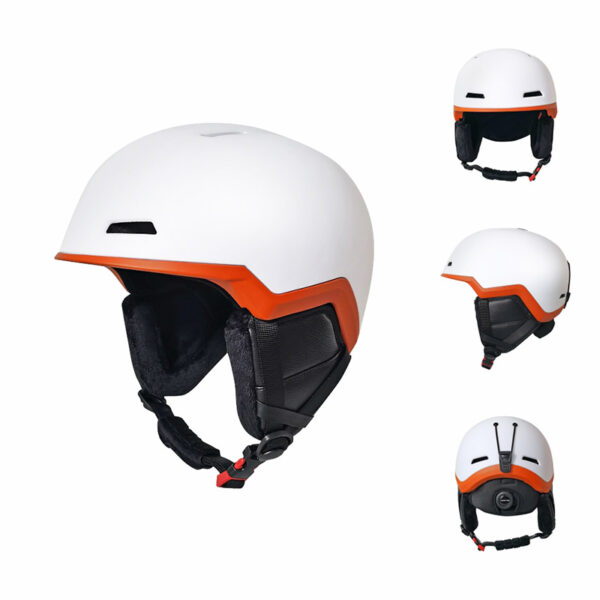
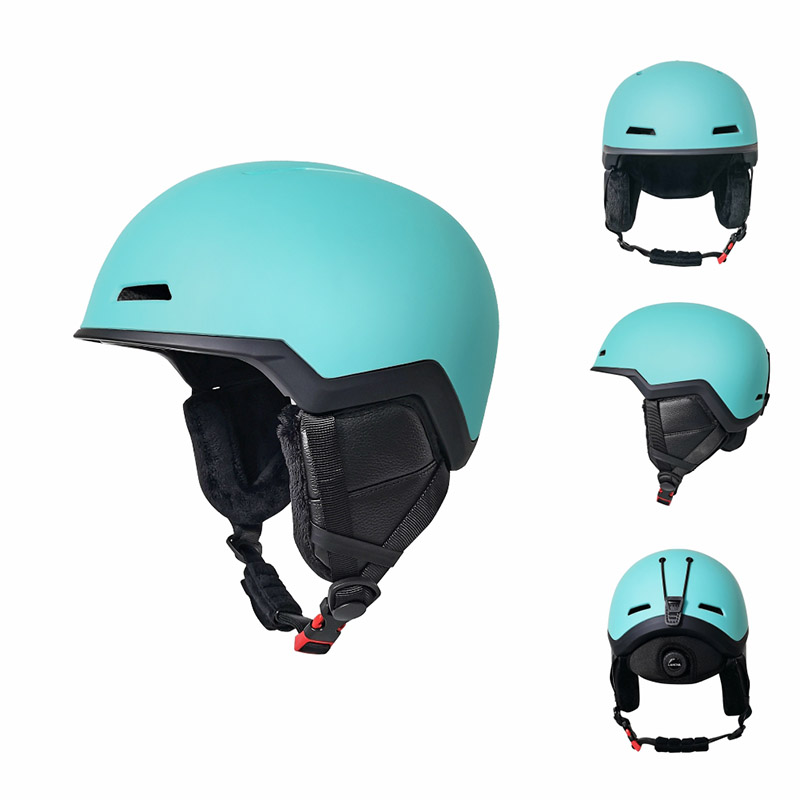
Fukosports ski helmets feature high-strength, tough ABS shells, a premium finish, and the same ventilation switch design as top brands. Hubo’s human-centered design ensures goggle compatibility and an EPS liner for safe, comfortable wear. View more styles.
Showing all 7 results
-
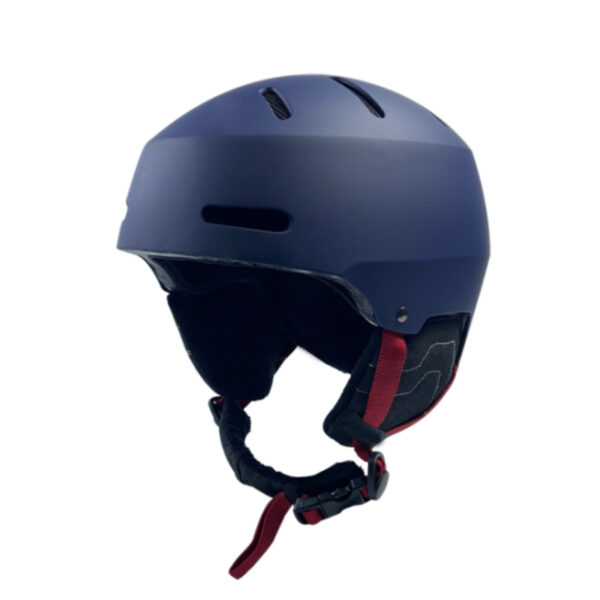
Fukosports Custom Ski Helmet
- Enhanced Ventilation
- Adjustable Vents
- Retention System
- Unique Customization
- High-Quality Materials
-
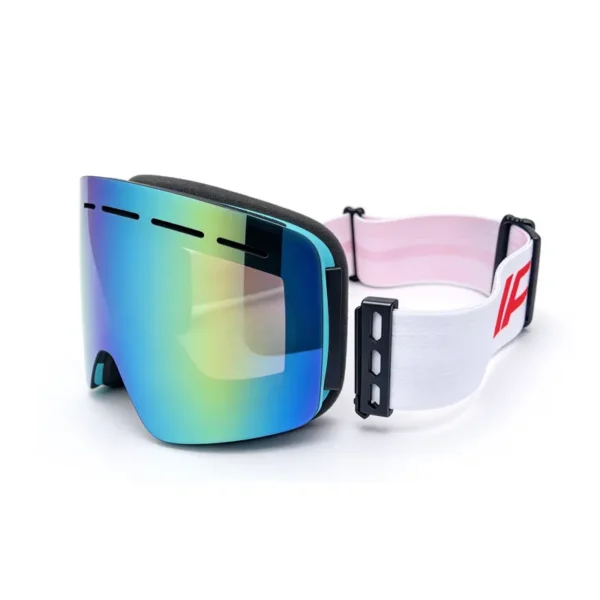
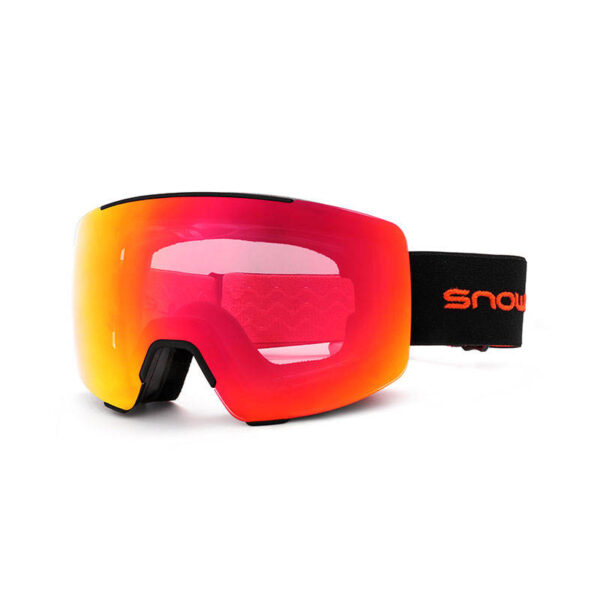
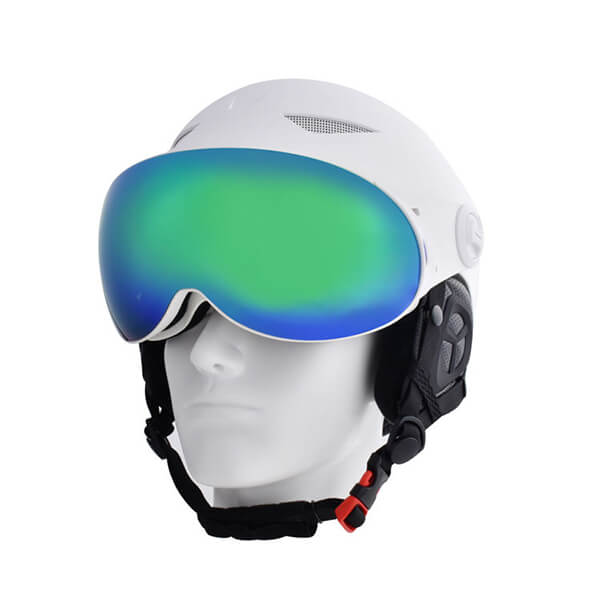
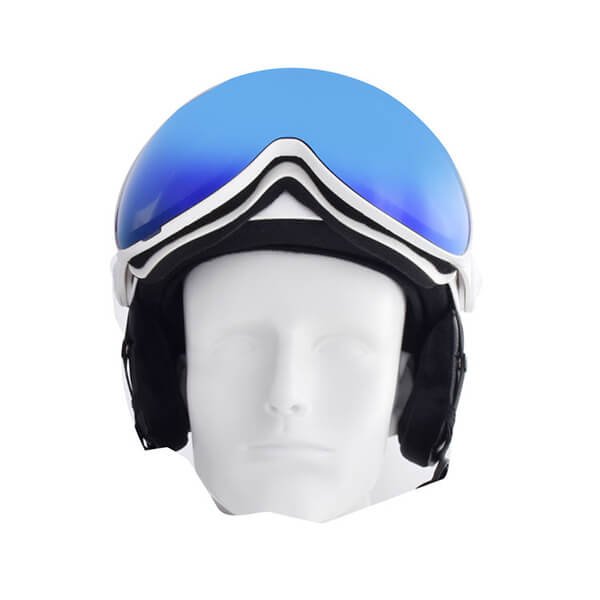
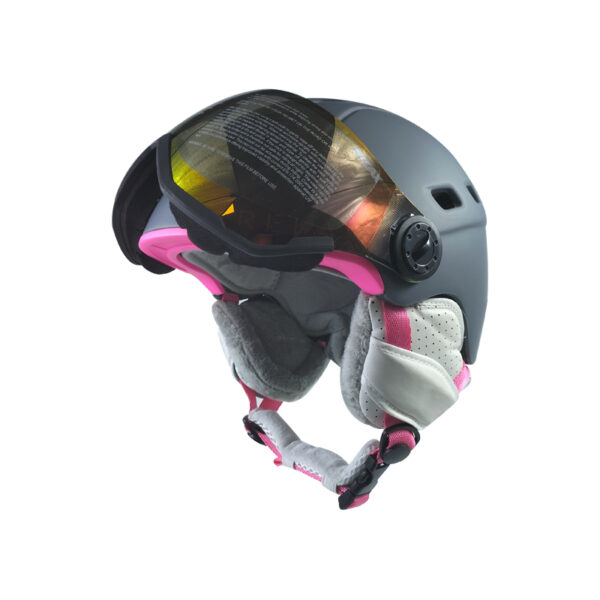
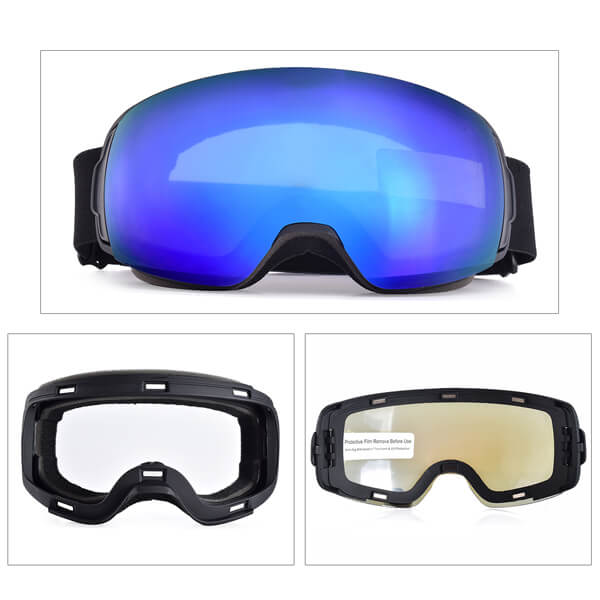
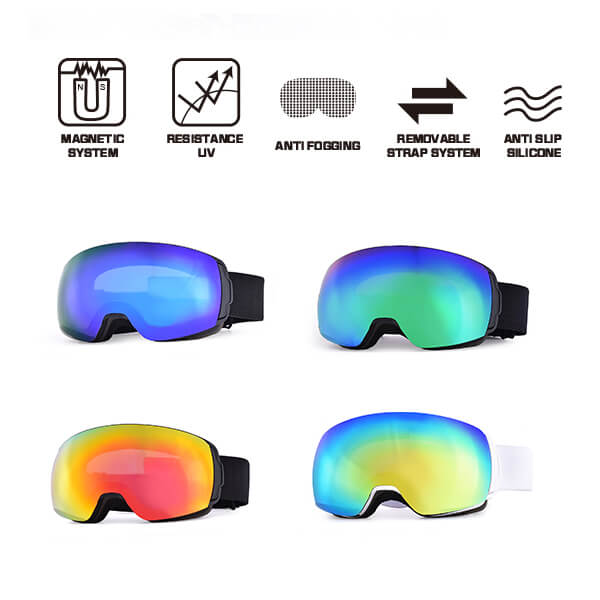
Magnetic ski helmet goggles
- FH600
- Special integrated helmet goggles design
- Magnetic lens system
- Side-clip locking system
- Adjustable height of lens design
-
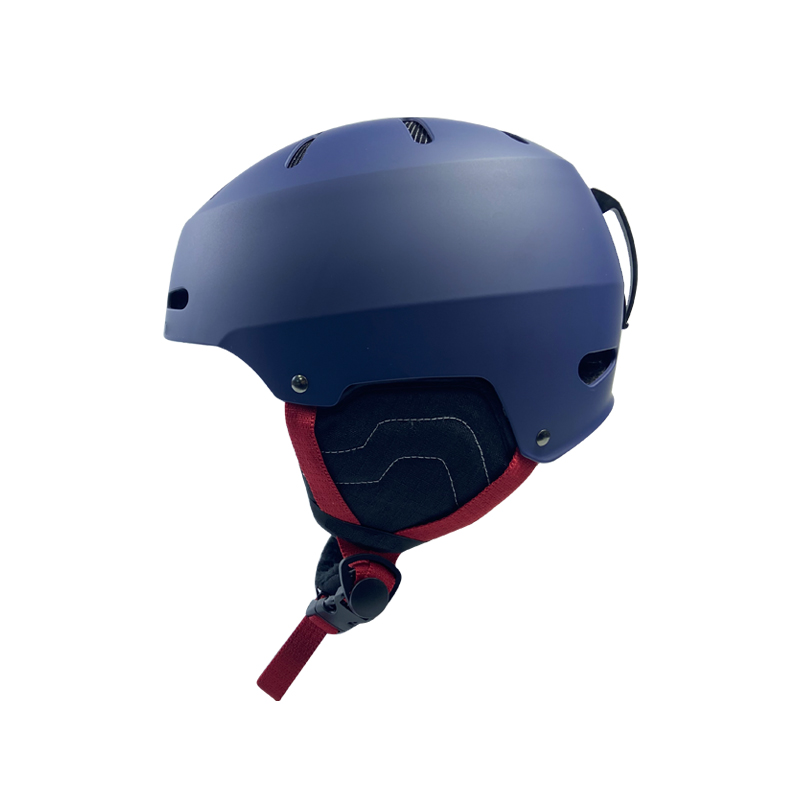
Ski Helmets
- Superior Ventilation
- Customizable Style
- Advanced Safety Features
- Comfortable Fit
-
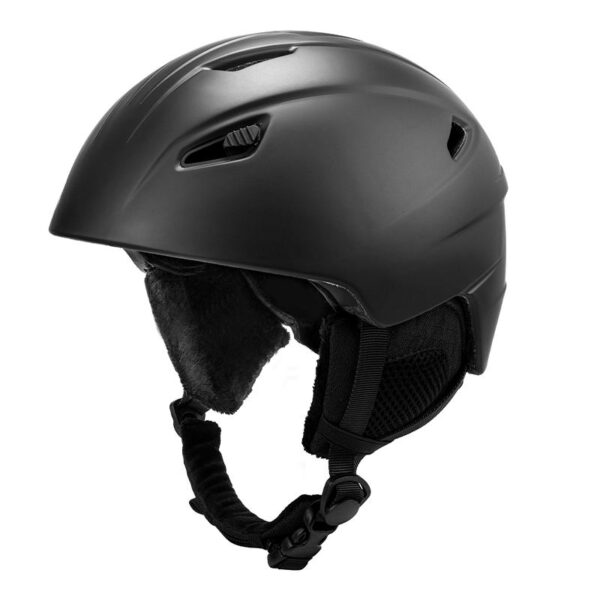
Ski Helmets for Men
- Enhanced Ventilation
- Dual Shell Construction
- Comfortable and Insulated Interior
- Optional Lens Integration
- Adjustable Retention System
-
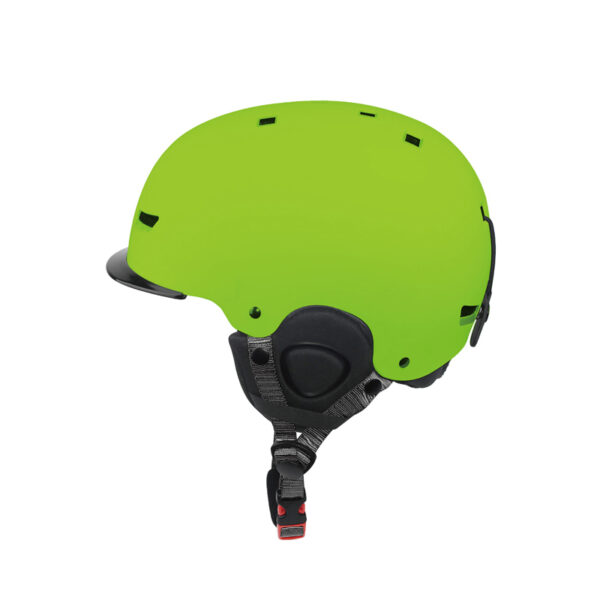
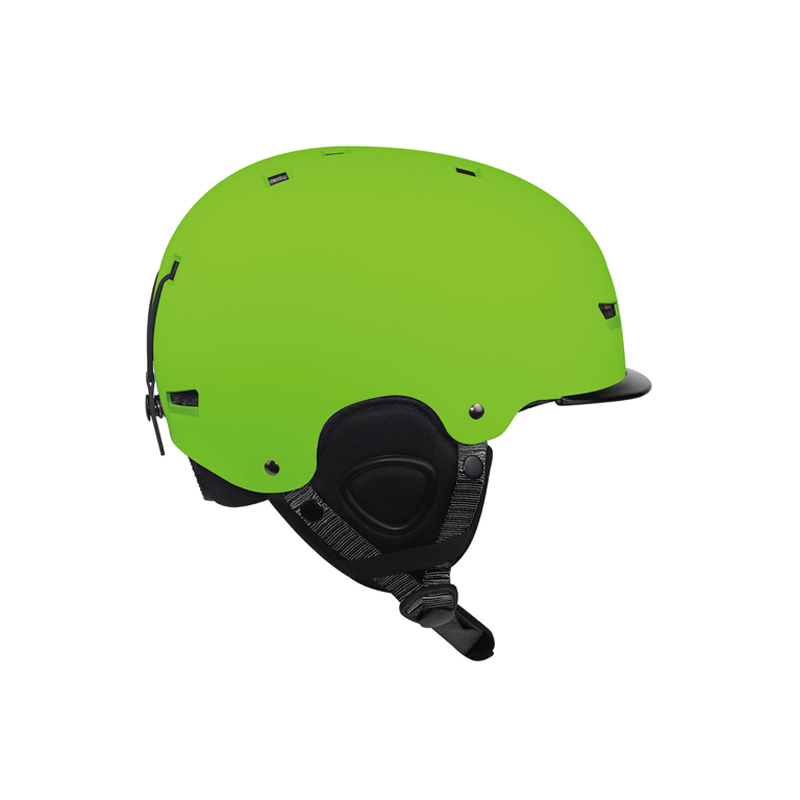
Snow Ski Helmet
- Superior Ventilation
- Optional Brim
- Impact Protection
- Lightweight Design
-
Wholesale Ski Helmets
- Bulk Ordering
- Enhanced Ventilation
- Optional Lens Integration
- Customizable Options
-
Youth Ski Helmet
- Optimal Ventilation
- High-End Models
- Dual Shell Construction
- Ventilation Switch
- Optional Lens Integration
FAQ
Do You Need a Helmet to Ski?
Ski helmets significantly reduce the risk of head injury from falls, collisions, and impacts with snow or objects. Many ski resorts worldwide now require helmets for children and teenagers, and some have extended mandates to all on-mountain guests.
Beyond safety, a quality ski helmet also provides insulation, wind protection, and a secure fit for your goggles. Even on groomed runs at moderate speeds, unexpected slips or collisions with other skiers can happen. Wearing a helmet is the single most effective step you can take to protect your head on the slopes.
How to Measure for a Ski Helmet
Getting the right size starts with an accurate head measurement. Follow these simple steps:
- Grab a soft measuring tape. If you don't have one, use a string and then measure it against a ruler.
- Wrap it around your head about 1 inch (2.5 cm) above your eyebrows, above your ears, and around the fullest part of the back of your head. The tape should sit level and feel snug — not tight enough to indent skin.
- Take the measurement in centimeters for the most precise sizing.
- Compare your number to the brand's size chart. Sizing varies between manufacturers, so always check the specific chart for the helmet you're buying.
- Test the fit. A properly sized helmet should feel snug all around, sit level on your head, and not shift when you shake your head side to side or front to back. There should be no painful pressure points.
If you fall between two sizes, try both or go with the smaller size — helmet pads will break in slightly with use.
How to Choose a Ski Helmet
Picking the right ski helmet comes down to fit, safety features, and how you ski. Here's what to look for:
1. Prioritize proper fit first
No helmet works if it doesn't stay in place on impact. Always measure your head and consult the size chart before buying. The helmet should feel secure without pinching, and the front edge should sit just above your eyebrows.
2. Check safety certifications
Look for helmets certified to ASTM F2040 (US standard) or CE EN 1077 (European standard). These labels confirm the helmet meets independent impact-protection requirements.
3. Consider MIPS technology
Many modern helmets include MIPS (Multi-directional Impact Protection System), a low-friction liner designed to reduce rotational forces during angled impacts. It's a worthwhile upgrade for added brain protection.
4. Ventilation
Choose a helmet with adjustable vents if you tend to overheat or ski in varied conditions. More vents keep you cool on warm spring days; closing them traps heat on cold mornings.
5. Goggle compatibility
Make sure the helmet works with your ski goggles — there should be no gap between the goggle frame and helmet brim. Many brands design their helmets and goggles to pair together seamlessly.
6. Fit system
Look for a rear dial-adjustment system. It lets you fine-tune the fit with one hand, even while wearing gloves, and accommodates different hat thicknesses.
7. Weight and comfort
Lighter helmets are generally more comfortable for all-day wear. Also check for removable, washable ear pads and liners — they make it easy to keep your helmet fresh season after season.
8. Extra features
Built-in audio compatibility, goggle clips, and removable ear pads are popular add-ons. Pick the features that match how you actually ski, rather than paying for extras you'll never use.