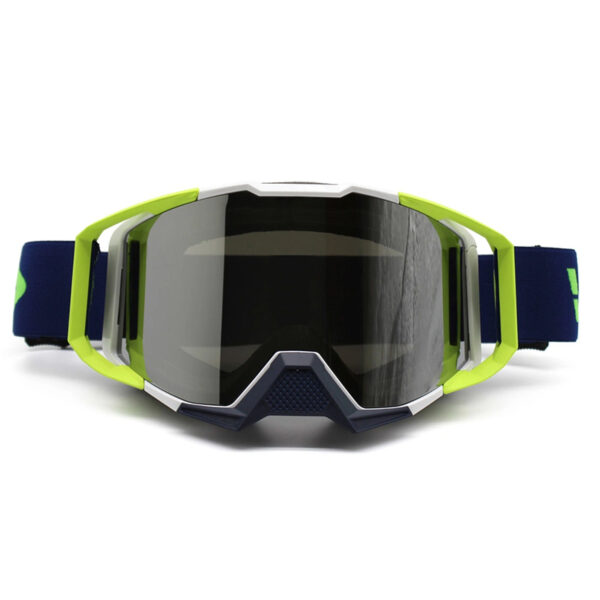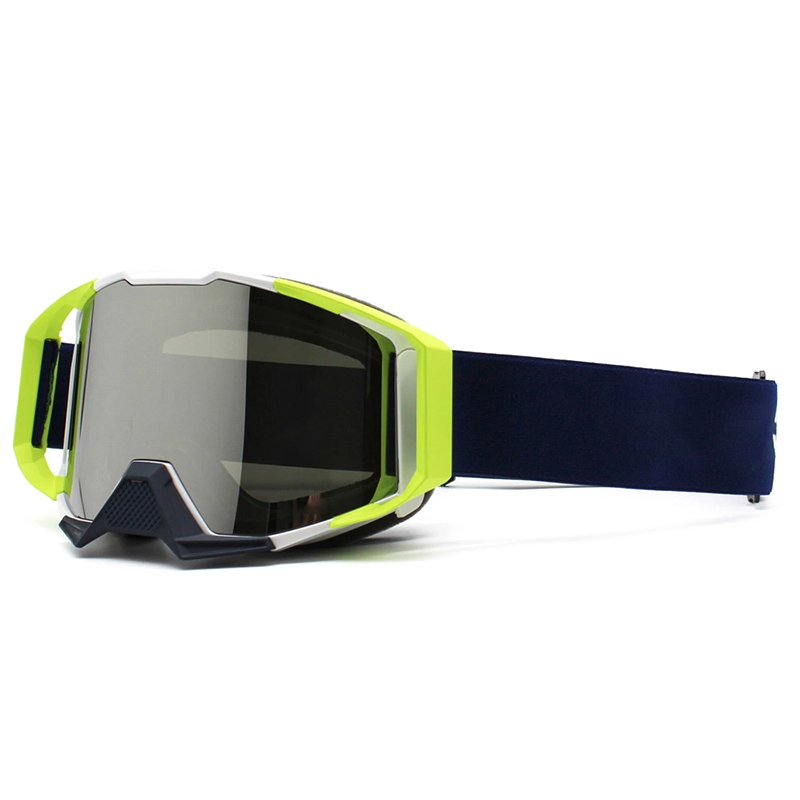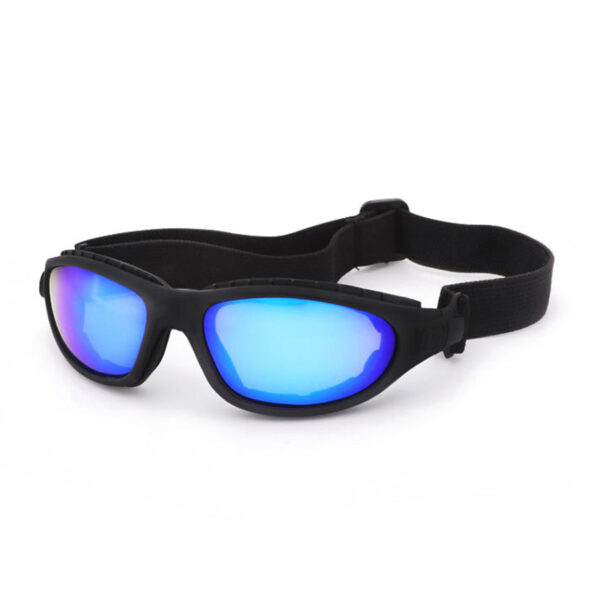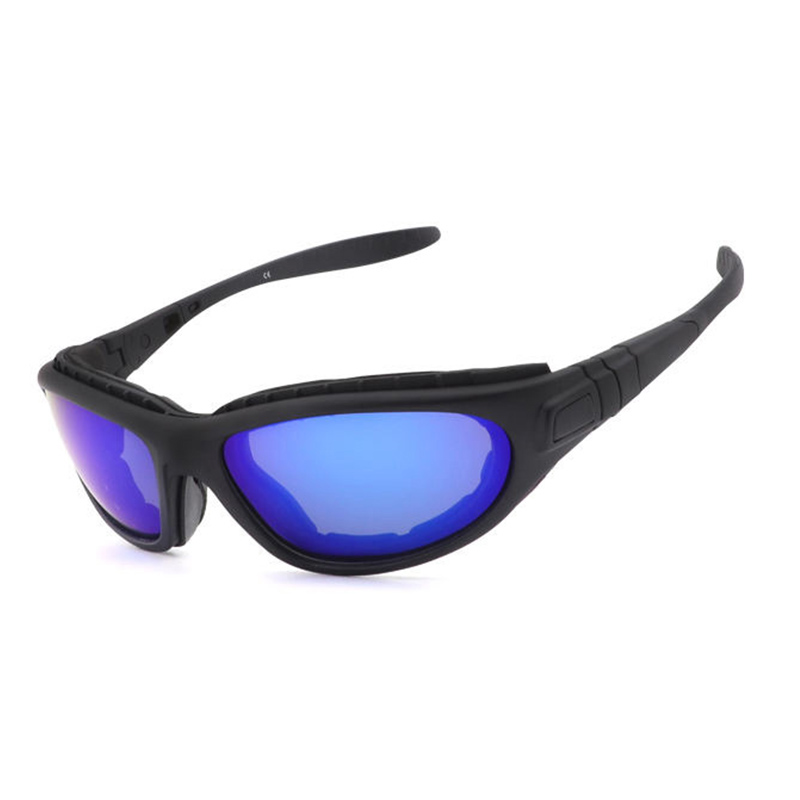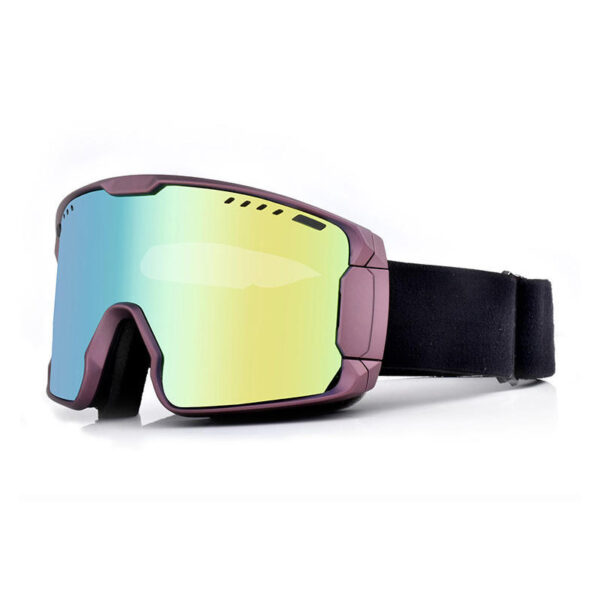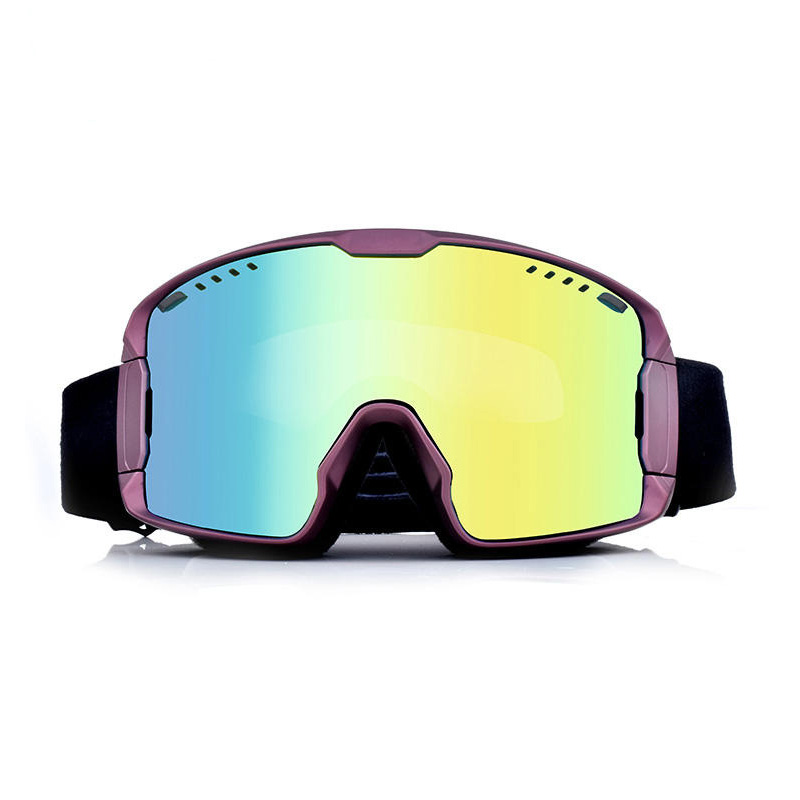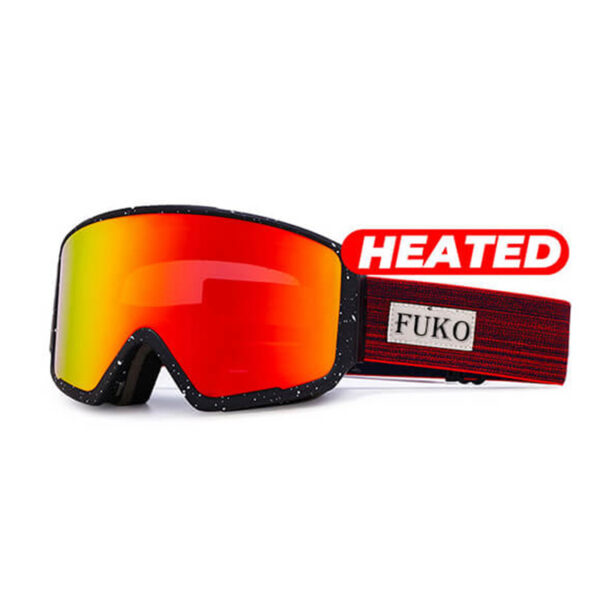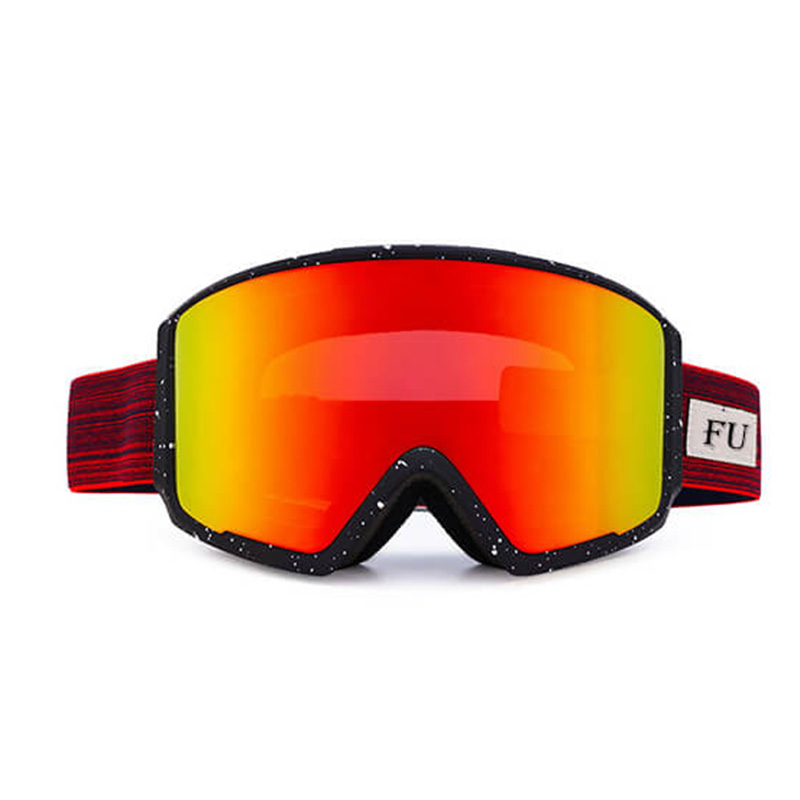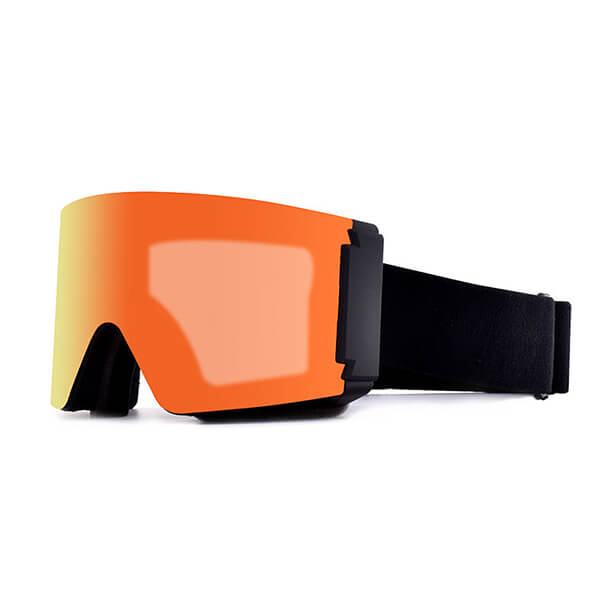
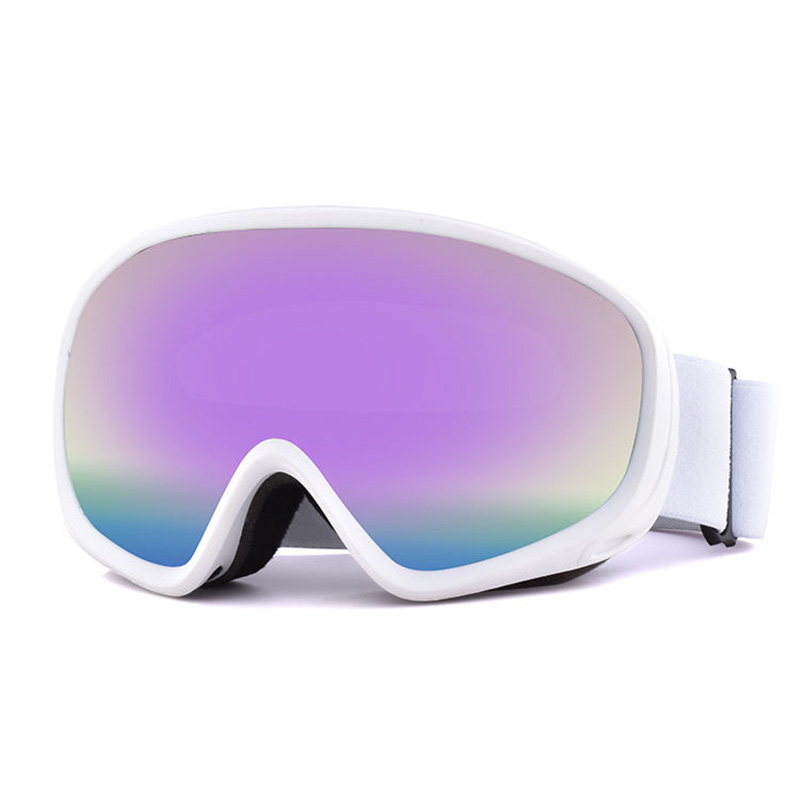
Oakley makes some of the most recognizable ski goggles, but its premium price isn’t for everyone. If you’re looking for Oakley goggles alternatives, there are plenty of options that offer comparable optics, interchangeable lenses, magnetic systems, or photochromic technology for less.
The right alternative depends on what you value most. Smith is a strong choice for contrast-enhancing lenses, Anon stands out for magnetic lens systems, Dragon offers excellent optics and field of view, while Glade provides photochromic technology at a competitive price. For budget shoppers, brands such as Wildhorn and OutdoorMaster are worth considering.
Part 1. Oakley Goggles: Why Are They So Popular?
Oakley is one of the most recognized names in ski goggles, combining strong optical performance, comfortable designs, and a wide range of lenses for different mountain conditions.
A major highlight is Prizm Lens Technology, which is designed to enhance contrast and make changes in snow texture and terrain easier to see. Many Oakley models also offer wide fields of view, anti-fog features, interchangeable lenses, and frame designs that work well with different helmets and face shapes.
Beyond performance, Oakley’s distinctive styling and broad model selection have made the brand a popular choice among both recreational and experienced skiers.
However, ski goggles are highly personal. Fit, lens technology, field of view, weather conditions, lens-changing convenience, and budget can all influence which model works best for you. If you like Oakley but want to explore different technologies, designs, or price points, several brands offer compelling alternatives.
The goal isn’t necessarily to find something “better than Oakley,” but to find the best ski goggles for your needs and skiing style.
Part 2. 8 Best Oakley Goggles Alternatives
Best Oakley Goggles Alternatives at a Glance
| Model | Best For | Lens Technology | Lens Change | FOV | Price |
| Smith 4D MAG | Premium optics | ChromaPop | Magnetic | Excellent | $355 |
| Smith Squad XL | Value + optics | ChromaPop | Manual | Excellent | $110 |
| Anon M4 | Convenience | Multiple lens options | Magnetic | Excellent | $339 |
| Dragon PXV | Wide FOV | Dragon lens options | Model dependent | Excellent | $133 |
| Glade Fathom | Changing light | Photochromic | Model dependent | Wide | $210 |
| Bollé Nevada | Different conditions | Multiple lens options | Model dependent | Wide | $130 |
| Wildhorn Pipeline | Budget + magnetic | Interchangeable | Magnetic | Wide | $90 |
| OutdoorMaster | Beginners | Multiple options | Model dependent | Wide | $70 |
*Note: Prices may vary by region, season, retailer, and model or lens configuration. The prices listed above are approximate and may change over time.
1. Smith 4D MAG – Best Premium Alternative to Oakley
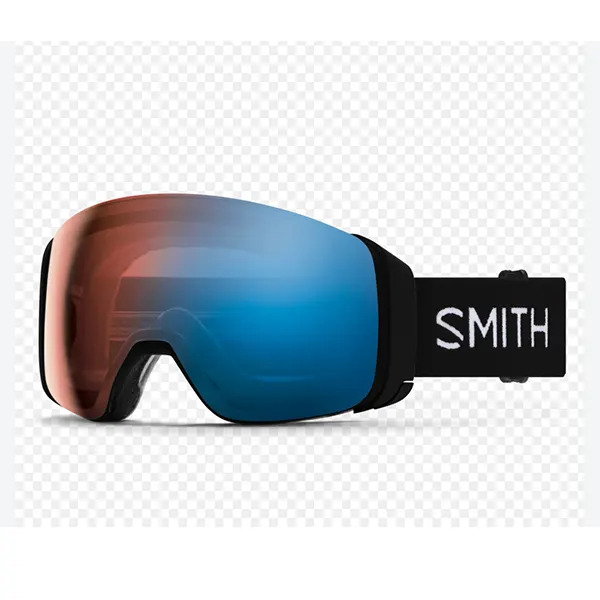
Best for: Advanced skiers who prioritize optics and field of view.
If you’re looking for a premium alternative to Oakley, the Smith 4D MAG is one of the most compelling options. Its standout feature is the ChromaPop lens technology, which is designed to enhance contrast and make changes in snow texture easier to see.
The 4D MAG also uses a curved lens design that extends the field of view downward, helping skiers see more of the terrain directly in front of them. Its magnetic lens system makes switching between lenses relatively quick, which is particularly useful when moving from bright conditions into shade or changing weather.
The downside is price. The 4D MAG sits firmly in the premium category, so it isn’t necessarily a cheaper Oakley alternative. Instead, it is better viewed as an alternative premium goggle for people comparing Oakley and Smith based on optical performance.
Key features:
- ChromaPop lens technology
- Large field of view
- Magnetic lens-changing system
- Premium frame and lens construction
- Multiple lens options for different conditions
Pros: Excellent optics, wide FOV, fast lens changes
Cons: Expensive
2. Smith Squad XL – Best Value Alternative to Oakley
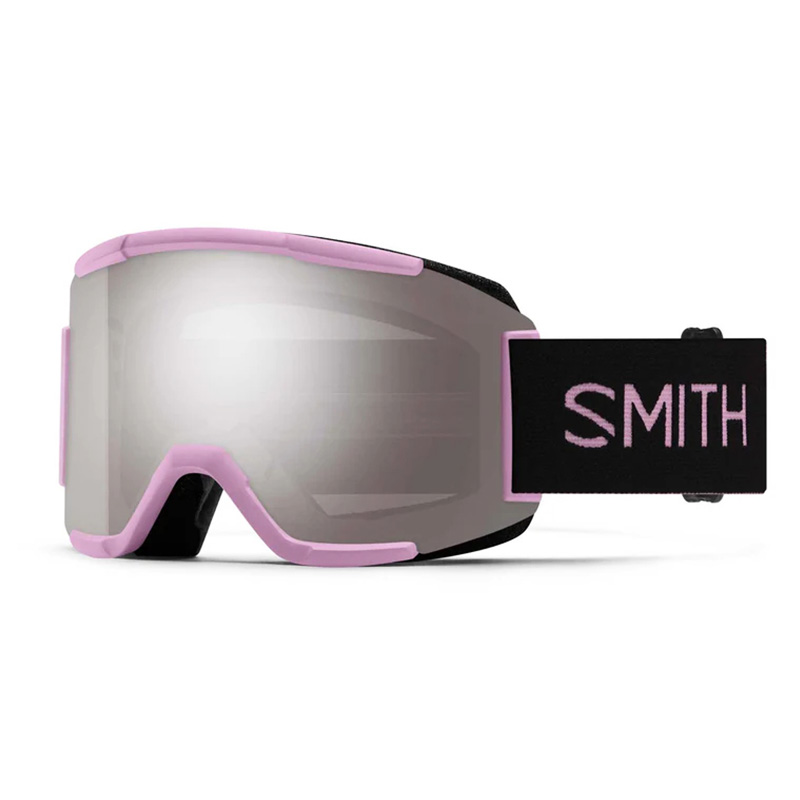
Best for: Skiers who want premium lenses at a lower price.
The Smith Squad XL makes more sense if you want Smith’s ChromaPop technology without paying for its flagship models.
Its large cylindrical lens provides a broad field of view, while selected configurations come with two lenses for different lighting conditions. This makes it particularly attractive for skiers who want one goggle setup for sunny days and another for cloudy or stormy weather.
Compared with high-end magnetic goggles, changing the lens takes more effort. However, that compromise also helps keep the price down.
For shoppers asking whether they need to spend $200 or more on ski goggles, the Squad XL is a good example of how a previous-generation or mid-range model can deliver many of the features that matter most.
Key features:
- ChromaPop lens options
- XL frame and wide field of view
- Two-lens configurations available
- Cylindrical lens design
- Lower price than flagship Smith models
Pros: Strong value, good optics, large FOV
Cons: Manual lens changes are less convenient
3. Anon M4 – Best for Magnetic Lens and Face-Mask Integration
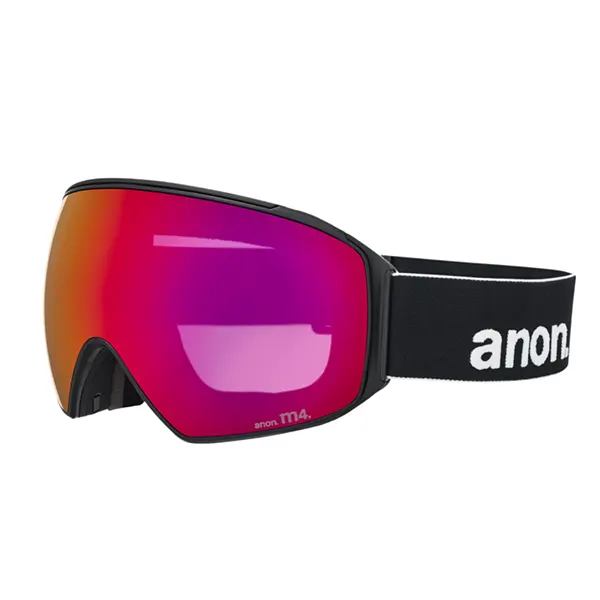
Best for: Skiers who want the easiest lens and face-mask system.
The Anon M4 is a strong Oakley alternative if convenience is your priority. Its magnetic lens system allows quick lens changes without the fiddly process associated with traditional interchangeable lenses. The M4 can also work with Anon’s magnetic face-mask system, allowing the face mask to attach directly to the goggles.
This is particularly useful on cold days when you regularly move between wearing and removing your face covering. The system is designed around convenience rather than simply optical performance. The M4 is still a premium goggle, however, so it doesn’t solve the problem of Oakley’s high price. Its advantage is the feature set.
Key features:
- Magnetic lens system
- Magnetic face-mask integration
- Large field of view
- Multiple lens options
- Premium frame construction
Pros: Extremely convenient, easy lens changes, excellent integration
Cons: Expensive
4. Dragon PXV – Best for Field of View
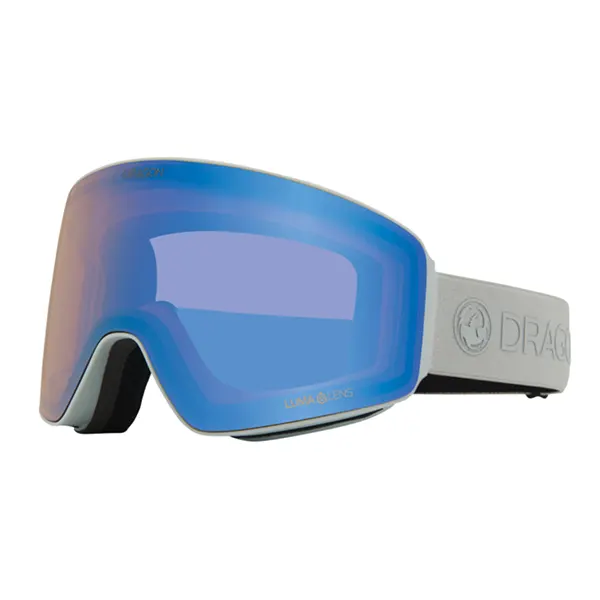
Best for: Skiers who want a wide field of view and strong optics.
The Dragon PXV is particularly interesting if field of view is high on your priority list. Its large toric lens design is built to provide a broad view of the terrain, while Dragon’s lens options cover different lighting conditions. The design also gives the PXV a distinctive appearance compared with the more conventional shapes used by many ski goggles.
Experienced skiers often look beyond basic lens darkness and consider how well a goggle helps them identify terrain changes. That’s where the PXV’s combination of wide FOV and optical clarity becomes important.
It’s another premium option rather than a budget replacement for Oakley, but it can be a strong choice for skiers who value visibility and design.
Key features:
- Large toric lens
- Very wide field of view
- Multiple lens tints
- Strong anti-fog ventilation
- Distinctive styling
Pros: Excellent FOV, good optics, stylish design
Cons: Premium pricing
5. Glade Fathom – Best Value Photochromic Alternative
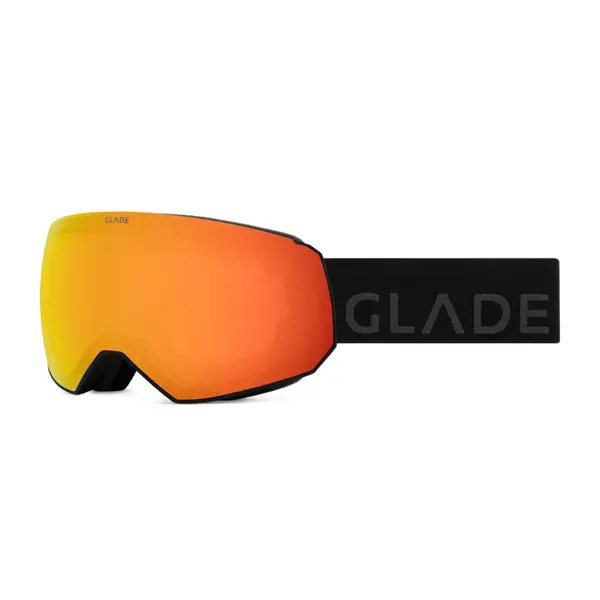
Best for: Skiers who want photochromic performance at a lower price.
The Glade Fathom takes a different approach to the Oakley alternative question. Instead of focusing primarily on a premium fixed lens, the Fathom is designed around photochromic technology. The lens changes its tint as lighting conditions change, which can reduce the need to carry multiple lenses.
This can be particularly useful when skiing through a mixture of direct sunlight, shade, trees, and changing weather. Some configurations also include a low-light lens, adding more flexibility.
For skiers who don’t want to spend premium-brand money but still want advanced lens technology, Glade offers a compelling middle ground.
Key features:
- Photochromic lens technology
- Automatic tint adjustment
- Low-light lens options
- Wide field of view
- More affordable than many flagship goggles
Pros: Good value, convenient for changing light, versatile
Cons: Photochromic lenses aren’t ideal for every condition
6. Bollé Nevada – Best for Different Lighting Conditions
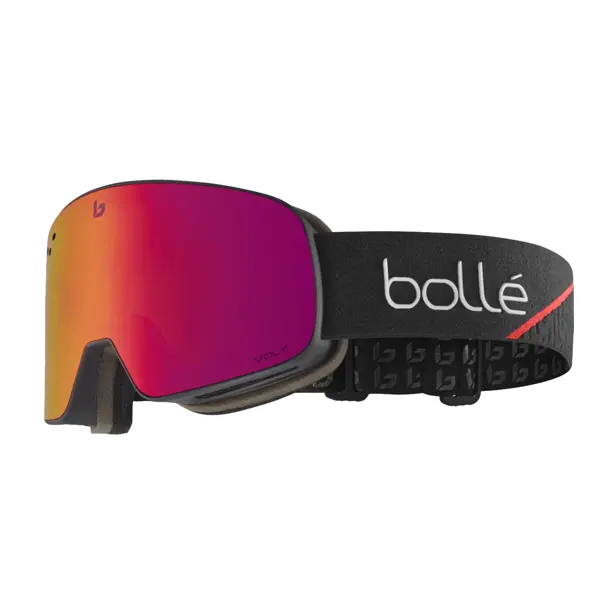
Best for: Skiers who want multiple lens options at a mid-range price.
The Bollé Nevada is worth considering if you prefer to select a lens specifically for the conditions rather than rely on a single photochromic lens.
Bollé offers different lens technologies and tints for bright, cloudy, and low-light conditions. This makes it possible to build a setup around the way you normally ski.
For example, a darker lens can be used for sunny days, while a lighter yellow or high-contrast lens can be reserved for cloudy conditions or night skiing. Bollé can also be found at significant discounts, making previous-season models especially attractive to value-focused shoppers.
Key features:
- Multiple lens technologies
- Different tints for different conditions
- Wide-view designs
- Anti-fog treatment
- Often available at discounts
Pros: Versatile lens choices, good value
Cons: Model and lens performance vary
7. Wildhorn Pipeline – Best Budget Magnetic Goggle
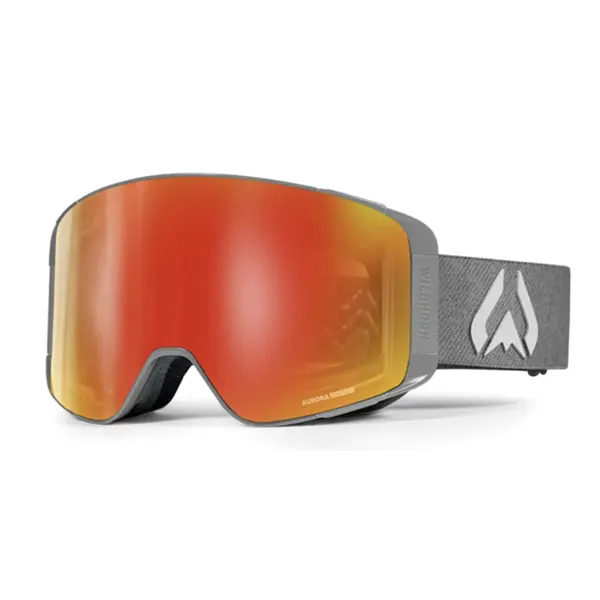
Best for: Budget-conscious skiers who want magnetic lenses.
The Wildhorn Pipeline is aimed at skiers who want modern features without paying premium-brand prices. One of its main advantages is the magnetic interchangeable lens system, allowing users to switch lenses depending on conditions. That gives it an important feature associated with more expensive goggles.
Wildhorn also has a relatively broad selection of snow goggles, so shoppers can choose between different frame styles and lens configurations. It won’t necessarily match the optical refinement of a flagship Oakley or Smith model, but for recreational skiing, it can offer a practical balance between price and functionality.
Key features:
- Magnetic interchangeable lenses
- Multiple frame options
- Affordable pricing
- Anti-fog design
- Replacement lens options
Pros: Affordable, convenient lens changes
Cons: Optical performance is below the premium tier
8. OutdoorMaster – Best Cheap Ski Goggles for Beginners
Best for: Beginners, casual skiers, and budget shoppers.
OutdoorMaster is one of the easier brands to consider if your main goal is simply getting functional ski goggles without spending much.
Several models focus on value-oriented features such as interchangeable lenses, magnetic systems, and dual-lens packages. Having two lenses is particularly useful for beginners because it allows one pair of goggles to cover a wider range of conditions.
The trade-off is that OutdoorMaster doesn’t offer the same level of lens refinement or premium construction as Oakley, Smith, or Anon. For someone skiing a few days per season, however, spending less may make more sense than investing in a flagship goggle.
Key features:
- Affordable price
- Interchangeable lens options
- Two-lens packages on selected models
- Anti-fog ventilation
- Multiple frame styles
Pros: Very affordable, beginner-friendly
Cons: Less advanced optical performance
Part 3. Best Cheap Alternatives to Oakley Goggles
If you like Oakley goggles but don’t want to pay full retail price, you may not need to switch brands. Most skiers often recommend looking for previous-season models, end-of-season sales, and less popular colorways.
1. Buy a competing brand
Wildhorn and OutdoorMaster offer lower-cost options, while Glade provides a more premium feature set at a mid-range price.
2. Buy Previous-Season Models
Last year’s Oakley goggles can offer a better price without giving up the lens technology or fit you want. Look for discontinued models and colorways when new-season products arrive.
3. Shop Sales
End-of-season and clearance sales can bring premium Oakley goggles into a much lower price range. Some report finding models for around $60–$110, with discounts of 60% or more on certain products.
4. Choose Less Popular Colorways
If color isn’t a priority, less popular or older colorways can be significantly cheaper. For many skiers, choosing a discounted color is an easier way to save than switching to a different brand.
5. Compare the Total Value
If your budget is around $60–$110, compare discounted Oakley models with alternatives from Smith, Glade, or Anon. A sale-priced Oakley may offer better value than buying a cheaper new goggle simply because it costs less.
The goal isn’t to find the cheapest goggles, but the right balance of lens quality, fit, features, and price.
Part 4. What Should You Look for in Oakley Goggles Alternatives?
Choosing an Oakley alternative isn’t simply about finding a cheaper pair. Here are several factors that can have a bigger impact on your skiing experience.
Lens Performance
Focus on contrast, terrain definition, and visibility in different lighting conditions, rather than just whether a lens is mirrored. Technologies such as Prizm and ChromaPop are designed to enhance contrast and help reveal snow and terrain details.
Fit and Comfort
Face shape, frame size, nose bridge, helmet compatibility, and overall comfort all matter. If possible, try goggles on before buying.
Field of View
A wide field of view can make it easier to see surrounding terrain. Lens shape and frame design can be just as important as overall lens size.
Anti-Fog Performance
Good ventilation and anti-fog treatments are essential, particularly when skiing in changing weather or during long sessions.
Lens Changing
If conditions change frequently, magnetic or interchangeable lenses can be valuable. They let you switch between bright- and low-light lenses without buying multiple pairs of goggles.
Price and Value
Consider previous-season models and sales before paying full price. A discounted premium goggle can sometimes offer better value than a cheaper new model.
Ultimately, the best Oakley alternative should balance optics, fit, versatility, convenience, and price for your skiing style.
Part 5. Looking Beyond Retail Brands: FukoSports
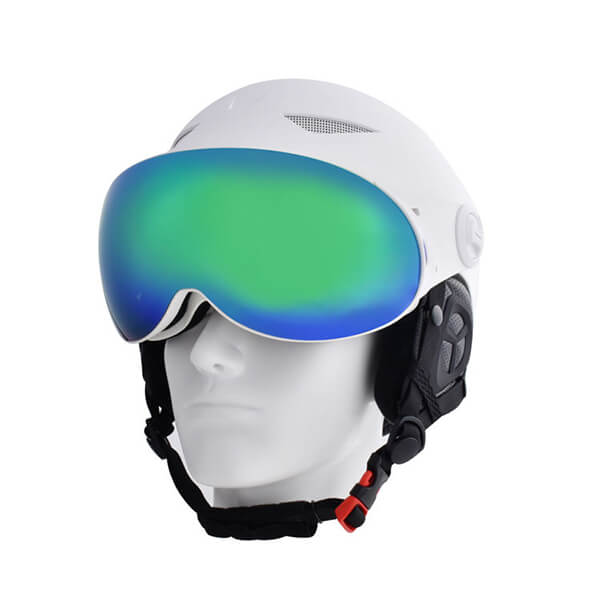
If you’re comparing Oakley alternatives from a business or sourcing perspective, the options are not limited to consumer-facing ski goggle brands. Sports eyewear manufacturers can also provide a wider range of customization and product development options.
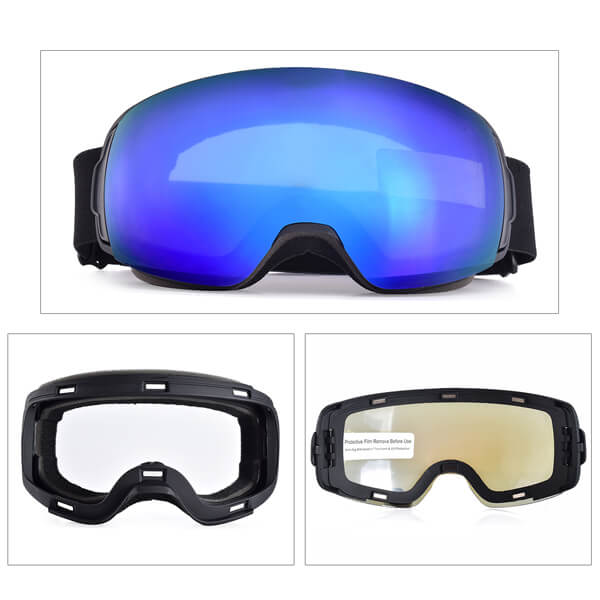
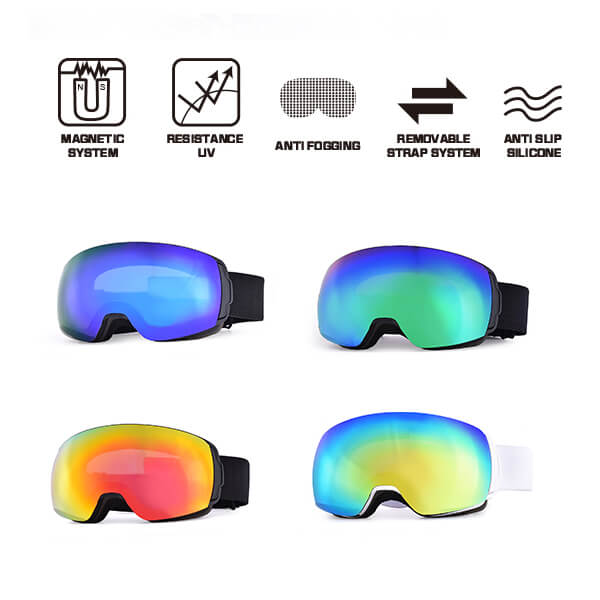
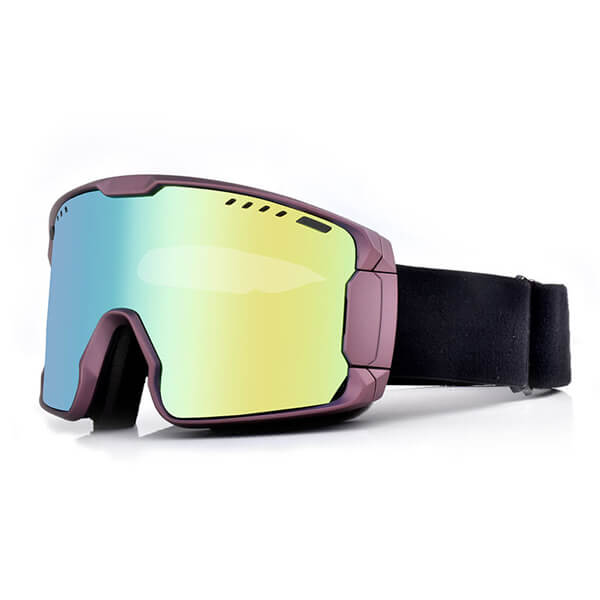
FukoSports is a sports eyewear manufacturer specializing in sports eyewear production and customization. For brands, retailers, and businesses looking to develop their own eyewear products, working directly with a manufacturer can offer more flexibility in areas such as frame design, lens options, branding, and product specifications.
Why Consider FukoSports?
- 9+ Years of Experience – Experienced in sports eyewear and protective gear manufacturing.
- Custom Solutions – Supports customized sports eyewear for different brand and product needs.
- Low MOQ – Flexible minimum-order policies for different customers.
- Factory Pricing – Direct manufacturing helps provide competitive pricing.
- Shorter Lead Times – Focuses on timely production and delivery.
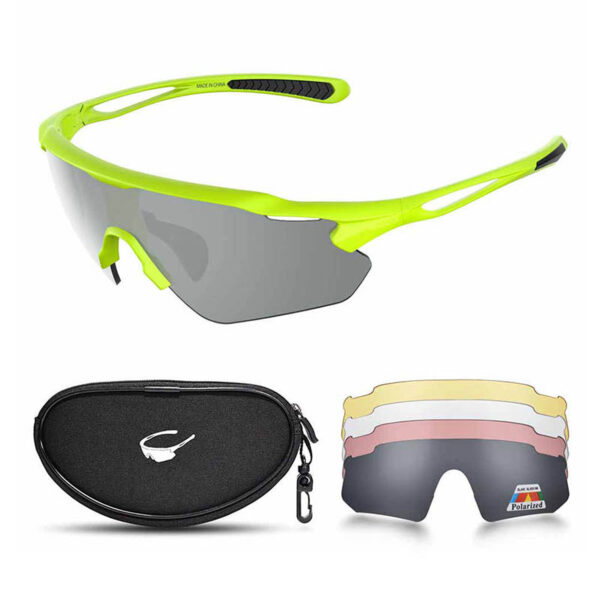
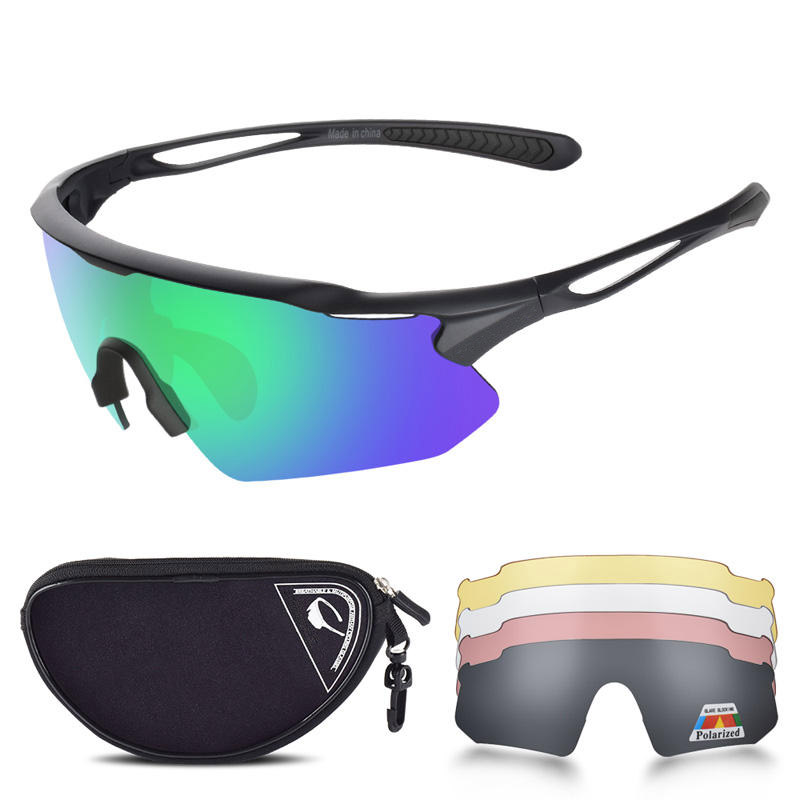
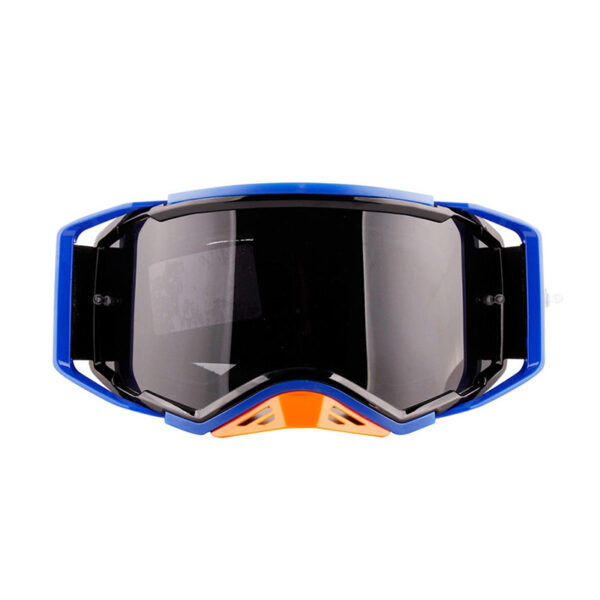
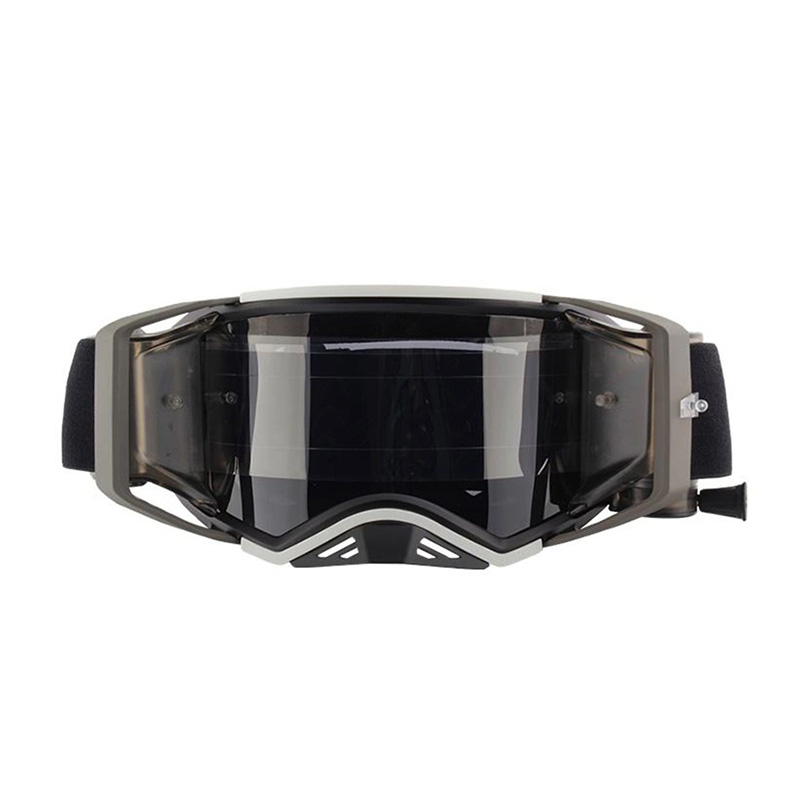
- Wide Product Range – Covers ski goggles, motocross goggles, sports sunglasses, and ski helmets.
- After-Sales Support – Provides an after-sales team to assist customers.
For businesses looking to develop or source sports eyewear rather than buy an existing retail model, FukoSports is another manufacturer worth considering alongside established consumer brands.
Part 6. FAQs about Oakley Goggles Alternatives
1. What Are the Best Alternatives to Oakley Prizm?
Smith ChromaPop is the closest overall alternative, while Anon Perceive offers contrast enhancement with magnetic lens changes. Dragon Lumalens is a more affordable option, and Glade photochromic lenses are ideal for changing light conditions.
2. What is the best alternative to Oakley goggles?
Smith is one of the strongest overall alternatives to Oakley. Its ChromaPop lenses offer contrast-enhancing performance comparable in concept to Oakley’s Prizm technology, while its wide range of frames and lenses gives skiers plenty of options.
3. Is Smith better than Oakley?
Neither is universally better. Oakley Prizm and Smith ChromaPop both have strong reputations for improving contrast and visibility. Fit, lens choice, skiing conditions, and personal preference can be more important than the brand.
4. What is the best cheap alternative to Oakley goggles?
OutdoorMaster and Wildhorn are good budget options, while Glade is worth considering if you want features such as photochromic lenses without moving into the highest price range.
5. What is similar to Oakley Prizm?
Smith ChromaPop is probably the most direct alternative. Other brands also offer contrast-enhancing or photochromic lenses, but the exact experience depends on the lens tint and skiing conditions.
6. Are Oakley goggles worth the money?
Oakley goggles can be worth the money if you value their lens technology, fit, and overall build quality. However, many skiers prefer to buy them on sale or choose alternatives such as Smith, Anon, Dragon, or Glade.
Conclusion
Oakley remains a strong choice, but there are plenty of alternatives. Smith, Anon, Dragon, Glade, Wildhorn, and OutdoorMaster each offer different combinations of optics, magnetic lenses, photochromic technology, and value.
For brands and retailers, FukoSports also provides custom sports eyewear manufacturing with low MOQs, factory pricing, and a wide range of ski goggles.
Ultimately, the best ski goggles are the ones that match your lens needs, fit, skiing conditions, and budget.