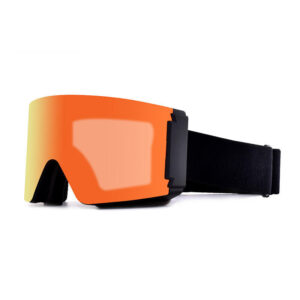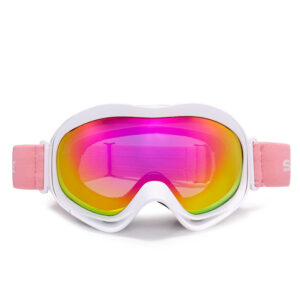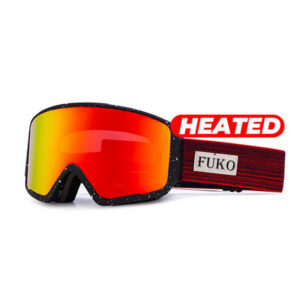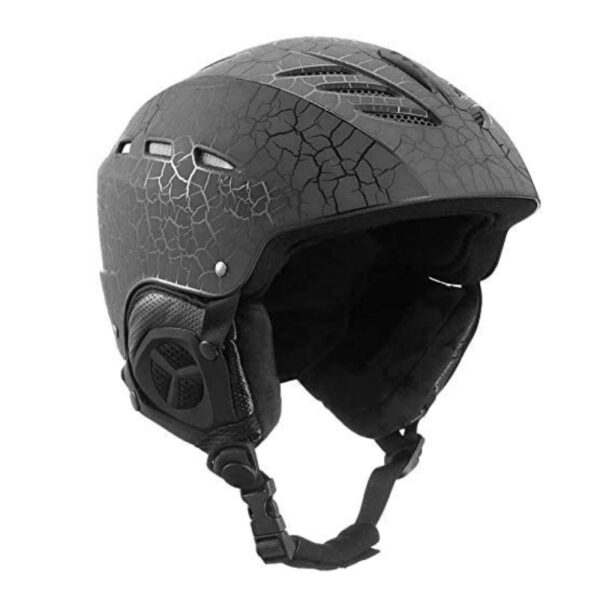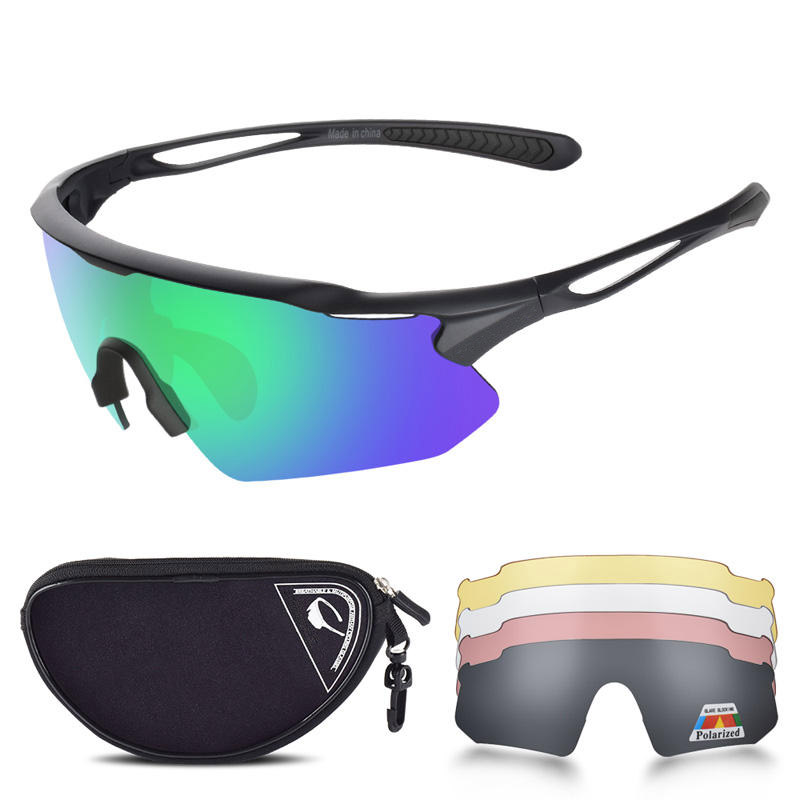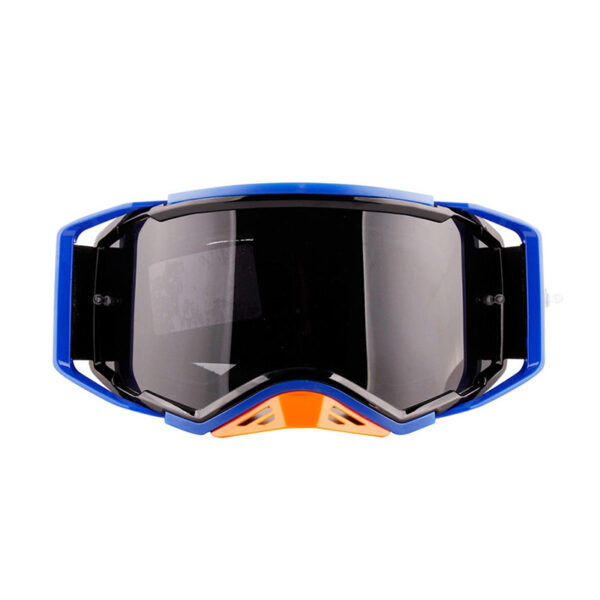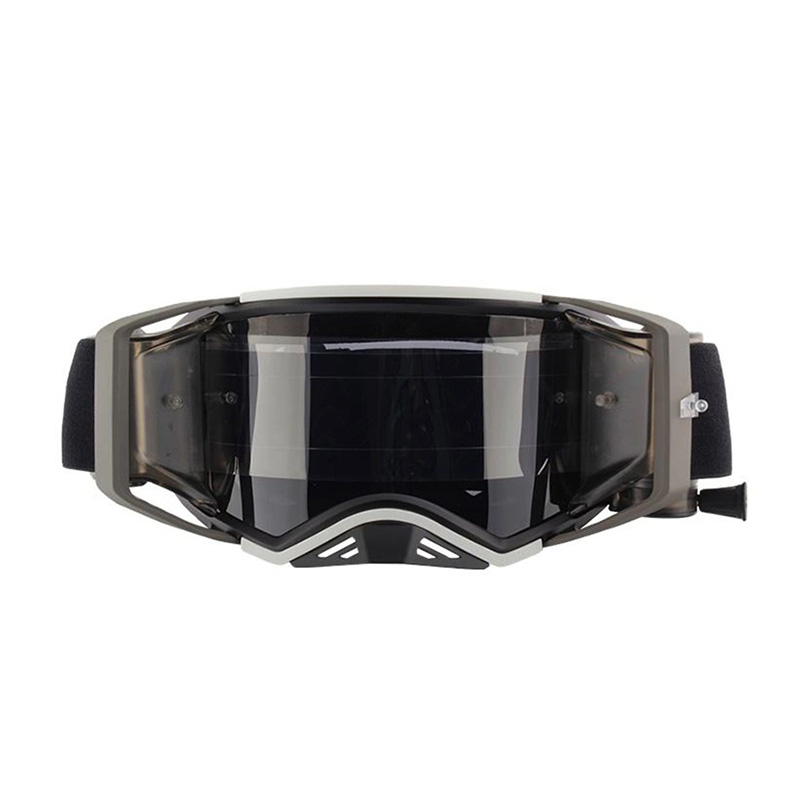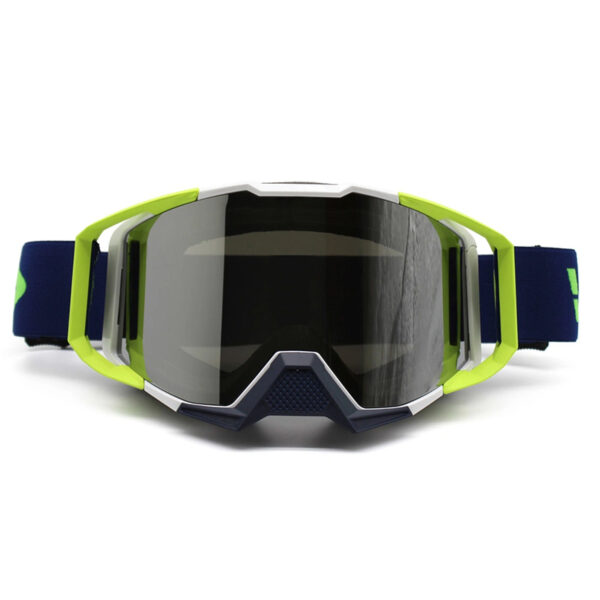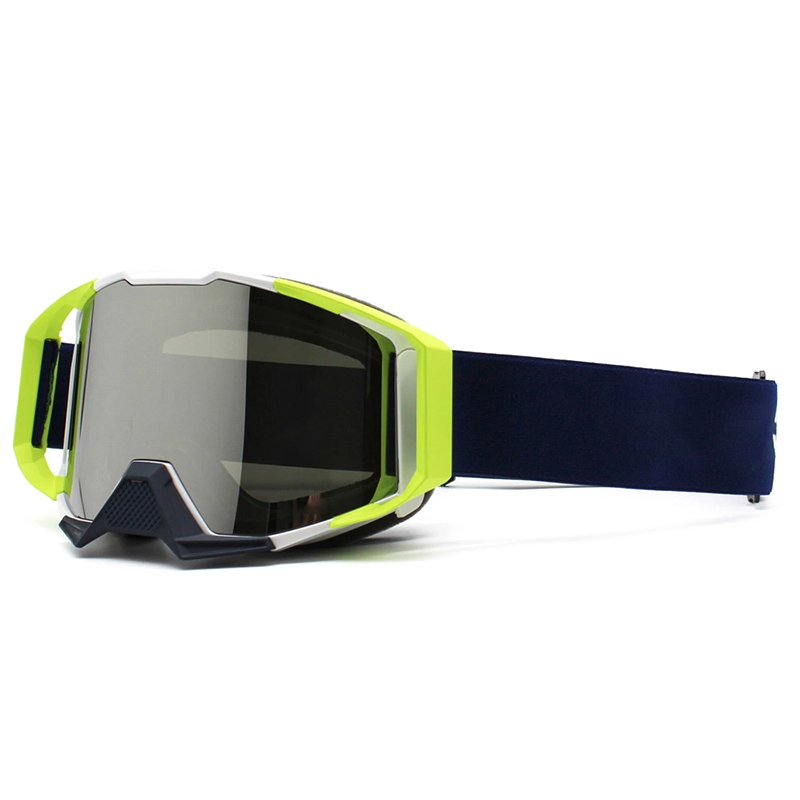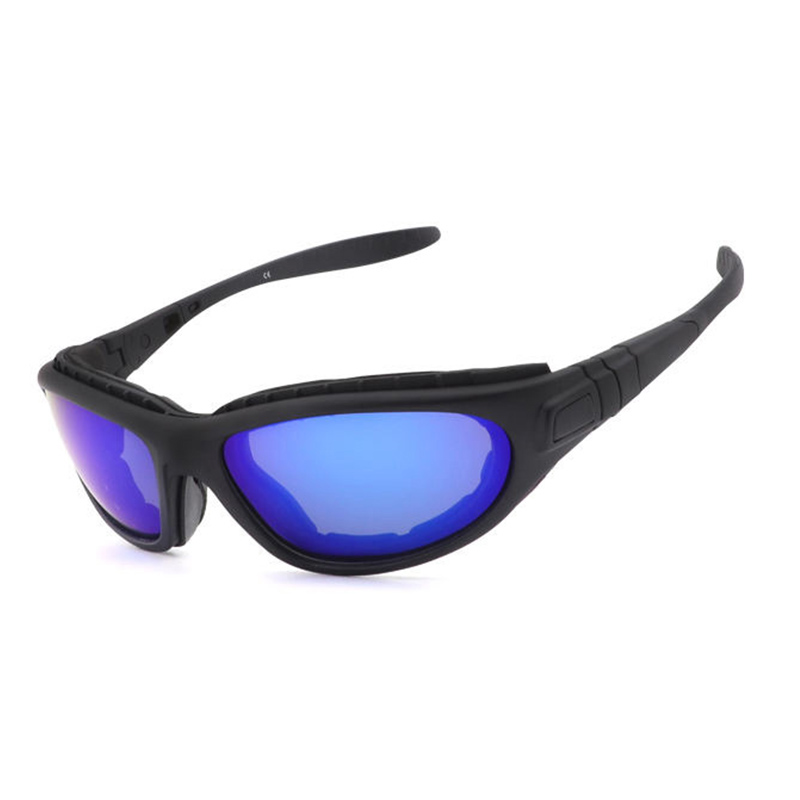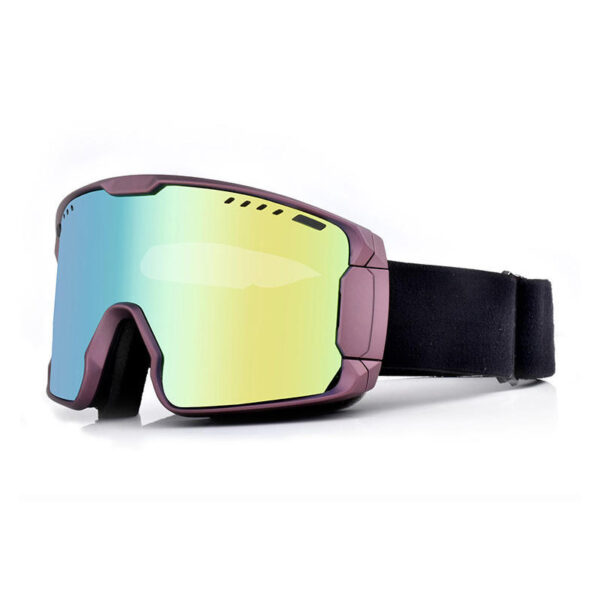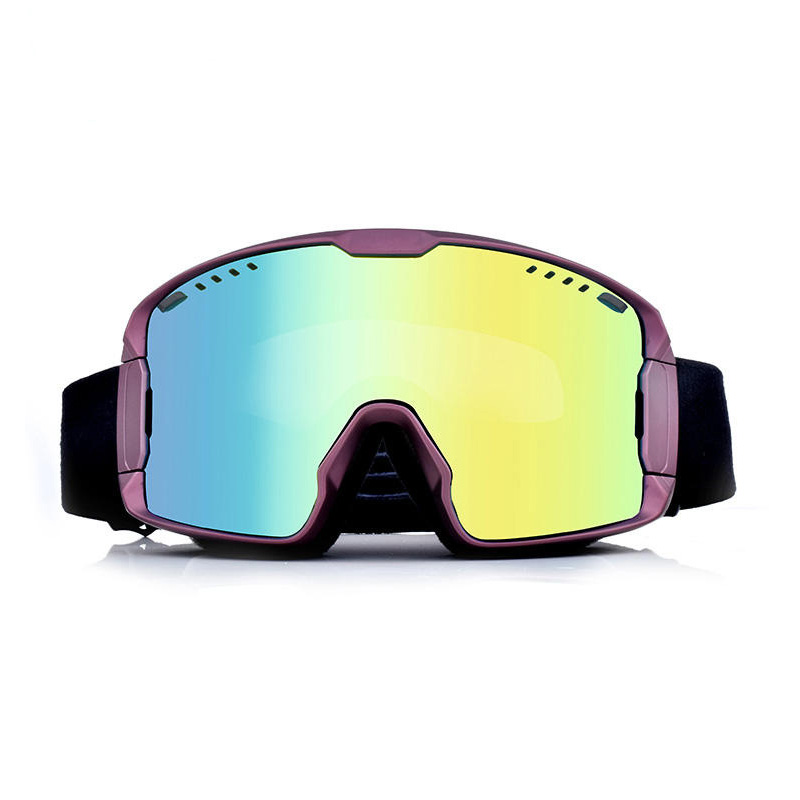
Ski gear takes a lot of punishment. Skis run over hard snow and ice, boots get wet from snow and sweat, goggles collect moisture, and jackets and gloves are exposed to snow, dirt, and wind all day.
The good news is that maintaining ski gear does not have to be complicated. You do not need to tune your skis after every trip or wash your jacket after every day on the mountain. The key is knowing what needs attention, how often it needs it, and when a problem requires professional service.
A simple routine can help your gear perform better and last longer: dry everything after skiing, inspect equipment regularly, maintain skis when their condition calls for it, and prepare everything properly for the off-season.
Part 1. Start With a Simple After-Ski Routine
The most useful ski maintenance happens immediately after you leave the mountain. A few minutes of care can prevent moisture, rust, odors, and unnecessary wear.
Dry before you store
Water is ski gear’s worst enemy. After skiing, clear snow from your skis and wipe metal edges dry—trapped moisture leads to rust. Never leave wet skis sealed in a ski bag overnight.
Same rule for other gear: remove wet gloves, socks, and clothing from your bag and let them dry completely. Ski boots need extra care—open buckles, let them air out, and remove liners if possible for faster drying. Avoid placing boots near radiators, fireplaces, or strong heat sources—excessive heat can warp liners and damage materials.
Give your gear a quick inspection
You do not need a detailed inspection after every run. A quick check at the end of the day is enough to catch obvious problems.
Look for:
- Deep scratches in the ski base
- Damaged or rusty edges
- Loose or damaged hardware
- Cracks in the boot shell
- Torn clothing
- Damaged zippers
- Scratches or damage to goggle lenses
If you find a serious problem, deal with it before your next ski day rather than putting the gear back into storage.
Keep goggles dry and protected
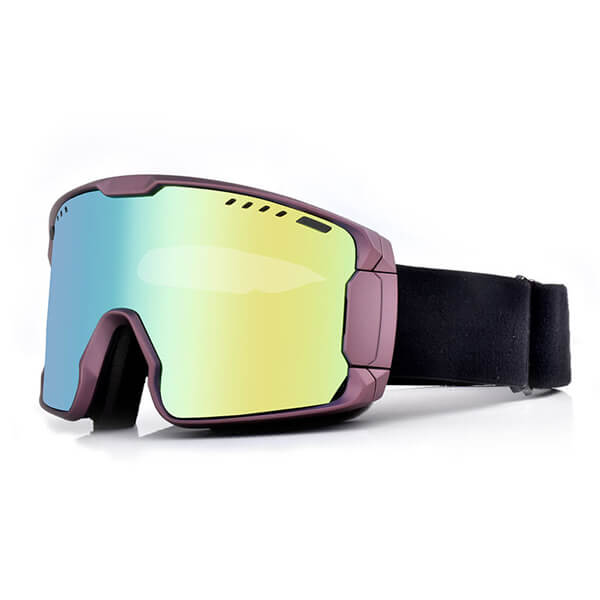
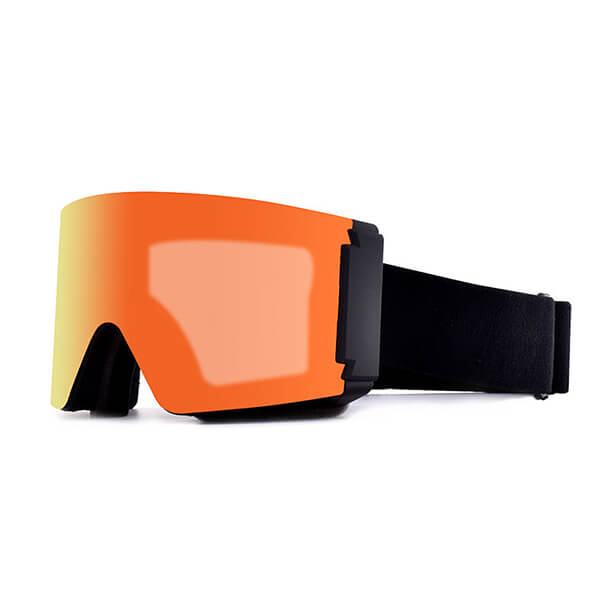
Ski goggles need a gentler approach than many people expect. If the lenses are wet, let them dry naturally when possible. Avoid aggressively wiping the inside of the lens, especially when it has an anti-fog coating.
Once the goggles are dry, keep them in their protective bag or case. Do not throw them loose into a ski bag where they can be scratched by tools, buckles, or other equipment.
Part 2. Ski Maintenance: Wax, Edges and Base Condition
Your skis do not need the same maintenance after every trip. Instead, learn to recognize the signs that your base, wax, and edges need attention.
Look at the base before reaching for the wax
Waxing helps skis glide smoothly and protects the base from drying out, but there is no fixed schedule that works for every skier. How often you need to wax depends on how often you ski, snow conditions, and base condition.
Signs that your skis may need waxing include:
- The base looks gray or whitish, particularly along the edges.
- Your skis feel slower than usual.
- You notice more friction on flatter sections.
- The base looks dry.
- Your skis have been used heavily in hard or abrasive conditions.
If the skis still glide well and the base looks healthy, there may be no reason to wax simply because a certain number of days has passed.
Waxing at home can be practical
Regular skiers may find that waxing at home saves both time and money. A basic hot-wax setup usually includes a ski-specific iron, appropriate wax, a scraper, brush, and a way to hold the skis securely.
The basic process is:
Clean the base → apply the appropriate wax → let it cool → scrape → brush.
Use wax appropriate for the expected snow temperature and follow the manufacturer’s instructions. Do not overheat the wax or the ski base.
If you are new to hot waxing, learning from an experienced skier or ski technician is worthwhile. Poor technique can damage the base or produce an uneven finish.
Hard snow puts more emphasis on edges
Wax affects glide, while edges are critical for grip.
This becomes especially noticeable on hard-packed or icy snow. If your skis no longer hold an edge as confidently as they used to, the edges may need attention.
Look for:
- Dull edges
- Visible rust
- Nicks from rocks or hard objects
- Reduced grip on firm snow
- Uneven or damaged edges
Basic edge maintenance is possible at home with the right tools, but aggressive filing can remove more material than necessary. Beginners should consider having a ski shop demonstrate proper technique before attempting more advanced tuning.
Not every scratch requires a repair
Minor scratches are normal. Skis encounter rocks, thin snow, ice, and other hazards during a season. A shallow scratch that does not affect the ski’s structure may not require immediate professional repair. Deeper damage is different.
If a scratch reaches the core, comes close to the edge, or leaves a significant section of the base damaged, have it assessed by a ski technician. Trying to repair major base or edge damage without the right tools and experience can make the problem worse.
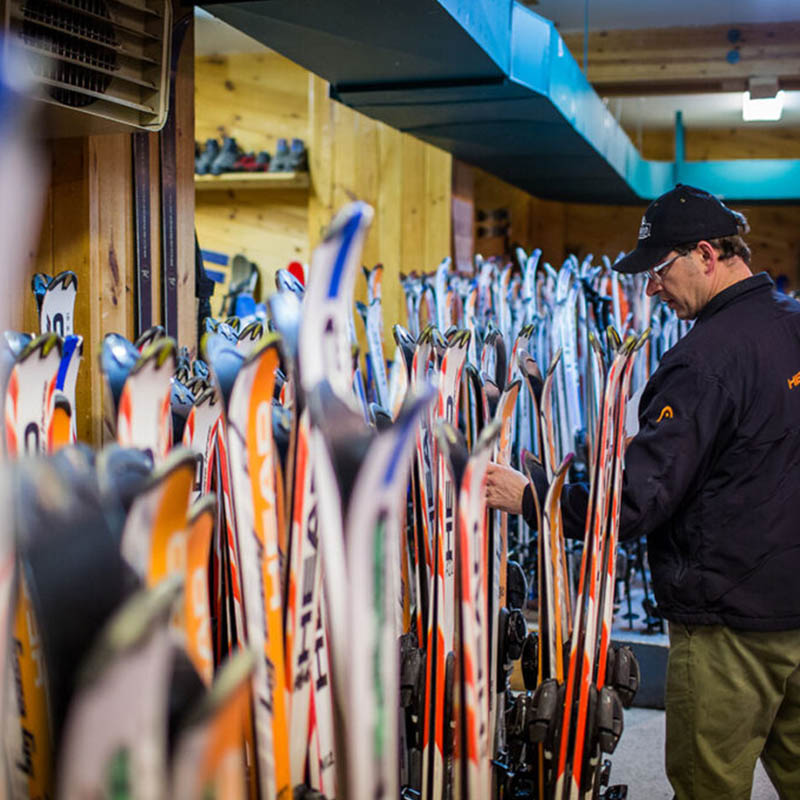
Part 3. Boots, Goggles and Clothing Need Different Care
Not every piece of ski gear should be maintained in the same way. Skis need waxing and tuning, while boots, goggles, and clothing are more vulnerable to moisture, heat, and incorrect cleaning.
Boots: moisture is the main enemy
Ski boots can stay damp inside even when the outer shell feels dry. After skiing, open the buckles and let them dry in a well-ventilated area. Remove the liners and footbeds when possible to release trapped moisture. A boot dryer can help, but avoid excessive heat.
For long-term storage, keep boots in a cool, dry place and lightly fasten the buckles to help maintain their shape. If they develop an odor, dry them thoroughly before using any deodorizer, and follow the manufacturer’s instructions before washing the liners.
Goggles: clean less and protect more
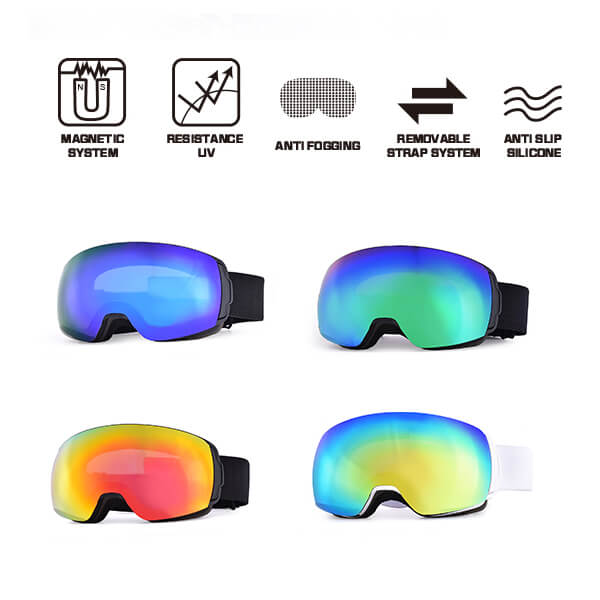
Goggle lenses are surprisingly easy to damage through over-cleaning. The outer lens can generally be cleaned carefully with a suitable microfiber cloth. The inside lens requires more caution because many ski goggles use an anti-fog coating.
Avoid:
- Paper towels
- Household glass cleaners
- Abrasive cloths
- Scrubbing the inner lens
- Excessive rubbing when the lens is wet
If snow or moisture gets on the inside, allow it to dry naturally when possible. A small amount of caution can make a major difference because a damaged anti-fog coating is not something you can easily restore at home.
Tip for Ski Gear Buyers
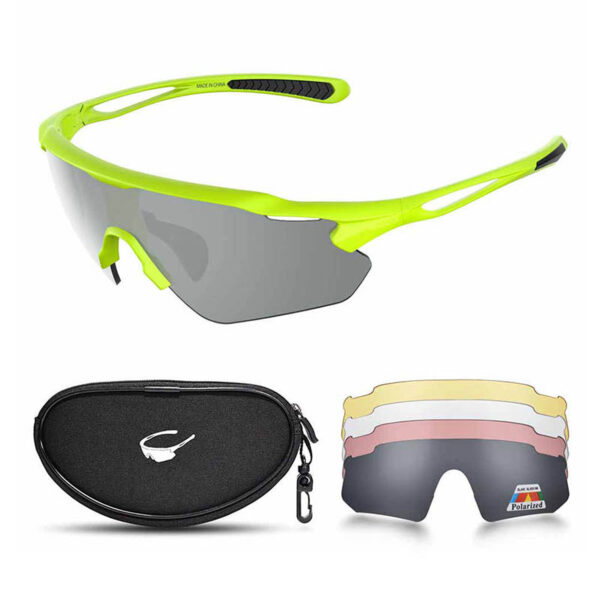
For retailers, distributors, and ski brands, choosing ski goggles is not only about design and price. Lens performance, durability, maintenance requirements, and supplier capabilities can all affect the long-term value of a product.
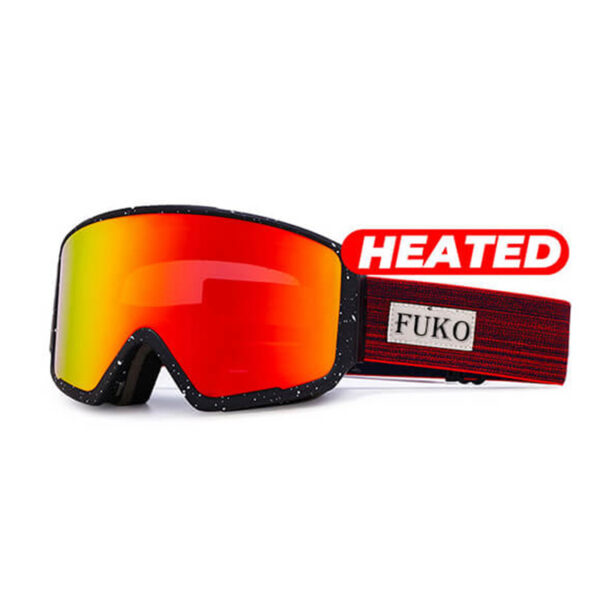
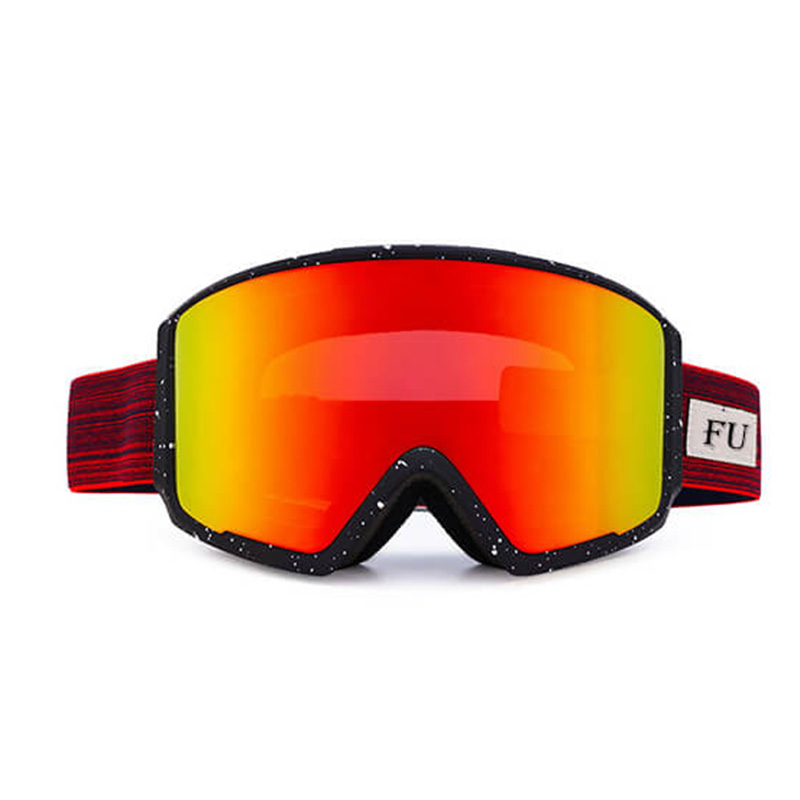
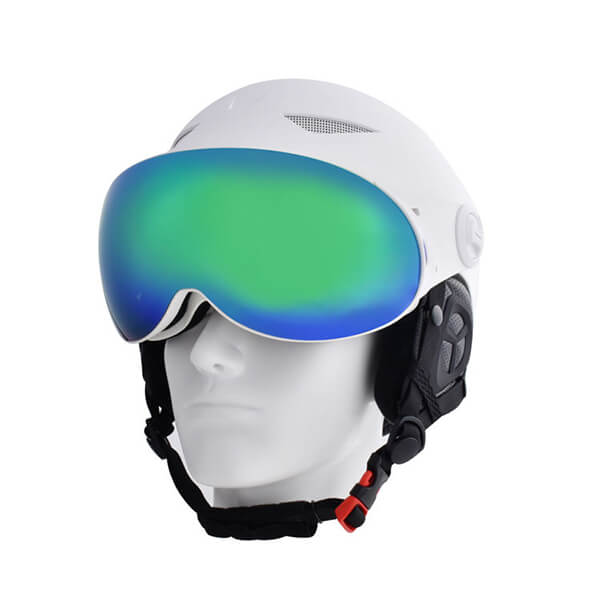
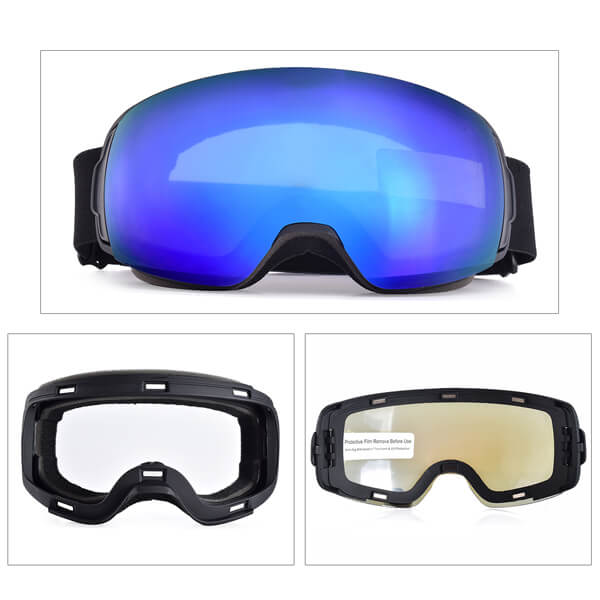
Look for suppliers that can support requirements such as anti-fog and UV-protective lenses, different lens options, customization, and consistent manufacturing quality. Fukosports provides ski and sports eyewear manufacturing solutions for businesses evaluating ski goggle products and sourcing options.
Outerwear: cleaning is part of waterproofing

Ski jackets and pants need proper care to maintain their water resistance. Always check the care label first, as technical fabrics may have specific washing requirements.
Use a suitable detergent and avoid fabric softener, which can affect the performance of waterproof-breathable materials. Over time, the DWR (durable water repellent) finish may also wear off, causing water to soak into the outer fabric instead of beading up.
Proper cleaning can help maintain performance, while some DWR treatments can be reactivated or reapplied when needed. Keep in mind that DWR is not the same as waterproofing—it helps water roll off the surface, while the waterproof membrane or coating provides the main barrier against moisture.
Part 4. End-of-Season Storage Is Where Good Maintenance Pays Off
The end of the ski season is the best time to give your equipment a more thorough inspection. You may not use your gear for several months, so storing it while wet, dirty, or damaged can turn a small problem into a bigger one by next winter.
Clean and dry everything first
Before putting gear away for the summer:
- Remove snow, dirt, and salt residue.
- Dry skis completely.
- Dry boots and liners.
- Wash clothing according to the care label.
- Allow gloves to dry fully.
- Dry goggles before putting them into their case.
Never store damp equipment for months.
Give your skis some extra protection
Inspect the ski bases and edges before storage. If your skis need a tune or repair, the end of the season is a convenient time to handle it. You can then start the next season with equipment that is already ready to go.
Many skiers also use storage wax before putting skis away for the summer. A thicker layer of appropriate wax can help protect the base and edges during long-term storage. If you use storage wax, follow the wax manufacturer’s instructions. Depending on the product and storage method, the wax may be left on the base until the beginning of the next season, when it can be scraped and brushed.
Store skis somewhere dry
A dry indoor environment is generally preferable to a damp basement or poorly ventilated garage. Humidity is particularly important because it can contribute to rust on metal edges and create problems for other equipment.
Avoid storing skis where they will be exposed to:
- Excessive heat
- Direct sunlight
- Persistent moisture
- Major temperature fluctuations
You do not need a special climate-controlled room. A reasonably dry, stable indoor space is usually enough.
Prepare boots for several months of storage
Make sure the liners, footbeds, and shells are completely dry before storage. Do not leave boots inside a closed ski bag for the entire summer. Give them room to breathe and keep them away from high heat.
A cool closet or another dry indoor storage area is generally a better choice than a hot vehicle, attic, or damp garage.
Protect goggles and clothing
Once your goggles are completely dry, store them in their protective pouch or case.
Wash and completely dry ski jackets, pants, and gloves before putting them away. Leaving sweat, dirt, or moisture in clothing for months can lead to unpleasant odors and material problems. Avoid unnecessary compression of technical clothing during long-term storage.
Part 5. How Much Ski Gear Maintenance Do You Actually Need?
One of the most common questions among skiers is not simply “How do I maintain my gear?” but “How often do I really need to do it?”. The answer depends on how often you ski, where you ski, and how your equipment is performing.
| Skier | Typical maintenance needs |
| Occasional beginner | Dry gear after every trip; wax and tune when performance or condition calls for it |
| 10–20 ski days per season | Regular base and edge inspections; periodic waxing and tuning |
| Frequent skier | More frequent waxing and edge maintenance |
| Hardpack/icy snow skier | Pay particular attention to edge condition |
| Powder-focused skier | Monitor base condition, waxing, and moisture just as carefully |
Think of these as guidelines rather than strict rules.
Use condition, not just the calendar
A maintenance schedule based only on ski days can be misleading. Instead, combine three factors: How much you ski + where you ski + what your gear is telling you.
For example, a skier who spends a week on abrasive hardpack may need attention sooner than someone who spends the same number of days on softer snow. Similarly, a ski that has hit rocks may need repair immediately even if it was tuned only a few days ago.
DIY Ski Maintenance vs. Professional Service
Not every maintenance task needs a ski shop. Learning a few basic skills can save money and help you keep your equipment in good condition. However, some jobs are better left to professionals.
| Maintenance task | DIY | Professional service |
| Drying and cleaning | ✓ | |
| Basic ski waxing | ✓ | Optional |
| Basic edge maintenance | ✓ | Optional |
| Minor rust removal | ✓ | Optional |
| Deep base scratches | ✓ | |
| Major P-Tex repair | ✓ | |
| Base grinding | ✓ | |
| Binding adjustment/service | ✓ | |
| Serious ski damage | ✓ |
Occasional skiers can rely on seasonal pro tunes. Frequent skiers can learn DIY waxing and edging. But know your limits: errors on the base are minor, errors on bindings are safety hazards.
Part 6. FAQs About Maintaining Ski Gear
Q1: Should I wax my skis before storing them for the summer?
Many skiers use storage wax to protect the base and edges during the off-season. The process can be particularly useful when skis will sit unused for several months. Follow the wax manufacturer’s instructions and store the skis in a dry environment.
Q2: How should I store ski boots between seasons?
Dry the shells, liners, and footbeds completely before storage. Keep the boots in a cool, dry, well-ventilated area away from direct sunlight and intense heat. Follow the manufacturer’s recommendations for buckle position and liner storage.
Q3: Can I dry ski boots with a heater?
Avoid placing ski boots directly against a radiator, fireplace, or other high-heat source. Excessive heat can damage materials and affect the shape of the boots or liners. A suitable boot dryer or gentle airflow is generally safer when used according to the manufacturer’s instructions.
Q4: How do I clean ski goggles without damaging the anti-fog coating?
Avoid aggressive rubbing, paper towels, household glass cleaners, and abrasive materials. Use the manufacturer’s recommended cleaning method and a suitable microfiber cloth. Be particularly careful with the inside of the lens, where the anti-fog coating can be damaged.
Q5: How do I know if my skis need a professional tune?
Deep base scratches, core damage, severely damaged edges, persistent performance problems, or binding concerns are good reasons to seek professional service. If you are inexperienced with edge tuning or base repair, professional service can also help prevent accidental damage.
Final Thoughts
Good ski gear maintenance is about doing the right things at the right time. Dry your gear after every ski day, check your skis regularly, protect boots and goggles from improper care, and follow the manufacturer’s instructions for technical clothing.
Before the season ends, give your equipment a thorough inspection and prepare it for long-term storage. Your maintenance routine should also reflect how often and where you ski. With a simple cycle of drying, inspecting, maintaining, and storing your gear properly, you can keep your ski equipment performing well for many seasons.