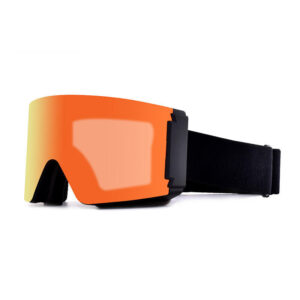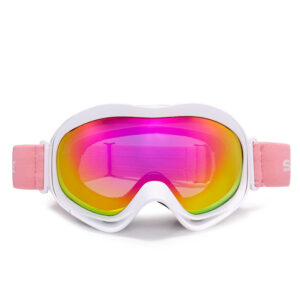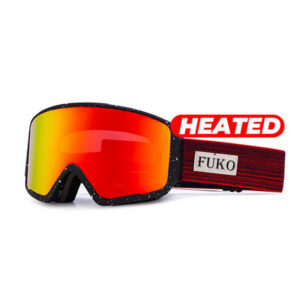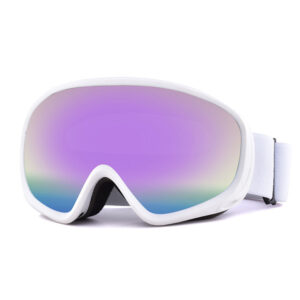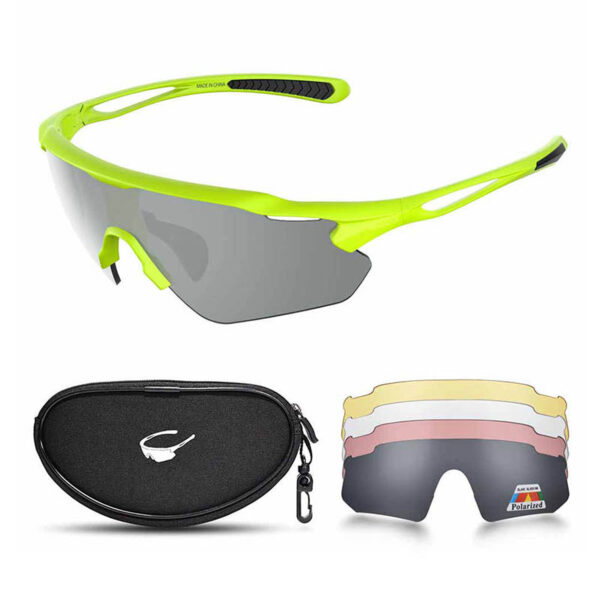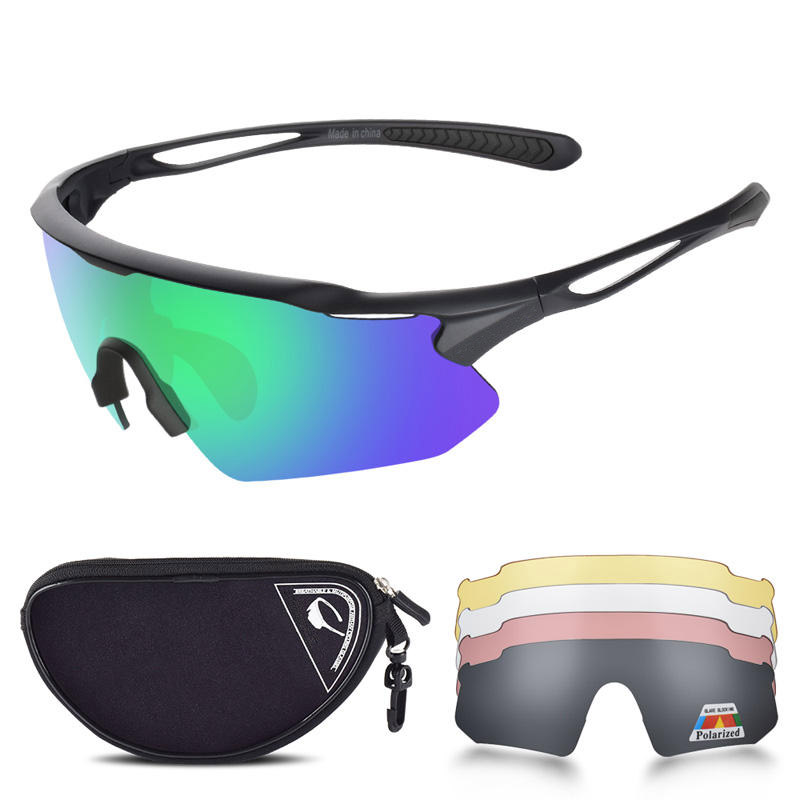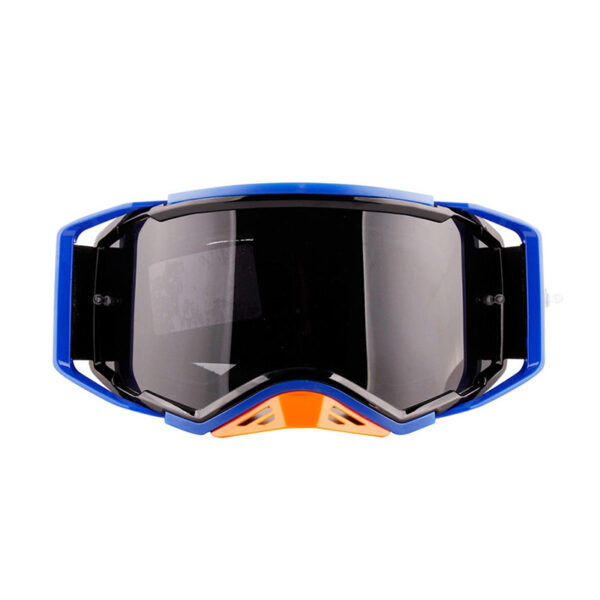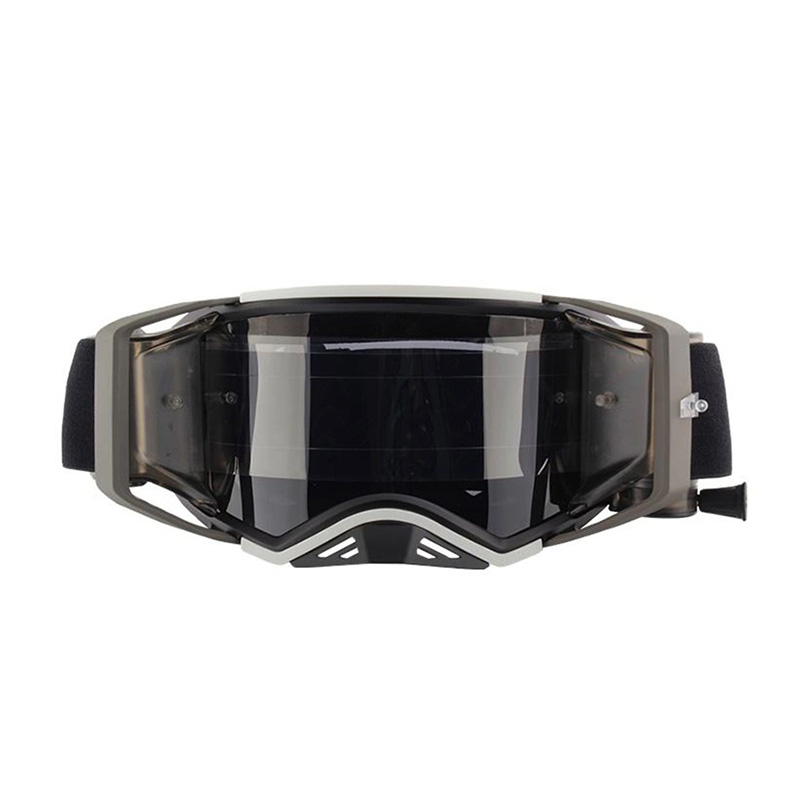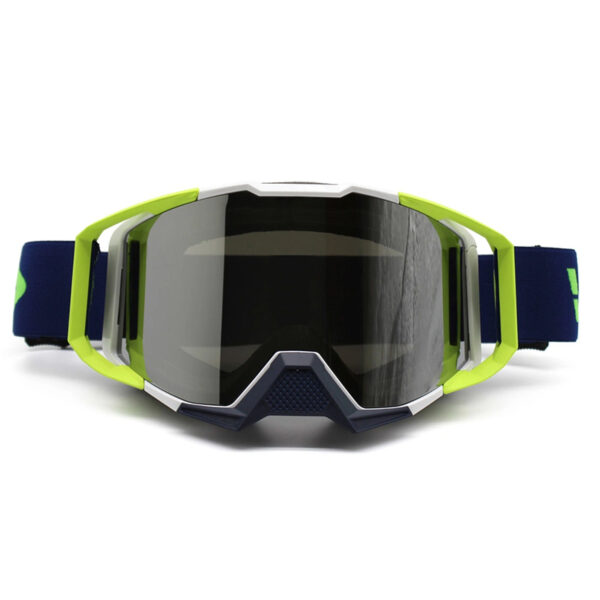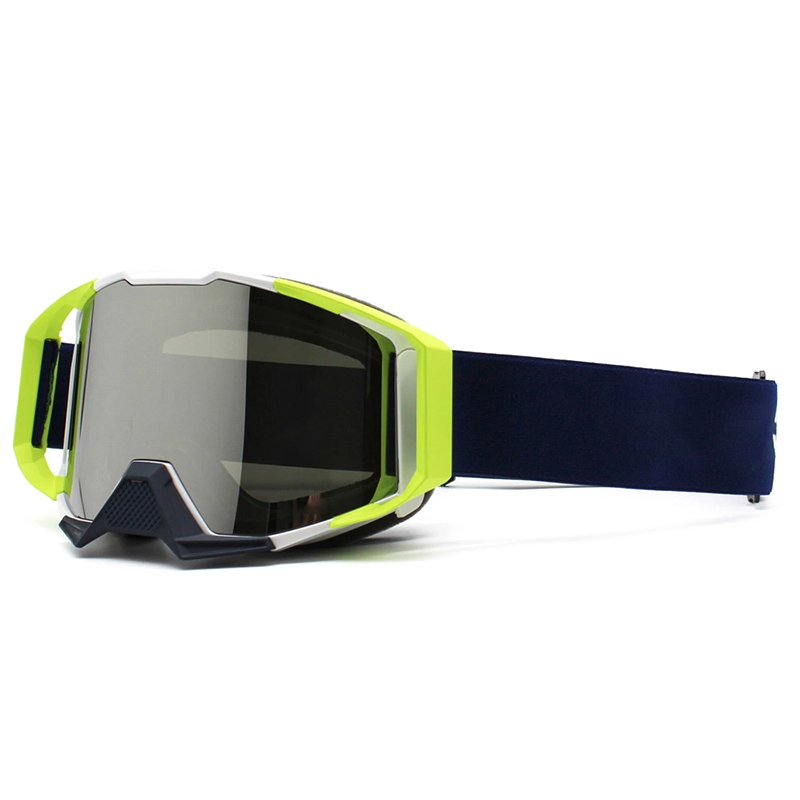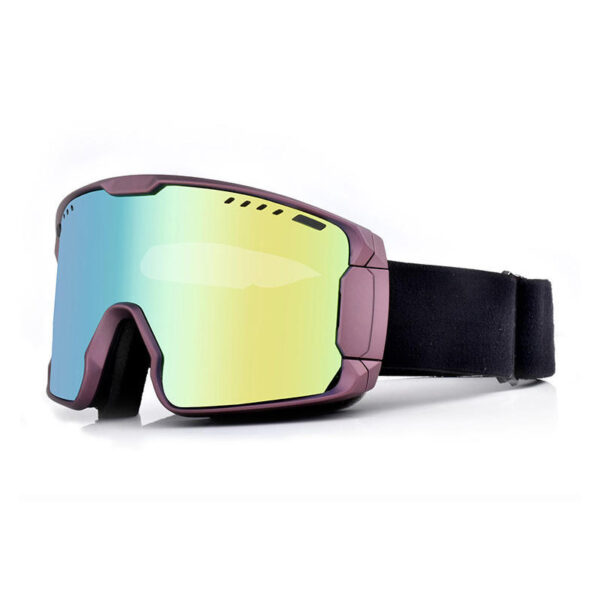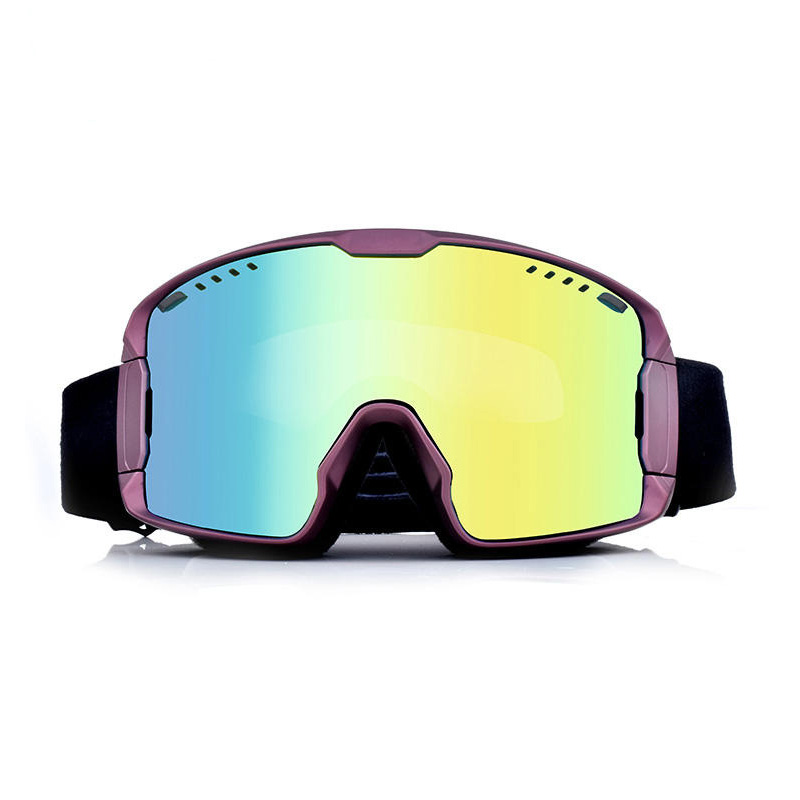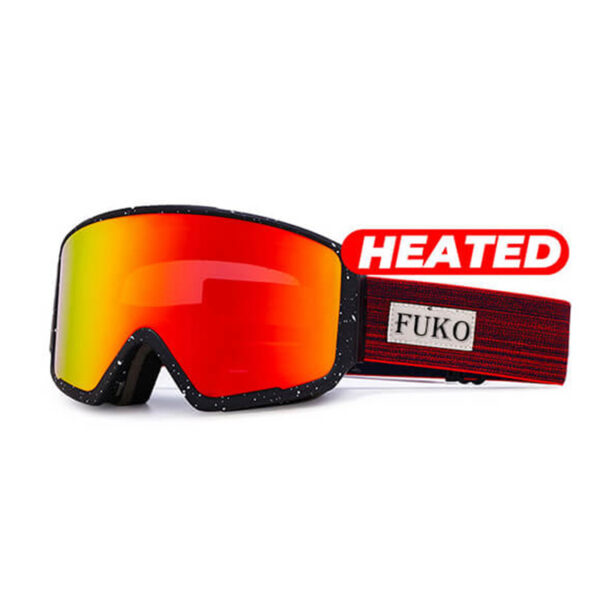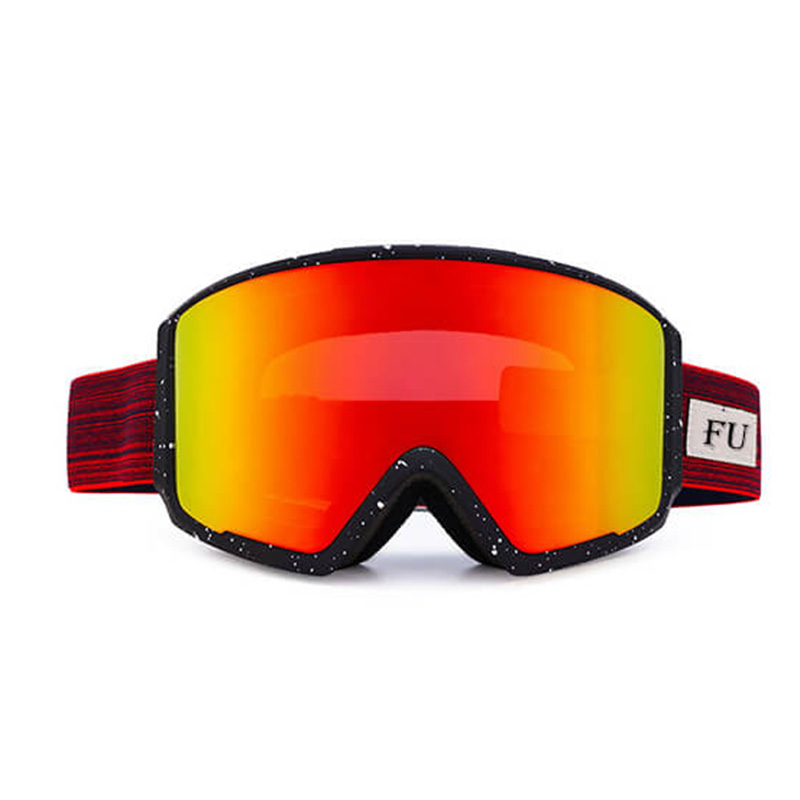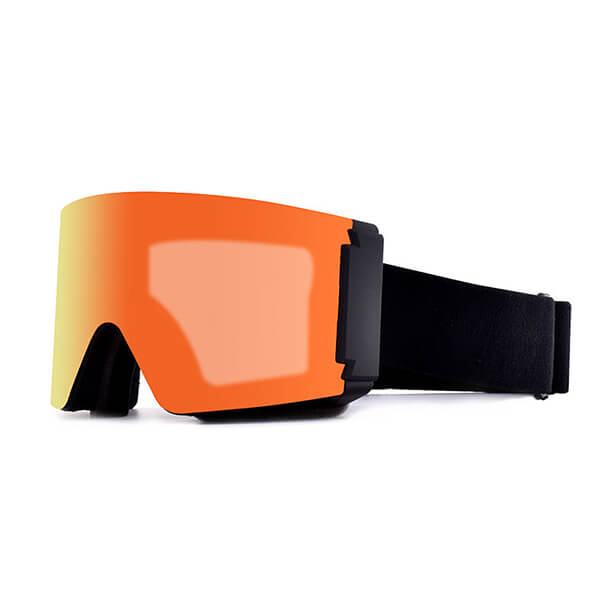
Cheap vs. expensive ski goggles can be a confusing comparison. A $30 pair may look similar to a $200 pair on the shelf. Both protect your eyes from snow, wind, and UV rays. So why pay more?
The answer is usually not the frame. The biggest differences are in the lens quality, anti-fog performance, field of view, low-light visibility, comfort, and lens-changing systems.
But expensive does not automatically mean better for everyone.
If you ski a few days a year, a good budget pair may be all you need. If you ski frequently or often deal with flat light, snowfall, and changing conditions, premium goggles can be worth the extra cost.
This guide breaks down the real differences between cheap and expensive ski goggles and helps you decide how much you should spend.
Part 1. Cheap vs. Expensive Ski Goggles: What’s the Difference?
The main difference is the level of optical and practical performance you get.
| Feature | Budget Goggles | Premium Goggles |
| Basic eye protection | ✓ | ✓ |
| UV protection | Usually | Usually |
| Lens clarity | Good | Excellent |
| Anti-fog performance | Basic to good | Usually better |
| Field of view | Smaller to moderate | Usually wider |
| Low-light visibility | Depends on lens | More advanced options |
| Lens changing | Basic or none | Often quick and magnetic |
| Comfort | Good | Usually better |
| Durability | Varies | Often better |
| Lens technology | Basic | More advanced |
| Price | ~$20–80 | ~$100–300+ |
These are general differences, not hard rules. A well-designed $60 goggle can outperform a poorly designed $150 one. The important question is therefore not simply “How expensive are the goggles?” It is: Which features are you actually paying for?
1. Lens Quality: Where Premium Goggles Can Make a Difference
The lens is probably the biggest reason to spend more. Budget goggles can provide clear vision in good conditions. But premium lenses often do a better job of improving contrast, detail, and depth perception. This matters most when the light is difficult.
On a bright, sunny day, the difference between a $50 and $200 goggle may not feel dramatic. On a cloudy day or in flat light, however, better contrast can make changes in the snow surface easier to see. That can help you spot bumps, dips, icy patches, terrain changes, shadows, and uneven snow.
For casual skiing on sunny days, you may not need the most advanced lens technology. For frequent skiing in changing conditions, it can be one of the better reasons to upgrade.
2. Anti-Fog Performance: Is It Better on Expensive Goggles?
This is one of the most common reasons skiers replace cheap goggles. A pair of goggles can have a great-looking lens, but if it fogs up after a few runs, the optical quality does not matter much.
Premium goggles often combine several features to improve ventilation and fog resistance, including:
- better airflow
- larger ventilation channels
- improved lens construction
- anti-fog coatings
- better sealing around the face
However, price alone does not prevent fogging. Fit and ventilation matter too. If the goggles do not fit your face correctly, warm air and moisture can build up inside. Wearing a helmet that blocks the vents can also affect airflow.
So instead of asking: “Are expensive goggles fog-proof?” A better question is: “Does this goggle have good ventilation, anti-fog treatment, and a fit that works for my face?”
3. Field of View
Premium ski goggles often use larger lenses and frameless or low-profile designs. This can give you a wider field of view. A wider FOV is useful when:
- skiing in trees
- riding in crowded areas
- skiing aggressively
- looking for terrain changes
- using peripheral vision to monitor other skiers
The difference may not matter much to a beginner skiing slowly on groomed runs. But experienced skiers may notice it more.
4. Flat Light and Stormy Conditions
This is where the difference between budget and premium goggles can become more noticeable. Flat light makes the snow look almost featureless. Shadows disappear, contrast drops, and it becomes harder to judge terrain. A good low-light lens can improve contrast and make the surface easier to read. This is also why some experienced skiers prefer having more than one lens.
For example:
- Darker lens → sunny conditions
- Medium lens → partly cloudy conditions
- High-VLT lens → cloudy, snowy, or low-light conditions
A $200 goggle with one lens is not automatically better than a $100 goggle with two useful lenses. For many skiers, lens versatility can be more valuable than the price tag.
5. Interchangeable and Magnetic Lenses
This is another feature that often appears on more expensive goggles. Some premium models use magnetic or quick-change systems that allow you to swap lenses within seconds. That can be useful if the weather changes during the day.
Imagine starting your morning in bright sunshine and ending the afternoon in heavy snowfall.
Instead of using one compromise lens all day, you can switch to a lens designed for lower light. For occasional skiers, this feature may not justify an extra $100. For frequent skiers, it can be a significant convenience.
6. Comfort and Fit
You wear ski goggles for hours at a time. That makes comfort more important than it may initially seem. More expensive goggles often offer:
- better face foam
- improved frame design
- lighter construction
- better helmet compatibility
- more precise fit
- reduced pressure around the nose
But again, expensive does not automatically mean comfortable. Fit is personal. A $60 goggle that fits your face perfectly can be more comfortable than a $250 goggle that does not. If possible, try goggles on with your helmet before buying.
7. Durability
Premium goggles may use better materials and more robust construction. This can matter if you ski frequently. For someone skiing three days a year, a $200 goggle may take a long time to justify its price. For someone skiing 30 or 40 days every season, better durability can become much more valuable. This is one reason to think about cost per day, rather than just the purchase price.
A $50 goggle used five times costs $10 per ski day. A $150 goggle used for 50 days costs $3 per ski day. The more you use your gear, the easier it is to justify spending more.
8. Durability and Manufacturing Quality
A ski goggle needs to withstand cold temperatures, impacts, transportation, lens changes, and repeated cleaning. Manufacturing quality can affect:
- Lens durability
- Frame strength
- Foam attachment
- Coating consistency
- Strap construction
- Lens-frame connection
- Long-term optical performance
For someone who skis only a few days each year, durability may not justify a major price increase. For a skier who spends 30 or more days on the mountain every season, it can be a much more important consideration.
Tip: If you are sourcing ski goggles for your own brand, don’t overlook manufacturing quality. A reliable sports eyewear manufacturer should have strong control over materials, lens processing, assembly, and quality control. FukoSports provides OEM/ODM ski goggle solutions with customizable lenses, frames, colors, and designs, helping brands develop sports eyewear to their specific needs.
Part 2. How Much Should You Spend on Ski Goggles?
There is no universal price that everyone should pay. A practical way to think about the market is:
Under $50: Basic Protection
This range can work for:
- beginners
- occasional skiers
- sunny-weather skiing
- people on a tight budget
Look for proper UV protection, decent ventilation, and a good fit. Do not buy based on price alone.
$50–100: The Value Sweet Spot
For many recreational skiers, this is where the balance becomes attractive. You can often get:
- better optics
- better anti-fog performance
- comfortable foam
- decent ventilation
- interchangeable lenses on some models
If you ski several times a year, this is often a sensible starting point.
$100–150: More Premium Features
This is where you start seeing more advanced lens technology and convenience features. You may get:
- better contrast
- wider field of view
- better low-light performance
- magnetic lens systems
- multiple lens options
- improved comfort
For regular skiers, this can be a strong middle ground.
$150–250+: Premium Territory
At this point, you are generally paying for a combination of:
- advanced optics
- premium lens technology
- excellent ventilation
- quick lens changes
- premium materials
- comfort
- brand and design
The improvements can be real, but they are usually less dramatic than the jump from a very cheap pair to a good mid-range pair. This is where diminishing returns become important.
$30 vs. $75 vs. $150 vs. $250 Goggles
So, what do you really get as the price goes up?
| Price | Best For | Main Advantage |
| $20–40 | Occasional beginners | Basic protection |
| $40–75 | Casual skiers | Better overall value |
| $75–150 | Regular skiers | Better optics + features |
| $150–250 | Frequent skiers | Premium optics + convenience |
| $250+ | Enthusiasts | Maximum features and premium experience |
The jump from $30 to $75 can be significant. The jump from $75 to $150 can also be worthwhile if you ski often. But the difference between $150 and $300 is usually much more dependent on your personal needs. This is why the most expensive goggles are not necessarily the best value.
Part 3. Are Expensive Ski Goggles Worth It?
Whether expensive ski goggles are worth it depends less on the price tag and more on how often you ski, the conditions you face, and which features actually matter to you.
Expensive goggles may be worth it if you:
- Ski frequently or spend long days on the mountain
- Often ski in changing or low-light conditions
- Want better contrast and visibility in flat light
- Need multiple lenses for different conditions
- Prefer fast, convenient lens changes
- Place a high value on comfort and fit
- Want a durable pair that can last for several seasons
A budget goggle may be enough if you:
- Only ski a few days each year
- Usually ski in clear, predictable weather
- Mostly stay on groomed runs
- Do not need interchangeable lenses or advanced optics
- Want to keep your overall gear costs down
For occasional skiers, a well-fitting budget goggle can provide everything they need. For frequent skiers, features such as better optics, lens versatility, comfort, and durability may make a higher-priced pair more useful over time. The key is to pay for the features you will actually use, rather than simply choosing the most expensive option.
Part 4. What Matters More: Price, Brand, or Lens Quality?
When choosing ski goggles, consider the following order:
- Lens quality
- Optical performance
- Anti-fog performance
- Fit
- Ventilation
- Lens tint and VLT
- Field of view
- Lens-changing system
- Comfort
- Durability
- Brand
Brand reputation can be useful, but it should not replace evaluating the actual product. For manufacturers, this is also where product engineering matters. A well-designed goggle depends on the interaction between the lens, coatings, frame, ventilation system, foam, strap, and manufacturing process. A premium lens cannot compensate for poor ventilation. Likewise, a strong frame cannot compensate for a lens that performs poorly in the conditions where it is used.
That is why working with an experienced manufacturer like FukoSports matters—not just for branding, but for engineering each component to work together reliably across real-world skiing conditions.
Part 5. How to Choose Ski Goggles Without Overpaying
The cheapest goggles aren’t always the best value, and you don’t necessarily need premium features either. Start with how and where you ski, then pay for the features that will actually make a difference.
How often you ski is a good starting point. If you only ski a few days a year, basic goggles with reliable optics, ventilation, and a comfortable fit may be all you need. If you ski for several weeks each season, better lens performance, comfort, and durability can justify spending more.
Think about the conditions you usually encounter. For mostly sunny days, a darker lens may be sufficient. If you often ski in snow or overcast weather, look for a higher-VLT or contrast-enhancing lens. If conditions change frequently, interchangeable or photochromic lenses can be more practical than buying multiple pairs.
Fogging and comfort also matter more than cosmetic features. If your goggles fog easily, prioritize good ventilation and anti-fog performance. For long days on the mountain, pay attention to fit, face foam, weight, and helmet compatibility.
Ultimately, the goal isn’t to find the most expensive goggles. It’s to identify the features you actually need and avoid paying extra for those you won’t use.
Part 6. FAQs about Cheap vs. Expensive Goggles
Q1: Are expensive ski goggles better than cheap ones?
Not always. Premium goggles usually offer better optics, anti-fog performance, comfort, and features, but a good mid-range goggle can provide excellent value.
Q2: Do expensive ski goggles prevent fogging?
They can reduce fogging through better ventilation, coatings, and lens construction. However, fit, airflow, and how you use the goggles also matter.
Q3: Are $50 ski goggles good enough?
Yes. A good $50 pair can be enough for occasional skiing, especially in good weather. Focus on fit, ventilation, UV protection, and lens quality.
Q4: Are $200 ski goggles worth it?
They can be worth it for frequent skiers who value premium optics, low-light performance, comfort, durability, and quick lens changes. For occasional skiers, the extra cost may not be necessary.
Q5: Do expensive goggles have better lenses?
Often, yes. Premium goggles may use more advanced lens technology that improves contrast, clarity, and performance in difficult lighting. But price is not a guarantee of better optics.
Q6: What is more important: ski goggle brand or lens quality?
Lens quality is generally more important. A well-designed lens that suits your typical skiing conditions can matter more than the logo on the frame.
Conclusion
So, are expensive ski goggles worth it? Sometimes. Premium goggles can offer better optics, anti-fog performance, comfort, and versatility, but you do not always need to spend $200–300. For many recreational skiers, $50–150 offers a good balance of price and performance.
The best goggles are the ones that match your needs and conditions. For brands looking for reliable, customizable ski goggles, FukoSports offers OEM/ODM sports eyewear solutions.