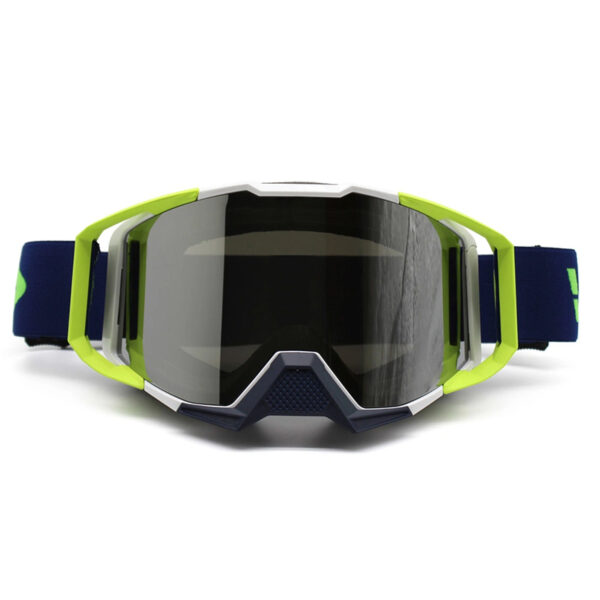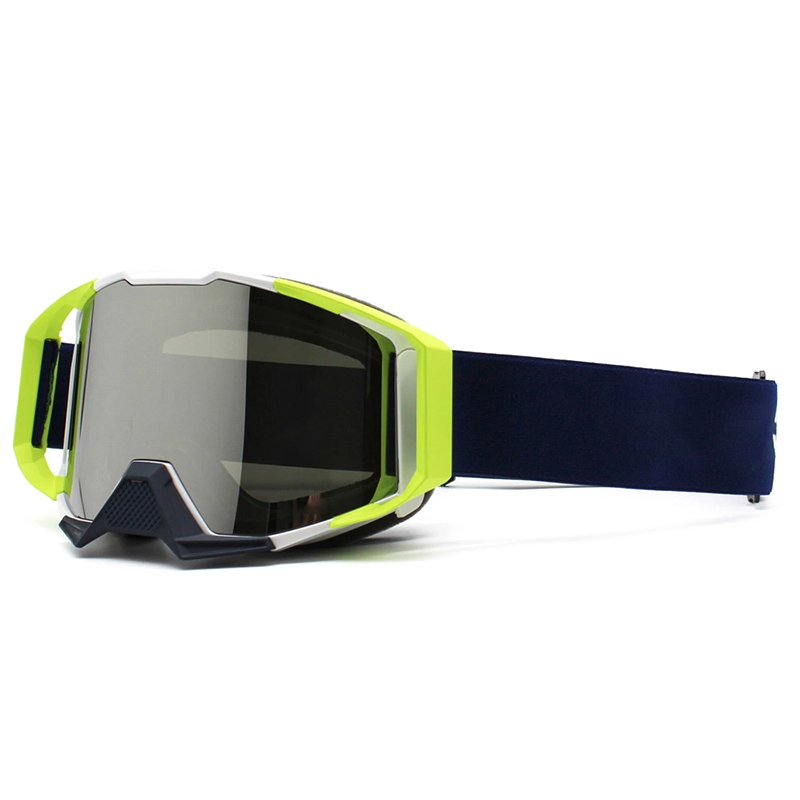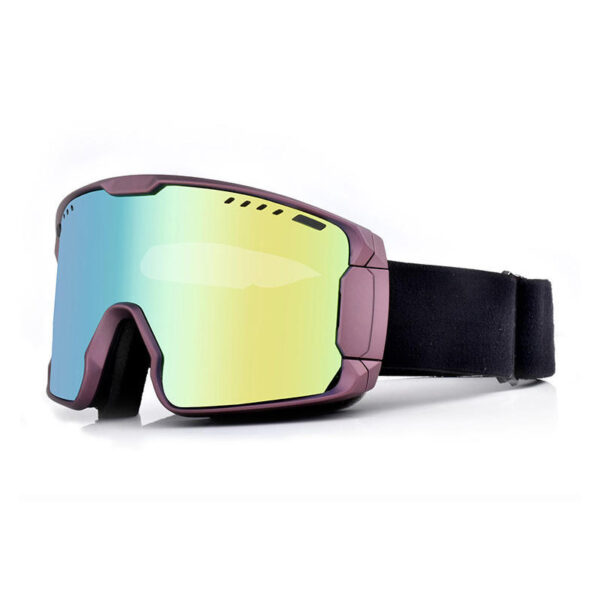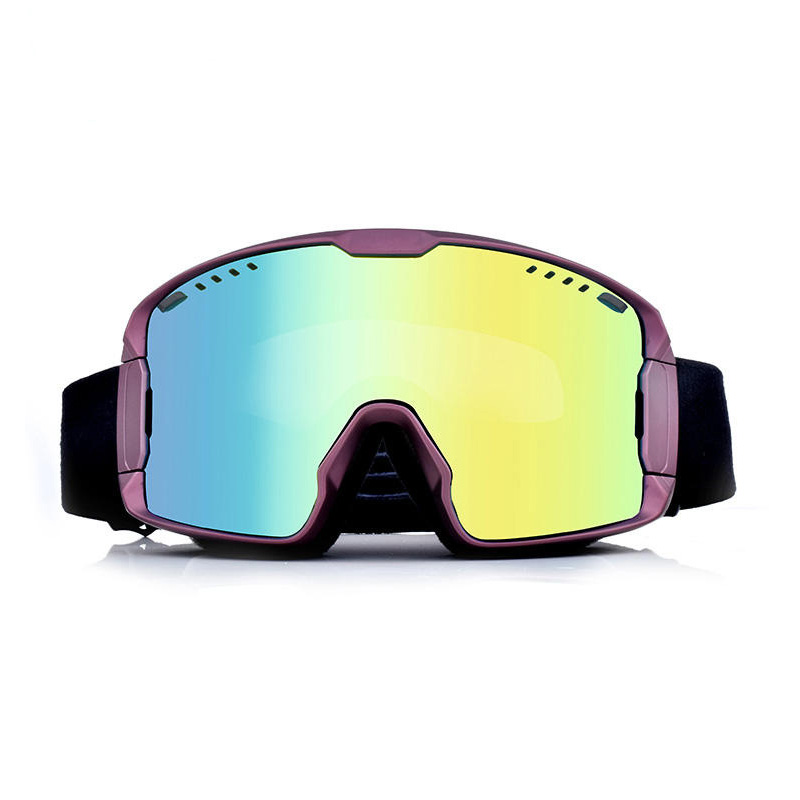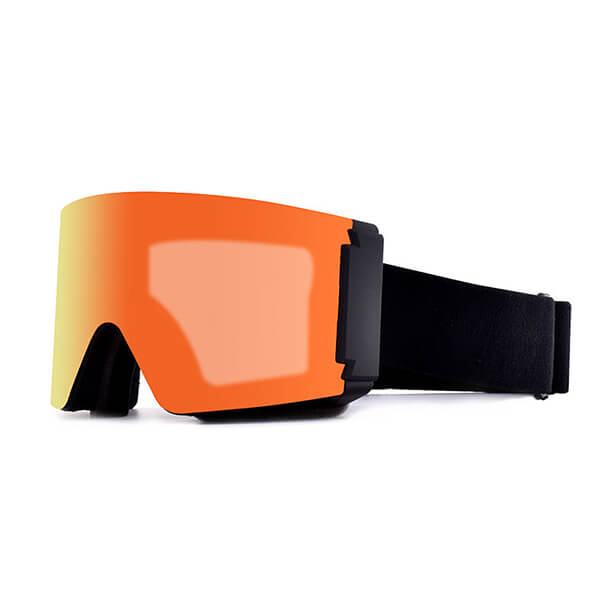
A sunny ski day can make almost any decent goggle lens look good. The problem starts when the sky turns gray, snow begins to fall, and the terrain loses definition. Bumps, dips, shadows, and slope changes can become hard to see even when visibility seems acceptable.
That is where snow and overcast goggles come in. More specifically, skiers often look for goggles with a high-VLT, low-light, or storm lens designed for cloudy and snowy conditions.
But do you actually need a dedicated pair? Not necessarily. In many cases, a more practical solution is an interchangeable goggle system, with a low-light lens ready for days when your regular lens gets too dark.
Part 1. Why Are Snow and Overcast Conditions So Hard to See In?
The biggest problem on a cloudy or snowy day is not always how far you can see. It is how clearly you can see the shape of the terrain.
On a bright day, sunlight creates shadows and highlights across the snow. These changes in brightness make bumps, moguls, ridges, and slope changes easier to identify. When the sky becomes heavily overcast, that contrast can disappear. The snow surface may look almost uniform, making the terrain feel flat.
Fresh snowfall can make things even harder. Falling snow, clouds, and reflected light reduce the amount of useful light reaching your eyes. In heavy storms, visibility can drop so much that even a good low-light lens cannot restore terrain definition.
This is why a lens that works well in the sun may suddenly feel too dark in poor weather. If you are using a medium or dark tint, less light reaches your eyes when natural light is already limited.
The result is often familiar to skiers: you can see the slope ahead, but you cannot easily tell whether you are approaching a bump, dip, or shadow.
That is the main reason ski goggles for cloudy weather are designed differently from lenses intended for bright sunlight.
Part 2. Are Snow and Overcast Ski Goggles Worth It?
For skiers who regularly encounter cloudy, snowy, or flat-light conditions, snow and overcast ski goggles can be worth it. The key benefit is not that they make bad weather disappear. Instead, the right lens lets more available light reach your eyes and can make the terrain easier to read.
A useful way to think about it is this:
Sunny conditions → reduce excessive light
Overcast conditions → preserve as much useful light as possible
If your current goggles work well in bright conditions but become noticeably dark when clouds roll in, you already have a clear reason to consider a low-light lens.
However, buying another complete pair of goggles is not always necessary. An interchangeable lens system can give you a sunny lens and a low-light ski goggle lens for different conditions.
This setup is particularly useful if you ski in places where weather changes quickly. You can start the morning with a darker lens, then switch to a higher-VLT lens when clouds, snowfall, or fog reduce available light.
There is also an important limitation: a low-light lens is not a solution for every type of poor visibility. In a true whiteout or extremely heavy storm, the problem is simply a lack of visual information. A lighter lens may help you use available light more effectively, but it cannot create contrast that the environment does not provide.
So the value of snow and overcast goggles depends largely on how often you encounter these conditions and how much your current lens affects your ability to read the terrain.
Part 3. What VLT and Lens Color Should You Choose?
When choosing overcast ski goggles, start with VLT rather than choosing a lens color based only on appearance.
VLT stands for Visible Light Transmission. It indicates how much visible light passes through the lens. A higher VLT means more light reaches your eyes, making high-VLT lenses more suitable for cloudy, snowy, and low-light conditions.
| Skiing conditions | Approx. VLT | Typical lens choice |
| Bright sun/bluebird | Under 20–25% | Dark or mirrored lens |
| Mixed sun and clouds | 25–50% | Medium tint |
| Overcast/flat light | 40–60%+ | Light rose, pink, amber, or yellow |
| Heavy snow / very low light | 60%+ | High-VLT storm lens |
| Night skiing | 80–100% | Clear lens |
These ranges are general rather than universal. Manufacturers use different lens technologies and VLT categories, so always check the specifications of the specific lens.
What Color Ski Goggles Are Best for Overcast Weather?
There is no single best ski goggle lens color for cloudy days.
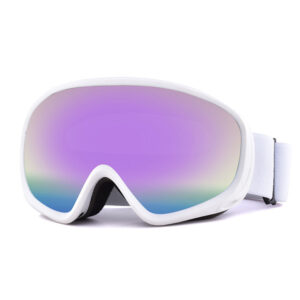
Rose, pink, amber, and yellow lenses are commonly used for low-light conditions because they can change how the eye perceives contrast and color. However, the actual result depends on the lens design, optical technology, VLT, and your own vision.
For example:
- Pink or rose: Commonly chosen for cloudy and flat-light skiing.
- Amber or orange: Often used as a versatile option for changing light.
- Yellow: Useful when conditions are particularly dull or dark.
- Clear: Better suited to very low light and night skiing.
The important point is that lens color and VLT solve slightly different problems. A yellow lens is not automatically better than a pink lens simply because it looks brighter. For poor-weather skiing, consider the lens’s VLT and the manufacturer’s intended conditions alongside its tint.
Part 4. Do You Need a Separate Low-Light or Storm Lens?
If you ski frequently, carrying a second lens can be more useful than owning a second pair of goggles.
A common setup is:
Dark/medium lens → sunny or mixed conditions
High-VLT lens → cloudy, snowy, or flat-light conditions
This gives you more flexibility without requiring another complete goggle frame.
A separate storm ski goggles setup can make sense for skiers who frequently deal with heavy snowfall, very low visibility, or long days on the mountain. Storm lenses generally prioritize light transmission, while some models also use lens technologies designed to improve perceived contrast.
For occasional skiers, however, a second lens may not be essential. If you mostly ski on sunny days and only occasionally encounter heavy clouds, a versatile lens with a relatively broad usable range may be enough.
Photochromic lenses are another option. They automatically change their tint as light conditions change, which can reduce the need to swap lenses. Their convenience comes with a trade-off: they may not provide the same specialized performance as carrying dedicated lenses for distinctly different conditions.
The decision ultimately comes down to your typical ski days rather than the number of lenses you own.
Part 5. How to Choose Ski Goggles for Snow and Overcast Weather
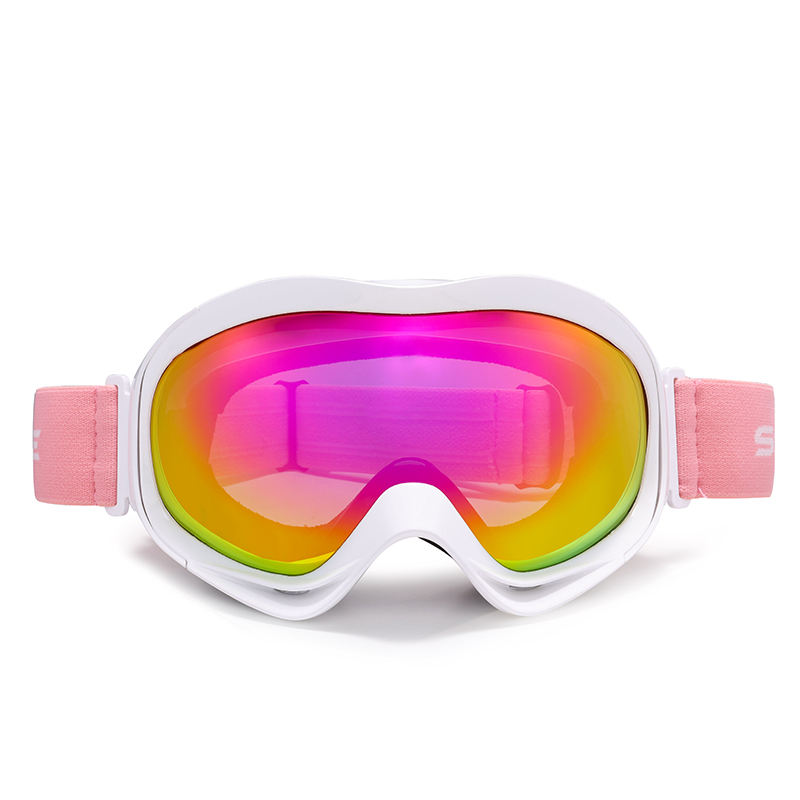
When shopping for ski goggles for snow, look beyond the lens color printed on the product page.
Check the VLT
For overcast and low-light skiing, look for a higher VLT than you would normally use on a sunny day. If you regularly ski during heavy snowfall or very dark conditions, a dedicated high-VLT storm lens may be more useful.
Consider contrast
Good visibility is about more than brightness. You need to distinguish the surface of the snow from the terrain underneath it.
Some manufacturers use specific lens technologies to target contrast in flat-light conditions. These technologies can be useful, but performance varies by lens and manufacturer. Do not assume that every high-VLT lens will provide the same terrain definition.
Match the lens to your typical weather
Think about where and when you ski. If most of your trips are bluebird days, a low-light lens may rarely leave your gear bag. If you regularly ski in areas with frequent snowfall or rapidly changing weather, having a dedicated flat-light ski goggles lens can be much more practical.
Don’t confuse fogging with flat light
Fogging and flat light can happen at the same time, but they are different problems.
Fogging occurs when moisture condenses on the lens and obstructs your view. Ventilation, anti-fog treatments, proper goggle fit, and keeping vents clear can help address it. Flat light occurs when the surrounding light provides too little contrast to clearly define the snow surface.
A better anti-fog system will not necessarily make bumps easier to see. Likewise, a high-VLT lens will not solve condensation on the inside of your goggles. Understanding which problem you are actually experiencing can prevent you from buying the wrong solution.
Tips: Think Beyond Lens Color When Choosing Sports Eyewear
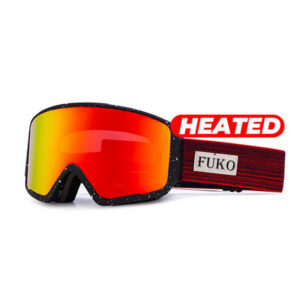
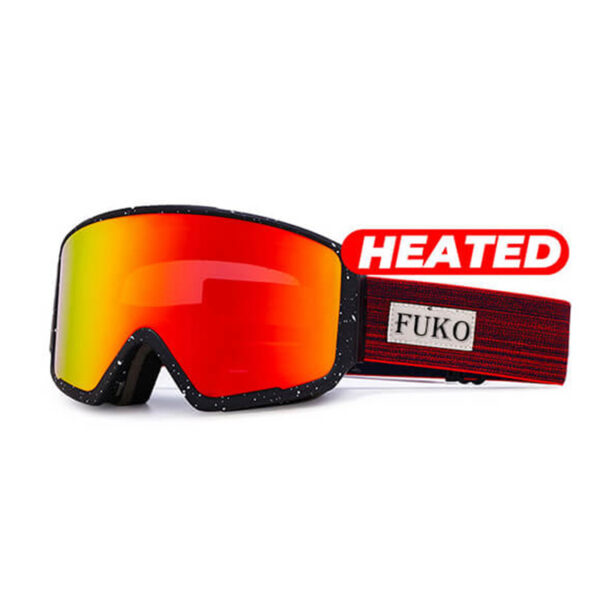
For brands developing or sourcing sports eyewear, low-light performance is not just about choosing a pink, yellow, or amber lens. VLT, lens tint, ventilation, interchangeable lens systems, OTG compatibility, and even electrothermal technology can all be considered when designing goggles for different weather conditions.
FukoSports is a China-based sports eyewear manufacturer with 9+ years of experience in custom ski goggles, sport sunglasses, motocross goggles, and ski helmets. Its capabilities include interchangeable and ventilated ski goggles as well as electrothermal OTG heated ski goggles, allowing brands to develop eyewear for different visibility and weather needs.
Whether the goal is a high-VLT storm lens, an interchangeable two-lens system, or a heated OTG design, these features can be tailored around how and where the eyewear will be used.
Part 6. FAQs About Snow and Overcast Ski Goggles
Q1: Can ski goggles help you see bumps in flat light?
They can help, but they cannot eliminate the problem. Flat light reduces the shadows and highlights that reveal bumps, dips, and terrain changes. A low-light lens may make these features easier to distinguish, but severe conditions can still limit visibility.
Q2: Are low-light ski goggles useful for powder days?
Yes, especially when fresh snow comes with clouds or snowfall. However, snow and moisture can also increase fogging, so keeping vents clear and maintaining airflow is just as important as choosing the right low-light ski goggle lens.
Q3: Do photochromic ski goggles work well in changing weather?
They can be convenient when conditions shift between sun and cloud, but they may not become light enough for very dark or stormy conditions. If you often experience extreme changes in light, interchangeable lenses can offer more control.
Q4: What are the best ski goggles for cloudy weather?
Look for higher-VLT ski goggles, often with rose, pink, amber, or yellow lenses. The ideal choice depends on light conditions and personal preference, but a dedicated low-light lens can help when a regular sun lens feels too dark.
Q5: Are clear ski goggles good for low-light or night skiing?
Yes. Clear lenses allow a very high percentage of light through, making them suitable for night skiing and extremely low-light conditions. However, a lightly tinted, high-VLT lens may provide more useful contrast in flat light.
Q6: Do I need separate ski goggles for cloudy and sunny days?
Not necessarily. Interchangeable ski goggles with two lenses can cover both conditions: a darker lens for sunny days and a high-VLT lens for cloudy, snowy, or flat-light conditions. Photochromic lenses are another option for changing weather.
Conclusion
So, are snow and overcast goggles worth it? If you regularly ski in cloudy, snowy, or flat-light conditions, a high-VLT low-light lens can make a noticeable difference.
You don’t necessarily need a separate pair. An interchangeable setup with a darker lens for sunny days and a higher-VLT lens for low-light conditions can cover most situations. Focus on VLT, lens color, contrast, and changing conditions. No lens can eliminate visibility problems in heavy snow or whiteout conditions, but the right lens can help you make better use of available light.
For brands developing custom ski goggles, FukoSports provides sports eyewear solutions tailored to different weather and performance needs.
Buy for the conditions you actually ski in—not simply for the price tag or logo.