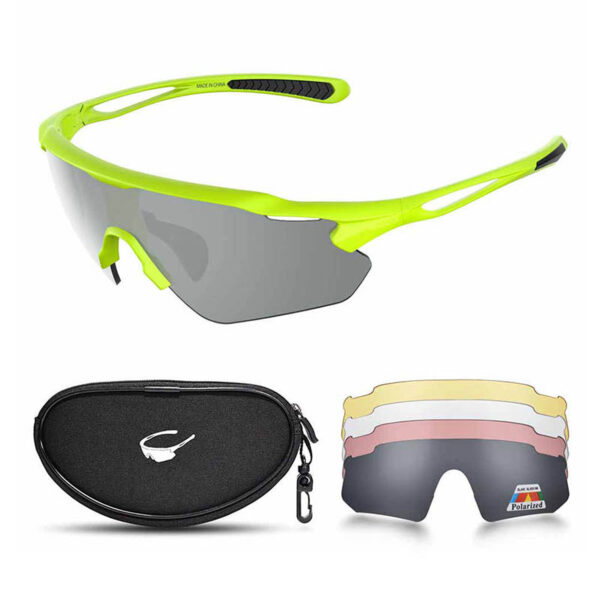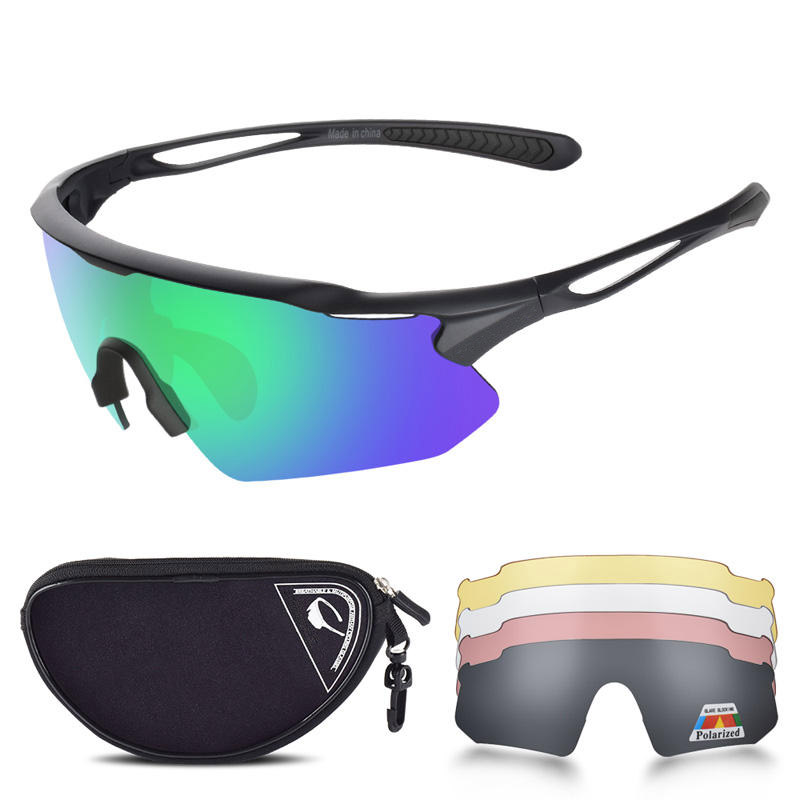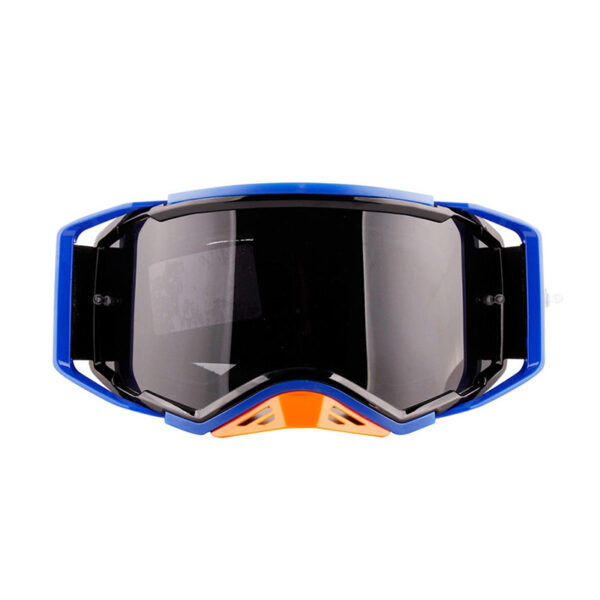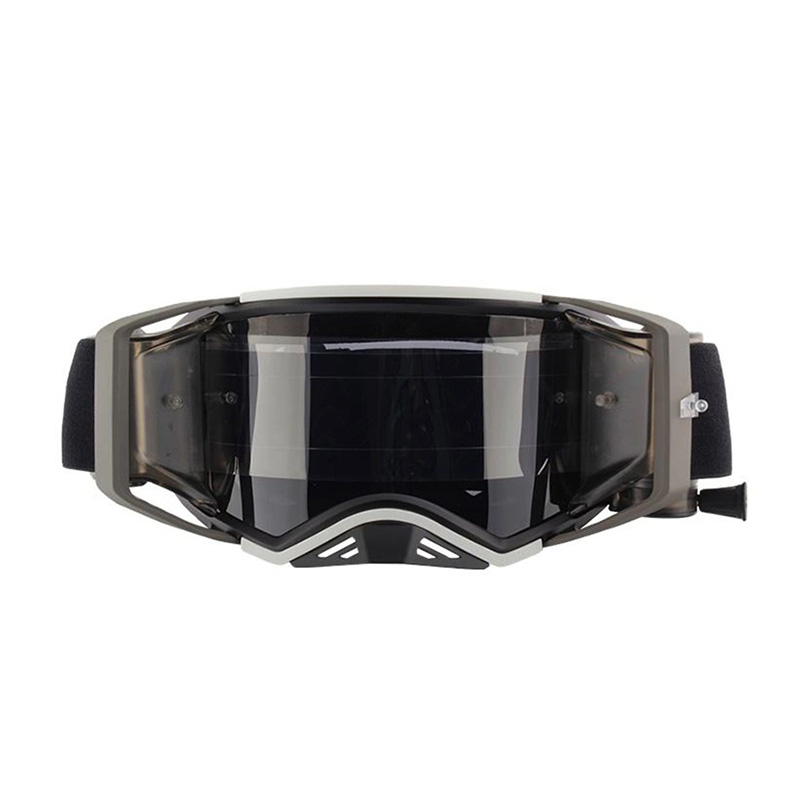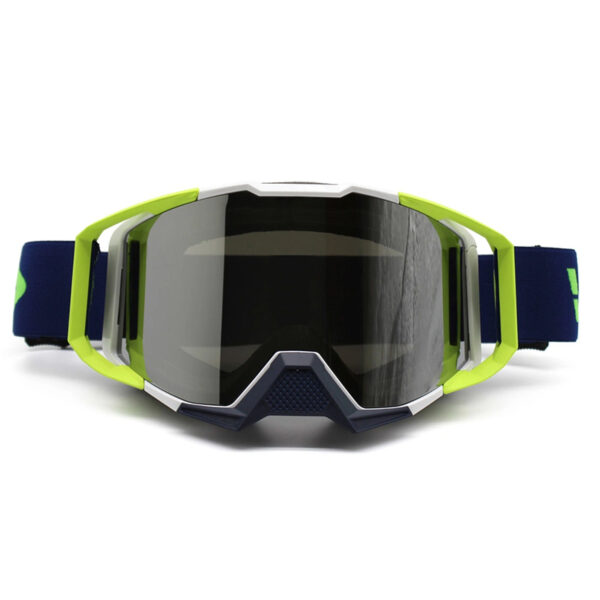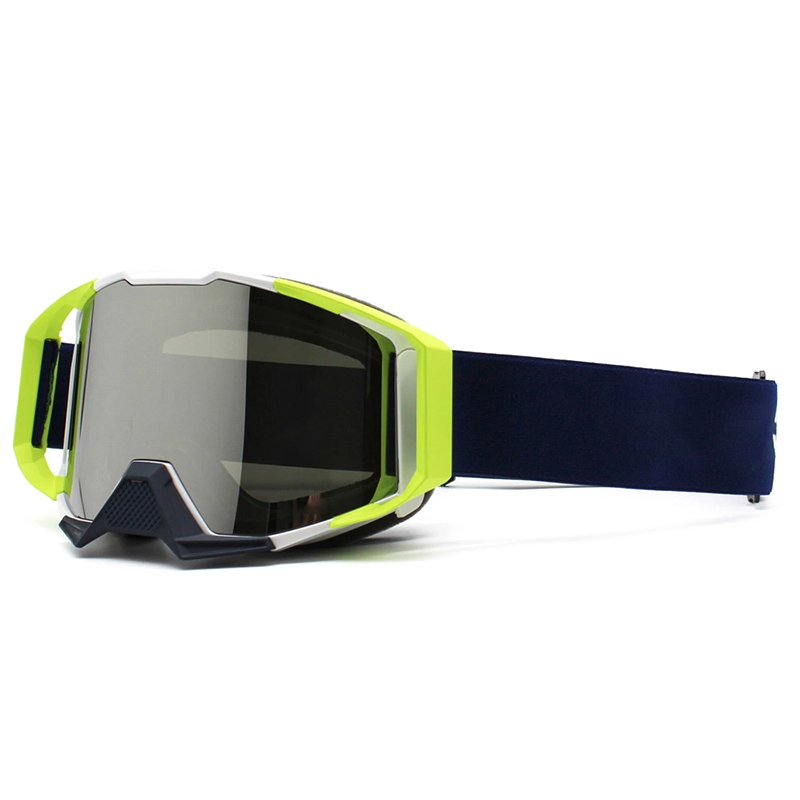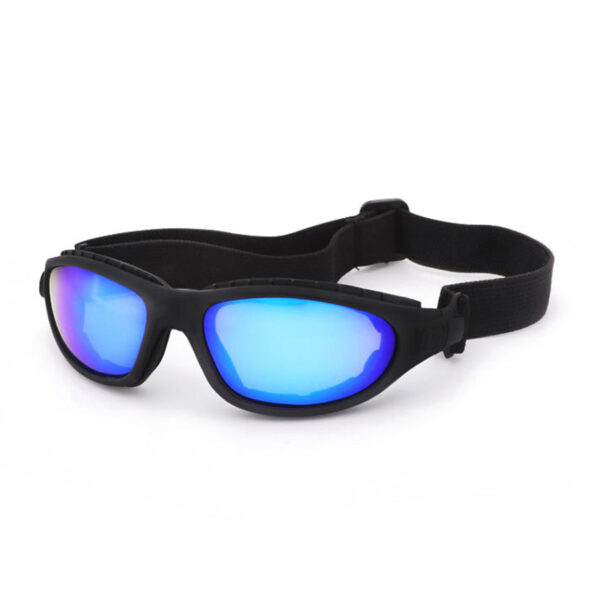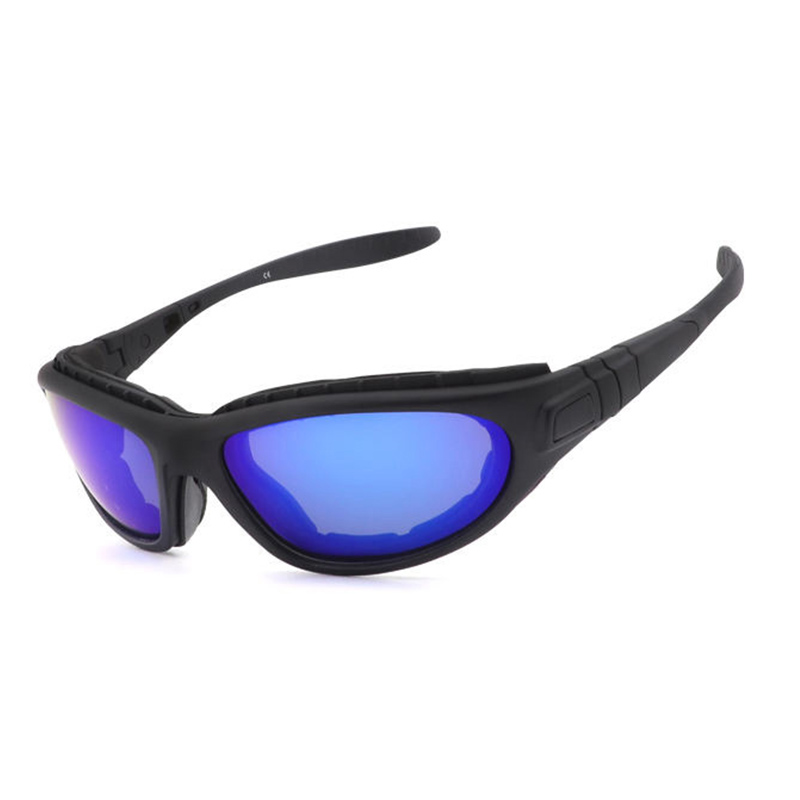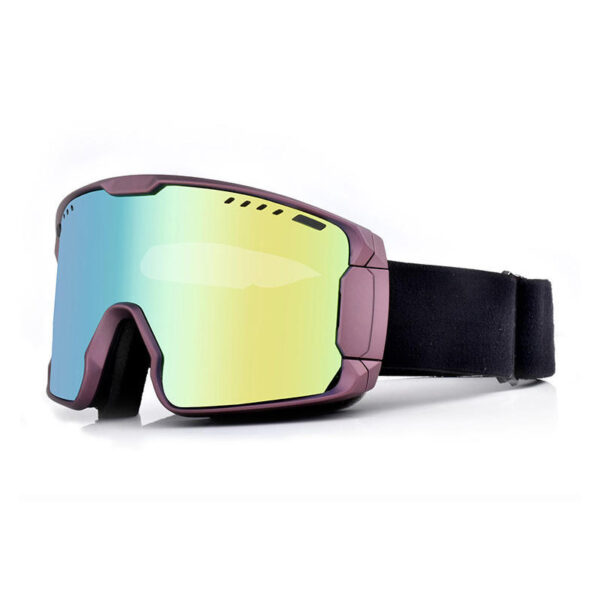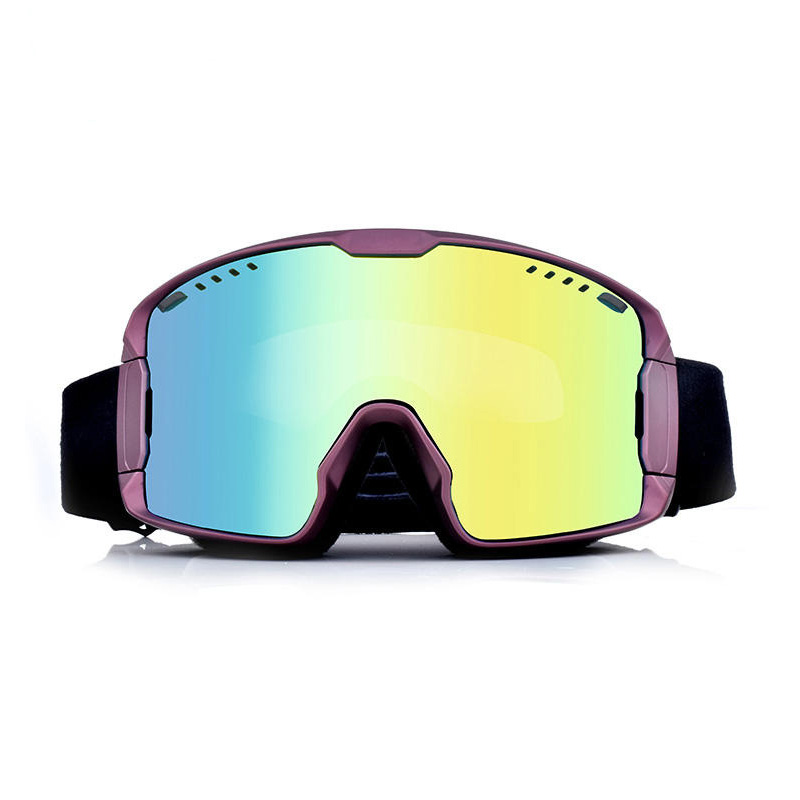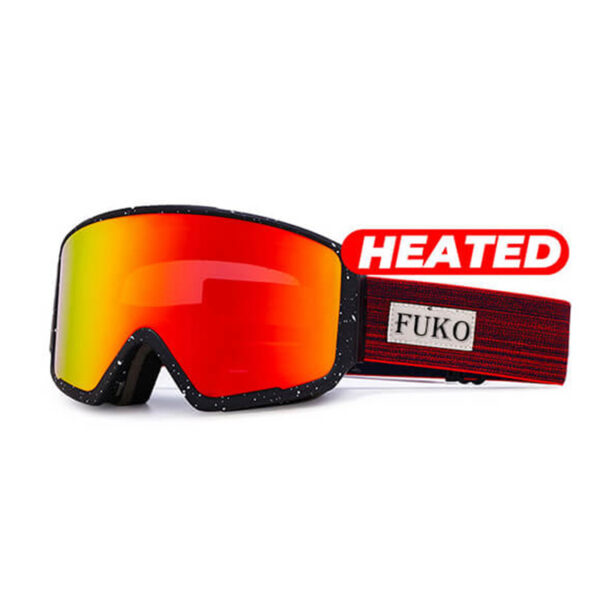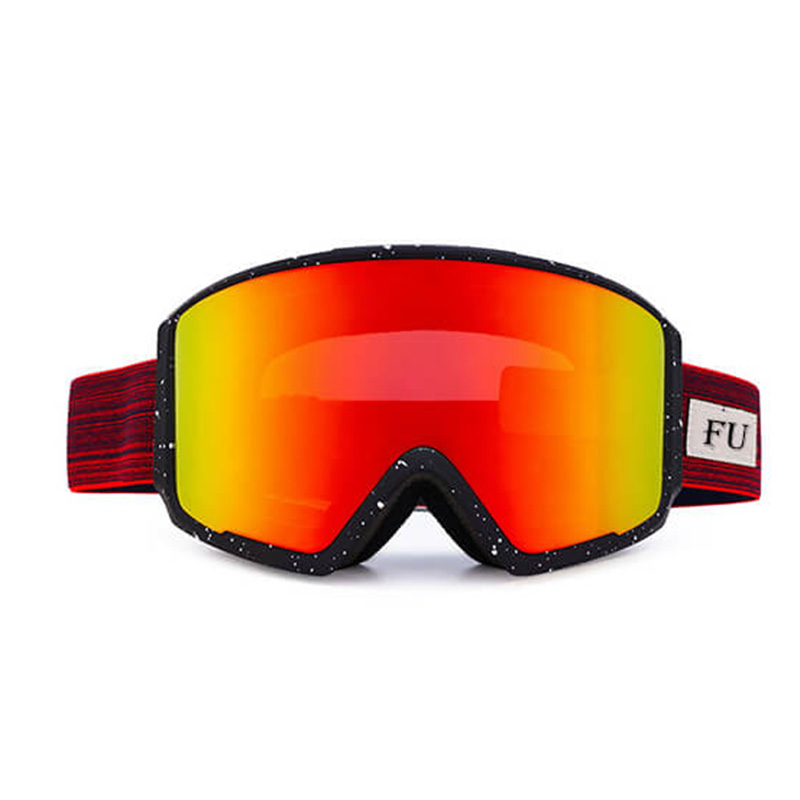
Whether you are preparing for your first season on the slopes or upgrading your winter setup, searching for the perfect ski goggles inevitably leads to one crucial parameter: VLT (Visible Light Transmission). You have likely encountered ratings like 10% VLT, VLT 80%, or descriptions recommending specific lenses for “flat light” or “bluebird days.”
Choosing the wrong VLT can ruin a day on the mountain—leaving you blinded by glare on sunny days or unable to read terrain contours in shadows and overcast weather. This guide breaks down the science of VLT, explains how lens base tints enhance contrast, provides a complete weather-matching chart, and helps you select the exact optics for your riding style.
Part 1. What Does VLT Mean for Ski Goggles?
VLT stands for Visible Light Transmission. It measures the exact percentage of ambient light that passes through the goggle lens and reaches your eyes.
- Lower VLT Percentage (e.g., 5% – 15%): The lens blocks 85% to 95% of incoming light. It acts like dark sunglasses, keeping your eyes relaxed under intense high-altitude sunlight.
- Higher VLT Percentage (e.g., 60% – 85%): The lens allows most light to pass through. It appears pale or clear, helping you see clearly in low-light environments like storm days, fog, or night skiing.
Clarification: Vehicle VLT vs. Ski Goggle VLT
While “VLT” in automotive window tinting measures privacy and solar heat rejection, ski goggle VLT focuses on contrast enhancement, terrain identification, glare reduction, and 100% UV400 protection against intensified alpine radiation reflected off snow.
Part 2. Beyond VLT: The Science of Lens Base Tints & Contrast
VLT controls how much light enters your eyes, but the lens base tint controls which colors enter. Snow reflects all wavelengths of light equally, making terrain features blend under overcast skies—a phenomenon known as flat light. The right base tint filters specific wavelengths to pop terrain texture and snow bumps:
Bright & Sunny Tints (Low VLT)
- Dark Grey & Brown: Delivers true color perception while cutting harsh sunlight and eye fatigue.
- Dark Mirror / Chrome: Deflects intense glare reflected off fresh snowpack and glaciers.
Flat Light & Low Light Tints (High VLT)
- Yellow & Amber: Filters out blue light waves to sharpen edges and reveal hidden ice patches or bumps.
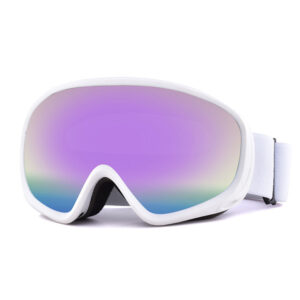
- Rose & Pink: Provides superior depth perception in overcast, foggy, or shadowed tree runs.
Part 3. Comprehensive Ski Goggle VLT Chart by Weather Condition
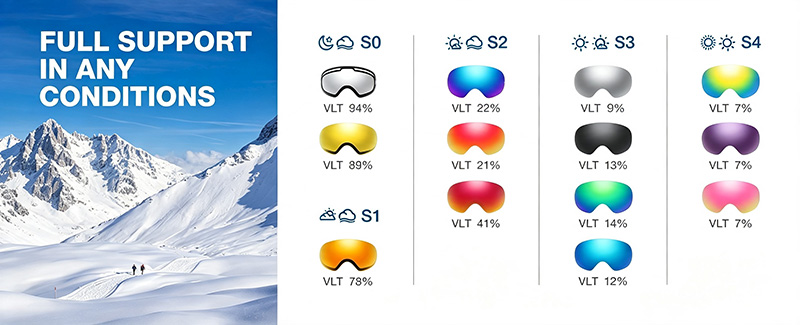
Ski goggle lenses are standardized into international categories ranging from S0 (maximum light allowance) to S4 (maximum glare protection):
| Category | VLT Range | Primary Conditions | Recommended Base Tints | Ideal Scenario |
| Category 4 | 3% – 8% | Extreme Glacier / High Altitude Sun | Dark Grey, Dark Brown, Chrome Mirror | Spring bluebird days at high elevation |
| Category 3 | 8% – 18% | Bright Sunlight & Clear Skies | Dark Copper, Bronze, Blue/Silver Mirror | Standard sunny resort skiing |
| Category 2 | 19% – 42% | Mixed Weather / Partly Cloudy | Rose, Amber, Light Red Mirror | Versatile single-lens for changing days |
| Category 1 | 43% – 79% | Heavy Overcast, Fog & Snowfall | Yellow, Light Pink, Light Rose | Storm riding, foggy trees, low light |
| Category 0 | 80% – 100% | Night Skiing & Extreme Whiteouts | Clear, Very Pale Yellow | Resorts under floodlights or dense fog |
Part 4. How to Choose the Right Ski Goggle VLT: A Step-by-Step Decision Guide
Selecting the right VLT isn’t just about picking a random number—it requires evaluating your local riding environment, skiing schedule, and willingness to swap lenses. Follow this step-by-step decision framework:
Step 1: Identify Your Primary Skiing Region & Local Microclimate
Geography plays a massive role in light exposure.
- High-Altitude / Sunny Regions (e.g., Colorado, Utah, Alps): These areas experience intense UV reflection off snow and predominantly sunny days. Target a Category 3 lens (8% – 18% VLT).
- Overcast / Coastal Regions (e.g., Pacific Northwest, Japan, UK/Nordic resorts): These locations frequently face fog, heavy snowstorms, and dense cloud cover. Target a Category 1–2 lens (30% – 60% VLT).
Step 2: Determine Your Riding Time & Style
- Daytime Only: Stick to the standard VLT chart based on weather.
- Night Skiing: If you ride under resort floodlights, a high VLT of 80%–100% (Category 0) is non-negotiable to maintain visibility and safety.
- Tree Runs & Backcountry: Dense tree canopies block natural sunlight. If you love glade skiing, choose a lens with slightly higher VLT (35%–55%) and a rose or yellow base tint to pop hidden hazards.
Step 3: Decide Between a Single-Lens, Dual-Lens, or Auto-Tinting Setup
- The “One-Lens Solution” Rider: If you refuse to carry extra lenses, buy a versatile Category 2 lens (20% – 30% VLT) in an amber/copper base tint. It handles 80% of mountain conditions comfortably.
- The “Two-Lens Quick Swap” Rider: For the ultimate visual clarity, buy a goggle set with a sunny lens (10%–15% VLT) and a storm lens (50%–65% VLT).
- The “Hands-Free” Rider: Choose Photochromic lenses that dynamically shift VLT based on UV exposure throughout the day.
Part 5. Modern Solutions: Photochromic & Quick-Change Lenses
If you don’t want to carry multiple lenses or constantly check weather forecasts, modern goggle technology offers two popular solutions:
1. Photochromic Lenses (Auto-Tinting):
Photochromic lenses contain light-sensitive molecules that automatically adjust their tint based on UV exposure. In direct sunlight, they darken to ~13% VLT; when clouds roll in, they lighten up to ~45% VLT within seconds. They provide true hands-free versatility across variable weather.
2. Magnetic Quick-Change Systems:
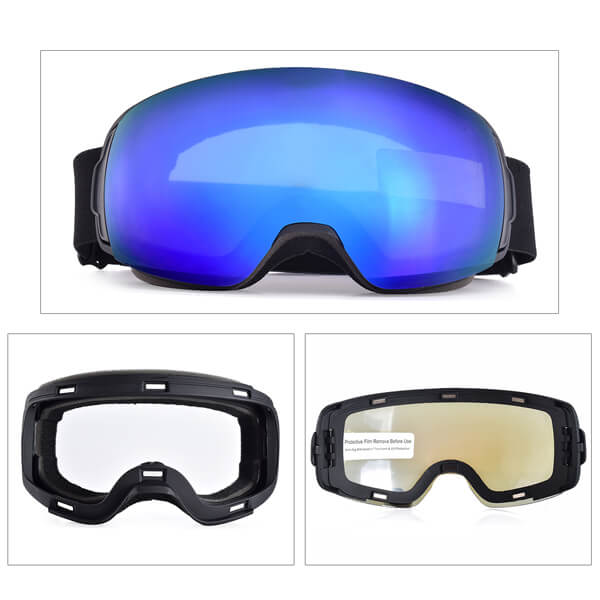
Many premium goggles feature high-strength rare-earth magnets that allow you to swap lenses in seconds without taking off your gloves. A typical setup includes a primary 12%–15% VLT sunny lens and a secondary 50%–65% VLT low-light lens included in the box.
Part 6. FAQs about Ski Goggle VLT
Q1: Is high or low VLT better for ski goggles?
Neither is better overall—it depends on the weather. Low VLT (5%–18%) is better for bright, sunny days to protect your eyes from snow glare and fatigue. High VLT (45%–80%+) is better for cloudy, foggy, or night skiing, as it lets in more light so you can clearly see snow bumps and terrain obstacles.
Q2: Is 10% VLT too dark for ski goggles?
For sunny bluebird days, 10% VLT is ideal. It blocks 90% of incoming light to prevent squinting. However, 10% VLT is too dark for cloudy days or shadowed tree runs, where it can obscure snow contours and cause flat-light disorientation.
Q3: What does VLT 80% mean?
An 80% VLT lens allows 80% of ambient light to pass through to your eyes. It is a virtually clear or very lightly tinted (yellow/pink) lens designed specifically for night skiing under resort floodlights or extreme storm/whiteout conditions.
Q4: Can I wear OTG (Over-The-Glasses) ski goggles with any VLT?
Yes. OTG design refers to the frame construction (providing side notches and interior volume to fit prescription eyewear), whereas VLT is strictly a optical property of the lens. You can find OTG goggles across all VLT ranges.
Premium Ski Optics by FukoSports: Factory Precision Meets Innovation
Understanding VLT is essential for choosing the right gear, but experiencing optimal vision on the slopes requires precision manufacturing, advanced anti-fog technology, and premium materials.
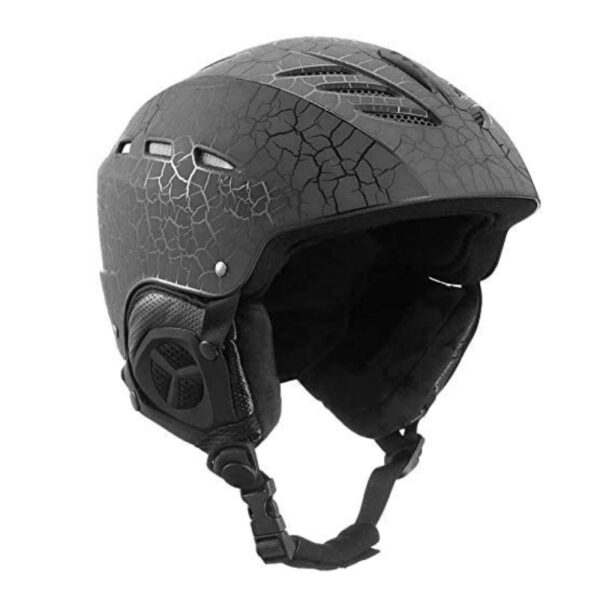
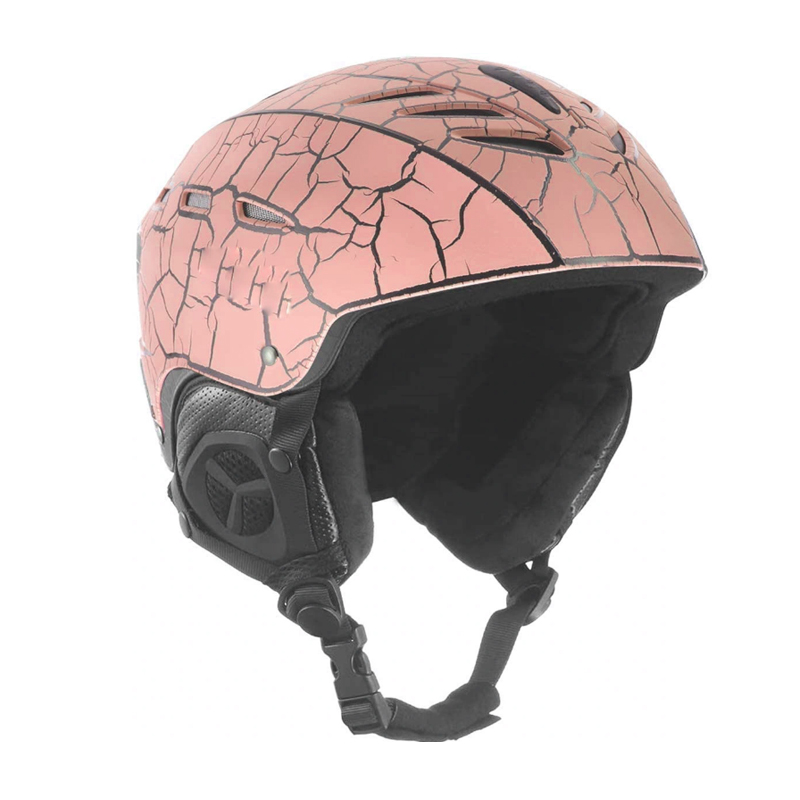
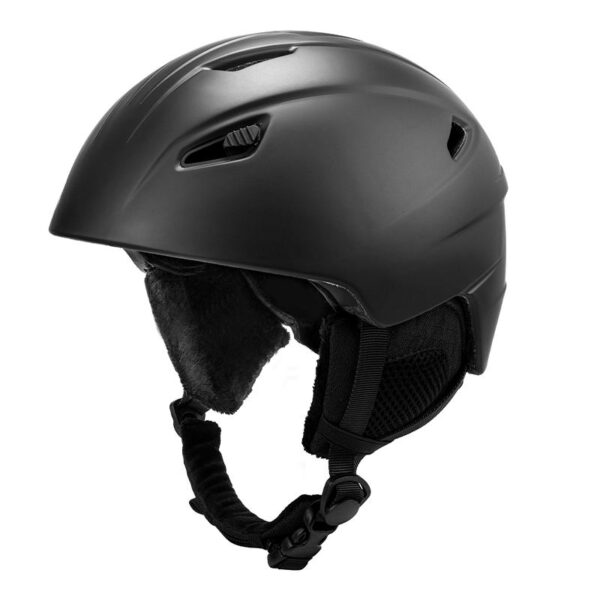
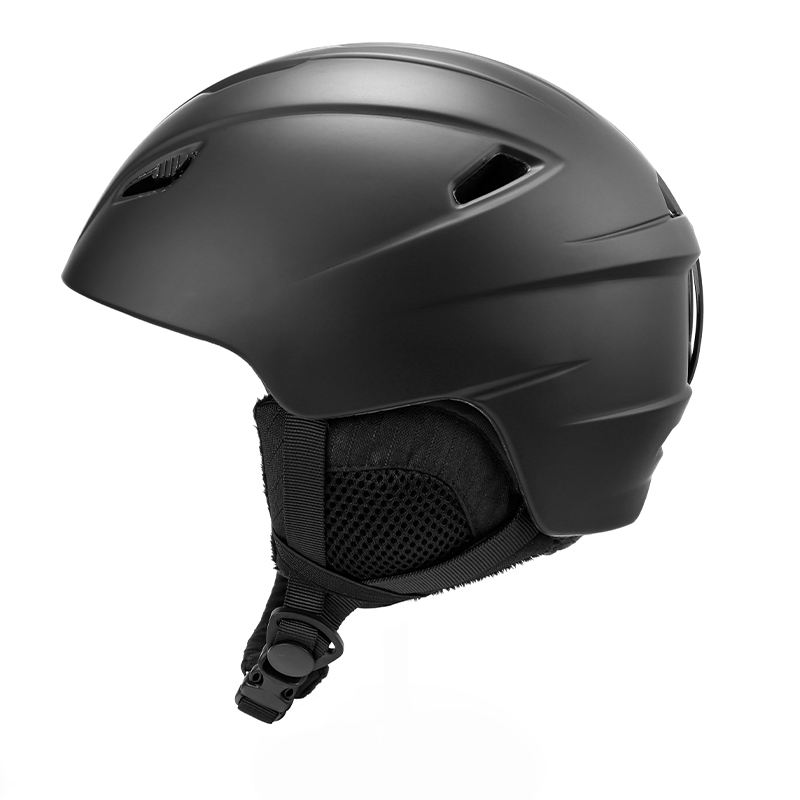
As a leading custom sports eyewear manufacturer in China with over 9 years of expertise, FukoSports delivers high-performance ski goggles, motocross goggles, sports sunglasses, and ski helmets to brands and retailers worldwide.
Why Outdoor Brands Partner with FukoSports for Custom Ski Goggles:
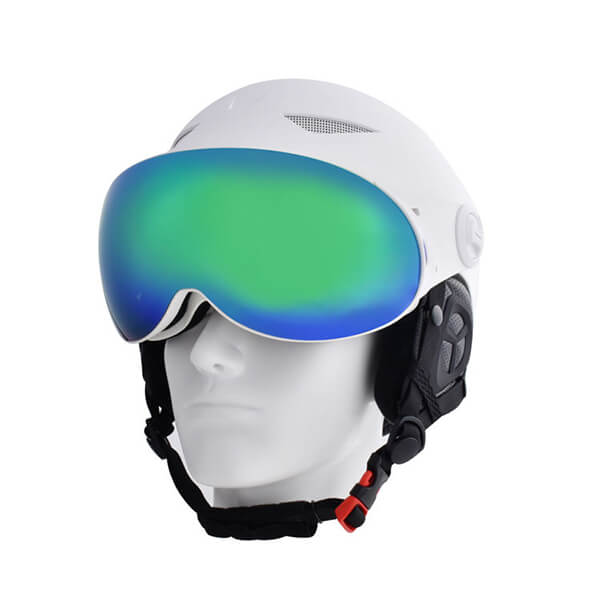
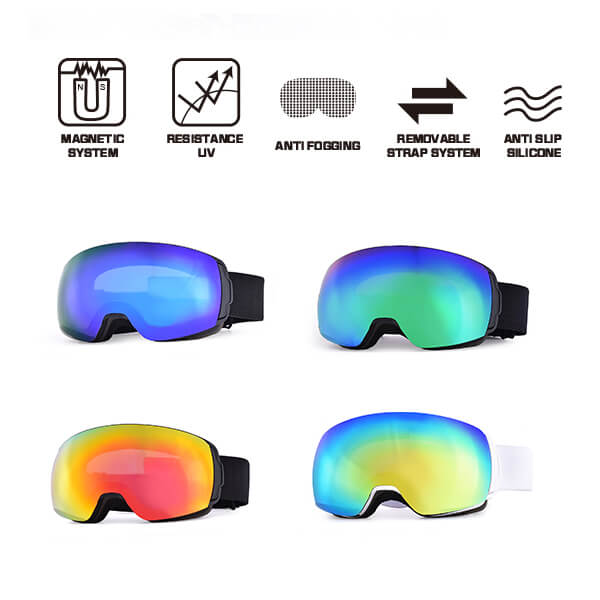
- Advanced Magnetic Lens Lock Systems: Models like the FukoSports HY-200 feature fast magnetic lens-swap systems, allowing riders to switch between low VLT sunny lenses and high VLT storm lenses in seconds.
- Electrothermal OTG Heated Technology: Conquer fogging completely in extreme conditions with the FukoSports HY-190D, combining electrothermal lens heating, OTG compatibility, and versatile VLT options.
- Custom OEM/ODM Solutions: From custom mirror coatings and frame colors to flexible low MOQ policies, FukoSports offers a one-stop factory solution tailored to your brand’s specs.
- In-House Quality Control: Backed by modernized injection molding, precision laser cutting, and rigorous lens inspection, every piece guarantees 100% UV protection and high-impact durability.
Looking to launch or expand your sports eyewear line?
Explore factory-direct pricing, custom prototyping, and shorter lead times at FukoSports.com or reach our engineering team directly.
Summary Checklist: Selecting Your Ideal VLT
- Bright Sun & High Altitude: Choose 8% – 18% VLT with a mirrored finish.
- All-Round / One-Goggle Setup: Choose 20% – 35% VLT with a Rose or Amber base tint.
- Storms, Dense Fog & Heavy Cloud: Choose 45% – 70% VLT with a Yellow tint.
- Night Skiing under Floodlights: Choose 80% – 100% VLT (Clear/Pale Yellow).
- Maximum Convenience: Invest in Photochromic Lenses or a Magnetic Quick-Change Set from a trusted OEM supplier like FukoSports.