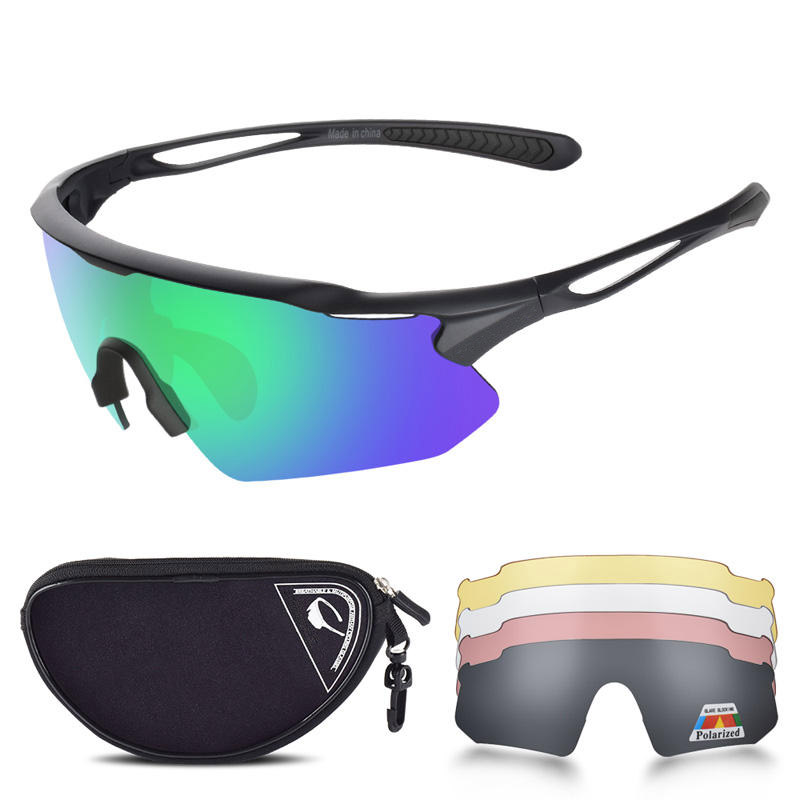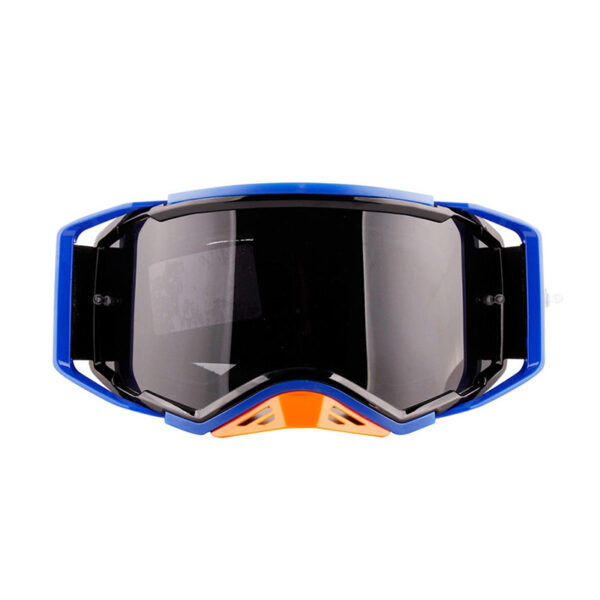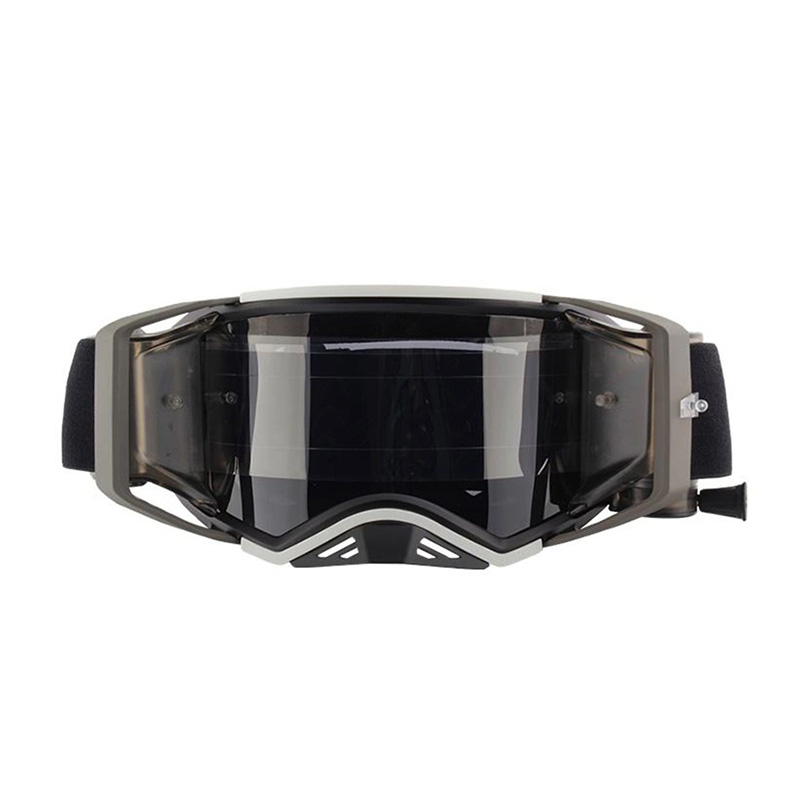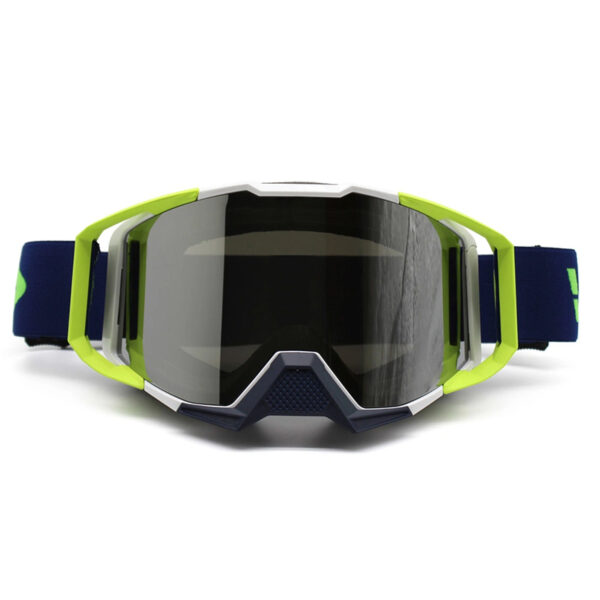
Water sports and coastal recreation are experiencing unprecedented global growth, yet losing expensive eyewear to the ocean depths remains a universal pain point. According to marine gear reports in Yachting World and optical maintenance research from The Sunglass Fix, dropping non-buoyant sunglasses is the leading cause of lost personal accessories during watersports.
Beyond the financial loss, going unshielded in open water poses severe risks to vision health. Clinical guidelines from the American Academy of Ophthalmology (AAO) and market research by The Vision Council confirm that open water surfaces reflect up to 100% of UV rays, dramatically increasing cumulative exposure that leads to photokeratitis, pterygium, and long-term cataracts. Floating sunglasses solve this dual challenge by pairing certified polarization with engineered material buoyancy—helping consumers protect their vision while ensuring their gear never sinks. In this comprehensive guide, we review the 7 Best Floating Sunglasses for 2026, examine prescription compatibility, cite verified optical data, and explain how global eyewear brands can partner with leading B2B manufacturers like Fuko Sports to build high-performance buoyant eyewear.
Part 1. What Are Floating Sunglasses?
How They Work
Standard lifestyle sunglasses rely on dense acetates, heavy metal alloys, and solid optical glass lenses—materials with mass densities far exceeding water (1.0 g/cm3). When dropped overboard, gravity pulls them down rapidly.
According to technical whitepapers published by optics experts at Revant Optics, floatable sunglasses achieve positive buoyancy through three structural principles:
- Low-Density Polymers: Utilizing specialized injection resins (such as TPX or lightweight TR90 variants) engineered with specific gravities under 0.95 g/cm3, allowing the frame material itself to float naturally.
- Molded Air Pockets: Incorporating sealed internal air capsules directly into the hollowed temple arms to increase overall water displacement without adding structural bulk.
- Cellular Natural Materials: Harnessing organic, air-trapping microstructures like bamboo wood, which provides natural buoyancy without synthetic foams.
- Lightweight Polarized TAC/PC Lenses: Replacing heavy mineral glass with ultra-thin Polycarbonate or Triacetate Cellulose (TAC) lenses that deliver optical clarity while keeping total frame weight beneath critical buoyancy thresholds.
Common Uses
Industry reports and professional surveys from The Vision Council emphasize that floating eyewear has become standard technical gear across aquatic disciplines:
- Sailing & Offshore Cruising: High wind, heavy swell, and salt spray require non-sinking frames equipped with hydrophobic visual coatings.
- Surfing, Kiteboarding & Windsurfing: Sudden wave impacts and high-speed wipeouts make loss highly probable without buoyant frames and secure retention systems.
- Stand-Up Paddleboarding (SUP) & Kayaking: Constant upper-body rotation and paddle strokes lead to accidental frame dislodgement.
- Inshore & Offshore Fishing: Polarized buoyant lenses eliminate surface glare, allowing anglers to spot fish beneath the surface without risking a deep-sea loss.
- Beach & Resort Recreation: Provides peace of mind for swimmers and boaters relaxing near pools, lakes, or ocean shores.
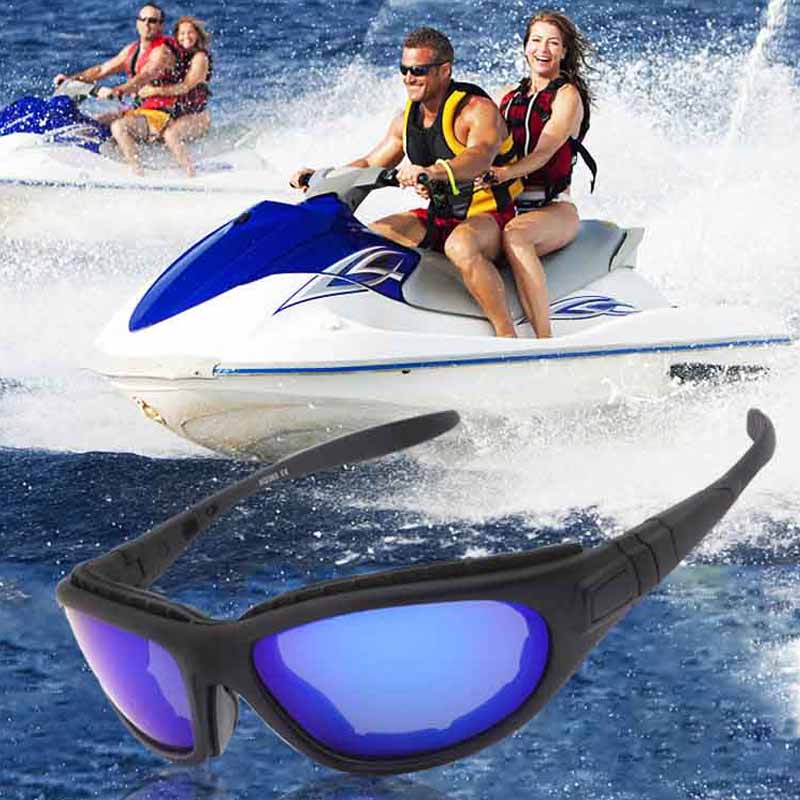
Part 2. 7 Best Floating Sunglasses for 2026
Below is our expert evaluation of the top seven floating sunglasses for 2026, benchmarked across buoyancy efficiency, lens performance, frame durability, and overall value.
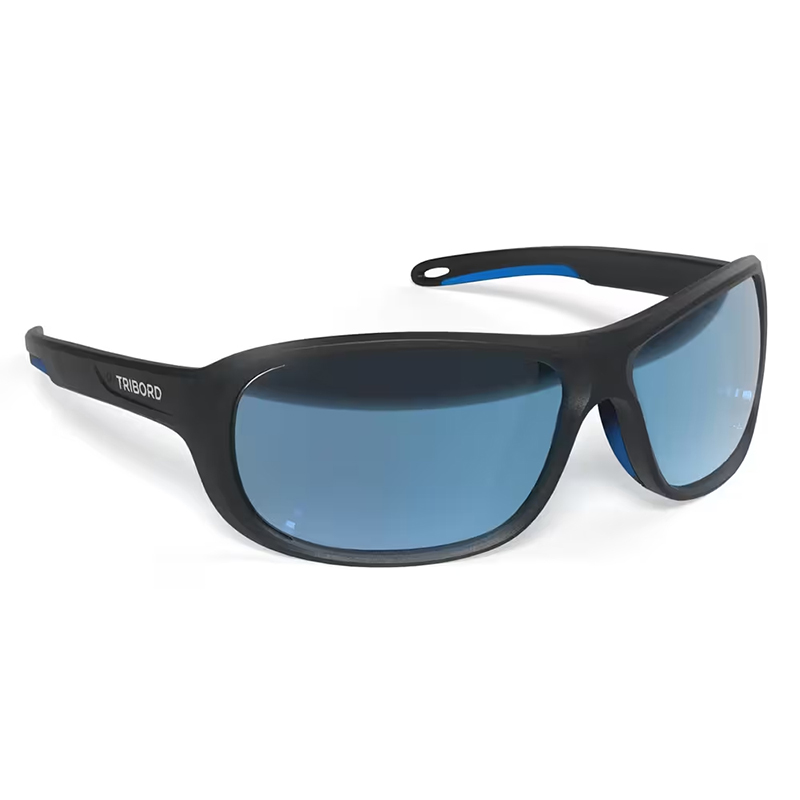
1. Tribord 100 Floating Polarized Sunglasses
Designed by Decathlon for sailors and paddlers, the Tribord 100 offers budget-friendly performance. Featuring a low-density frame with temple air capsules, it rapidly surfaces and floats horizontally if dropped overboard. Category 3 polarized lenses deliver 100% UV protection while cutting harsh water glare, and an ergonomic wraparound design with soft rubber grips ensures a secure, non-slip fit when wet.
- Reasons to Buy:
- Highly accessible price point with verified floating capability.
- Air capsules molded into each temple arm ensure fast surface recovery.
- Eco-design initiative reduced lens thickness, lowering CO2 manufacturing impact.
- Reasons to Avoid:
- Lens coverage area is relatively compact.
- Frame fit can feel tight on wider head profiles.
- Summary: An unbeatable entry-level choice for kayakers and casual sailors seeking eco-conscious buoyancy and glare protection.
2. Cressi Ninja Floating Sunglasses
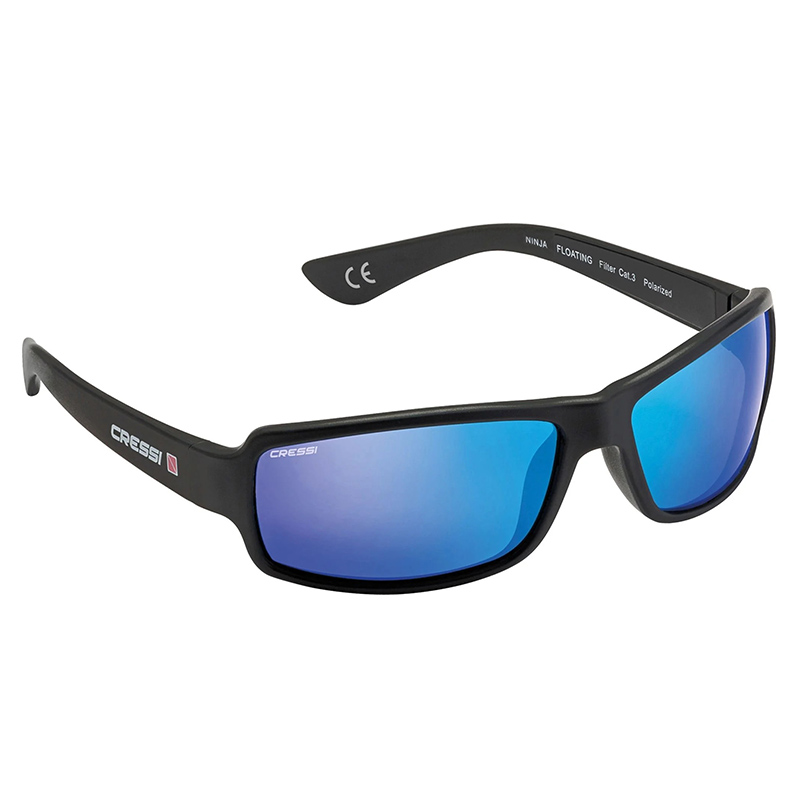
Backed by decades of Italian diving expertise, Cressi Ninja Floating Sunglasses deliver professional ocean performance. Their ultra-lightweight, buoyant frame withstands heavy wave impacts without sinking. Featuring shatterproof TAC polarized lenses with a hydrophobic WRH coating, they instantly shed water droplets to maintain crystal-clear, distortion-free vision while surfing, jet-skiing, or fishing. Complete with UV400 protection, the Ninja combines rugged durability with superior optical clarity.
- Reasons to Buy:
- Advanced hydrophobic lens treatment forces salt spray and water droplets to shed instantly.
- Mirrored polarized lenses deliver 100% UV protection for long-term ocean exposure.
- Shatterproof lens construction protects against accidental drops on deck.
- Reasons to Avoid:
- Frame hinges require gentle handling under heavy torque.
- Designed primarily for small to medium face shapes.
- Sunscreen chemicals can wear down the frame’s outer matte finish over time.
- Summary: Ideal for rowers, paddleboarders, and divers who require hydrophobic lenses that shed splash droplets in real time.
3. Gill Kynance Watersport Sunglasses
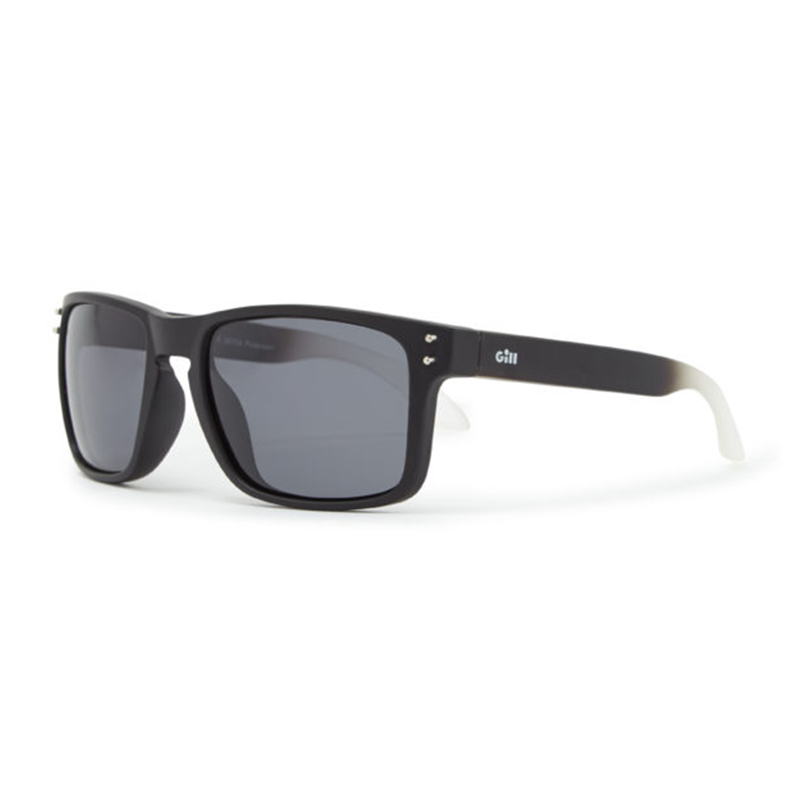
Tailored for offshore sailors, Gill Kynance sunglasses blend classic square styling with technical marine performance. Built from ultra-lightweight buoyant materials, the frame floats reliably in turbulent seas. Grade 1 Optic, Category 3 polarized lenses feature 8–18% light transmission, slashing blinding glare and eye fatigue. Complete with 100% UV400 protection, the Kynance delivers crisp visual clarity for deck work while ensuring your eyewear never sinks.
- Reasons to Buy:
- Dual-coating protection: Hydrophobic layers shed saltwater, while oleophobic barriers resist smudges from sunscreen and skin oils. Category 3 polarized lenses allow 8–18% visual light transmission, performing well in harsh glare.
- Total UV ray protection (UVA, UVB, and UVC).
- Reasons to Avoid:
- Fixed frame geometry may not conform tightly to all facial contours without an auxiliary strap.
- Summary: A marine-tested frame built to withstand sunscreen, salt accumulation, and intense glare during offshore racing.
4. Andwood Bamboo Floating Polarized Sunglasses
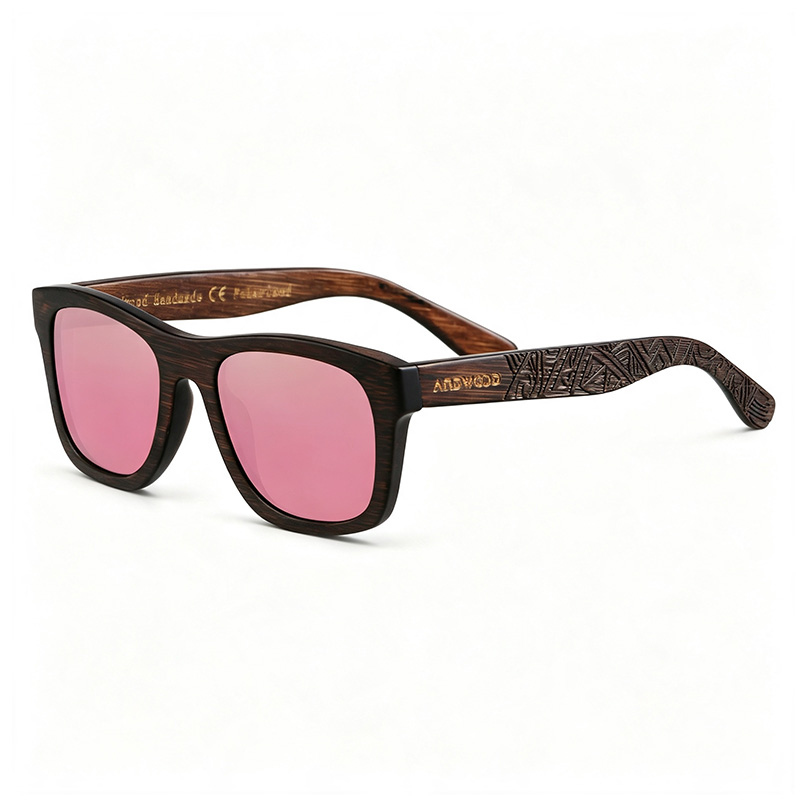
Designed for eco-conscious adventurers, Andwood Bamboo sunglasses combine classic style with natural buoyancy. Handcrafted from sustainably harvested bamboo, these lightweight frames float naturally on fresh and salt water using the wood’s cellular structure. Stainless steel double-spring hinges provide a flexible, pinch-free fit, while HD TAC polarized lenses offer 100% UVA/UVB protection, making this retro vintage frame ideal from beach sports to kayaking.
- Reasons to Buy:
- Bamboo’s cellular structure provides inherent buoyancy without synthetic foams or plastic air pockets.
- Handcrafted construction gives every frame a distinct, unique wood grain pattern.
- Extremely lightweight, comfortable, and plastic-reduced design.
- Reasons to Avoid:
- Lenses lack reflective mirror finishes.
- Continuous, long-term submersion in salt water can weaken protective wood sealants over time.
- Summary: The leading choice for eco-conscious consumers who prioritize natural organic materials, unique aesthetics, and reliable buoyancy.
5. GoPro Mezcal Floating Sunglasses
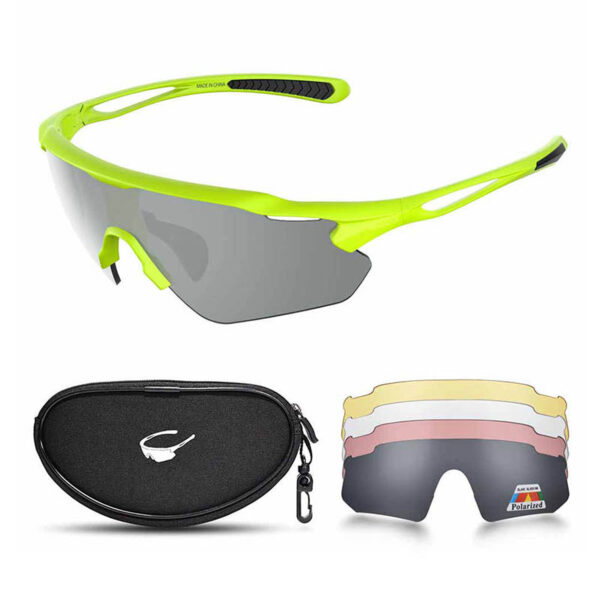
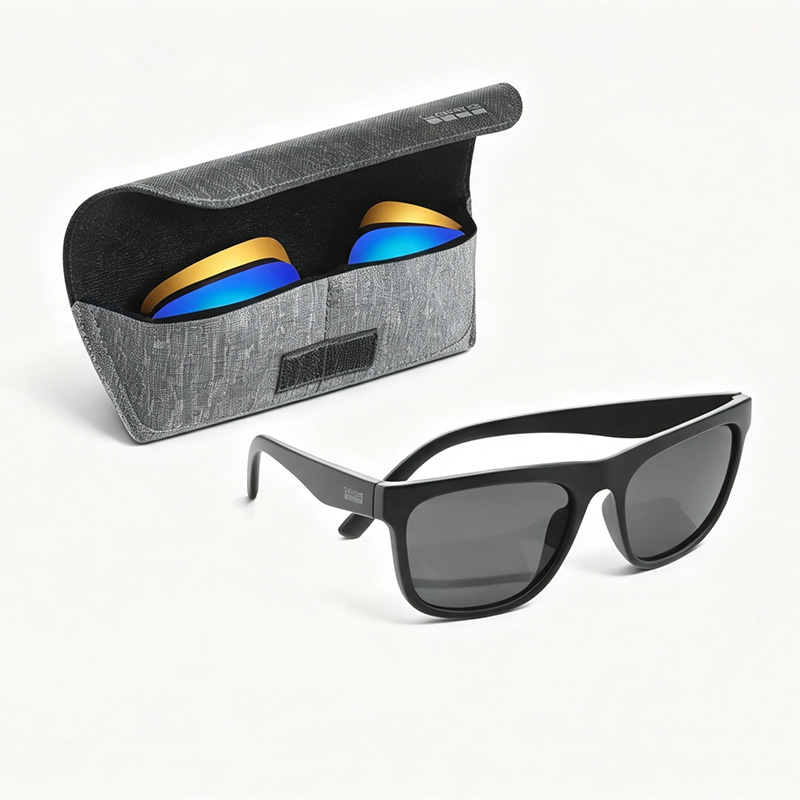
GoPro’s Mezcal Floating Sunglasses bring action-ready versatility to the water with a lightweight, buoyant frame that stays afloat. Its standout 3-in-1 interchangeable lens system includes gray for bright sun, amber-bronze for contrast, and light amber-blue for overcast conditions. Complete with a protective travel case, the Mezcal delivers complete optical adaptability for surfers, kayakers, and boaters navigating changing weather.
- Reasons to Buy:
- Features three interchangeable polarized lens pairs (blue for overcast conditions, amber for water contrast, grey for bright sun).
- Reliable buoyancy in both fresh water and ocean salt water.
- Compact Mezcal frame profile ensures a secure fit during dynamic movement.
- Reasons to Avoid:
- Interchanging lenses requires careful handling to prevent micro-scratches.
- Ultra-light frame chassis requires proper storage in a hard case when off-water.
- Summary: A versatile choice for action sports enthusiasts who demand adaptable optics for shifting marine lighting.
6. Rheos Bahia Floating Polarized Sports Sunglasses
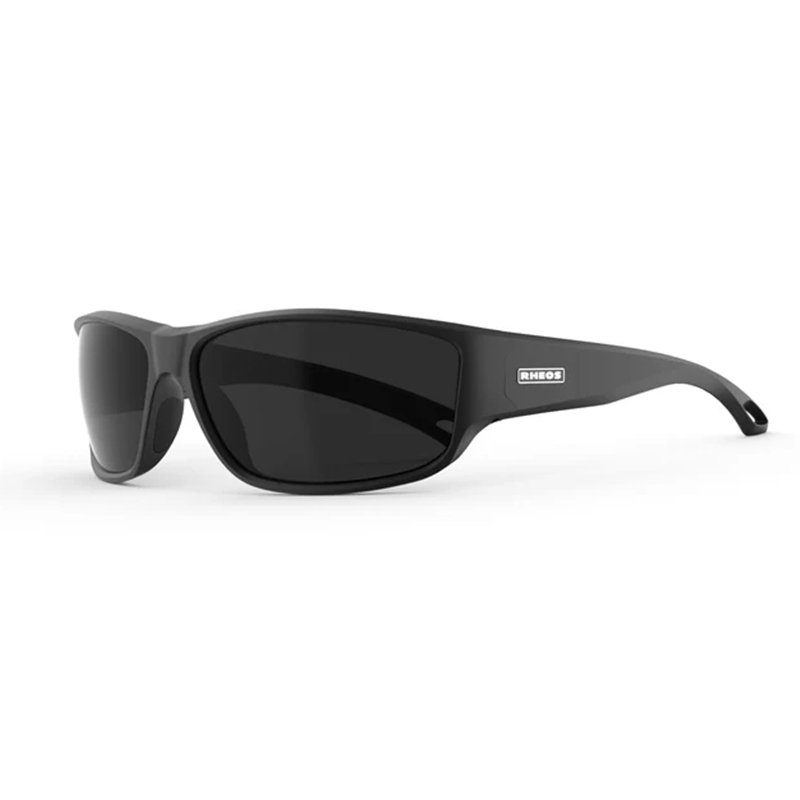
Built for high-speed water sports, the Rheos Bahia features a full-wrap frame with broad temples to shield against wind, spray, and side glare. Crafted from a signature material 20–30% lighter than standard frames, it floats instantly. Shatterproof Nylon Optic polarized lenses deliver glass-like clarity, while hydrophobic and oleophobic coatings repel water droplets and oils effortlessly.
- Reasons to Buy:
- Ergonomic wraparound arms maximize peripheral coverage, preventing peripheral glare and wind intrusion.
- Premium optical stack includes anti-scratch, hydrophobic, and oleophobic treatments.
- A percentage of purchase proceeds is directly donated to non-profit waterway restoration charities.
- Reasons to Avoid:
- Sits at a higher price tier than basic entry-level floating frames.
- Fits narrower face shapes more comfortably than wide profiles.
- Summary: High-performance nautical eyewear combining peripheral wind protection, sharp optics, and environmental backing.
7. Fuko Sports Pro Water Sports Floating Sunglasses
Engineered for outdoor brands and distributors, the Fuko Sports Pro is a premier commercial floating eyewear solution. Its ultra-light TPX and TR90 frame provides permanent buoyancy in both fresh and salt water. High-contrast, hydrophobic TAC polarized lenses repel ocean spray while maintaining optical clarity. With customizable temple branding and flexible OEM specifications, it perfectly combines durability, sport performance, and commercial appeal.
- Reasons to Buy:
- Constructed from custom low-density polymer blends that combine impact resistance with positive flotation.
- High-polarization TAC lenses feature dual-sided hydrophobic shields to shed heavy ocean spray during surfing sessions.
- Designed with integrated temple air ventilation and a detachable elastic retention strap for security in heavy wave breaks.
- Fully customizable for global B2B clients, outdoor brands, and private labels seeking OEM/ODM production.
- Reasons to Avoid:
- High-performance sports geometry is built for active water sports rather than casual street fashion.
- Primary availability is through wholesale brand partners and custom production runs.
- Summary: The pinnacle of technical surfing and extreme water sports eyewear, combining robust flotation with customizable B2B manufacturing standards.
Part 3. Dragon Alliance’s H2O Floatable Technology
When evaluating technical breakthroughs in floating eyewear, Dragon Alliance stands out as an industry pioneer with its H2O Floatable Collection.
Technical Breakdown:
As detailed in material analyses by Revant Optics, Dragon Alliance revolutionized the sector by replacing bulky foam additions with an injection-molded low-density resin. Key pillars of their H2O architecture include:
- Inherent Material Buoyancy: The frame resin itself has a lower density than water, allowing iconic lifestyle shapes (such as The Jam and Baile) to stay afloat naturally.
- Lumalens Optics: Color-optimized lens technology that fine-tunes light spectra, sharpening contrast and reducing visual fatigue on reflective water surfaces.
- Hydrophobic & Oleophobic Coatings: Hydrophobic properties cause water to bead and roll off instantly, while oleophobic barriers defend against oil-based smudges.
- Corrosion-Resistant Hardware: Hinges and internal pins feature marine-grade anti-corrosive coatings to prevent rust after salt water exposure.
- UPCYCLED Eco-Initiative: According to environmental data published by Dragon, their UPCYCLED line repurposes five single-use plastic water bottles into every frame, diverting plastic waste away from marine ecosystems.
Part 4. Floating Sunglasses: Can I Put Prescription Lenses In?
A frequent query among water sports enthusiasts is whether custom prescription (Rx) lenses can be installed without causing floating frames to sink.
The Physics of Rx Buoyancy
Prescription corrective lenses—particularly stronger minus lenses—are thicker and denser than standard non-prescription sun lenses. Installing heavy glass or standard acrylic Rx lenses can add enough mass to overcome a frame’s displacement capacity, causing it to sink.
Optometry specialists solve this through precise material choices:
- Ultra-Light High-Index Polycarbonate or Trivex: Optical labs replace standard plastics with high-index polycarbonate or Trivex lens materials, which deliver impact resistance and reduced mass.
- High-Buoyancy Frame Engineering: Specialized sports brands engineer frames with extra internal air volume or higher-buoyancy TPX resins to offset the added weight of corrective lenses.
Verified Rx Floating Eyewear Solutions:
- Solar Bat Floating Bat 1 Prescription: As detailed by optometry specialist Solar Bat, this model features doctor-formulated PNV2 polarized prescription lenses built directly into lightweight buoyant frames designed for fishing and boating.
- Ocean Floating Sunglasses Series: Available through specialized optical platforms like A Sight for Sport Eyes, Ocean provides three distinct Rx integration systems:
- RX8 (Full Wrap Direct-In): Fits direct prescription lenses for mild prescriptions (±2.00 sphere).
- RX6 (Flatter Wrap Direct-In): Reduces peripheral distortion for moderate prescription ranges (±4.00 sphere).
- RXADT (Prescription Adapter Snap-In): Uses an inner prescription clip that mounts behind the floating front shield, accommodating stronger correction needs.
Part 5. Caring for Your Floating Sunglasses
Salt water, sand, intense UV rays, and sunscreen chemicals create a harsh environment for optical gear. According to maintenance guides from The Sunglass Fix, adhering to proper care steps dramatically extends lens life and coating integrity.
- Rinse with Fresh Water Immediately: As salt water evaporates, it leaves behind sharp microscopic sodium chloride crystals. Wiping dry lenses without rinsing drags these abrasive crystals across the surface, causing fine scratches. Always flush frames with fresh water first.
- Clean with Mild Soap: Wash frames with lukewarm water and a drop of neutral dish soap to remove accumulated skin oils and sunscreen residue. Avoid alcohol-based cleansers, hand sanitizers, or window sprays, which strip hydrophobic lens coatings.
- Dry with Clean Microfiber: Avoid paper towels, tissues, or shirt hems, as wood fibers create permanent micro-scratches over time. Use a clean microfiber cloth.
- Store in Protective Cases: Store sunglasses in a micro-ventilated hard case to protect them from crushing forces and heat build-up inside vehicles or boat consoles.
- Replace Damaged Lenses: If lenses become scratched over time, the buoyant frame remains usable. Replacement specialists like The Sunglass Fix and Revant Optics manufacture precision-cut polarized replacement lenses for major floating brands.
Part 6. Alternatives to Floating Sunglasses
While integrated floating sunglasses offer a streamlined solution, some athletes explore alternative setups to protect their eyewear investments.
Primary Alternatives:
- Floating Sunglass Retainer Straps / Neoprene Neckbands: Foam-filled or neoprene straps attached to the temple ends of standard non-floating sunglasses.
- Pros: Enables users to wear existing non-floating frames on the water.
- Cons: Retainers can feel heavy around the neck, interfere with wetsuit collars or life jackets, and risk slipping off temple tips during high-impact wipeouts.
- High-Grip Watersports Sunglasses with Leashes: Non-floating sports frames paired with rubberized temple grips and neck cords.
- Pros: Delivers tight retention during low-impact activities like paddling.
- Cons: If the cord detaches during high-speed jet-skiing or surfing, the frame sinks rapidly.
Integrated floating sunglasses remain the most reliable choice, providing built-in flotation without relying on external accessories.
Part 7. Partnering with a Premier B2B Eyewear Manufacturer: Fuko Sports
As global demand for functional outdoor eyewear expands, brands, retailers, and private-label distributors require reliable manufacturing partners capable of producing high-performance floating sunglasses.
This is where Fuko Sports excels as an OEM/ODM eyewear manufacturing partner.
Why Global Eyewear Brands Partner with Fuko Sports:
- Advanced Low-Density Material Science: Fuko Sports utilizes proprietary low-density polymer injection formulations (including specialized TPX and TR90 blends) engineered to achieve consistent flotation without compromising impact resistance.
- Comprehensive Lens Stack Customization: Offers high-efficiency TAC polarized, high-impact polycarbonate, and photochromic floating lenses equipped with hydrophobic, oleophobic, and anti-scratch coatings.
- Extreme Water Sports Engineering: Frames incorporate dynamic ventilation slots to prevent fogging, anti-slip rubber temple inserts, and integrated retention strap detents for surfing applications.
- End-to-End OEM/ODM Manufacturing: From initial 3D CAD modeling and rapid prototyping to custom mold engineering, private-label branding, and international safety compliance testing, Fuko Sports provides complete end-to-end manufacturing for global optics brands.
Part 8. FAQs About Floating Sunglasses
Q1: Do floating sunglasses float equally well in fresh water and ocean salt water?
Yes. Ocean salt water has a higher average density (≈1.025 g/cm3) than fresh water (1.000 g/cm3). Because buoyant frames are engineered to float in fresh water, they float even higher on ocean waves.
Q2: Will my floating sunglasses sink if I install prescription lenses?
Not if correctly paired. By combining high-index polycarbonate or Trivex Rx lenses with high-displacement TPX frame polymers, specialized Rx floating sunglasses remain buoyant.
Q3: Can sunscreen damage floating sunglass frames and lens coatings?
Yes. Chemical ingredients and oils in sunscreens can degrade standard frame finishes and strip lens coatings over time. Look for frames featuring oleophobic lens barriers and rinse eyewear with fresh water after applying sunscreen.
Q4: How do floating sunglasses differ from regular sports sunglasses?
Floating sunglasses utilize low-density polymer resins, molded air capsules, or natural bamboo wood to ensure total frame density remains lower than water (<1.0 g/cm3). They also feature marine-grade anti-corrosive hardware and water-repellent lens coatings.
Q5: Why are polarized lenses essential for water sports floating eyewear?
According to data published by The Vision Council, flat water surfaces reflect intense horizontal glare that blinds vision and causes severe eye strain. Polarized filters block this horizontal glare, restoring visual contrast, depth perception, and eye comfort.
Conclusion
Floating sunglasses have evolved from a niche accessory into an essential standard for modern water sports in 2026. By combining lightweight polymer science, hydrophobic lens barriers, and secure wraparound fits, floating eyewear protects vision while preventing costly loss.
For outdoor brands, optics retailers, and global distributors seeking high-margin water sports eyewear, partnering with the right technical manufacturer is essential.
To explore custom OEM/ODM manufacturing, private-label solutions, and technical surfing sunglasses, discover how Fuko Sports can elevate your product line for 2026 and beyond.