Getting your ski bindings properly calibrated is one of the most critical steps in winter sports safety. Whether you’re setting up new gear, tweaking secondhand skis, or dialing in your equipment after a change in weight or technique, understanding your DIN setting can mean the difference between a smooth ride and a severe injury.
This ultimate guide breaks down everything you need to know about ski binding DIN calculators, reviews the 5 best free online calculators, explains standard DIN charts, shares safety tips, and covers total mountain protection.
Part 1: What is a Ski Binding DIN Calculator?
A Ski Binding DIN Calculator is an essential digital tool designed to determine the precise release tension required for your ski bindings based on the international ISO 11088 standard.
What Does DIN Stand For?
DIN stands for Deutsches Institut für Normung (German Institute for Standardization). In skiing, the DIN value is the industry-wide numerical scale (typically ranging from 1.0 to 18.0) that regulates how much force is needed for your binding to release your boot during a fall.
Correct DIN Setting → Balances Retention & Safety
- Too High → Fails to release during a crash → High risk of ACL/knee injury
- Too Low → “Pre-releases” unexpectedly during high-speed turns or bumps → Loss of control and falls
Key Factors Used to Calculate Your DIN
An accurate DIN calculator evaluates five personal variables to deliver a safe setting:
- Body Weight: Higher mass requires higher tension to stay locked in.
- Height: Taller skiers exert more leverage on bindings.
- Age: Skiers under 10 or 50+ drop down on the scale to protect softer bone density.
- Boot Sole Length (BSL): The 3-digit millimeter number stamped on your boot heel (e.g., 315mm). A longer boot creates more mechanical leverage, lowering the required DIN.
- Skier Type: Categorizes your riding style and aggression:
- Type I (Cautionary/Beginner): Prefers lower tension for easy release at low speeds.
- Type II (Intermediate/All-Mountain): Average speeds on varied terrain.
- Type III (Advanced/Aggressive): Fast, aggressive skiing on steep terrain requiring high retention.
Part 2: 5 Free Online Ski Binding DIN Calculators
While understanding the underlying mechanics is helpful, online calculators eliminate human error and manual math when navigating ISO charts. Here is an in-depth review of the 5 best free online DIN calculators, detailing their unique features, usability, and best-use scenarios:
1. Professional DIN Ski Binding Calculator
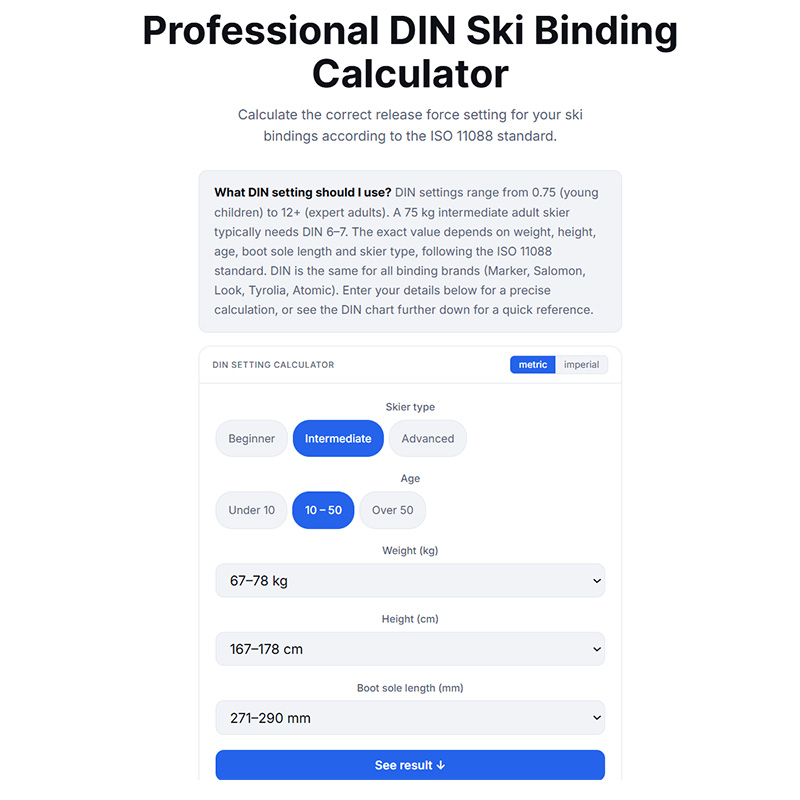
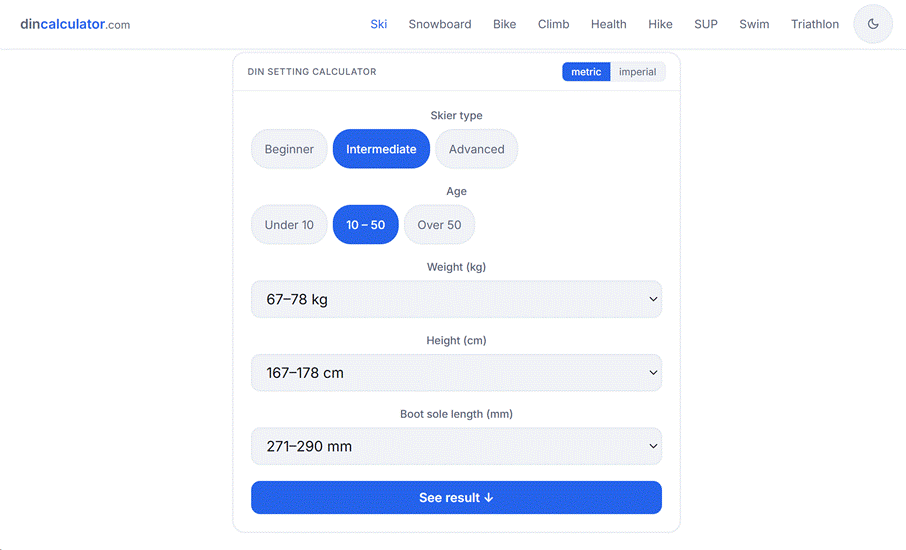
Best for fast, mobile-friendly lookups directly on the mountain or in the garage. Featuring a clean, responsive interface, Professional DIN Ski Binding Calculator is a lightweight tool that lets you calculate your numbers in under 10 seconds without ad distractions or reloading pages.
Key Features:
- Dual unit toggle to switch seamlessly between Imperial (lbs, feet/inches) and Metric (kg, cm) systems.
- Real-time BSL dropdown menus that prevent out-of-range input errors.
- Instant safety output that computes your precise ISO-compliant DIN value for both toe and heel pieces simultaneously.
2. DIN Setting Calculator
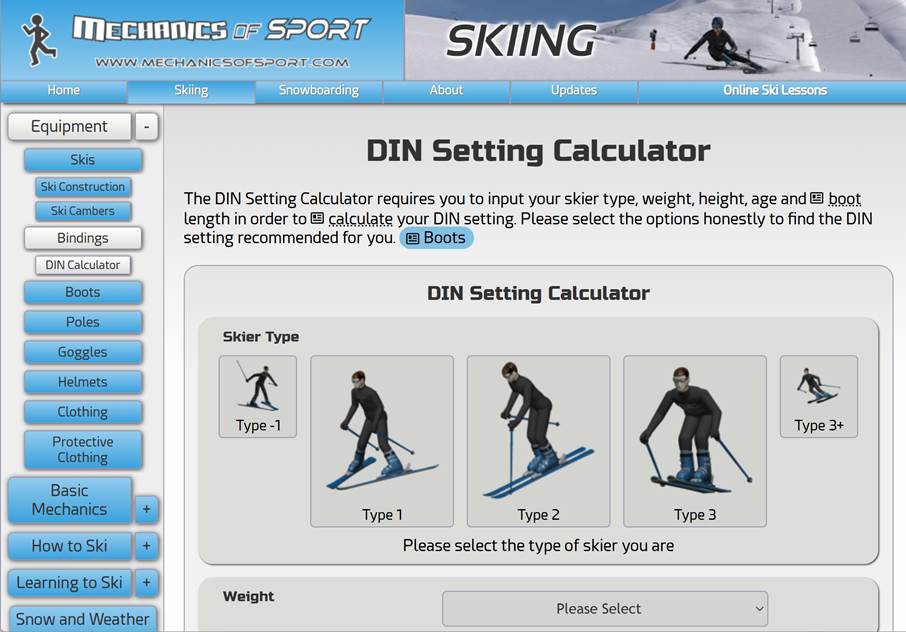
Best for technical enthusiasts and curious skiers who want to understand the exact physics behind their release settings. DIN Setting Calculator acts as both an accurate calculator and an educational masterclass in binding mechanics, helping you learn how spring tension protects your knees.
Key Features:
- Physics and force explanations with diagrams illustrating how boot leverage alters release torque.
- Skier Type self-assessment guide with scenario breakdowns to eliminate self-categorization errors.
- Interactive chart cross-referencing that highlights your position on the official ISO 11088 code matrix alongside your results.
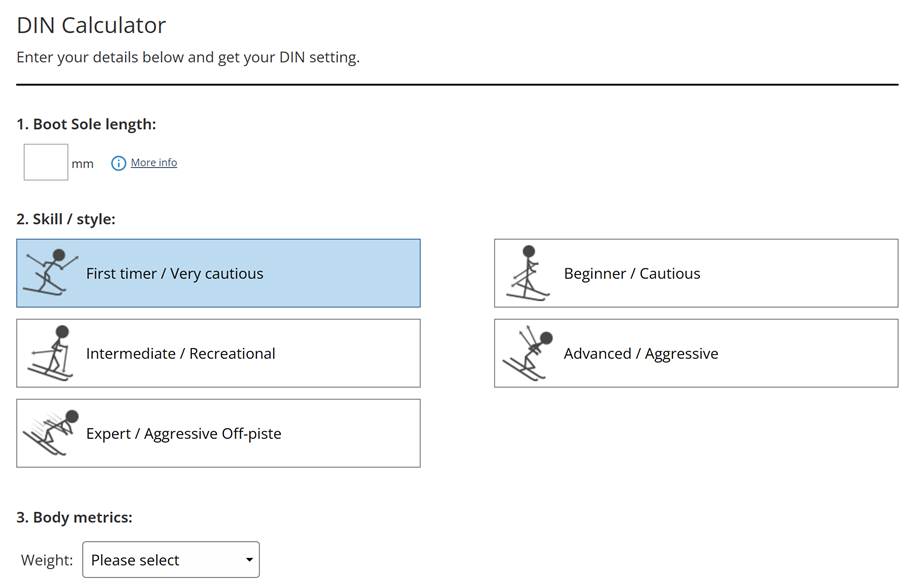
3. Ski Binding DIN Calculator
Best for beginners buying new or secondhand gear online. Built directly into SkatePro’s buyer guides, the Ski Binding DIN Calculator helps first-time shoppers double-check that a prospective binding’s minimum and maximum DIN ranges match their safety requirements before checking out.
Key Features:
- E-commerce gear integration to quickly check if a prospective binding’s DIN range fits your body profile.
- Simplified terminology replacing complex technical jargon with plain-English tooltips for finding BSL stamps.
- Youth safety presets tailored for setting up children’s gear for ages 10 and under.
4. Omni DIN Calculator
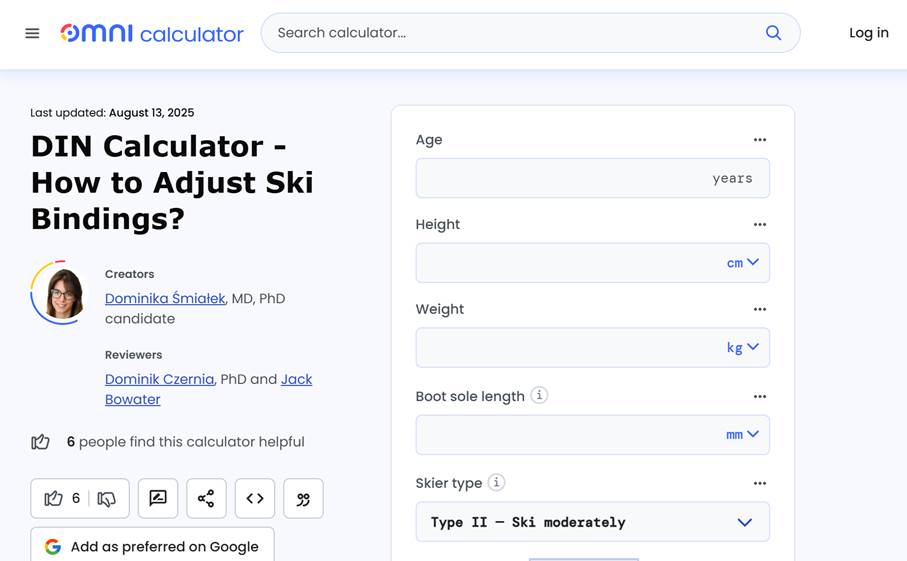
Best for granular unit conversions, mathematical breakdowns, and custom adjustments. Omni Calculator offers complete algorithmic transparency, making it ideal if you use non-standard units or want to see the exact formula at work behind the ISO chart.
Key Features:
- Granular variable inputs supporting mixed measurement systems and custom parameters.
- Step-by-step mathematical breakdown displaying the exact algorithm used to derive your code letter.
- Exportable summary enabling you to print or save your equipment parameters for personal logs or shop references.
5. Freeride DIN Calculator
Best for all-mountain chargers, freeriders, and aggressive skiers. Designed by mountain sports enthusiasts, Freeride DIN Calculator offers a fast, no-nonsense reference tool when you are adjusting equipment for yourself or multiple family members mid-trip at the lodge.
Key Features:
- Aggressive riding focus providing tailored guidance for Type III and Type III+ freeride settings.
- Lightweight web architecture engineered to load quickly on weak 3G/4G mountain signals.
- Quick profile reset button allowing rapid recalculations for multiple friends or family members in one session.
Part 3: Ski Binding DIN Chart Reference (Standard, Salomon & Marker)
While online DIN calculators provide fast answers, referencing a visual Ski Binding DIN Chart gives you a complete, clear picture of how your release torque is calculated under the ISO 11088 standard.
Most major manufacturers—including Salomon and Marker—strictly adhere to this universal ISO metric, though each brand features distinct visual calibration indicators on their physical bindings.
Official Standard Ski Binding DIN Chart (ISO 11088)
To manually determine your DIN setting:
- Locate your Weight and Height row in the left columns (if they fall into different rows, choose the row higher up on the chart).
- Adjust your code letter based on Age (50+ or <10 = move UP 1 row) and Skier Type (Type I = no change, Type II = move DOWN 1 row, Type III = move DOWN 2 rows).
- Follow your final Code Letter across to match your Boot Sole Length (BSL in mm).
| Weight (lbs) | Weight (kg) | Height | Code Letter | BSL: ≤250mm | BSL: 251–270mm | BSL: 271–290mm | BSL: 291–310mm | BSL: 311–330mm | BSL: 331mm+ |
| 22–29 lbs | 10–13 kg | — | A | 0.75 | 0.75 | — | — | — | — |
| 30–38 lbs | 14–17 kg | — | B | 1.00 | 0.75 | 0.75 | — | — | — |
| 39–47 lbs | 18–21 kg | — | C | 1.50 | 1.25 | 1.00 | 0.75 | — | — |
| 48–60 lbs | 22–27 kg | — | D | 2.00 | 1.75 | 1.50 | 1.25 | 1.00 | — |
| 61–78 lbs | 28–35 kg | ≤ 4’7″ | E | 2.50 | 2.25 | 2.00 | 1.75 | 1.50 | 1.25 |
| 79–94 lbs | 36–42 kg | 4’8″–5’0″ | F | 3.00 | 2.75 | 2.50 | 2.25 | 2.00 | 1.75 |
| 95–112 lbs | 43–50 kg | 5’1″–5’3″ | G | 3.50 | 3.00 | 3.00 | 2.75 | 2.50 | 2.25 |
| 113–132 lbs | 51–60 kg | 5’4″–5’6″ | H | — | 4.00 | 3.50 | 3.00 | 3.00 | 2.75 |
| 133–156 lbs | 61–70 kg | 5’7″–5’10” | I | — | 4.50 | 4.50 | 4.00 | 3.50 | 3.50 |
| 157–174 lbs | 71–78 kg | 5’11″–6’1″ | J | — | 5.50 | 5.00 | 4.50 | 4.00 | 4.00 |
| 175–209 lbs | 79–94 kg | ≥ 6’2″ | K | — | 6.50 | 6.00 | 5.50 | 5.00 | 4.50 |
| 210+ lbs | 95+ kg | — | L | — | 7.50 | 7.00 | 6.50 | 6.00 | 5.50 |
Brand-Specific Calibration: Salomon vs. Marker
While both Salomon and Marker use the exact same ISO DIN numerical scale above, reading and setting the values on the bindings differs mechanically between brands.
1. Salomon Binding DIN Chart & Adjustment Notes
- Standard ISO Compliance: Salomon bindings (e.g., STH2, Warden, Strive, Z12) use the standard ISO 11088 DIN chart values without modification.
- Reading the Display: Salomon uses high-contrast numerical windows on the top/front of the toe piece and the back of the heel tower. Turn the adjusting screw until the black indicator line rests directly on your calculated DIN number.
- Special Requirement (Toe Wings & Height): Many Salomon models feature micro-adjustable toe wings and AFD height. When setting up a Salomon binding according to the chart, ensure you also adjust the top toe screw so a business card can barely slide between the boot sole and the anti-friction pad.
2. Marker Binding DIN Chart & Adjustment Notes
- Standard ISO Compliance: Marker bindings (e.g., Squire, Griffon, Jester, Duke) strictly follow the standard ISO DIN table values.
- Reading the Display: Marker bindings feature side-facing or top-facing DIN windows with white indicator markings against a dark spring housing.
- Special Requirement (Forward Pressure Integration): Marker bindings rely heavily on accurate mechanical forward pressure to maintain the DIN release force. When clicking your boot in, the rear track screw must sit completely flush with the plastic housing. If the screw protrudes or sits too deep, the actual release force will deviate from the number displayed in the DIN window.
Part 4: Safety Tips for Setting up Bindings
When setting up your bindings, real-world advice from experienced ski technicians provides invaluable perspective:
1. Calculator Outputs Are Baselines, Not Absolute Rules
Community members frequently point out that a calculator output is a starting point. If you find yourself consistently pre-releasing on modest turns, or if your bindings fail to open during a soft fall, re-evaluate your Skier Type rating.
2. Watch Out for “GripWalk” Sole Incompatibility
Never force a GripWalk boot (ISO 23223) into an older alpine-only binding without checking AFD (Anti-Friction Device) clearance. Binding friction can severely alter your effective release force regardless of what the DIN window says.
3. Always Check Toe AND Heel Windows
A common novice mistake is adjusting the toe piece DIN while forgetting the heel piece. Both indicators must be set identically unless prescribed otherwise by a certified technician.
4. Inspect Mechanical Forward Pressure First
DIN tension means nothing if your forward pressure isn’t set correctly. Ensure the heel track adjustment screw sits flush with its housing before trusting your DIN setting.
Part 5: Complete Your Mountain Safety: Helmets & Goggles by FukoSports
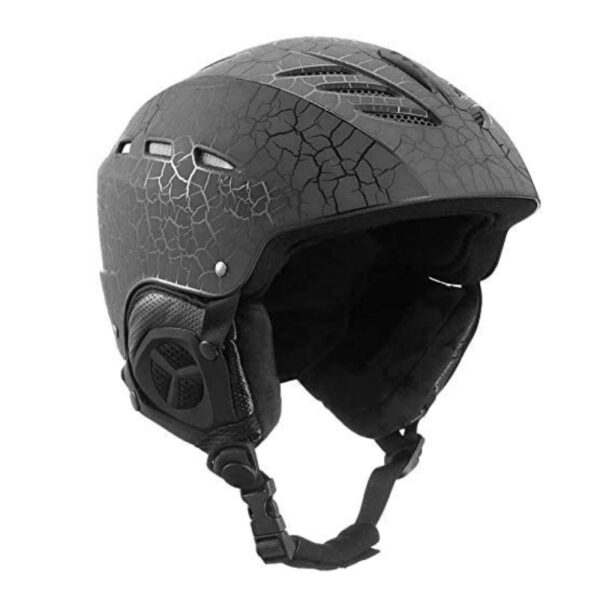
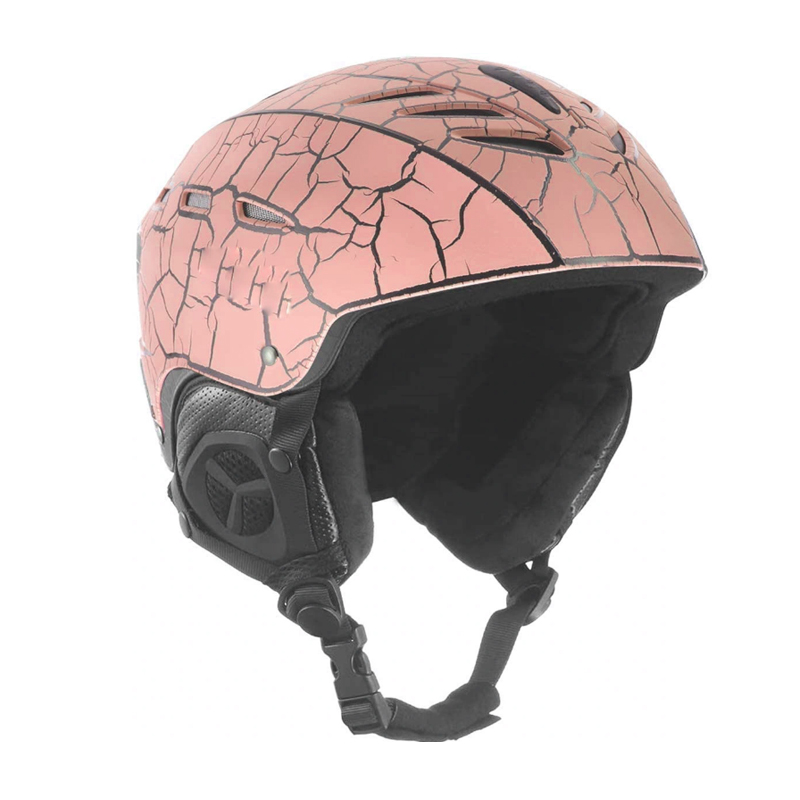
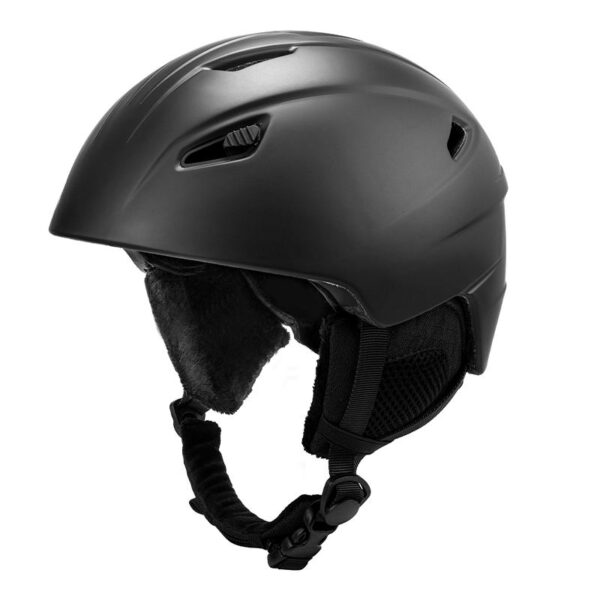
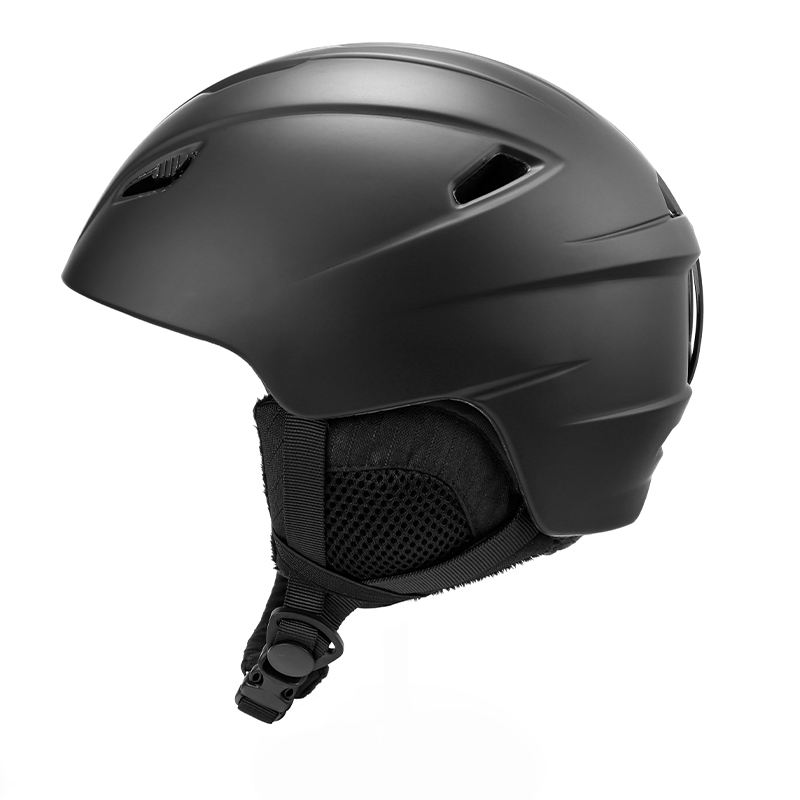
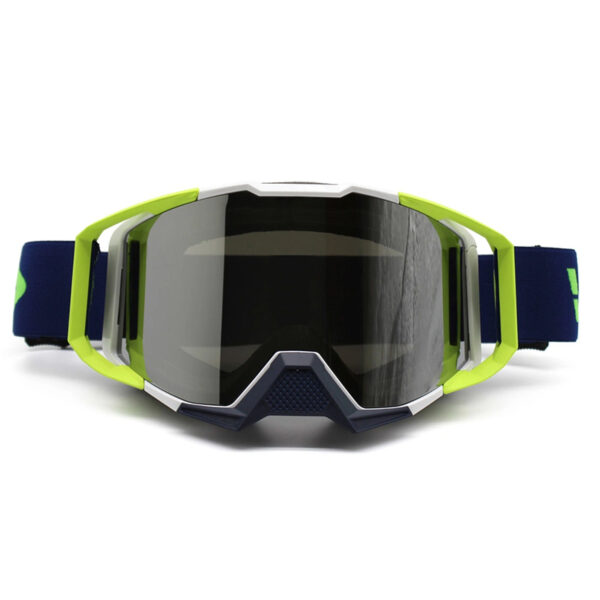
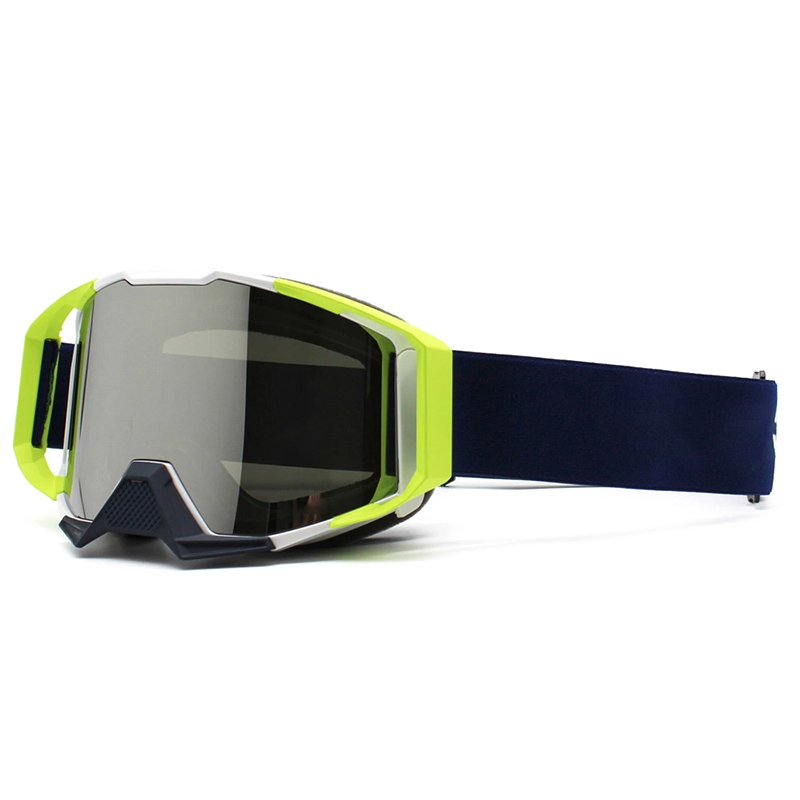
While properly calibrated bindings protect your knees and legs, complete mountain safety demands equal protection for your head and vision. Once your DIN settings and forward pressure are dialed in, pairing your setup with high-performance protective gear ensures clear visibility and maximum impact protection.
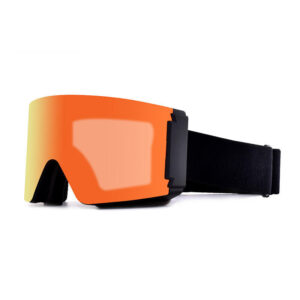
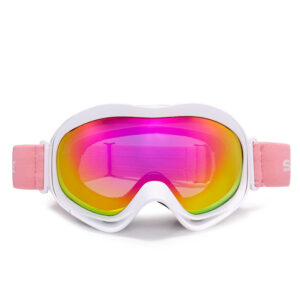
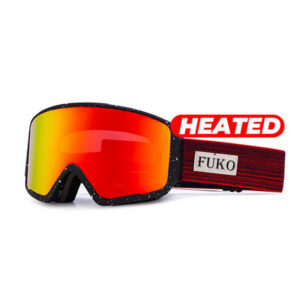
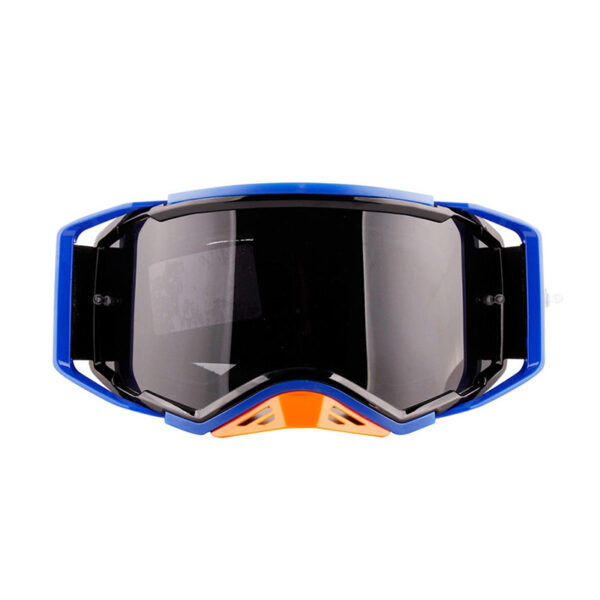
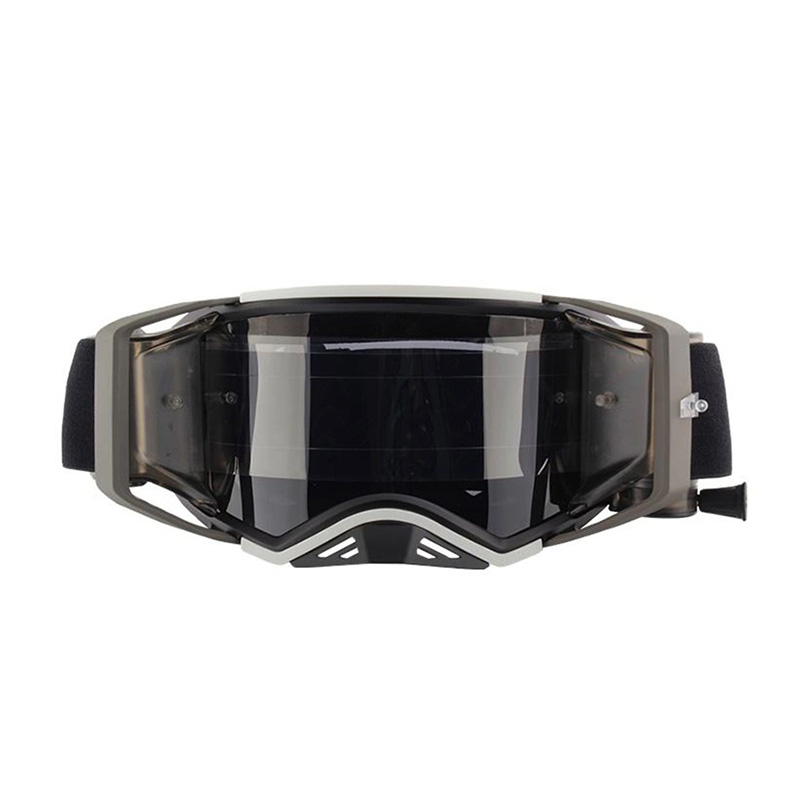
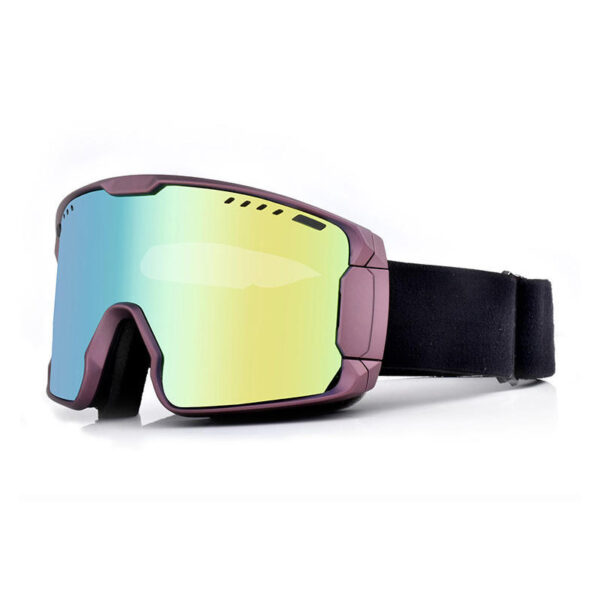
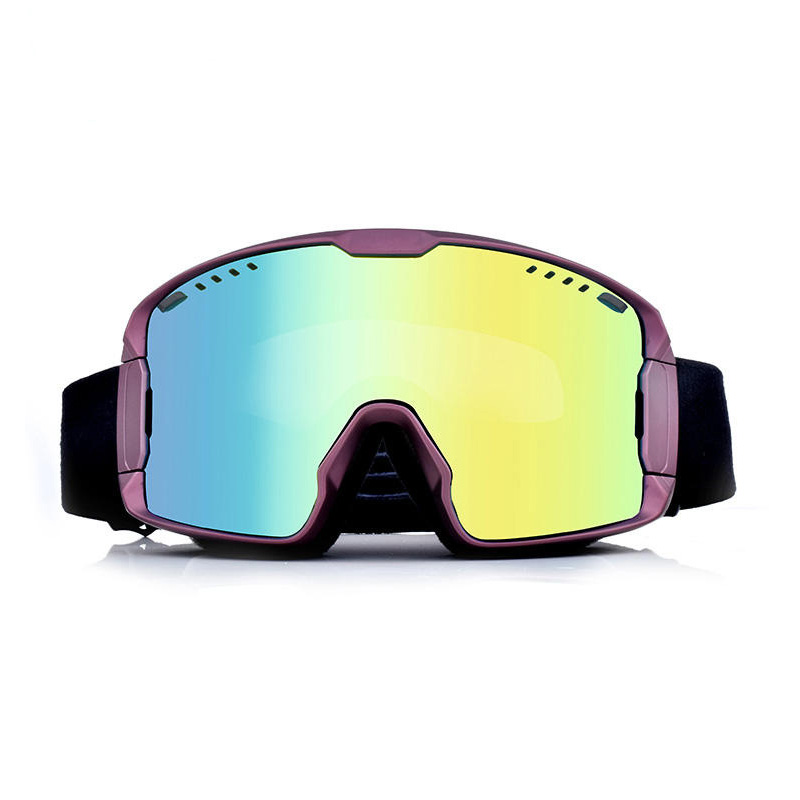
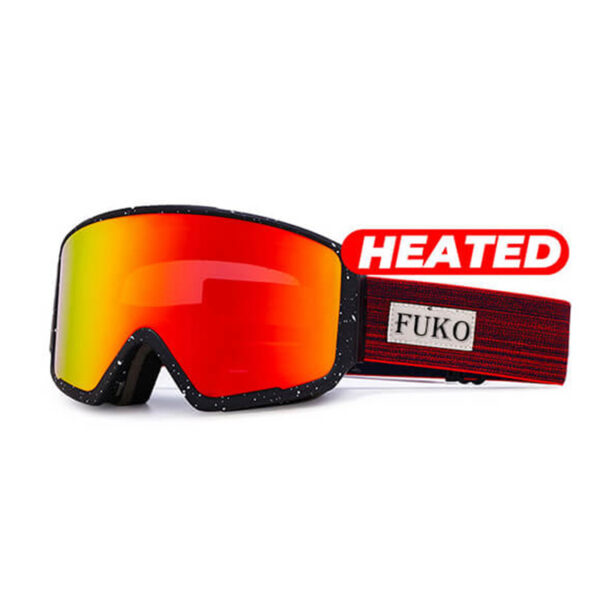
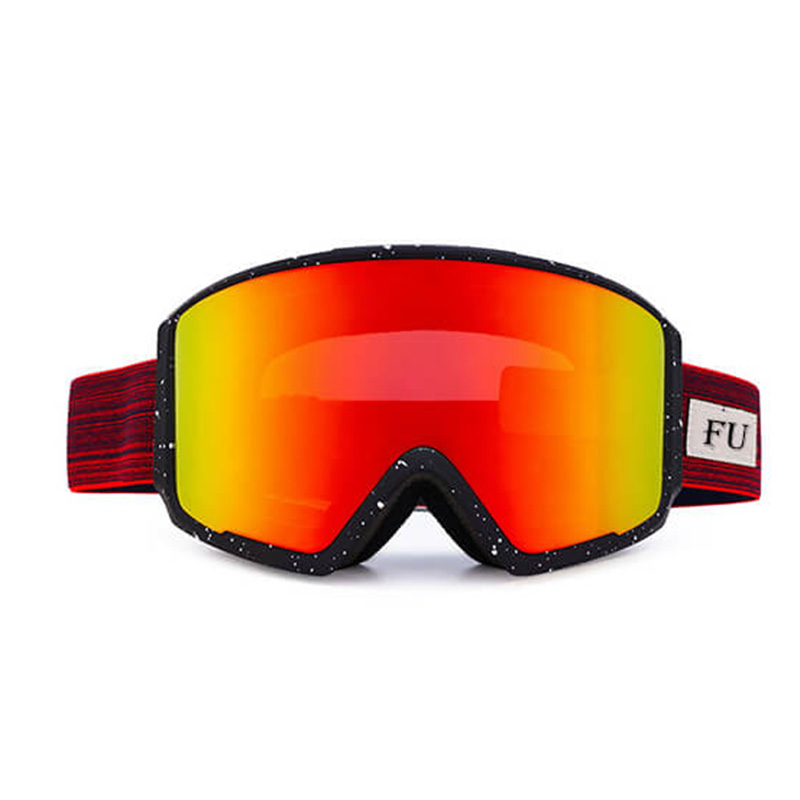
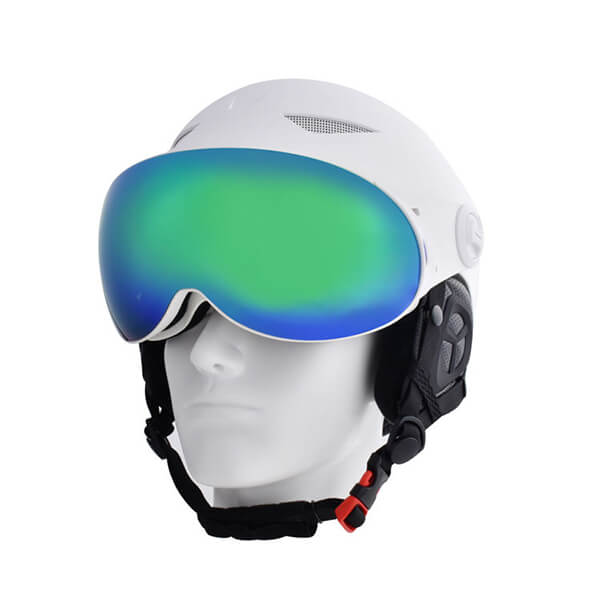
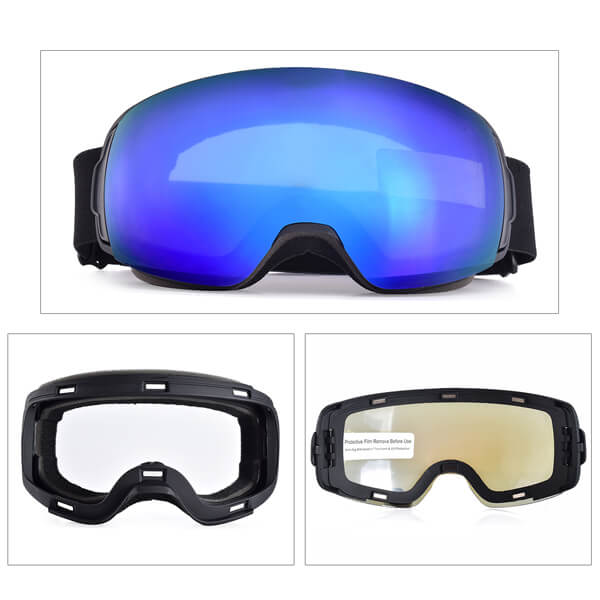
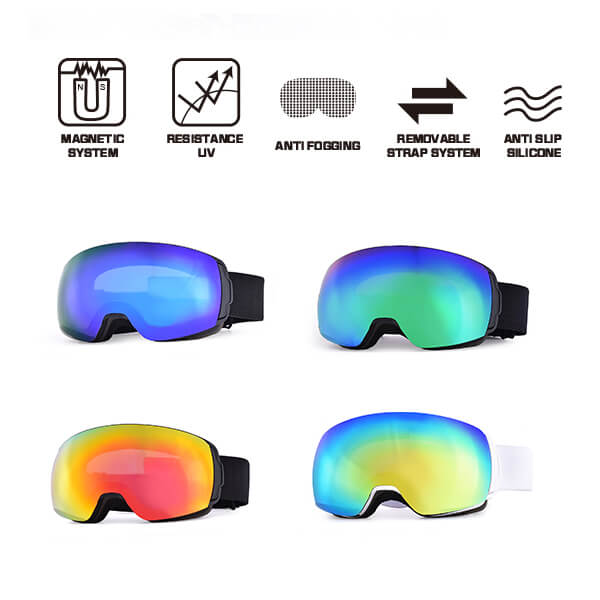
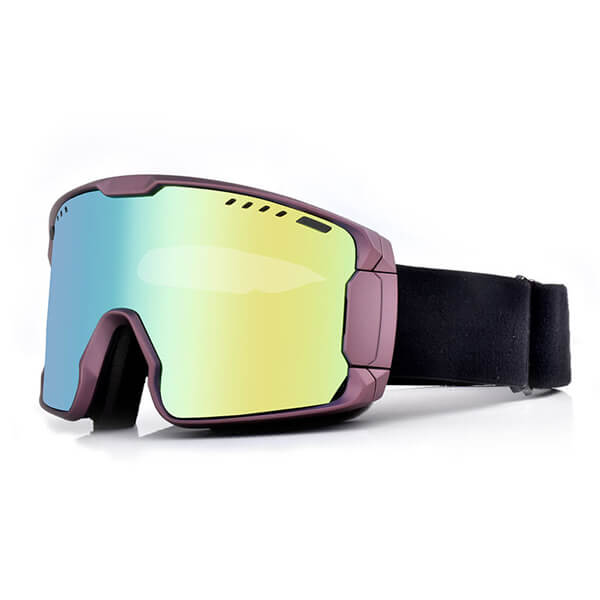
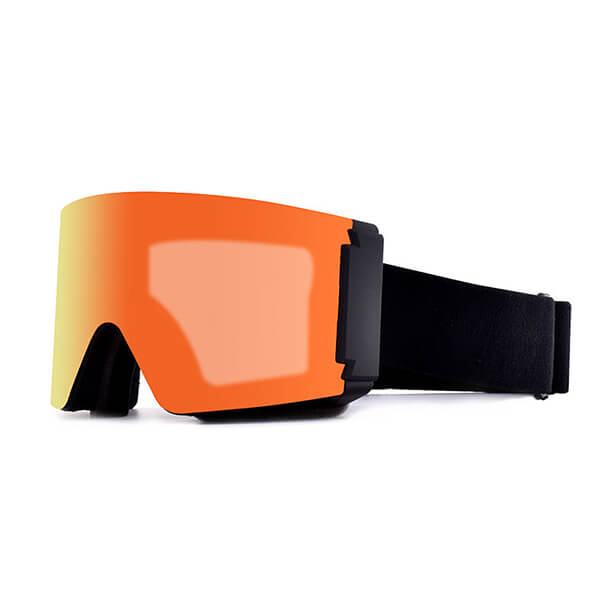
FukoSports specializes in premium ski goggles, dual-shell ski helmets, and sports eyewear engineered for extreme alpine conditions. Featuring electrothermal anti-fog lenses, magnetic quick-change systems, and Over-The-Glasses (OTG) prescription compatibility, FukoSports gear delivers crystal-clear optics and seamless helmet integration on every run.
FukoSports offers factory-direct pricing, low MOQ policies, rapid lead times, and 24/7 dedicated support. Whether you are gearing up for the slopes or expanding your custom sports eyewear line, visit Wholesale Custom Ski Goggles In China-FukoSports to explore industry-leading snow optics and helmet protection.
Part 6: FAQs about Ski Binding DIN Calculators
1. What happens if my ski binding DIN is set too high?
If your DIN is set too high, the binding will fail to release during a fall. This transfers extreme rotational torque directly to your tibia, knee joint, and ligaments, vastly increasing the risk of ACL/MCL tears and bone fractures.
2. What happens if my DIN is set too low?
If your DIN is set too low, your binding will “pre-release.” This means your ski will pop off unexpectedly when carving at high speeds, landing a jump, or riding through heavy snow, which can cause severe high-speed crashes.
3. Can I set my toe and heel to different DIN numbers?
No. Under standard conditions, both toe and heel pieces must be set to the same DIN value. Uneven settings disrupt the predictable release mechanics designed by manufacturers.
4. Why does Boot Sole Length (BSL) affect my DIN calculation?
Boot sole length dictates physical leverage. A longer boot shell acts as a longer lever arm against the binding spring. Therefore, a larger boot size requires a lower numerical DIN setting to release under the same amount of leg torque.
5. How often should I check or re-calculate my DIN settings?
You should re-check your DIN settings at the beginning of every ski season, or whenever you experience significant changes in body weight (5–10+ kg), upgrade to new ski boots, or shift your skiing style (e.g., progressing from intermediate to aggressive all-mountain).
Conclusion
Calculating your ski binding DIN setting doesn’t have to be intimidating. By using trusted tools like Professional DIN Ski Binding Calculator or DIN Setting Calculator, cross-referencing official ISO charts, and verifying your forward pressure, you can safely set up your equipment at home.
Remember: lower-body safety starts with calibrated bindings, but top-tier slope performance requires total protection. Pair your dialed-in skis with premium helmets and electrothermal goggles from FukoSports to enjoy every mountain run with complete confidence!