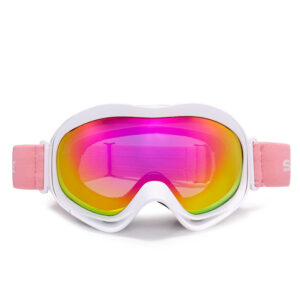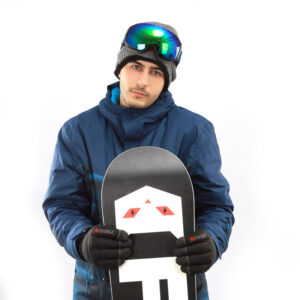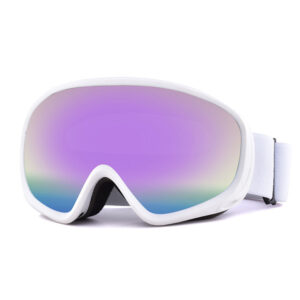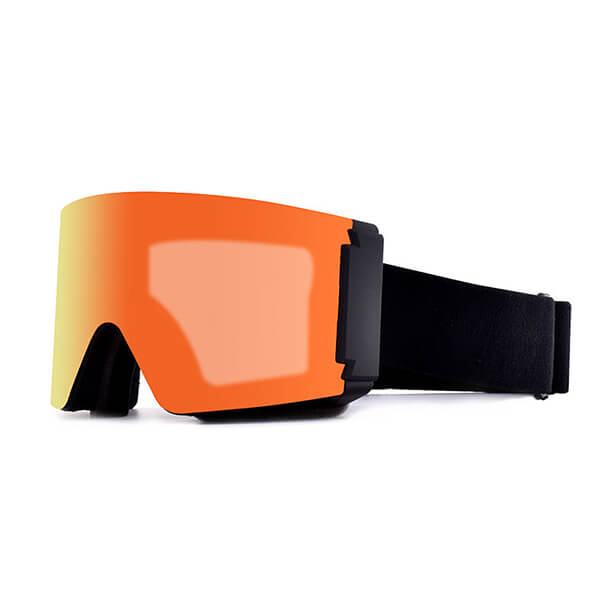
If you wear glasses full-time, skiing presents a problem that contact lens wearers never have to think about: how do you see clearly on the mountain without your glasses fogging up, getting crushed, or sliding off your face?
You have two real options. OTG (Over-The-Glasses) goggles let you wear your everyday frames inside the goggle. Prescription inserts are a small Rx carrier that snaps inside the goggle, replacing your glasses entirely. Each has passionate defenders and frustrated critics.
This guide breaks down the trade-offs so you can make the right call for your face, your prescription, and your skiing style.
Quick verdict: OTG ski goggles are cheaper and simpler but demand a meticulous fit and often deliver more fog. Prescription inserts for ski goggles cost more upfront but solve the comfort and fog problems that make OTG frustrating for frequent skiers.
At a Glance: OTG vs. Prescription Inserts
| Factor | OTG Goggles | Prescription Inserts |
| Upfront cost | Lower (goggle only) | Higher (goggle + insert + glazing) |
| Everyday glasses | Worn inside goggle | Not worn inside goggles |
| Fog risk | Higher (two cold surfaces) | Lower (one prescription surface) |
| Pressure / headaches | Common if fit is poor | Rare |
| Peripheral vision | Good if frames are slim | Good on modern designs; older inserts can tunnel |
| Lift goggles at lunch | You can still see | You lose vision when goggles are off |
| Prescription changes | Just update your glasses | Need a new insert |
| Best for | Occasional skiers, mild Rx, slim frames | Frequent skiers, strong Rx, all-day comfort |
| Fitting difficulty | High—must try with helmet + glasses | Moderate—verify goggle compatibility |
Part 1. What OTG Goggles Actually Are (And Who They Work For)
OTG stands for “Over The Glasses.” These glasses-compatible ski goggles have extra internal volume, temple channels cut into the face foam, and a deeper frame profile so your glasses can sit naturally without being pressed into your cheeks or nose.
The concept is straightforward: pull the goggles over your existing glasses and go. No extra prescription cost. No learning curve. You lift your goggles at lunch, and you can still see the menu.
But “OTG” on a product page doesn’t guarantee a good fit. The reality is messier. Many over-the-glasses ski goggles are barely wider than standard models, and if your glasses have thick temples, large lenses, or a wider bridge, they simply won’t sit comfortably. Users report tension headaches, glasses getting stuck inside the goggle, frame damage, and persistent fogging that no anti-fog spray seems to solve.
OTG Fit Checklist
| Check | Why It Matters |
| Temple channels in foam | Prevents the goggle frame from pressing your glasses into your head |
| Deep internal volume | Gives your lenses room so they don’t touch the goggle lens |
| Helmet compatibility | A helmet can push the goggle down and ruin an otherwise good fit |
| Vent placement | Vents blocked by your helmet brim = instant fog |
| Actual try-on with your glasses | The only way to know if “OTG” means anything for your face |
OTG ski goggles work best if: You have a lighter prescription, wear slim or athletic frames, ski primarily in dry cold conditions, and want the cheapest solution that lets you keep your everyday glasses.
They struggle if: You have a strong prescription, large or stiff frames, run hot, or ski in humid or wet conditions where fogging becomes relentless.
The single most important rule for OTG
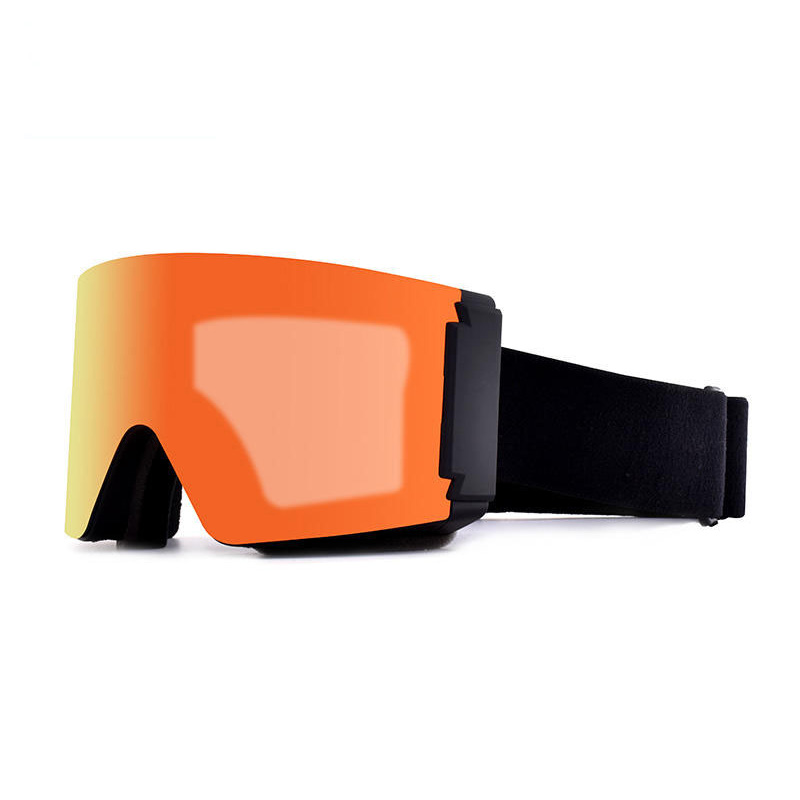
Try them on in person, with your helmet, with your glasses. A goggle that seals beautifully on your bare face may become a torture device once your helmet presses it down onto your nose. Bring everything to the shop. This is not a purchase to make blind online.
Part 2. Prescription Inserts: The Case for Leaving Your Glasses Behind
A prescription insert for ski goggles is a small frame that clicks or docks inside your goggle, positioned just behind the outer lens. Your optician glazes it to your prescription. You never wear your everyday glasses inside the goggle at all .
For many glasses-wearing skiers, this is the upgrade that changes everything. The complaints that plague OTG setups—temple pressure, glasses shifting, frames getting bent, fog building on two surfaces—largely disappear. The insert sits in the warm air space inside the goggle, and because there’s no frame pressing against your head, you can wear the goggle comfortably all day.
Pros and Cons of Inserts
| Pros | Cons |
| No temple pressure or headaches | Higher upfront cost |
| Less fog than OTG | Must buy a new insert when Rx changes |
| Glasses stay safe in your pocket or locker | Goggle compatibility varies by brand |
| Can keep the same goggle after LASIK | You lose vision when goggles are lifted |
| Often covered by vision insurance | Some older designs narrow peripheral vision |
The trade-offs are real, though. Inserts cost more upfront. You need a new insert when your prescription changes. And not every insert system fits every goggle—compatibility matters. Smith’s I/O MAG XL, for example, is specifically designed to work with both OTG use and Smith’s Optical Docking System (ODS) inserts, giving you a path to switch later if you want .
Fogging with inserts is generally better than with glasses underneath, but it doesn’t vanish entirely. Some users report that inserts can fog more than a bare goggle would, especially if you’re working hard or skiing slowly. Peripheral vision can also feel slightly narrower with some insert designs, though newer models like ApexSpecs Insert Pro have largely addressed the “tunnel vision” complaint that plagued older systems .
Prescription inserts make the most sense if: You ski frequently, prioritize all-day comfort and clarity, have a strong prescription, or simply want to stop fighting with your glasses every run.
Part 3. The Fog Problem: Why It Happens and What Actually Helps
Fog is the enemy of every glasses-wearing skier, and understanding why it happens tells you which solution will work better for you.
Fog forms when warm, moist air from your face meets the cold surface of your lenses. With OTG, you have two cold surfaces—your glasses and your goggle lens—trapping warm air between them. That’s why OTG fogging is often worse than people expect.
With an insert, you have only one prescription surface, and it sits in a warmer air pocket. Less temperature differential means less fog. This is the single biggest practical argument for inserts over OTG.
Anti-Fog Tactics That Actually Work
| Situation | What to Do | What to Avoid |
| OTG, glasses fogging | Apply anti-fog treatment to your glasses | Wiping the inside of your goggle lens |
| OTG, goggle fogging | Check that your helmet isn’t blocking vents | Pulling goggles onto your forehead (sweat = fog) |
| Insert, fogging on lift | Let goggles cool gradually when leaving a warm lodge | Breathing heavily into your face mask |
| Any setup, wet snow | Use a dry microfiber cloth only | Wiping a wet goggle lens (destroys coating) |
| Face mask routing | Choose a mask that directs breath downward | Masks that push breath up into the goggle |
Part 4. The Progressive Lens Problem (Read This Before You Order)
If you wear progressive lenses, do not automatically order a progressive insert.
Multiple experienced skiers report that progressive inserts can distort depth perception on descents, making stairs, moguls, and variable terrain feel disorienting. One longtime insert user put it bluntly: “I wouldn’t want to ski in progressive inserts” .
The safer approach for most skiers is a single-vision distance prescription in the insert, paired with a cheap pair of readers in your pocket for reading trail maps or menus in the lodge. You lose nothing on the mountain and avoid the risk of an optical setup that messes with your balance when you need it most.
Rule of thumb: If you’re not already completely comfortable with progressives in active sports, don’t make skiing the place you find out.
Part 5. The Helmet-Goggle-Glasses System: Fit Is Everything
Whether you choose OTG or inserts, the goggle doesn’t work in isolation. It interfaces with your helmet, and a bad interface ruins everything.
OTG + Helmet: The Pressure Problem
With OTG, the helmet can push the goggle down onto your glasses, flaring the temples outward and creating pressure points that feel fine for five minutes and unbearable after an hour. The solution: always try goggles with your helmet fully in its skiing position. Not loose. Not pushed back. The way you actually wear it on the mountain.
Look for OTG ski goggles with temple channels in the foam, deeper frame volume, and vent placement that won’t be blocked by your helmet’s brim. Smith, Giro, and Scott all make OTG models with these features, but even within a brand, fit varies wildly. The Scott Split OTG, for example, gets unusually strong reviews from users with large “clunky” glasses because it adds roughly a quarter-inch of extra space between the goggle lens and the glasses lens. That kind of specific geometry matters more than the “OTG” label.
Insert + Helmet: The Seal Problem
For inserts, helmet fit still matters, but the pressure points shift. You’re no longer worried about glasses temples being crushed—you’re focused on whether the goggle itself seals cleanly and whether the insert stays in place during aggressive skiing. A well-designed insert system should not shift or come loose in a crash.
Practical Recommendations by Scenario
| Your Situation | Recommended Path | Why |
| Ski 1–2 times per season, mild Rx | OTG goggles | Cheapest, simplest, no insert cost |
| Ski regularly, hate gear fiddling | Prescription insert | All-day comfort, less fog, no pressure |
| Strong Rx or large frames | Prescription insert | OTG becomes foggy and uncomfortable fast |
| Planning LASIK soon | Prescription insert | Bridge solution; keep goggles after surgery |
| Can tolerate contacts for a few hours | Daily disposables for ski days | Best performance if your eyes allow it |
| Progressive lens wearer | Single-vision insert + readers | Avoids depth perception distortion on descents |
| Wants to lift goggles and still see | OTG goggles | Inserts leave you blind when goggles are off |
Extra Tip: What Brands and Retailers Should Look For in an OTG Supplier
If you’re reading this as a brand owner, retailer, or distributor, the same technical challenges define what you should demand from a sports eyewear manufacturer.
The OTG category lives or dies on three engineering details: internal volume, temple channel geometry, and vent placement. A supplier that treats “OTG” as a marketing label rather than a fit specification will generate returns, complaints, and one-star reviews.
Fog management is the second battleground. Heated lens technology, magnetic lens systems, and switchable venting are what separate a sellable OTG line from a commodity one. A supplier with in-house lens cutting, injection, and assembly can control those variables instead of outsourcing them.
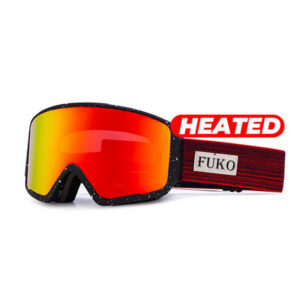
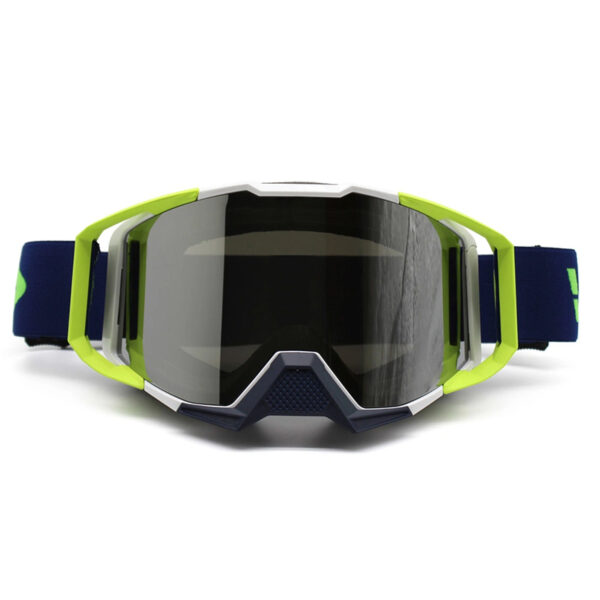
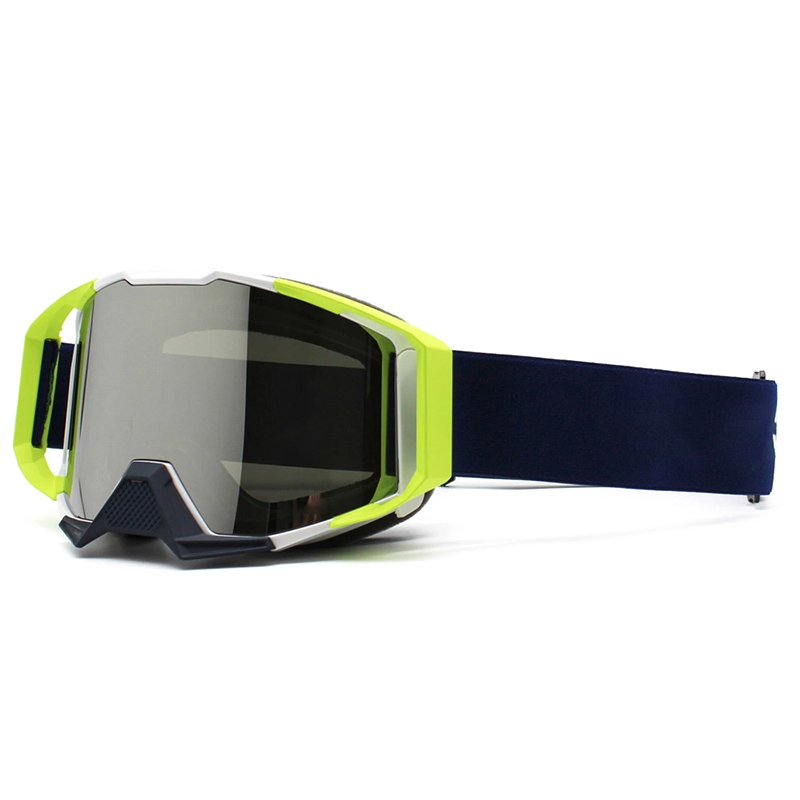
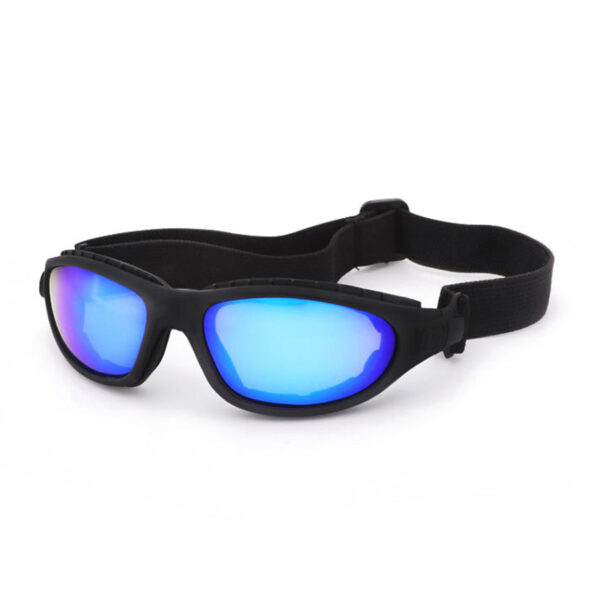
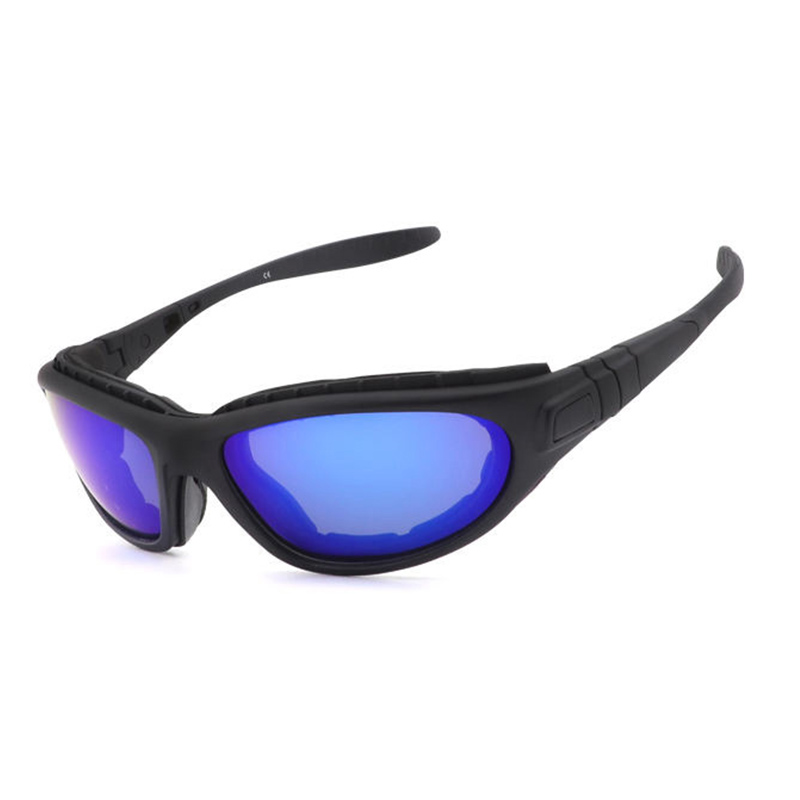
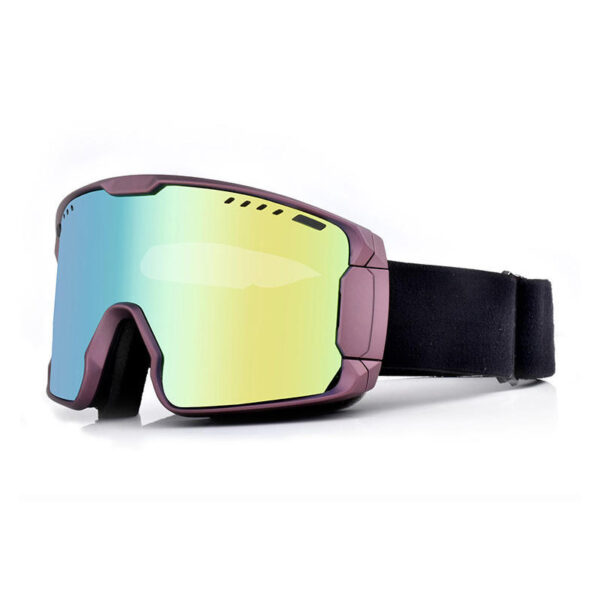
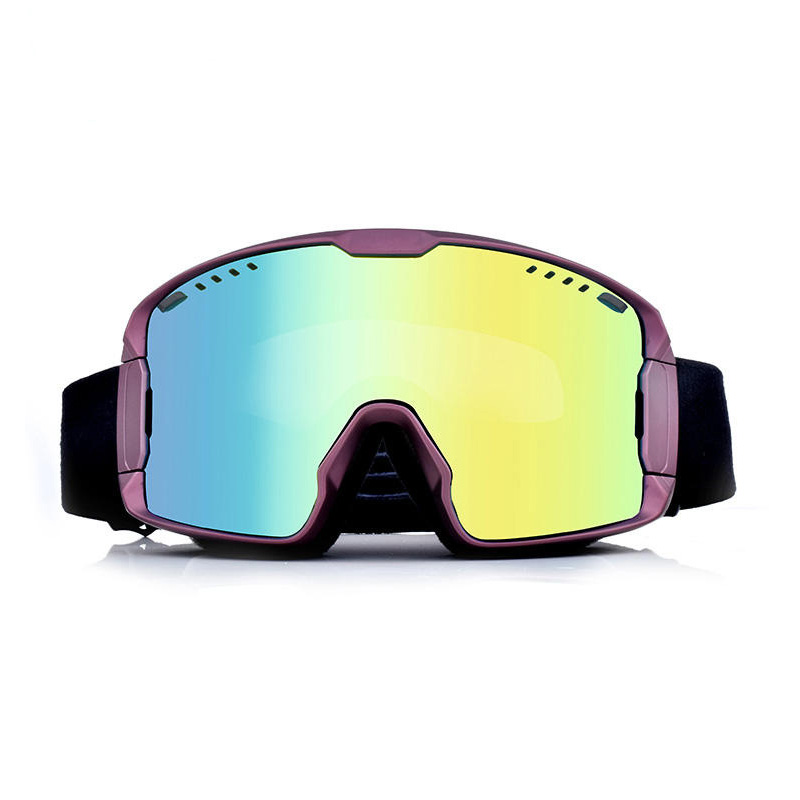
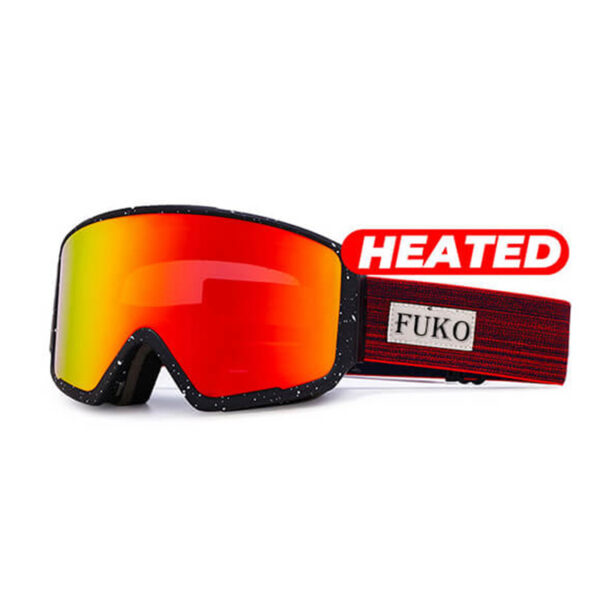
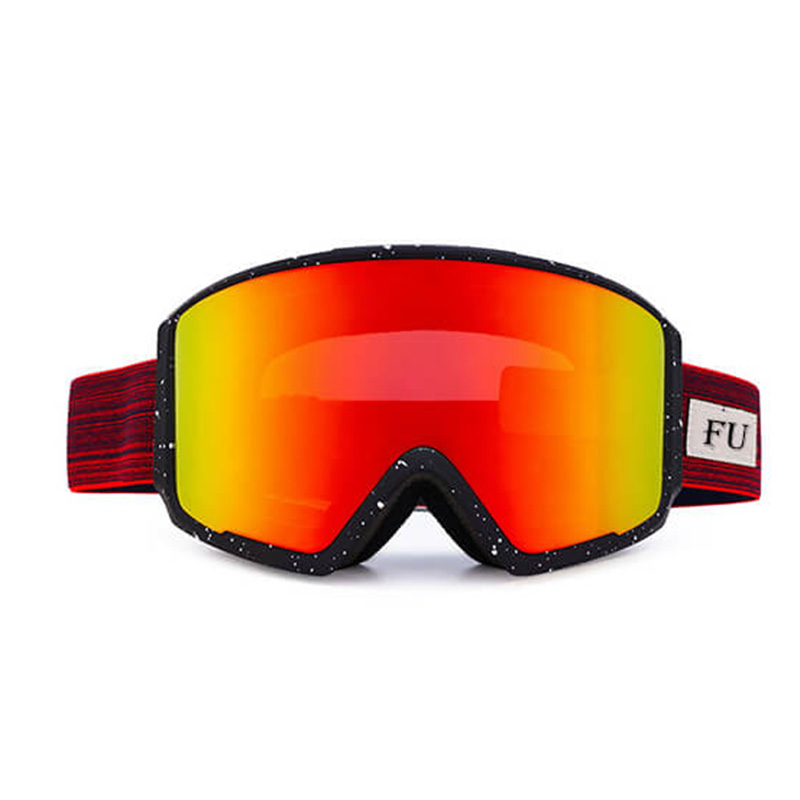
This is where a partner like FukoSports fits in. As a custom ski goggles manufacturer with 9+ years of experience, FukoSports builds ski goggles, motocross goggles, sport sunglasses, and ski helmets for brands worldwide—with factory pricing, low MOQ, and shorter lead times. FukoSports’s OTG-ready catalog includes the Electrothermal OTG Heated Ski Goggles with heated lens and magnetic design, and the Mirrored Ventilated Ski Goggles with lens lock and switchable venting.
For brands sourcing eyewear that must accommodate prescription users, working with a manufacturer that already engineers around glasses compatibility shortens development cycles and reduces fit-related risk. Review the full capabilities at fukosports.com.
FAQs about OTG Goggles and Prescription Inserts
Q1: Can I wear my regular glasses under OTG ski goggles?
Yes—but only if the goggles are genuinely designed for it. Look for temple channels in the face foam, deep internal volume, and a frame that doesn’t press your glasses into your nose. Always try them on with your helmet and glasses together, because a goggle that feels fine on a bare face can become painful after an hour on the mountain.
Q2: Do prescription inserts for ski goggles work with progressive lenses?
They can, but most skiers shouldn’t order progressives. Progressive inserts often distort depth perception on descents, making moguls and variable terrain feel disorienting. A single-vision distance insert plus a cheap pair of readers in your pocket is the safer setup.
Q3: Which fogs less—OTG goggles or prescription inserts?
Inserts generally fog less. With OTG, you have two cold surfaces (your glasses and the goggle lens) trapping warm air between them. An insert has only one prescription surface sitting in a warmer air pocket, so the temperature differential is smaller.
Q4: What’s the best ski goggle setup for someone who can’t wear contacts?
If you ski regularly, a prescription insert is usually the better long-term answer—no temple pressure, less fog, and all-day comfort. If you ski once or twice a season with a mild prescription, OTG goggles are the cheaper, simpler option.
Q5: Can I use OTG goggles with my ski helmet?
Yes, but helmet compatibility is where most OTG setups fail. A helmet can push the goggle down onto your glasses, flaring the temples and creating pressure points. Always test the goggle with your helmet fully in its skiing position—not loose, not pushed back.
Q6: Are OTG ski goggles worth it for occasional skiers?
For occasional skiers with a mild prescription and slim frames, yes. OTG goggles cost less than inserts and let you keep your everyday glasses. But if your frames are large or your prescription is strong, inserts will save you a lot of frustration.
Q7: Do I need a new prescription insert if my vision changes?
Yes. An insert is glazed to your specific prescription, so any change means a new insert. Your goggle itself stays the same—which is why inserts are a good bridge solution if you’re planning LASIK.
The Bottom Line
There’s no universally “better” answer. OTG ski goggles are cheaper and simpler but demand a meticulous fit and often deliver more fog. Prescription inserts for ski goggles cost more and require prescription management, but they solve the comfort and fog problems that make OTG frustrating for frequent skiers.
The worst outcome is buying either option online without testing. If you go OTG, try before you buy with your helmet and glasses. If you go insert, verify compatibility with your specific goggle model and talk to your optician about single-vision versus progressive lenses.
Your eyesight is the most important piece of gear you bring to the mountain. Get this part right, and you’ll stop thinking about your glasses and start thinking about your turns.