When snow blankets the landscape, the world transforms into an outdoor playground. From thrill-seekers carving down alpine peaks to endurance athletes gliding through frozen pine forests, winter snow sports offer some of the most dynamic physical challenges and breathtaking scenery on Earth.
Whether you are looking to try a new cold-weather activity, watch the Winter Olympic Games on TV, or explore sports options for your school season, this sports, key categories and frequently asked questions.
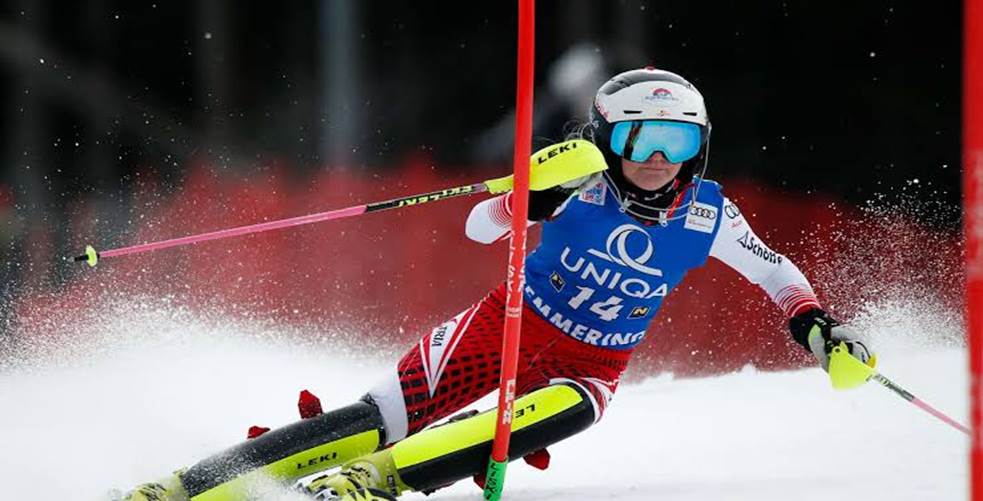
Alpine skiing at speed. Source: Olympics.com
Quick Overview: Top 10 Most Popular Winter Snow Sports
Here is a quick reference table comparing the top 10 most popular sports played on snow:
| Rank | Sport | Category | Skill Level | Olympic Sport? |
| 1 | Alpine Skiing | Downhill / Slalom | Beginner to Expert | Yes |
| 2 | Snowboarding | Freestyle / Alpine | Beginner to Expert | Yes |
| 3 | Cross-Country Skiing | Nordic / Endurance | Beginner to Advanced | Yes |
| 4 | Freestyle Skiing | Aerials / Moguls / Park | Intermediate to Expert | Yes |
| 5 | Biathlon | Nordic / Target Shooting | Advanced to Expert | Yes |
| 6 | Ski Jumping | Nordic / Aerial Launch | Advanced to Professional | Yes |
| 7 | Snowmobiling | Motorized / Snocross | Intermediate to Advanced | No (Pro Leagues) |
| 8 | Snowshoeing | Trekking / Endurance | Beginner-Friendly | No |
| 9 | Sledding & Tobogganing | Recreation / Gravity | All Ages | No (Luge/Bobsled derivatives exist) |
| 10 | Ski Mountaineering (Skimo) | Backcountry / Climbing | Advanced to Expert | Yes (2026 Debut) |
Part 1: Top 10 Most Popular Winter Snow Sports
1. Alpine Skiing (Downhill Skiing)
Alpine skiing is the foundational giant of snow sports. Picture this: speeding down a freshly groomed mountain trail, using long edge-controlled skis to carve through sharp turns while gravity pulls you downhill.
From leisurely family carving on gentle “blue” runs to intense Slalom and Downhill racing on steep, icy faces, Alpine skiing combines high-velocity thrill with tactical physical control. It remains the most widely practiced snow sport globally, with an estimated 200 million recreational participants each year. The World Cup circuit dominates winter sports TV every weekend from October to March, and Olympic Alpine events consistently draw the highest ratings of any snow discipline.
2. Snowboarding
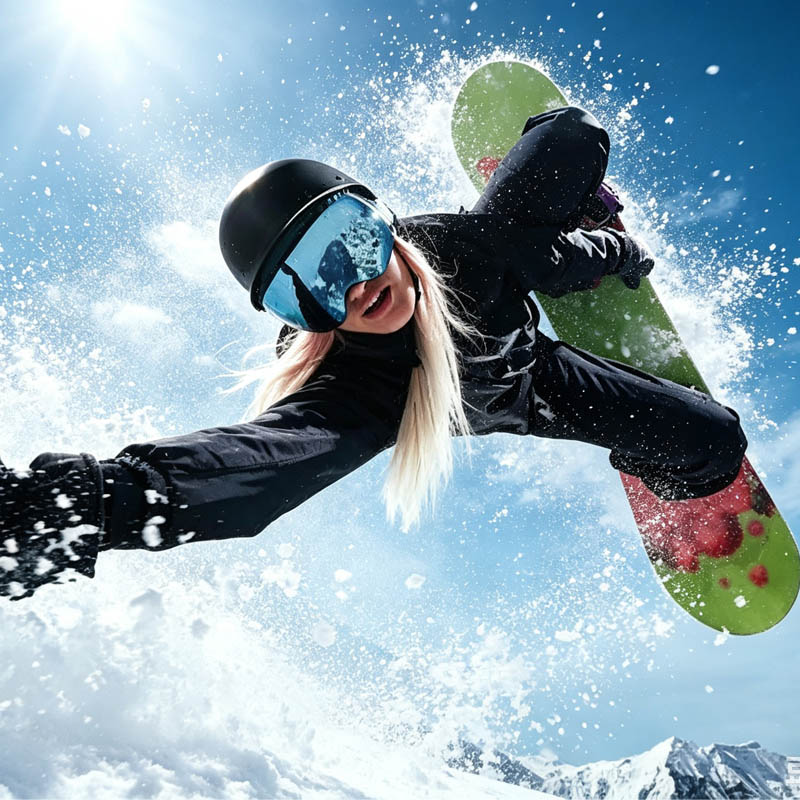
Born on the fringes of surf and skate cultures in the late 20th century, snowboarding completely transformed winter mountain culture. Riders stand sideways on a single board, using heel and toe pressure to carve through snow.
The vibe is unmistakable: snowboarding is as much an expressive lifestyle as it is a sport—celebrated for park jumps, massive halfpipe air time, and deep-powder backcountry freestyle. In the 2026 Olympics, the men’s halfpipe final made history when three riders landed back-to-back 1620s (four-and-a-half rotations), and the judges awarded all three perfect 100s—the first time that’s ever happened in an Olympic event.
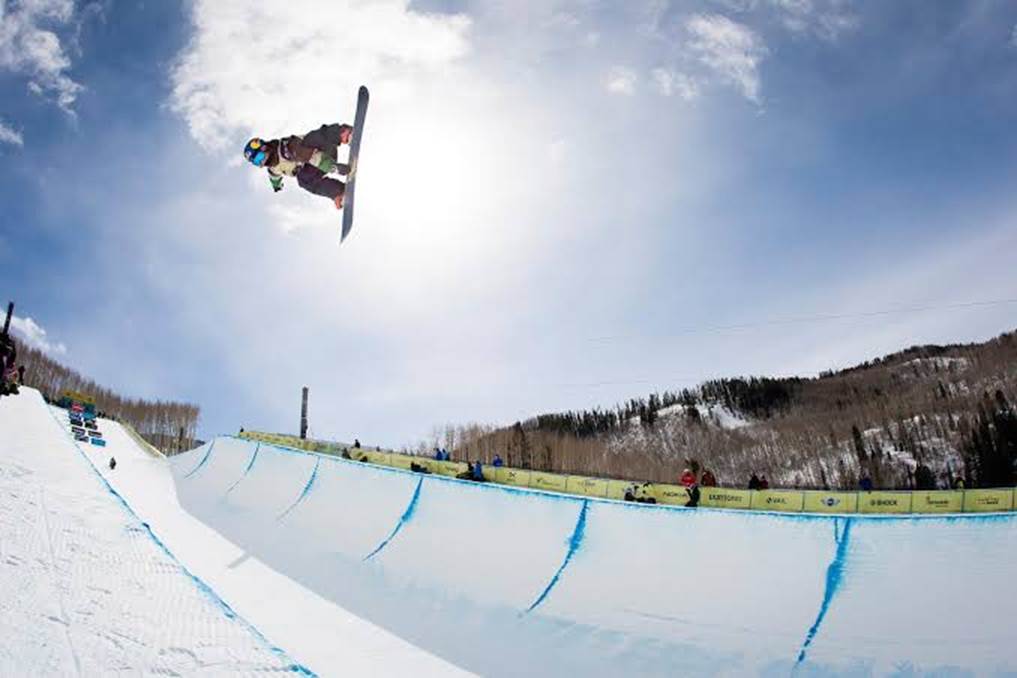
Snowboarder launching off halfpipe. Source: Red Bull
3. Cross-Country Skiing (Nordic Skiing)
If Alpine skiing is about harnessing gravity, Cross-Country skiing is pure human endurance. Athletes navigate flat or rolling snow-covered wilderness using lightweight skis with free-heel bindings. The heart rates stay at 90% of maximum for over an hour. The distances are punishing: 10 to 50 kilometers of racing across varied terrain.
Participation stats: In Scandinavia, cross-country skiing is a lifestyle, not just a sport. Norway alone has over 3,000 kilometers of groomed trails, and the sport’s accessibility makes it one of the few winter activities where you can start at any age and continue into your 70s.
4. Freestyle Skiing
Freestyle skiing turns natural terrain into an acrobatic playground. It merges high-speed ski control with mid-air flips, twists, and technical maneuvers. The 2026 Olympics introduced ski Big Air to the main program, and it instantly became the most shared event on TikTok.
Major competition formats:
- Moguls: Navigating dense snow bumps followed by aerial jumps. It’s the original freestyle discipline, debuting in the 1992 Olympics.
- Aerials: Launching off massive snow ramps and performing multiple flips and twists before landing on a steep downhill slope. Skiers reach heights of 15-20 feet and can complete up to five rotations.
- Slopestyle/Halfpipe: Rail slides, jump combinations, and technical trick sequences scored for difficulty, execution, and style. These events dominate the X Games and appeal to the younger generation.
5. Biathlon
Biathlon presents one of the most brutal physiological contrasts in all of sports. Competitors push their cardiovascular limits on a grueling cross-country ski course, only to instantly freeze their movement, drop their heart rate, and shoot tiny targets from 50 meters away with a small-bore rifle.
The target is the size of a coin. The heart rate is around 180 beats per minute. The shooter must control their breathing, steady their aim, and hit five targets—or ski a 150-meter penalty loop for each miss.
Why it’s addictive to watch: A single missed target forces a penalty lap, completely shifting the leaderboard in seconds. The 2026 Olympic women’s relay came down to the final shooting stage, with the German anchor missing her last shot, handing gold to Norway by a margin of 2.3 seconds. The drama is unmatched.
6. Ski Jumping
Pure flight on snow. Ski jumpers accelerate down an ultra-steep launch ramp (the inrun) at speeds exceeding 90 km/h (55 mph), launch into the air, and hold a precise aerodynamic “V-style” body position above the slope before attempting a flawless landing.
The longest jumps in the 2026 Olympics approached 250 meters, which is roughly the length of two and a half football fields. The “V-style” technique, pioneered in the 1980s, increased jump distances by over 30% by creating more lift. Athletes are judged on distance, flight form, and landing style—a perfect “telemark” landing (one ski slightly ahead of the other) is worth maximum style points.
7. Snowmobiling & Snocross
For power-sports enthusiasts, motorized snowmobiles offer unprecedented access to deep mountain powder and remote high-alpine ridges. What started as utilitarian transportation in snowy regions has evolved into a full-blown competitive sport and recreational activity.
Snocross: In professional competitive leagues, athletes race heavily modified snowmobiles head-to-head around short, tight tracks featuring massive natural and artificial snow jumps. The sport is governed by the ISOC (International Series of Champions) and the WPSA (World Power Sports Association). It’s essentially motocross on snow—and it’s just as dangerous.
8. Snowshoeing
Snowshoeing strips away steep learning curves and expensive gear requirements. By clipping wide, lightweight frames onto standard winter boots, hikers can walk effortlessly across deep snow without sinking. It remains the most accessible, low-impact way to explore quiet, snow-covered trails and national parks.
Why it’s popular: Snowshoeing is the fastest-growing winter activity in North America, with participation increasing 30% in the last five years. The barrier to entry is almost zero—you don’t need lessons, you don’t need a lift ticket, and you can do it anywhere there’s snow.
9. Recreational Sledding & Tobogganing
Sledding is where almost every snow lover’s journey begins. Using traditional wooden toboggans, plastic saucers, or inflatable tubes, families and kids harness simple gravity to slide down neighborhood hills.
While casual and un-officiated, this humble pastime serves as the direct historical ancestor to elite Olympic ice-sliding events like bobsleigh, luge, and skeleton. Every Olympic slider started on a hill somewhere, sliding for the pure joy of it.
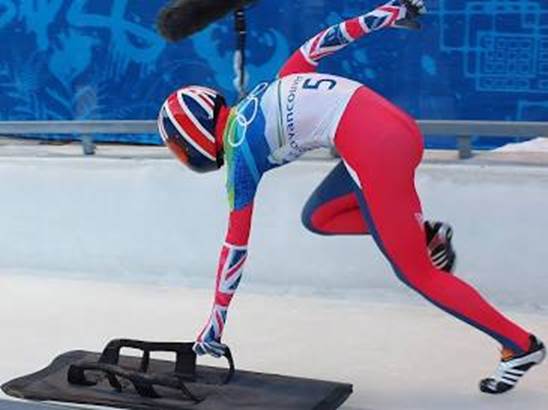
Skeleton sledding on artificial ice track. Source: Wikipedia
10. Ski Mountaineering (Skimo)
Ski Mountaineering—which made its official Olympic debut at the 2026 Milano Cortina Games—is the ultimate test of backcountry self-sufficiency. Athletes climb steep, untouched mountains using specialized adhesive “skins” on their skis (which grip the snow on the ascent) or strapping their gear to backpacks for vertical rock/ice scrambles, before ripping down un-groomed powder descents.
Why it’s the fastest-growing discipline: Skimo combines endurance, technical climbing skill, and high-speed downhill skiing into one package. It’s the Ironman of winter sports. Participation has doubled globally in the last four years, driven by the rise of ultra-endurance events and the growing popularity of backcountry skiing.
Part 2: Winter Sports by Category (Quick Reference Guide)
What are some types of snow sports? We can break snow sports down into specific categories. To help you navigate the broader winter sports list, here is a quick visual breakdown:
| Category | Sports Included | Indoor or Outdoor? |
| Snow Racing | Alpine Skiing, Cross-Country, Biathlon | Outdoor (Snow) |
| Snow Freestyle | Snowboarding (Halfpipe), Freestyle Skiing | Outdoor (Snow) |
| Ice Racing | Speed Skating, Short Track | Indoor (Ice) |
| Ice Team | Ice Hockey, Curling | Indoor (Ice) |
| Sledding | Bobsleigh, Luge, Skeleton | Outdoor (Ice Track) |
| Aerial | Ski Jumping, Nordic Combined | Outdoor (Snow) |
| Motorized | Snowmobiling, Snocross | Outdoor (Snow) |
| Endurance/Mountaineering | Skimo, Snowshoeing | Outdoor (Snow) |
Part 3: What Are Winter Sports in High School?
High school athletic associations (such as the NFHS in the United States) sanction several cold-weather sports during the winter term (typically November to March). However, there’s a catch: most of these aren’t snow sports.
In the US high school system, “winter sports” are calendar-based, not surface-based. This means students play basketball and wrestling in the winter because it’s too cold to play football outside, not because these sports have anything to do with snow.
Popular High School Winter Sports Include:
| Sport | Category | Typical States/Regions |
| Basketball | Indoor court sport | Nationwide |
| Wrestling | Indoor mat sport | Nationwide |
| Swimming & Diving | Indoor pool | Nationwide |
| Indoor Track & Field | Indoor arena | Nationwide |
| Ice Hockey | Indoor ice rink | Northeast, Midwest, Alaska |
| Alpine Skiing & Snowboarding | Outdoor mountain | Colorado, Vermont, California, Utah |
| Cross-Country Skiing | Outdoor trails | Minnesota, Wisconsin, Alaska, New England |
| Gymnastics | Indoor | Nationwide (predominantly girls) |
Part 4: Indoor Winter Sports: Cold-Weather Action Year-Round
Modern climate technology has freed winter sports from geography and weather. Indoor facilities now operate year-round, enabling training and competition in any season.
Indoor Snow Domes
Large-scale slopes with artificial snowmaking host skiing, snowboarding, and sledding in climate-controlled environments. Notable examples:
- Ski Dubai (UAE): Five runs, a chairlift, and FIS World Cup hosting since 2005.
- Big Snow American Dream (New Jersey): North America’s largest indoor slope with a 1,000-foot run at -2°C year-round.
- SnowWorld (Netherlands): Europe’s largest indoor ski facility, featuring two slopes and a snowpark for international events and national team training.
Indoor Ice Rinks
Ice hockey, figure skating, short-track speed skating, and curling thrive in arenas worldwide—entirely weather-independent and among winter sports’ most climate-resilient disciplines.
Dry Slopes & Simulators
Synthetic surfaces (Snowflex, Dendix) and carpet treadmills (SkyTechSport) enable snowless ski training. National teams increasingly rely on these for technical work year-round.
Part 5: The 2026 Outlook—What’s Trending?
As of the 2026 season, several major trends are shaping the future of winter sports:
- Ski Mountaineering: New to the Olympics, this is the fastest-growing discipline. It combines uphill ski climbing with downhill racing.
- Indoor Expansion: With climate change concerns, more resorts are investing in indoor snow domes, making indoor winter sports a year-round business. Facilities in Dubai and China are already hosting World Cup events on artificial snow.
- Gender Equality: The 2026 Milano Cortina Games featured an equal number of men’s and women’s events for the first time in history.
Part 6: FAQs about Winter Snow Sports
Q1: Is Football a Winter Sport?
- The answer depends on the context. The list of winter sports in high school and the professional sports calendar often differ. In High School, “Winter Sports” usually refers to the season in which the sport is played. For example, in many U.S. high schools, the winter season includes basketball, wrestling, and swimming, while football is played in the fall season.
- Professionally, American Football is played in the autumn leading into winter, but it is not classified as a “winter sport” because it is not played on ice or snow. The only “football” on a typical ice sports list is Ice Hockey.
Q2: What winter sports can be played on snow?
When most people ask about “winter sports,” they are specifically referring to snow sports. This includes skiing (Alpine, Cross-Country, Freestyle), snowboarding, ski jumping, and sledding sports like skeleton and bobsleigh. These events are predominantly held outdoors on snow-covered mountains or specially constructed tracks.
Q3: What are 5 winter sports?
Five of the most popular winter sports are: Alpine Skiing (Snow), Snowboarding (Snow), Ice Hockey (Ice), Figure Skating (Ice), Cross-Country Skiing (Snow).
Q4: What are the Olympic winter sports for 2026?
The Milano Cortina 2026 program included 15 sports: Alpine Skiing, Biathlon, Bobsleigh, Cross-Country Skiing, Curling, Figure Skating, Freestyle Skiing, Ice Hockey, Luge, Nordic Combined, Skeleton, Ski Jumping, Snowboarding, Speed Skating, and Ski Mountaineering (the new addition).
Q5: What is the most dangerous winter sport?
Statistically, Freestyle Skiing and Snowboarding have the highest rates of ACL and shoulder injuries. Skeleton and Bobsleigh carry the highest risk of catastrophic injury due to the extreme speeds (130+ km/h) and high-G turns. The most dangerous moment in any winter sport is the landing—whether on ice, snow, or a ski jump ramp.
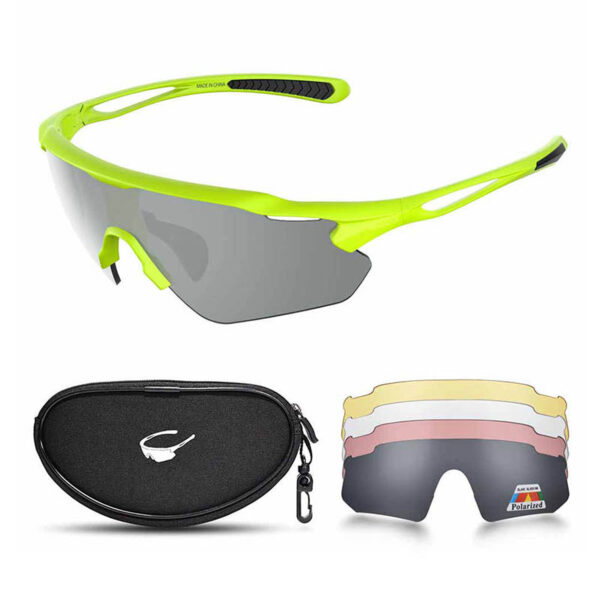
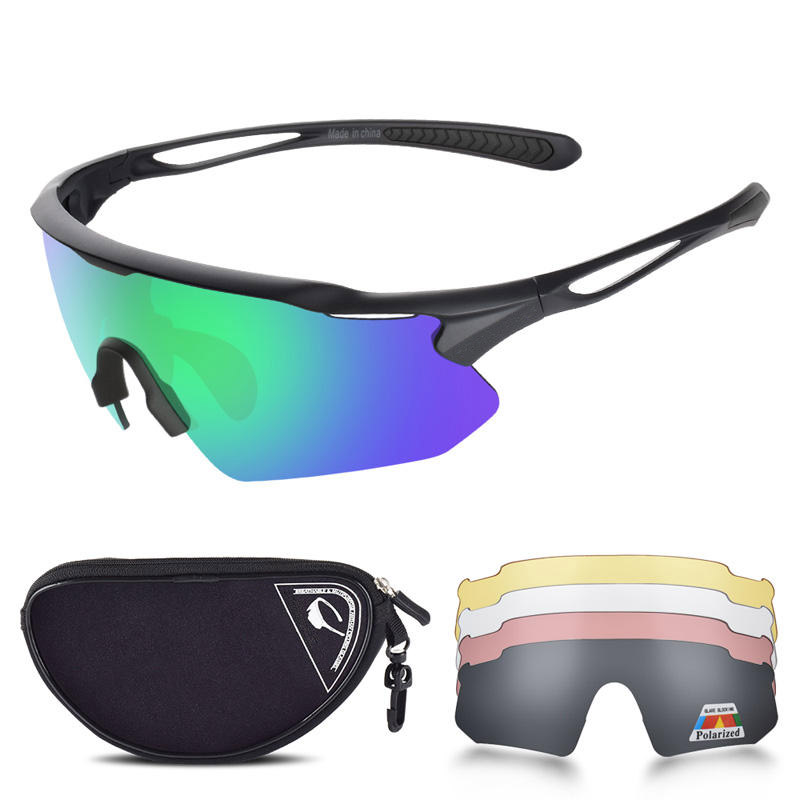
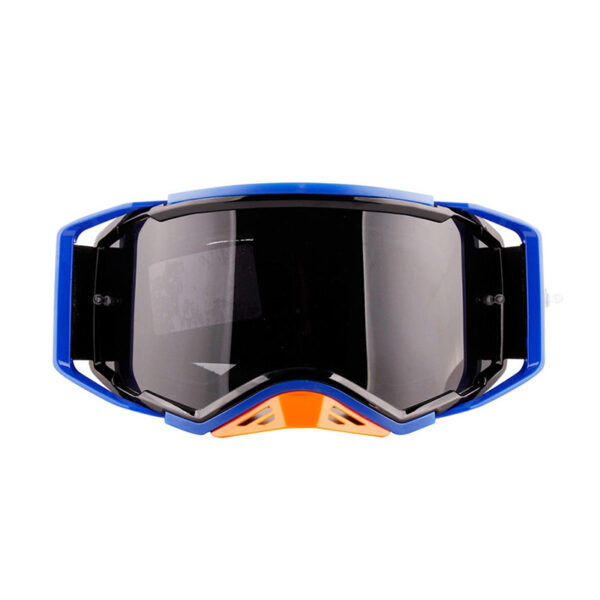
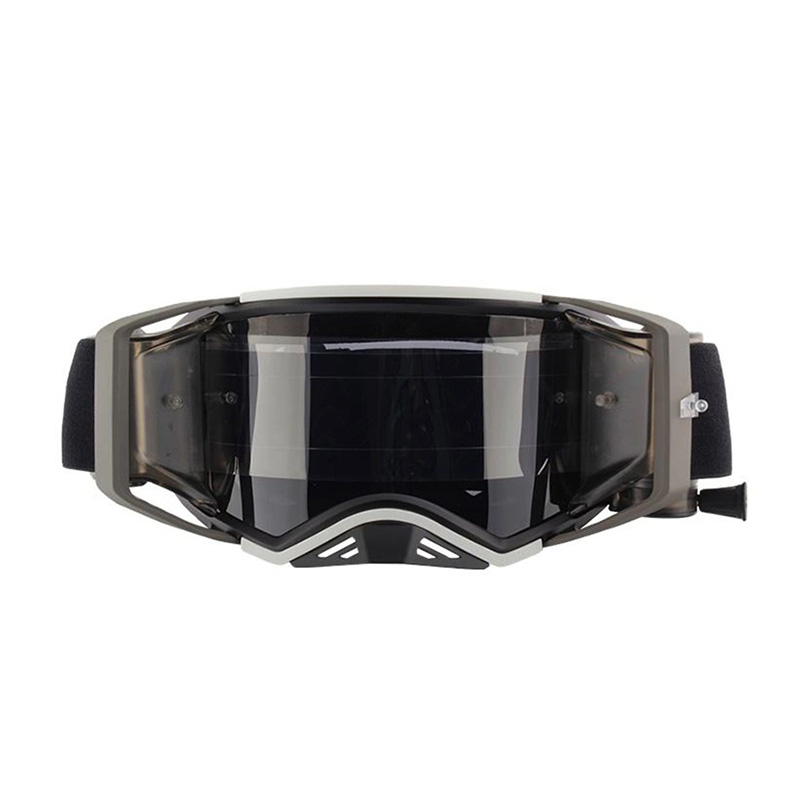
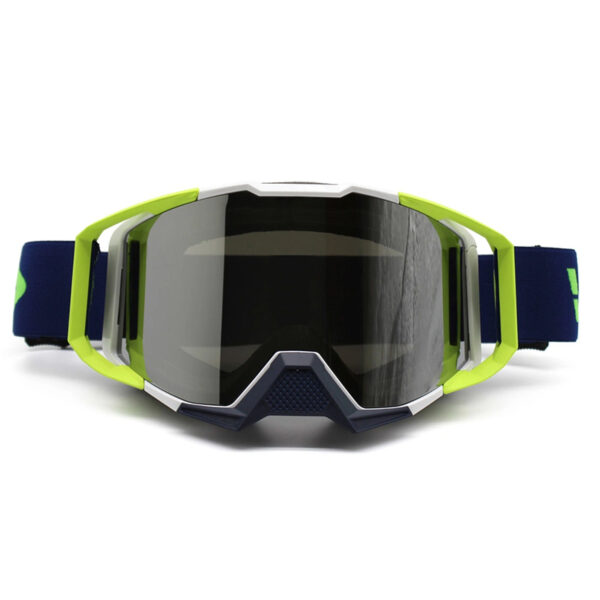
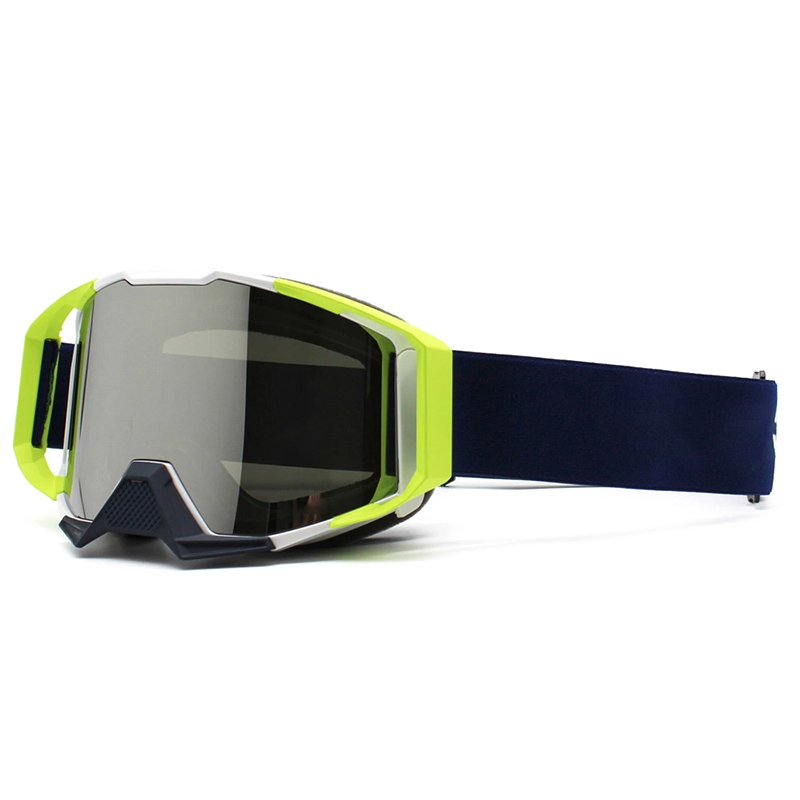
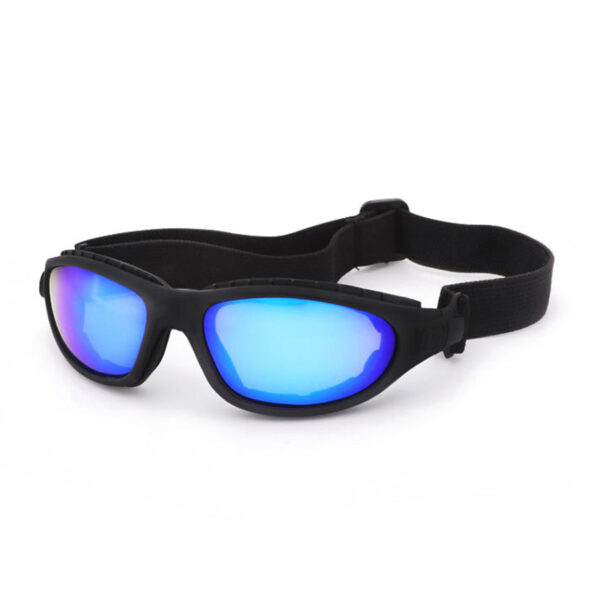
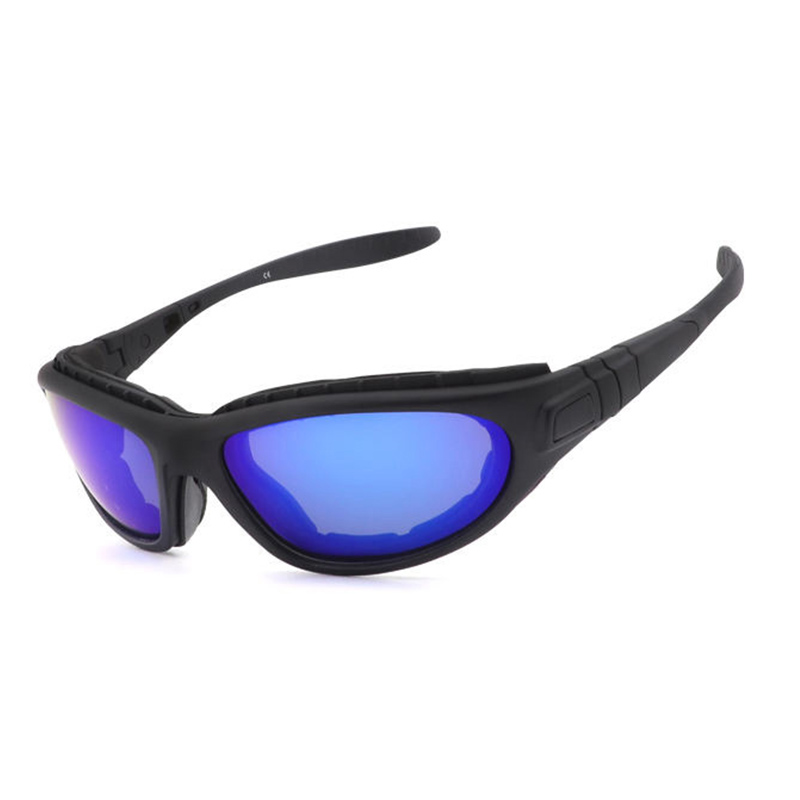
Gear Up with FukoSports – Your Custom Sports Eyewear Partner
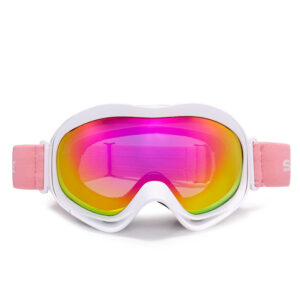
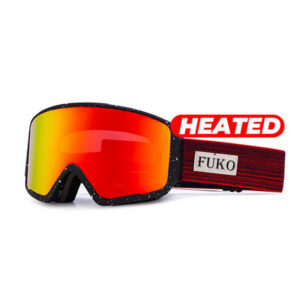
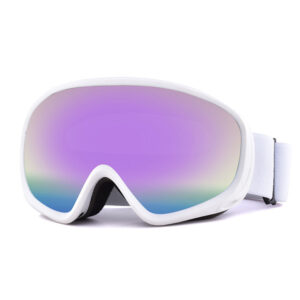
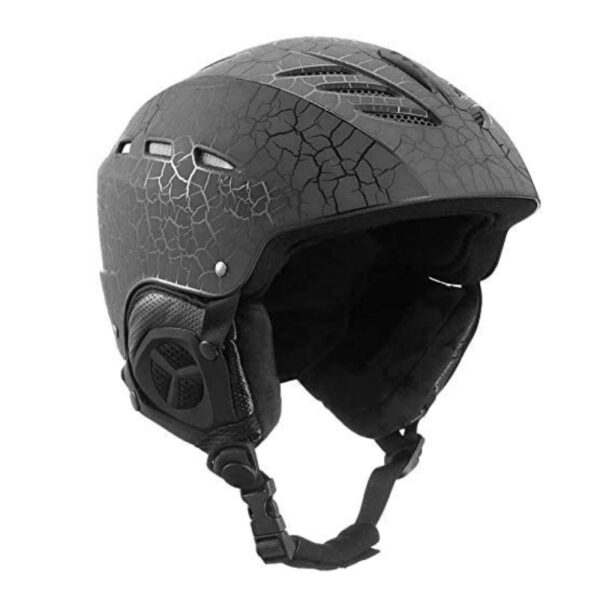
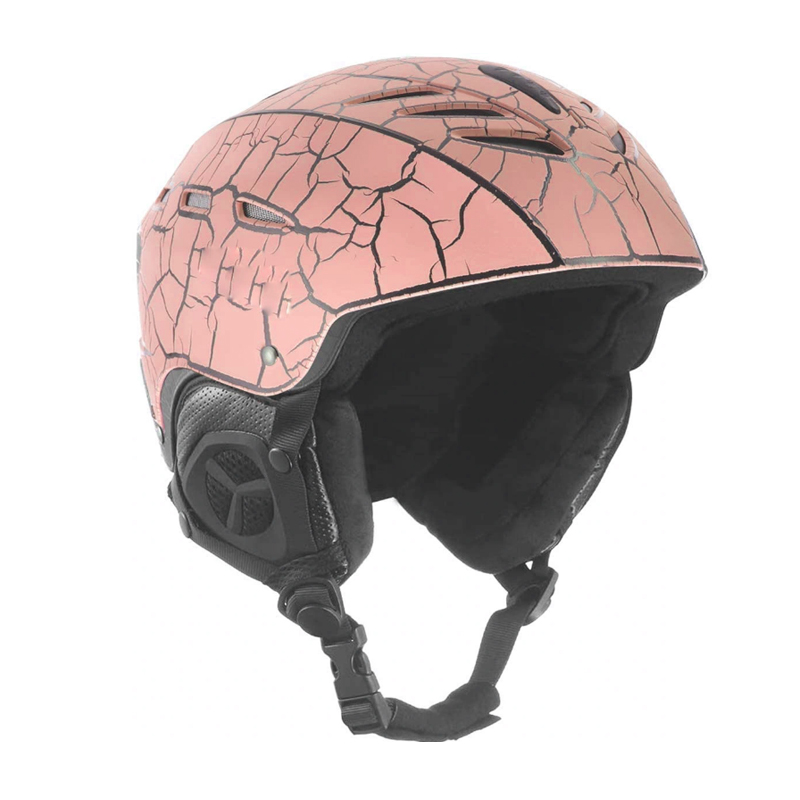
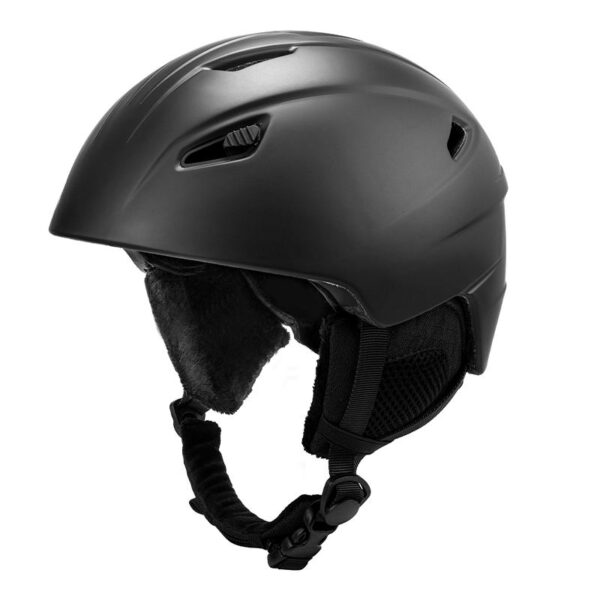
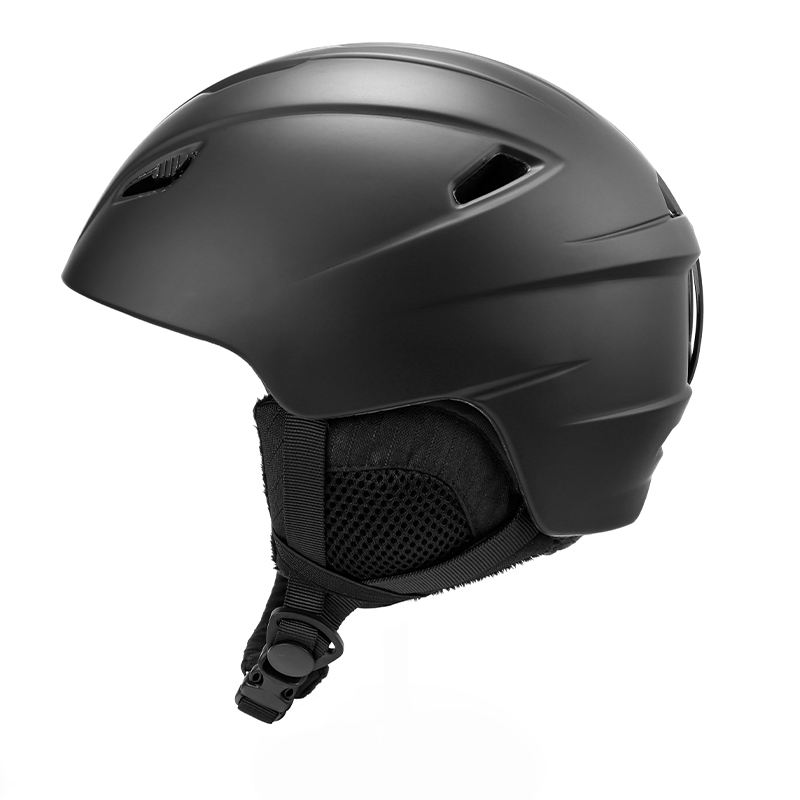
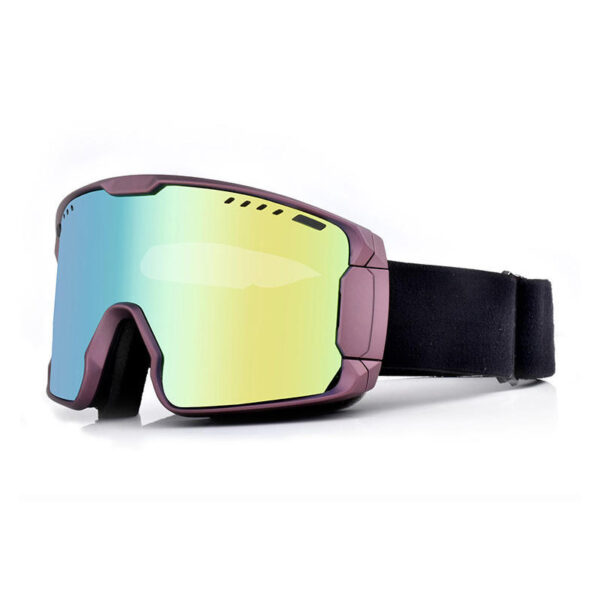
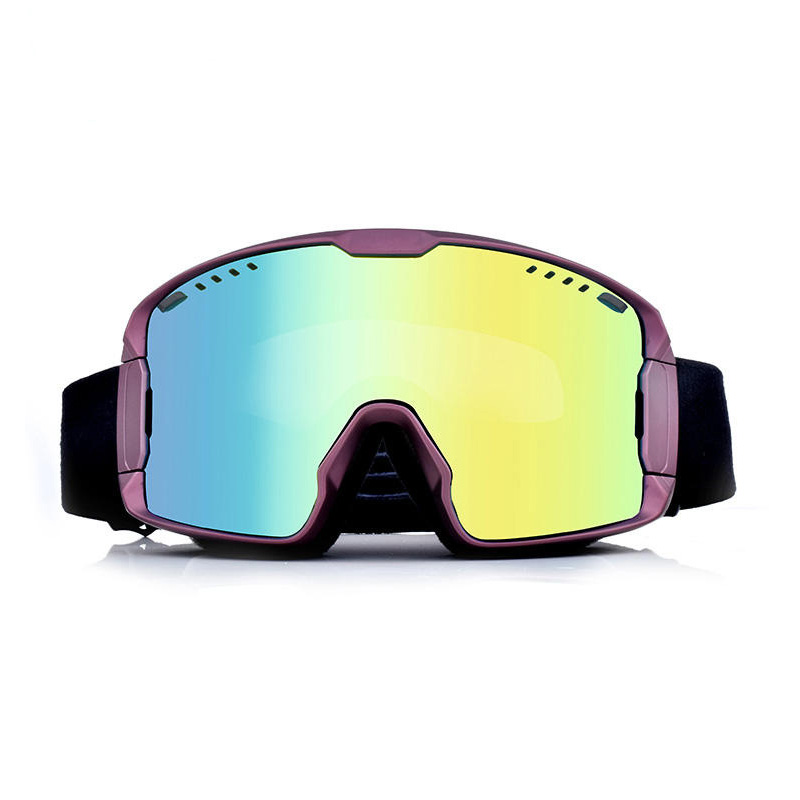
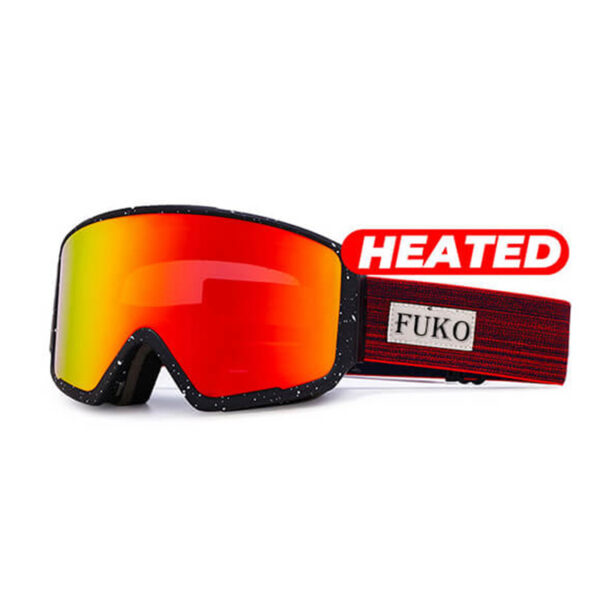
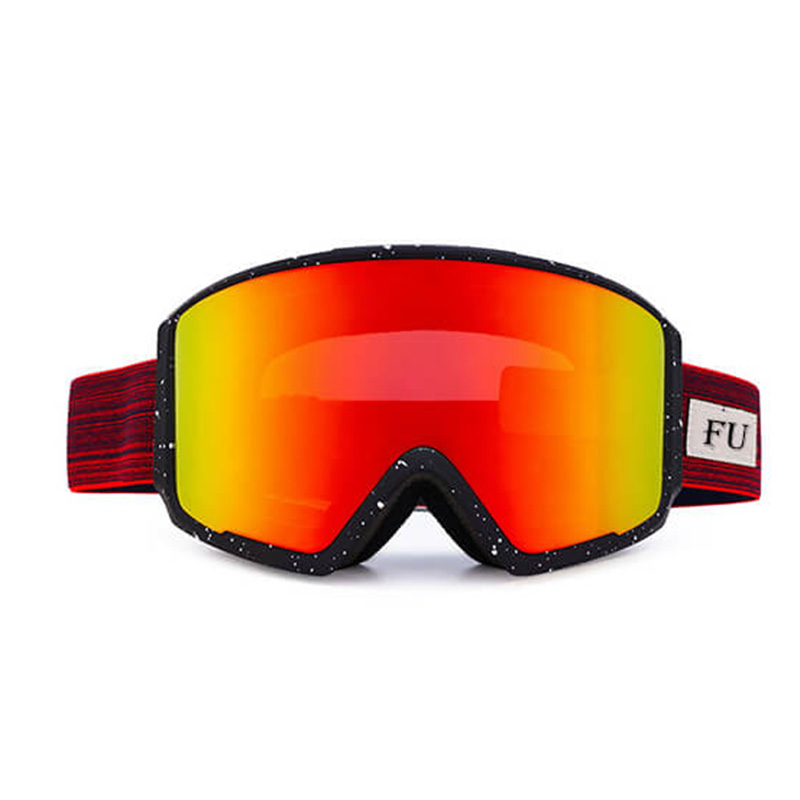
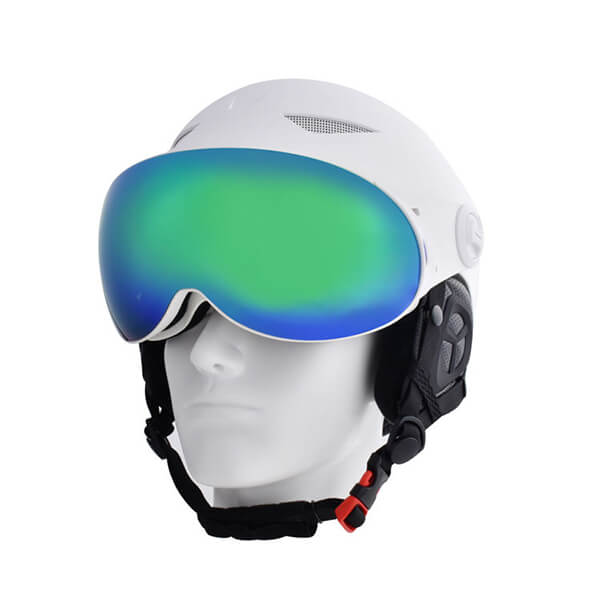
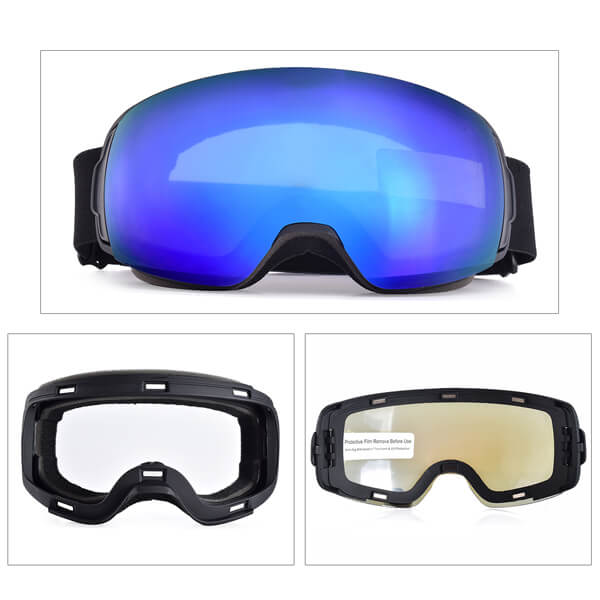
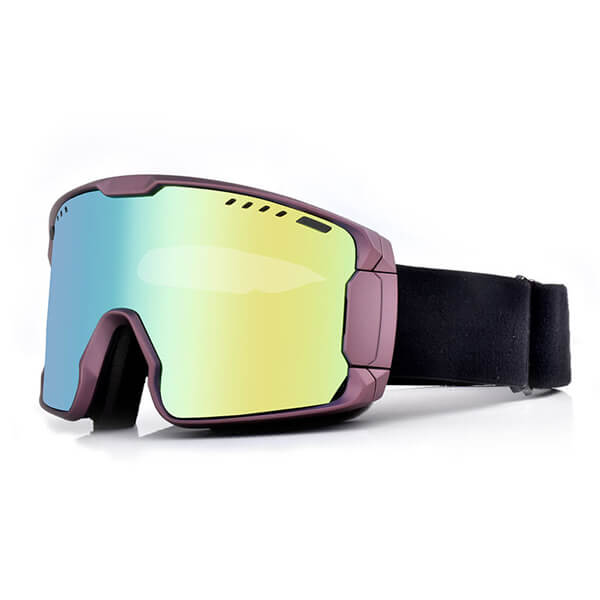
FukoSports is a leading China-based manufacturer with over 9 years of expertise in custom sports eyewear. We specialize in ski goggles, motocross goggles, sport sunglasses, and ski helmets—offering factory-direct pricing, low MOQs, short lead times, and dedicated after-sales support for brands worldwide.
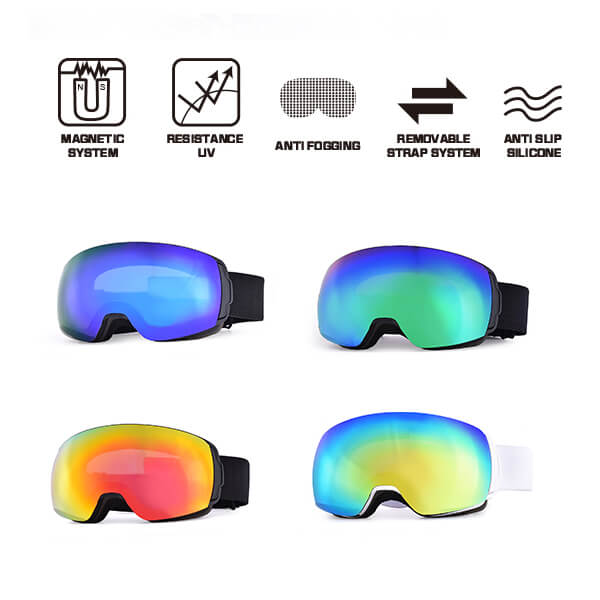
Our modernized facility ensures rigorous quality control at every stage, from lens cutting to final assembly. Innovative features like electrothermally heated lenses, magnetic lens systems, and OTG compatibility make their products stand out on the slopes. Trusted by customers with 5-star ratings, FukoSports combines performance, durability, and customization.
Ready to elevate your winter sports gear? Visit fukosports.com to explore our catalog or start your custom project today.
Conclusion
Winter snow sports offer something for everyone—from the speed of Alpine skiing to the endurance of Ski Mountaineering. With over 200 million recreational skiers worldwide and snowboarding participation up 400% since 1998, the appeal is undeniable. Indoor snow domes, gender equality, and new Olympic disciplines like Skimo are shaping an inclusive, innovative future.
Whether you’re watching on TV, competing in high school, or hitting the slopes with FukoSports gear, there’s never been a better time to embrace winter. The mountains are calling—your adventure awaits.