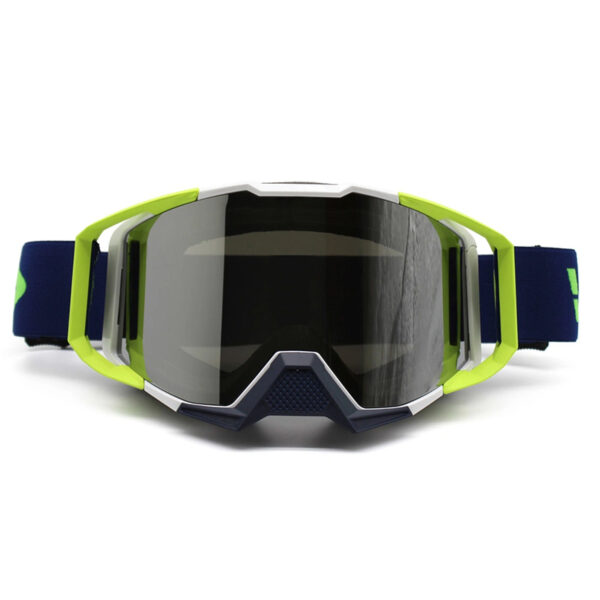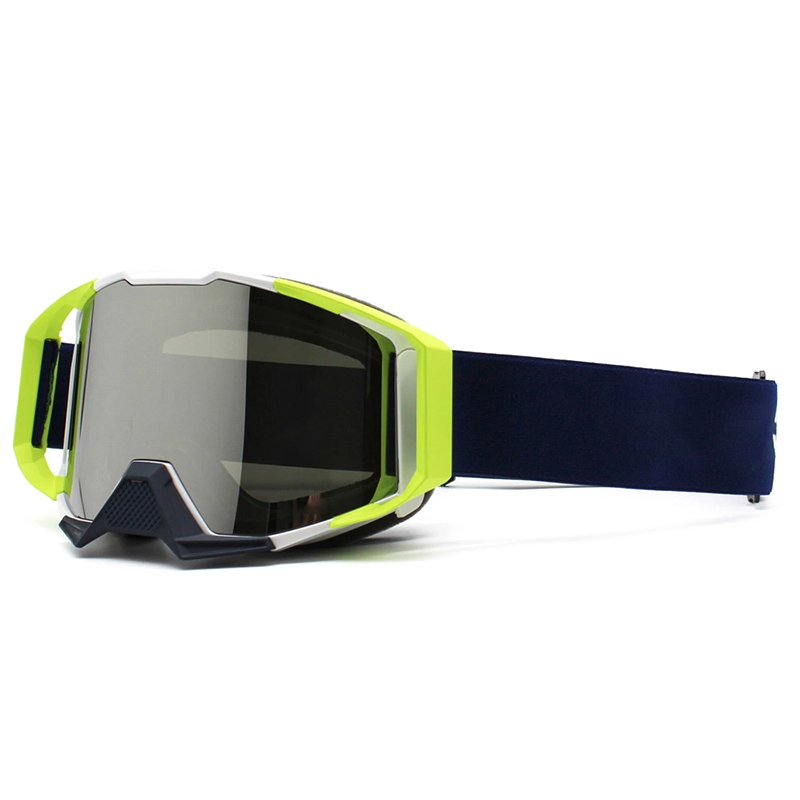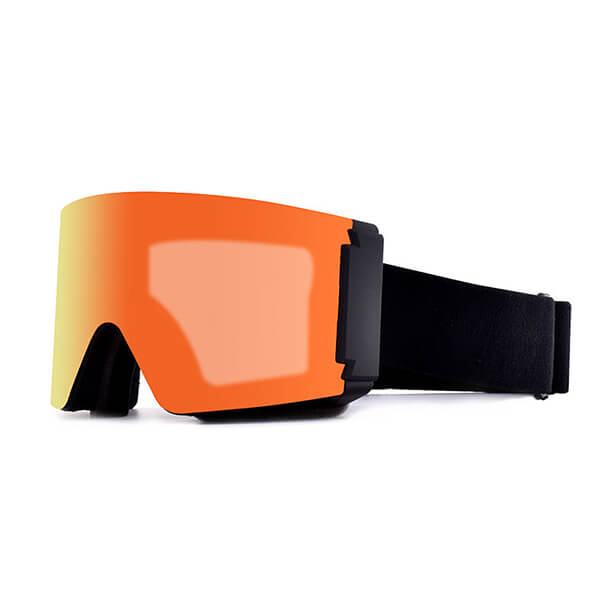
Buying your first pair of ski goggles can be more confusing than expected. You may come across terms such as VLT, photochromic lenses, spherical lenses, OTG, anti-fog coating, and interchangeable lenses. Then there is the question of price: Do beginners really need to spend $200 or more?
Usually, no.
For first-time skiers, the most important things are much simpler: a comfortable fit, good anti-fog performance, UV protection, suitable VLT, and compatibility with your helmet.
The right pair should help you see the terrain clearly without making you think about your goggles while skiing. This guide covers what beginners actually need to know before buying their first pair.
Part 1. Do Beginners Really Need Ski Goggles?
Yes. Ski goggles are more than just an accessory.
They protect your eyes from wind, snow, bright sunlight, and harmful UV radiation. They also improve visibility when skiing in changing weather.
On a sunny day, snow can reflect a significant amount of light. Without proper eye protection, the glare can make it difficult to see clearly. On a snowy or cloudy day, the problem is almost the opposite. Flat light can make bumps and changes in the terrain harder to see.
A good pair of ski goggles creates a protected space around your eyes while helping you see the terrain more clearly.
For a first-time skier, you do not necessarily need advanced features such as electronic lenses or multiple premium lenses. A well-fitting pair with a suitable lens is usually enough.
Part 2. What Should Beginners Look for in Ski Goggles?
A beginner does not need every premium feature available. Instead, focus on the features that directly affect comfort, visibility, and safety.
1. Fit Comes First
A good fit is one of the most important things to look for. Your goggles should sit securely on your face without creating uncomfortable pressure.
Pay attention to the area around your: nose, cheeks, forehead, eyes. There should not be a large gap between the foam and your face. At the same time, the goggles should not feel painfully tight.
2. Anti-Fog Performance Matters
Fogging is one of the most common complaints from beginners.
Good ski goggles generally combine an anti-fog treatment with ventilation and a double-layer lens. These features help reduce condensation when warm, moist air meets the cold lens.
However, even high-quality goggles can fog if airflow is blocked or the inside of the lens is wiped incorrectly.
Look for:
- Anti-fog lens treatment
- Double-layer lenses
- Good ventilation
- Proper face fit
- Vents that are not blocked by your helmet or clothing
3. UV Protection Is Essential
Snow can reflect a significant amount of sunlight, making UV protection especially important on bright days.
Look for goggles that provide 100% UVA and UVB protection or equivalent full-spectrum UV protection. This is a basic feature rather than a premium extra, so it should be part of your minimum requirements.
4. Optical Quality and Field of View
You do not necessarily need a premium lens, but the image should look clear and comfortable.
A wider field of view can also be useful for beginners because it makes it easier to notice other skiers and changes in the terrain.
Spherical and toric lenses can provide different optical and field-of-view benefits, but beginners do not need to choose based on lens shape alone. Fit and visibility in your typical skiing conditions are more important.
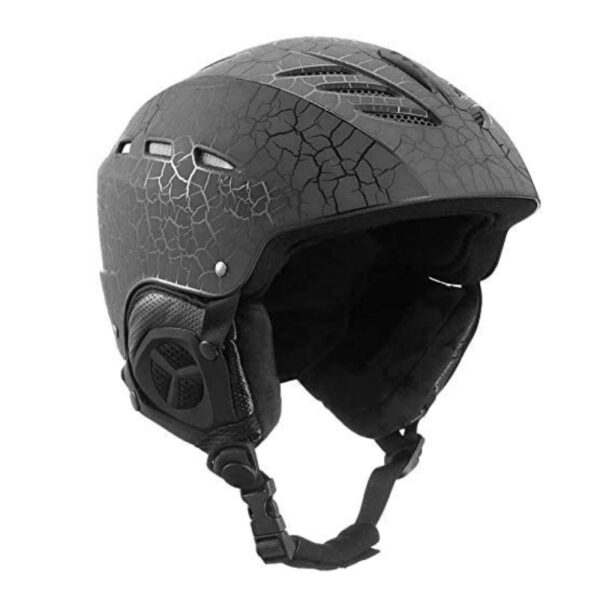
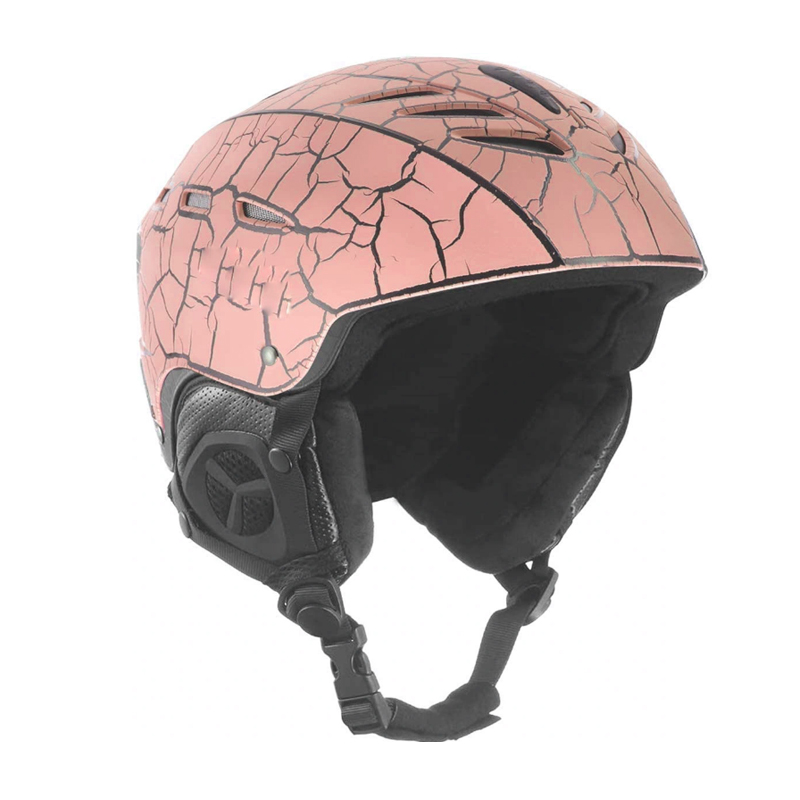
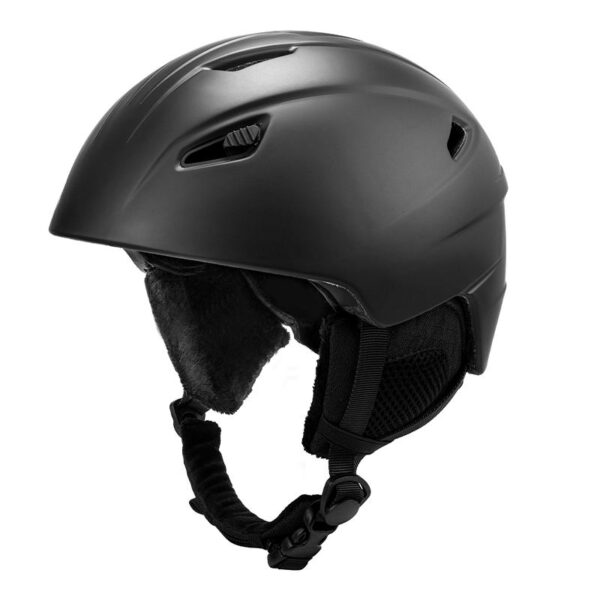
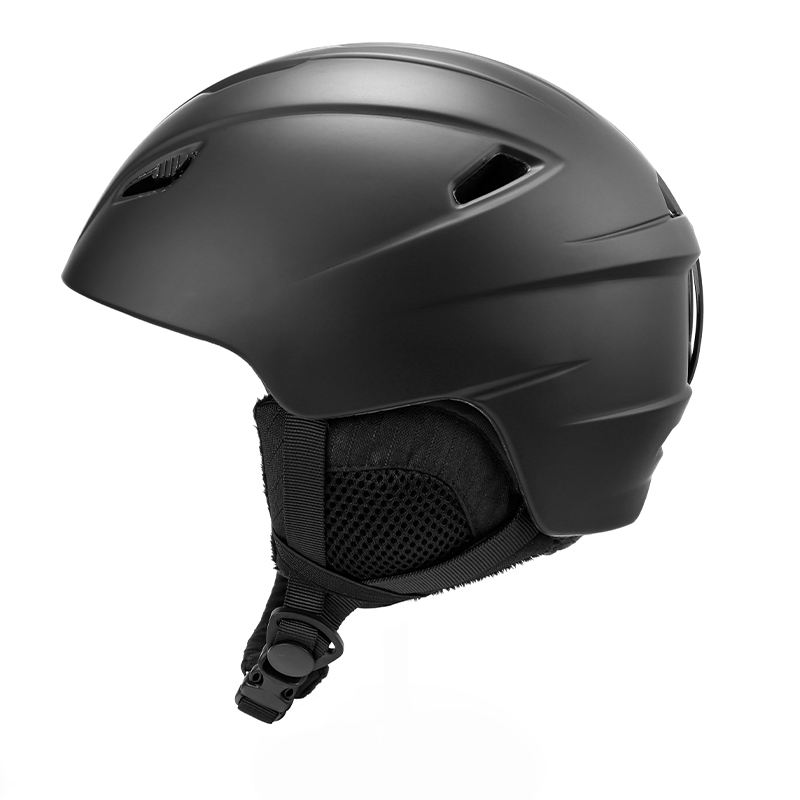
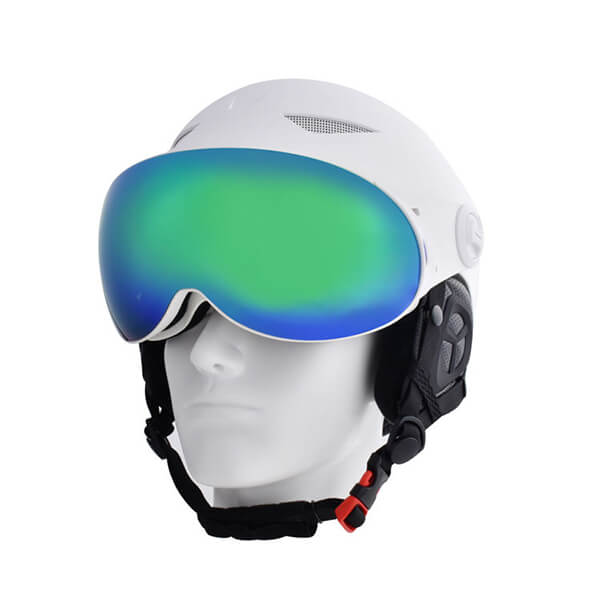
5. Helmet compatibility
Your goggles and helmet should work together.
Try them on as a combination if possible. You want the goggle frame and helmet to sit naturally without creating a large gap between them.
Part 3. Top 7 Best Ski Goggles for Beginners
1. Smith Squad ChromaPop — Best Overall for Beginners
The Smith Squad ChromaPop is a strong choice for beginners who want reliable performance without jumping straight into premium-priced goggles. Its cylindrical lens provides a wide field of view, while ChromaPop technology is designed to improve contrast and definition. The model also uses Fog-X anti-fog technology.
It is particularly suitable for beginners who want a straightforward, versatile goggle without too many complicated features. Independent testing has also highlighted the Squad ChromaPop as a good-value option.
Best for: First-time and occasional skiers who want an all-around option.
Price level:$135
2. Giro Cruz — Best Budget Ski Goggles
If you are skiing for the first time and do not want to spend too much, the Giro Cruz is worth considering.
Its relatively simple design makes it suitable for occasional skiing, while features such as anti-fog treatment, ventilation, and helmet compatibility cover the basics beginners need.
A budget goggle does not need to offer every premium lens technology. If you only ski once or twice a year, spending less on your first pair can be a sensible approach.
Best for: Beginners on a limited budget and occasional skiers.
Price level: $54.95
3. Glade Adapt 2 — Best for Changing Weather
Weather can change quickly on the mountain. A sunny morning can turn cloudy or snowy later in the day, making it inconvenient to carry or change lenses.
The Glade Adapt 2 uses photochromic lens technology that adjusts its tint according to available light. This makes it an interesting option for beginners who want one pair that can handle a wider range of conditions.
Independent testing has also rated the Adapt 2 highly for skiers who want to minimize lens changes.
Best for: Beginners who ski in unpredictable or changing weather.
Price level: $127
4. Smith Squad S — Best for Small Faces
A common mistake when buying ski goggles is choosing a model based only on its lens features. If the frame is too large for your face, it can leave gaps around the cheeks or nose and affect both comfort and ventilation.
The Smith Squad S is designed for smaller faces, making it a useful option for petite adults and younger skiers. Choosing the correct frame size can be just as important as choosing the right lens.
Best for: Beginners with small or narrow faces.
Price level: $135
5. Oakley Flight Deck M — Best for Field of View
The Oakley Flight Deck M is a more premium option for beginners who want to prioritize visibility and optical performance.
Its frameless design provides a broad field of view, while Oakley’s Prizm lens technology is designed to enhance contrast and help define changes in the snow. Independent testing has also rated the Flight Deck highly for optical quality.
It costs more than a basic beginner goggle, but it can make sense for someone who expects to ski regularly and wants a product they can continue using as their experience grows.
Best for: Beginners who prioritize visibility and lens performance.
Price level: $207
6. Anon M4 Toric — Best Premium Option
For beginners who are already serious about skiing, the Anon M4 Toric offers a more advanced setup.
It combines a toric lens with a magnetic lens-changing system, making it easy to switch between lenses when weather conditions change. Its large frame is particularly suitable for larger faces, although it may feel too big for smaller users. Independent testing rated the M4 highly for lens quality and ease of changing lenses.
The main drawback is price. A beginner who only skis occasionally probably does not need to spend this much.
Best for: Beginners who plan to ski frequently and want premium performance.
Price level: $339.95
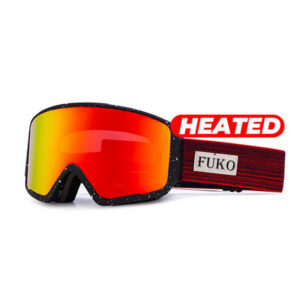
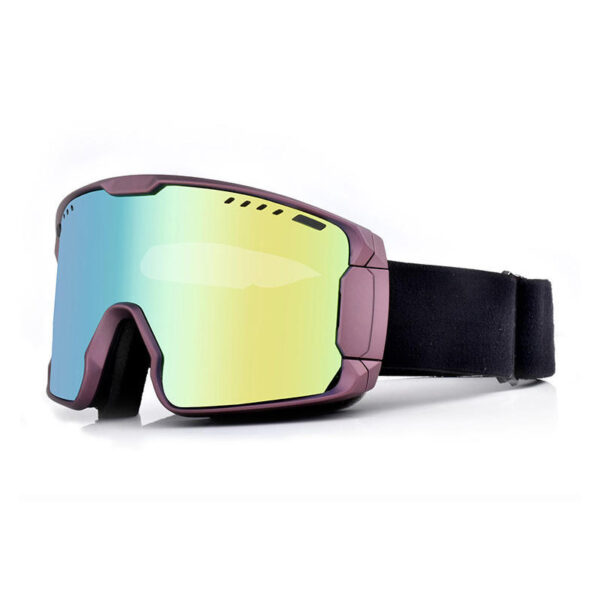
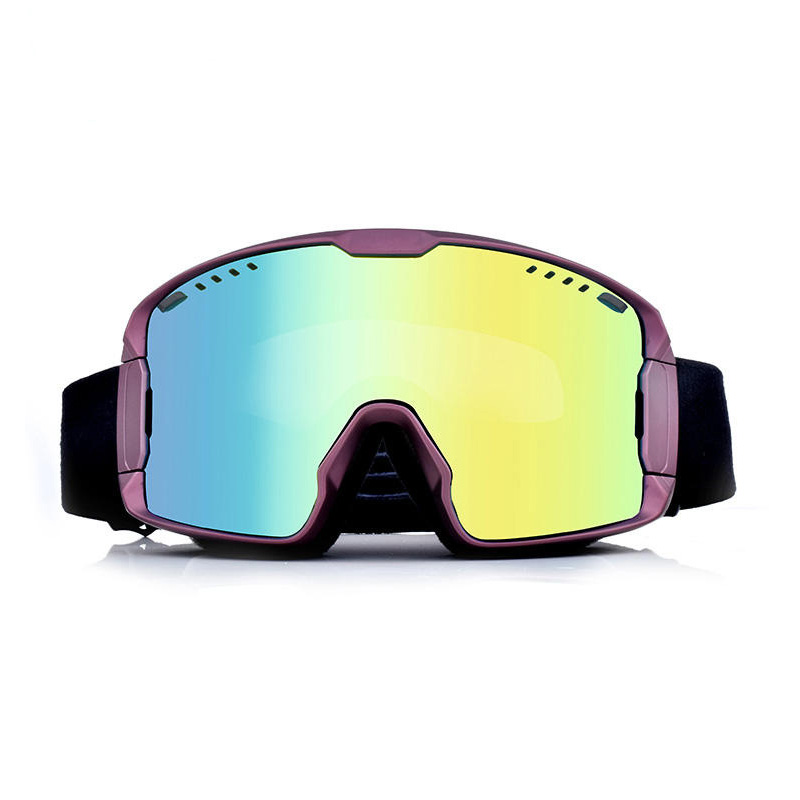
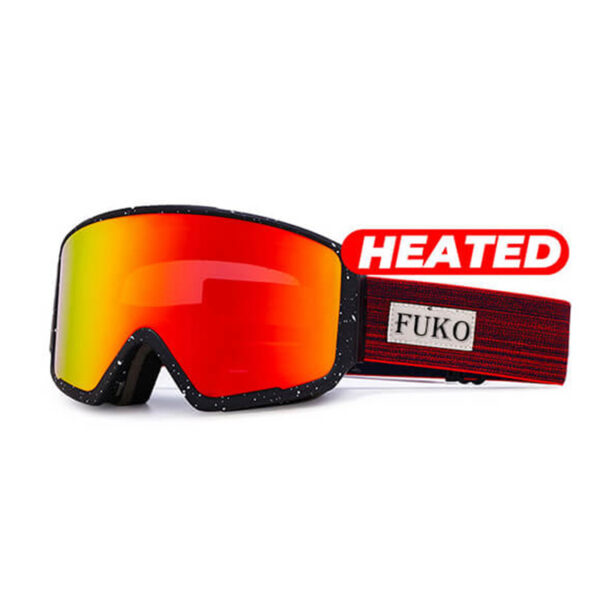
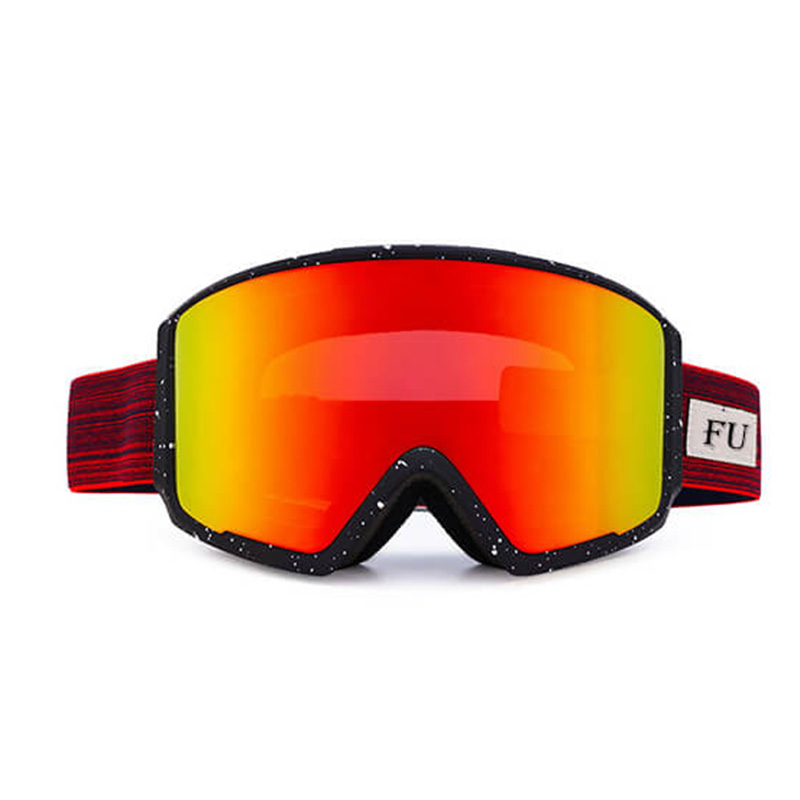
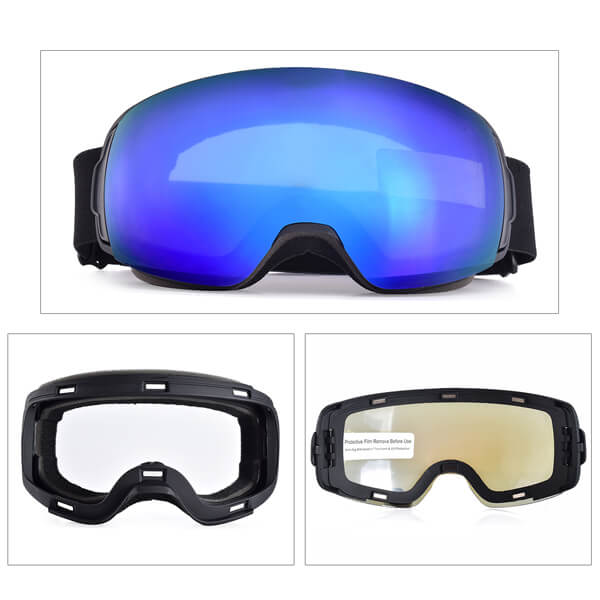
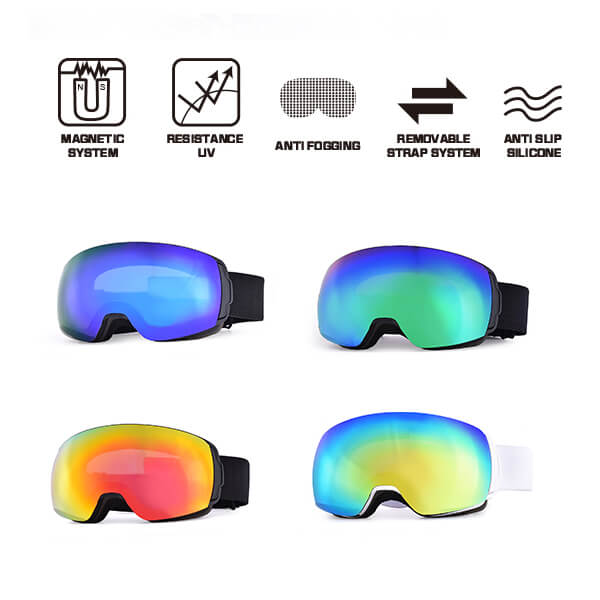
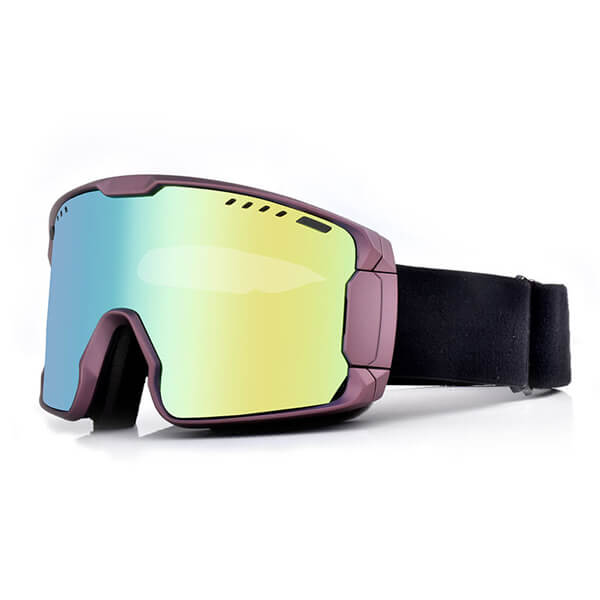
7. FukoSports Ski Goggles — Best for Brands and OEM/ODM Buyers
For brands, retailers, distributors, and procurement teams, FukoSports offers a different option from the consumer-focused models above.
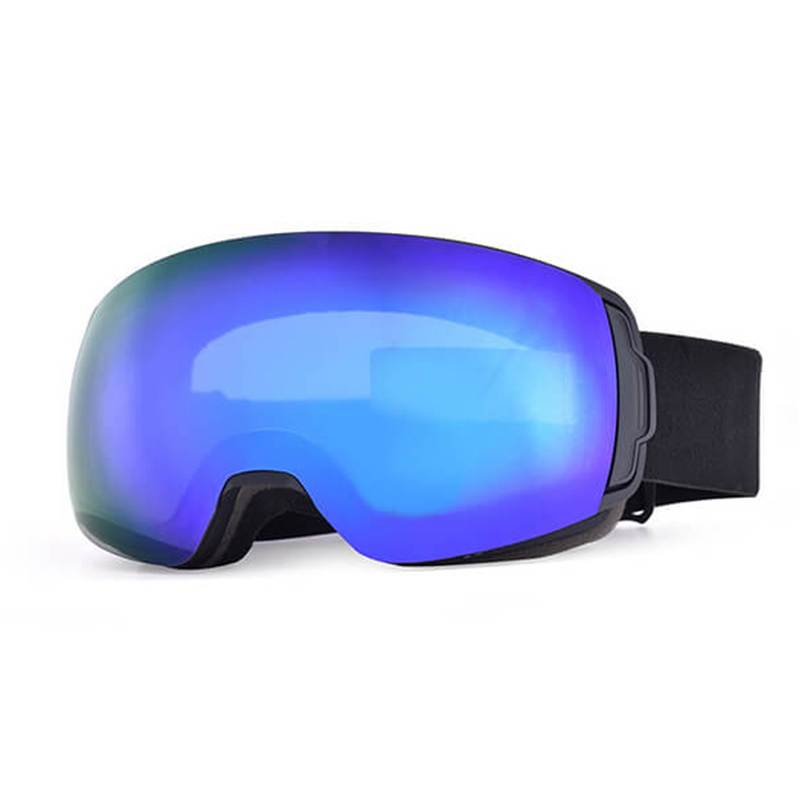
Its ski goggle range covers different skier needs, from entry-level models for beginners to more specialized options for experienced and professional users. This makes FukoSports worth considering for buyers who want to build a broader ski-goggle product line rather than source just one model. Different configurations can be selected for beginner, intermediate, and advanced users, depending on target price and market requirements.
Best for: Brands and buyers looking for beginner-to-professional ski goggles through OEM/ODM sourcing.
Price level: Custom / OEM
Quick Comparison
| Model | Best for | Price level | Key advantage |
| Smith Squad ChromaPop | Overall beginners | $135 | Good balance of fit, optics, and value |
| Giro Cruz | Budget beginners | $54.95 | Simple and affordable |
| Glade Adapt 2 | Changing weather | $127 | Photochromic lens |
| Smith Squad S | Small faces | $135 | Smaller frame |
| Oakley Flight Deck M | Wide field of view | $207 | Strong optical performance |
| Anon M4 Toric | Premium performance | $339.95 | Magnetic lens system and premium optics |
| FukoSports | OEM/ODM buyers | Custom | Beginner-to-professional product range |
Part 4. Which Lens and VLT Should Beginners Choose?
Lens selection is probably the most confusing part of buying ski goggles for the first time.
The key term to understand is VLT, or Visible Light Transmission. It describes how much visible light passes through the lens.
The basic rule is simple:
Lower VLT = less light gets through = better for bright conditions.
Higher VLT = more light gets through = better for cloudy or low-light conditions.
| Skiing conditions | Approx. VLT | What to look for |
| Bright, sunny | 10–20% | Dark lens |
| Partly cloudy | 20–40% | Mid-range lens |
| Cloudy | 30–60% | Higher VLT |
| Snow or storm | 50–80%+ | High-VLT lens |
| Night skiing | 80–100% | Clear or very light lens |
These ranges are general guidelines. Different brands use different VLT categories, so always check the manufacturer’s specifications.
What Lens Color Is Best?
Lens color can give you a rough idea of how a lens is designed to perform, but VLT is more useful when comparing different goggles.
- Gray or dark lenses are commonly used in bright conditions. They reduce brightness while maintaining relatively natural colors.
- Rose, pink, or amber lenses are often useful in cloudy or mixed conditions. They can help improve contrast when the snow looks flat.
- Orange lenses are popular for low-light and overcast conditions.
- Clear lenses are designed for very low light or night skiing.
For beginners, there is no universally “best” lens color. Choose based on the conditions you expect to encounter.
What If You Don’t Know the Weather?
This is a common problem for first-time skiers.
If you are traveling to a resort and do not know whether you will get sunshine, clouds, or snow, a mid-range, all-purpose VLT can be a practical choice.
If you expect highly variable weather, consider goggles with interchangeable lenses. Another option is photochromic technology, which automatically changes its tint as light conditions change.
You do not need either option for your first trip, but they can be useful if you expect to ski regularly.
Is One Lens Enough?
For an occasional beginner, one versatile lens is usually enough.
If you ski more frequently, having two lenses can be more convenient:
- A low-VLT lens for bright sunshine
- A high-VLT lens for cloudy or snowy conditions
The important thing is to choose based on your actual skiing conditions rather than assuming that more lenses automatically mean better performance.
Part 5. How Much Should Beginners Spend on Ski Goggles?
You do not need to spend hundreds of dollars on your first pair. The right budget depends on how often you expect to ski and which features you actually need.
Under $50: Basic and Occasional Use
This price range can work for someone going skiing for the first time or only skiing occasionally.
At this level, prioritize:
- Comfortable fit
- UV protection
- Anti-fog treatment
- Suitable VLT
- Basic ventilation
Do not choose a pair based on price alone. Check the specifications and user feedback.
$50–$100: A Good Starting Point
For many beginners, this is a sensible range to consider.
You may find better lens quality, improved ventilation, stronger frames, or interchangeable lens options without moving into premium pricing.
If you expect to ski several times a season, spending a little more here can make sense.
$100–$200: For More Frequent Skiers
At this level, you may find better optical quality, more advanced lens technology, magnetic lens systems, or additional lenses.
These features can improve convenience and versatility, especially if you ski in changing conditions.
$200+: Premium Features
Premium goggles can offer excellent optics, advanced photochromic technology, sophisticated lens systems, and other convenience features.
But they are not necessary simply because you are a beginner.
A $200 pair is not automatically better for you than a $70 pair. If the cheaper goggles fit better and have the right VLT for your conditions, they may be the better choice.
What Should You Prioritize?
If your budget is limited, prioritize in this order:
Fit → Anti-fog → UV protection → Suitable VLT → Optical quality → Extra features
This is usually more useful than paying for premium technology you may never use.
Also Read: Top 5 Best Budget Ski Goggles 2026
Part 6. Tips for First-Time Skiers
1. Don’t Overbuy Your First Pair
If you already have a decent pair of goggles, use them first. Beginners usually do not need premium goggles or multiple lenses right away. Fit, visibility, and suitable lens tint matter more than the brand.
2. Orange or Amber Lenses Can Be Versatile
Orange, amber, and yellow lenses can work well in both sunny and cloudy conditions by reducing glare and improving contrast. If you only ski occasionally, one versatile lens may be enough.
3. Match Your Lens to the Weather
A darker lens is better for bright, sunny days, while lighter tints generally work better in cloudy or snowy conditions. If the weather varies significantly, consider interchangeable lenses rather than buying an expensive goggle just for the brand.
4. Avoid Putting Goggles on Your Forehead
Taking goggles off onto your forehead can introduce heat and moisture, increasing fogging when you put them back on. Keep them on your helmet or somewhere with better airflow instead.
Part 7. FAQs About Ski Goggles for Beginners
Q1: Can beginners use snowboard goggles for skiing?
Yes. Ski and snowboard goggles are designed for very similar conditions, so they can generally be used interchangeably. The more important factors are lens performance, fit, ventilation, and compatibility with your helmet.
Q2: How long do ski goggles usually last?
With regular care, a good pair of ski goggles can last several seasons. Replace them when the lens becomes heavily scratched, the anti-fog performance deteriorates, the foam starts breaking down, or the frame is damaged.
Q3: Can you ski without goggles?
You can, but it is not recommended. Sunglasses may work in some sunny conditions, but they provide less protection from wind and blowing snow. Goggles also offer better coverage around the eyes and are more suitable for changing mountain weather.
Q4: Are polarized ski goggles better for beginners?
Polarized lenses can reduce glare and make bright conditions more comfortable. However, they are not automatically better for every beginner. If you frequently ski in cloudy or flat-light conditions, choosing the right VLT and contrast performance may be more important.
Q5: Can you use ski goggles in very cold weather?
Yes. Ski goggles are specifically designed for cold mountain conditions. However, extremely cold temperatures can make ventilation and anti-fog performance even more important. Avoid leaving wet goggles exposed to freezing conditions for long periods.
Q6: Should I buy ski goggles before going to the resort?
Yes, especially if you are skiing for the first time. Buying them in advance gives you time to check the fit with your helmet and test whether your glasses, helmet, and goggles work comfortably together. It also avoids having to make a rushed purchase at the resort.
Conclusion
The best ski goggles for beginners are not necessarily the most expensive ones.
For most first-time skiers, fit, anti-fog performance, UV protection, ventilation, and the right VLT matter more than premium features or brand names.
If you mostly ski on sunny days, choose a lower-VLT lens. If you expect cloudy or snowy conditions, a higher-VLT lens may be more useful. If the weather is unpredictable, an all-purpose, interchangeable, or photochromic option can give you more flexibility.
Most importantly, buy for the conditions you are actually going to ski in. A comfortable pair that stays clear and fits well with your helmet will usually do far more for your first day on the mountain than a feature-packed pair that does not fit properly.