If you’re new to snow sports, you may wonder: is skiing or snowboarding easier?
For most complete beginners, skiing is easier to learn at first, especially during the first day or two. You face forward and can move your legs independently, while snowboarding has a steeper learning curve. Standing sideways, keeping both feet attached to one board, and controlling your edges can take more practice.
That said, skiing isn’t necessarily the better choice for everyone. If you have experience with skateboarding or other board sports, have several days to learn, or simply prefer snowboarding, it may be worth the extra effort.
This guide compares the two sports based on learning difficulty, first-day experience, progress, and your personal goals.
Part 1. Skiing vs. Snowboarding: Which Is Easier for Beginners?
For most beginners, skiing offers an easier first-day experience—a pattern consistently seen in beginner discussions.
Why skiing feels easier initially:
With skiing, your legs move independently, you face forward, you can use a wedge (“pizza”) position to slow down, and poles help with balance and maneuvering. Getting off a chairlift is straightforward, and basic turns come relatively early. As outdoor education organization NOLS notes, skiing is generally quicker to pick up because your feet are separated and you face forward.
Why snowboarding feels harder at first:
With snowboarding, both feet are strapped to one board, you stand sideways, and speed and direction are controlled largely through your edges—with heel-side and toe-side turns feeling distinctly different. Falling is a normal part of learning, getting back up can be surprisingly tiring, and getting off a lift requires extra practice. Beginners often feel they’re making almost no progress on day one, yet experienced riders point out that once the basics click, improvement accelerates rapidly.
What about adults and kids?
For both adults and kids, skiing is generally more approachable for a first experience. But age alone doesn’t determine how quickly you’ll learn. Even at 25 or older, you can absolutely learn to snowboard with proper instruction and practice.
As for physical demands, neither sport is automatically easier on the body. Skiing puts more emphasis on the legs, while beginner snowboarding involves more falls and can place more stress on the wrists, hips, and tailbone.
Bottom line: Skiing is usually easier to learn, while snowboarding has a steeper initial learning curve. Choose based on your experience, goals, and how much time you’re willing to spend learning.
Part 2. What Does the First Few Days Actually Feel Like?
“Easy to learn” depends on your goal—standing up, stopping, making turns, riding a beginner trail, or keeping up with friends are all different milestones.
Your first day skiing
A beginner ski lesson focuses on balance, sliding, stopping, and turning. You start on gentle terrain and move to beginner runs once you can control speed and stop reliably. Many beginners see quick progress and get the feeling of actual skiing on day one—though skiing becomes more technical as you advance.
Your first day snowboarding
Snowboarding feels completely different. The first session involves learning to stand on the board, balance on one edge, practice stopping, fall safely, get back up, control heel and toe sides, and eventually attempt linked turns. Falling isn’t a sign of failure—it’s how you learn how the board responds. Beginners on short trips often find snowboarding rough, especially without prior board-sport experience.
Days two through five
This is where the comparison gets interesting. Skiing progress feels steady—you refine turns, speed control, and confidence. Snowboarding progress feels slower at first but then accelerates. Many riders describe a moment when edge control and linked turns suddenly “click.” The first day is brutal, but once past that barrier, the sport becomes far more rewarding.
So be cautious with claims like “snowboarding takes longer to learn.” It may take longer to feel comfortable, but that doesn’t mean it will always feel harder than skiing.
Part 3. Which One Is Better for Your Situation?
No universal winner—it depends on your background, trip length, goals, and patience.
- One day: Skiing is safer for beginners. It offers a gentler intro and lets you enjoy a few runs faster.
- A weekend: Skiing still wins for most first-timers—limited time means less room for snowboarding’s steep start. But if you really want to snowboard, go for it; your first weekend doesn’t have to be perfect.
- Five to seven days: Snowboarding becomes viable. You have enough time to get past the early struggle—many start enjoying it around day four.
- Board-sport background (skate/surf/wake): Helps with balance, stance, and edge awareness—but snow is different, so you still need to learn snow-specific skills. That said, experienced boarders often pick it up faster.
- Poor balance or little athletic experience: Don’t assume you can’t do either. Technique and good instruction matter more than fitness. Skiing usually feels more approachable initially.
- Friends already ski or snowboard: Learning the same sport makes trips more social. But don’t choose a sport you dislike just to fit in—you can learn separately and meet up later.
Part 4. How Long Does It Take to Learn Skiing or Snowboarding?
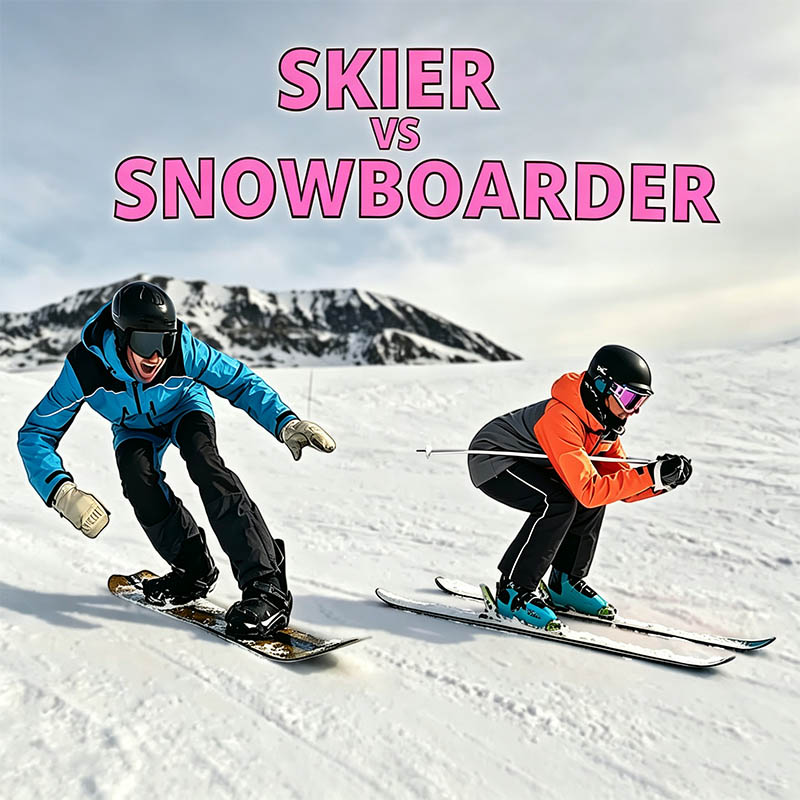
There is no fixed number of days because “learning” means different things to different people.
A useful way to think about it is in stages.
| Experience | Skiing | Snowboarding |
| First few hours | Basic sliding, stopping and balance | Balance, edge control and falling practice |
| Day 1 | Many beginners can start basic turns | Often still working on basic control |
| Days 2–3 | More confident beginner skiing | Basic turns may start to click |
| Days 3–5 | More control and smoother turns | Many beginners begin linking turns more consistently |
| One week+ | More confidence and technique | Initial learning barrier is increasingly behind you |
These are general expectations, not guarantees. Fitness, instruction, snow conditions, terrain, and practice time all matter. NOLS notes that many new skiers can enjoy a resort by week’s end, while snowboarding has a steeper initial curve.
The key distinction: getting down a beginner run vs. becoming a good skier or snowboarder. You can enjoy a green run fairly quickly, but confidence on steeper terrain, moguls, or powder takes much more practice.
Don’t measure progress by runs alone. A beginner who controls speed and turns consistently is progressing well, even on green terrain. Moving to harder slopes before you’re ready turns fun into stress. One snowboard beginner wisely advised improving turns on green runs rather than rushing onto difficult slopes without control—good advice for both sports.
Part 5. How to Make Your First Ski or Snowboard Trip Easier
The biggest mistake beginners make is treating the first day as a test of natural ability. You do not need to be naturally talented. You need a reasonable learning environment.
Take a lesson
If you can afford it, a beginner lesson is one of the best investments you can make.
An instructor can teach you:
- how to position your body
- how to stop
- how to turn
- how to control speed
- how to fall safely
- how to use lifts
- when you are ready for more difficult terrain
This is particularly important for snowboarding. Beginner communities repeatedly recommend lessons because trying to figure out edge control alone can result in repeated falls and inefficient technique.
You do not necessarily need private lessons. A good group beginner lesson can be enough to establish the fundamentals.
Start on terrain appropriate for your ability
A common beginner mistake is assuming that an easy-looking slope is automatically easy.
Resorts grade terrain differently, and conditions can change during the day.
Start somewhere gentle enough that you can stop comfortably. The goal is not to reach the bottom as quickly as possible. The goal is to remain in control.
Expect to fall
If you snowboard for the first time and fall repeatedly, that does not mean you are bad at snowboarding. The same applies to skiing.
Your first few sessions are about building movement patterns. Falling is part of that process.
That said, learning how to fall safely is important. Follow your instructor’s advice and use appropriate protective equipment.
Don’t ignore comfort
Cold, uncomfortable boots, wet gloves, poor-fitting equipment, and inadequate clothing can make learning much harder than it needs to be.
Renting equipment from a reputable shop and getting properly fitted boots can make a noticeable difference. For snowboarders, protective gear such as wrist protection can also be worth considering, particularly during the early learning stage when falls are frequent.
Give yourself recovery time
Snow sports use muscles you may not normally use. The first day can leave your legs, core, wrists, hips, or lower back feeling tired.
If you have a multi-day trip, pacing yourself can help you make better progress than pushing through exhaustion every day.
Tip: Don’t Forget Eye Protection
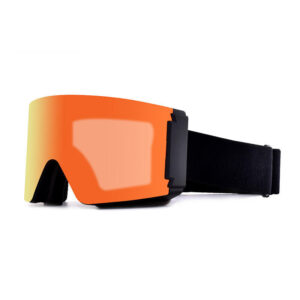
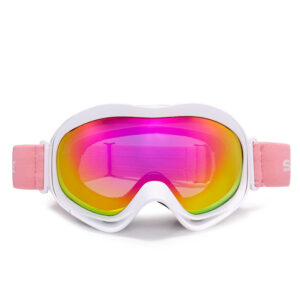
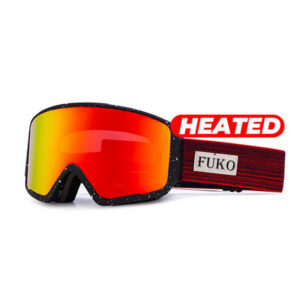
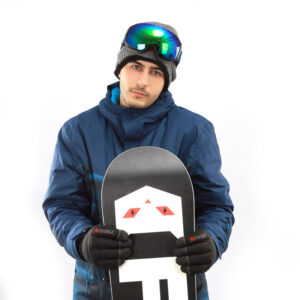
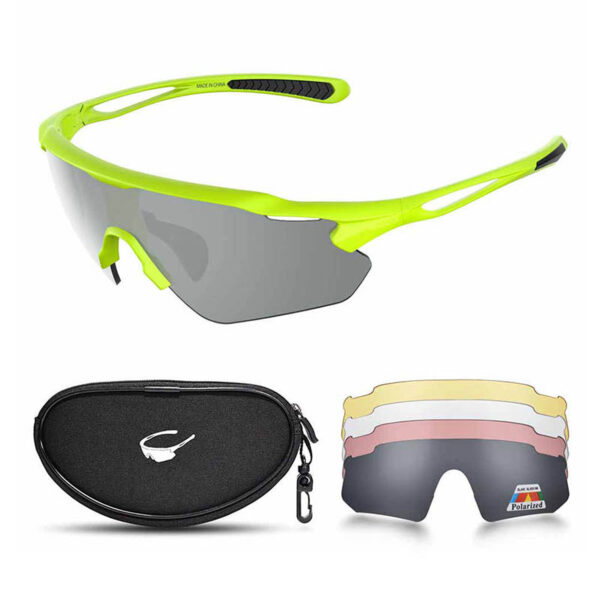
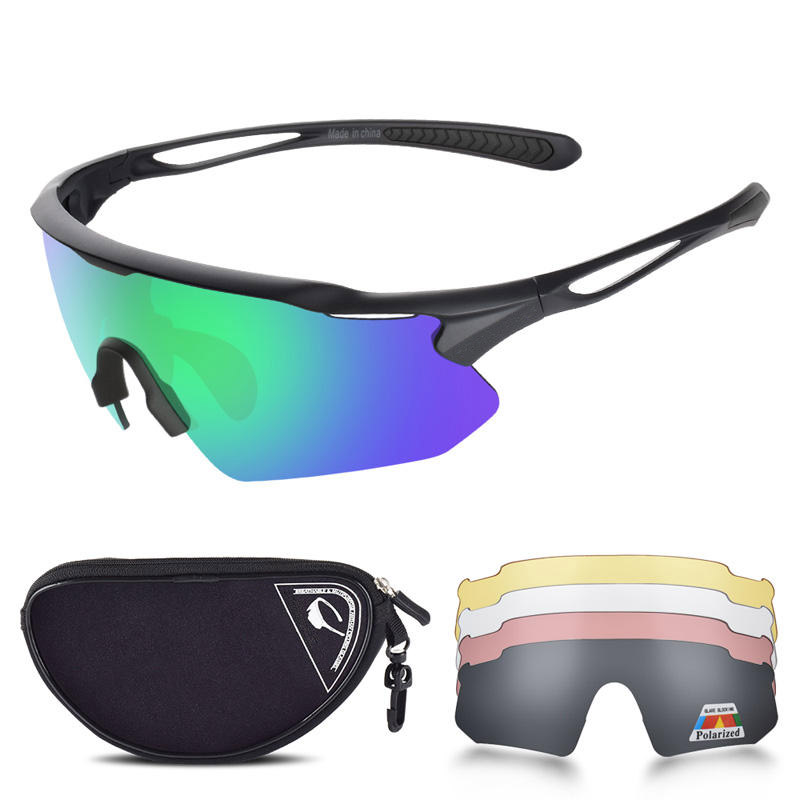
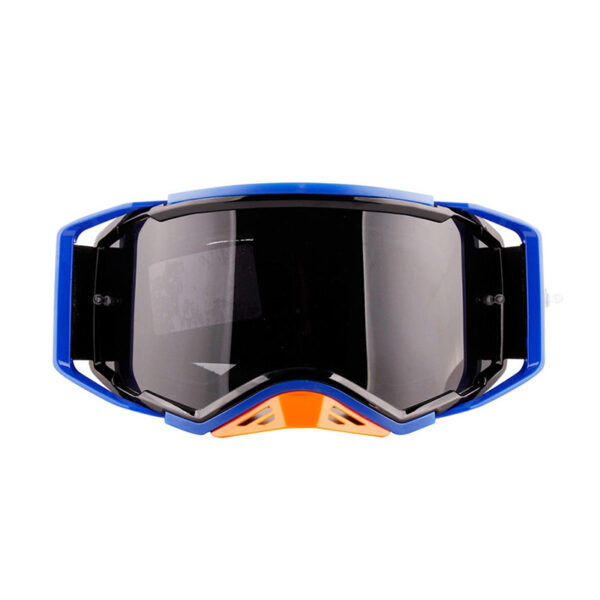
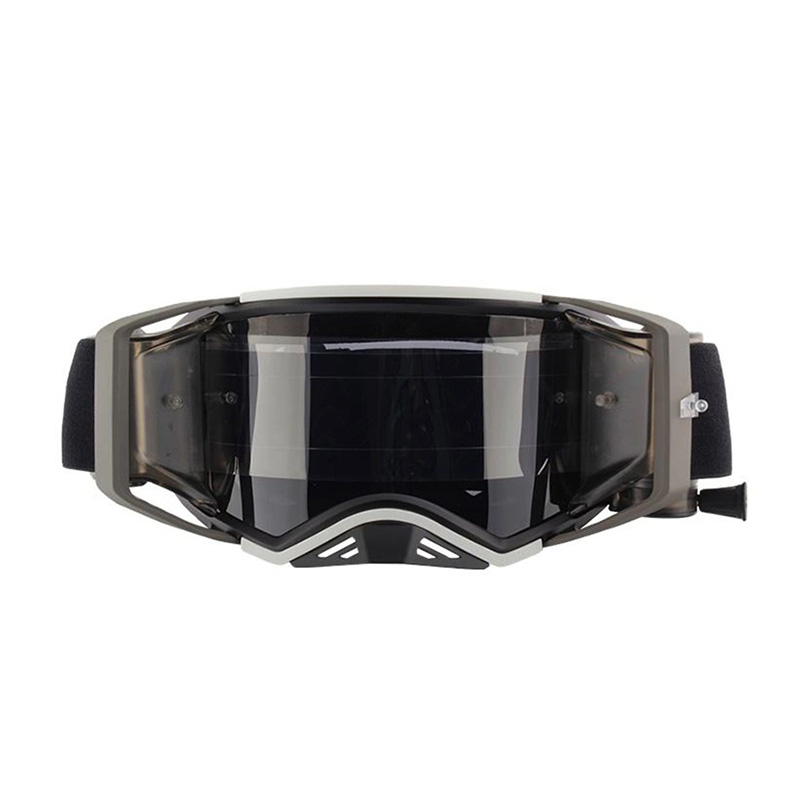
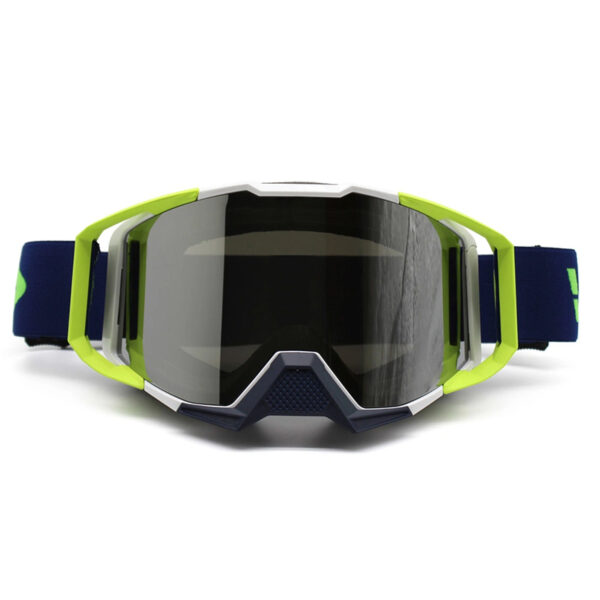
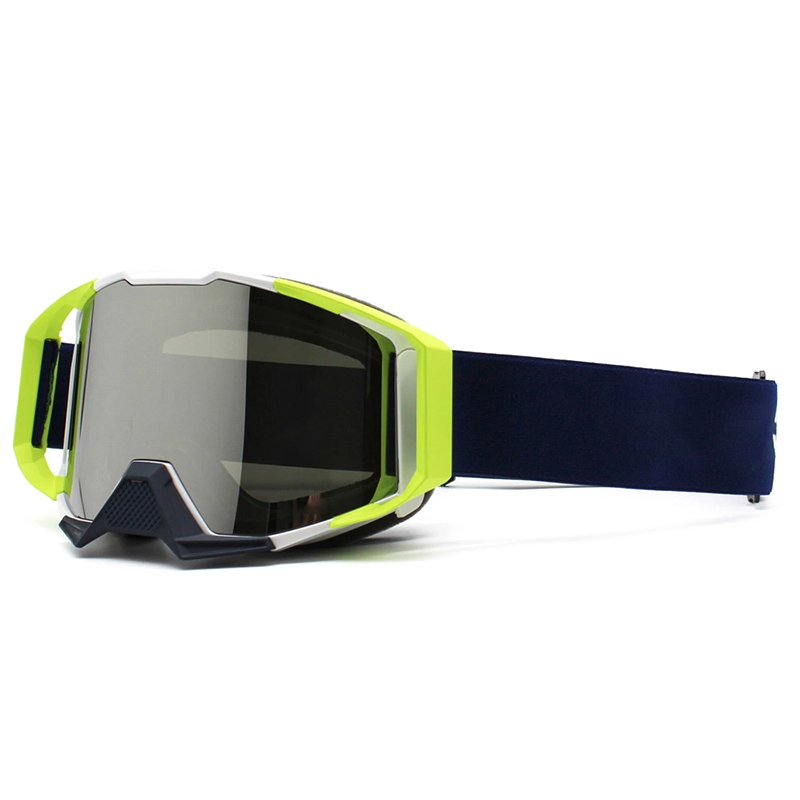
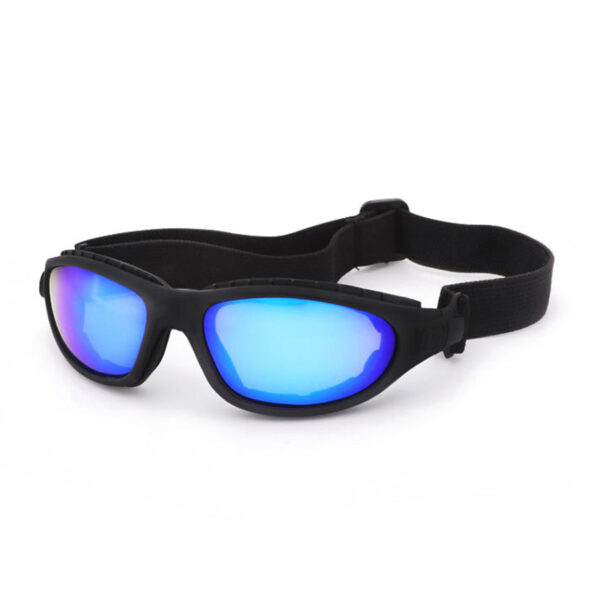
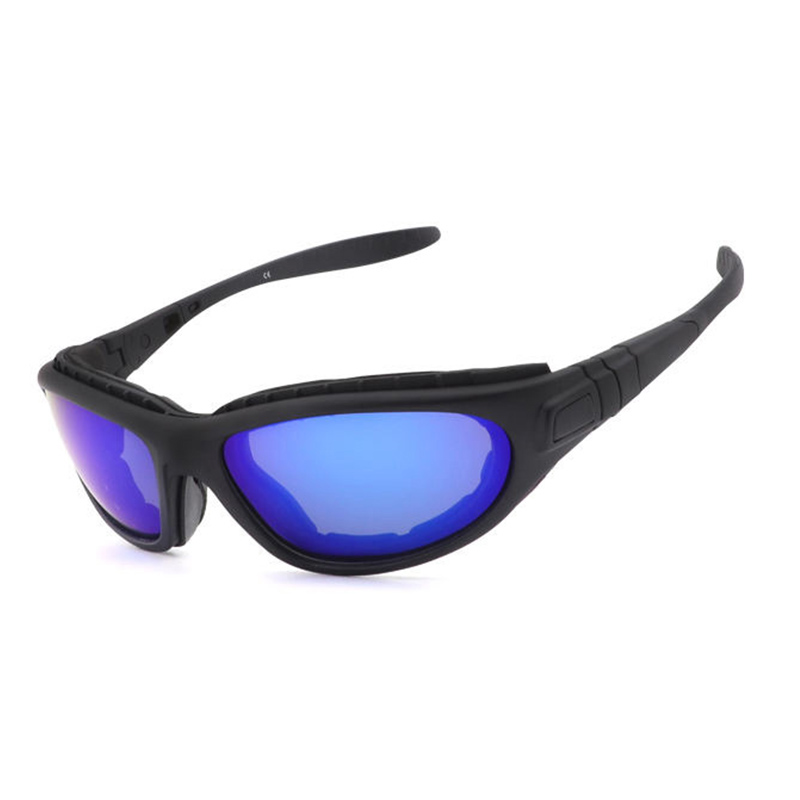
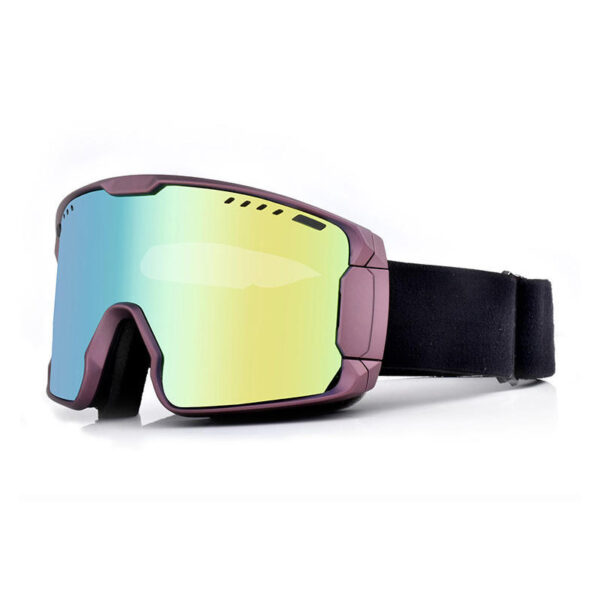
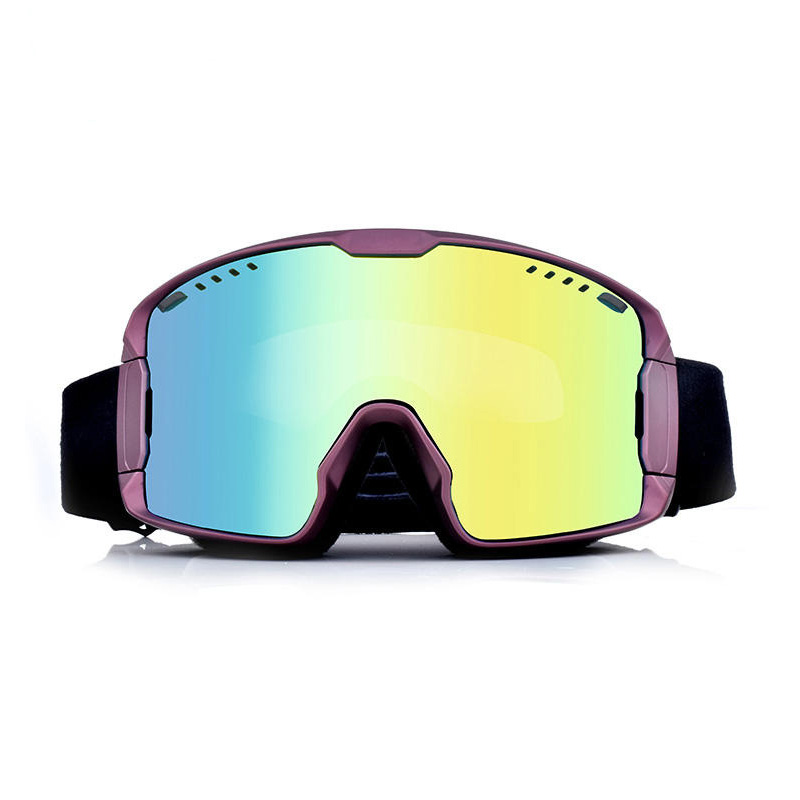
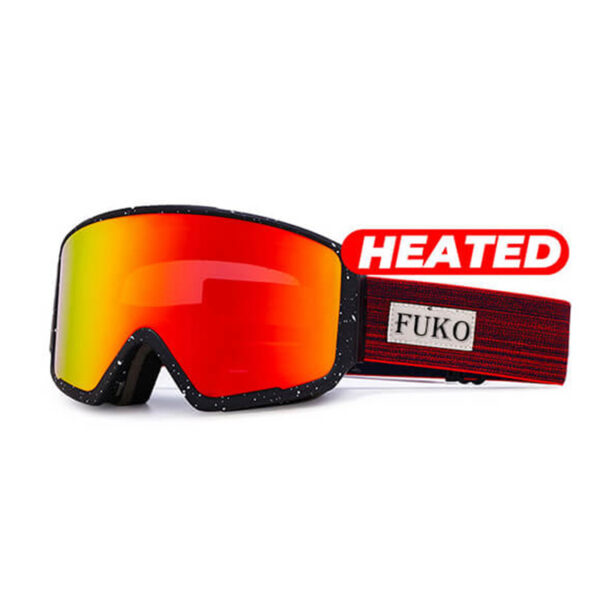
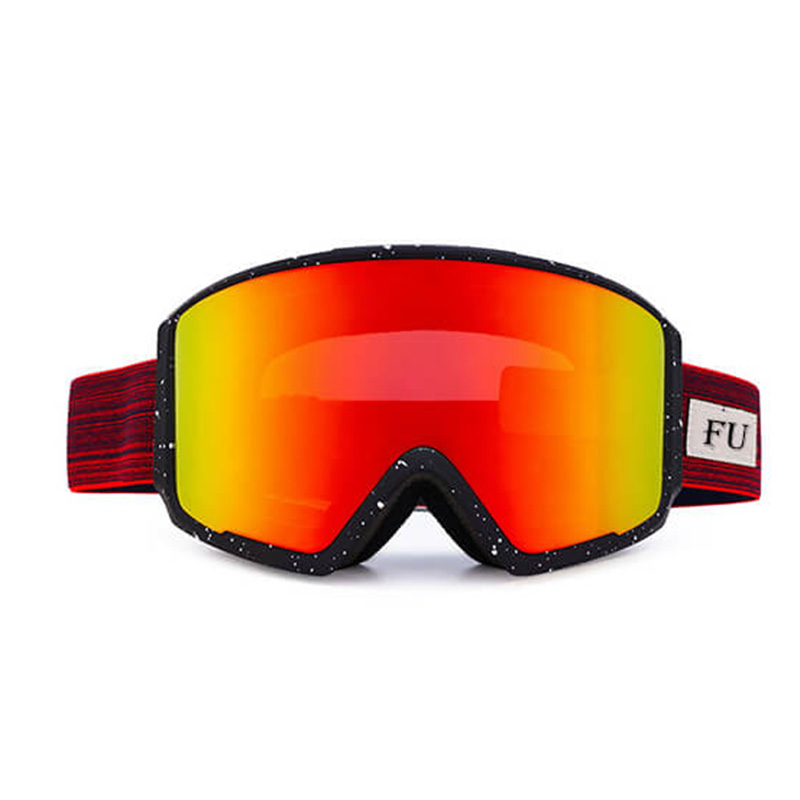
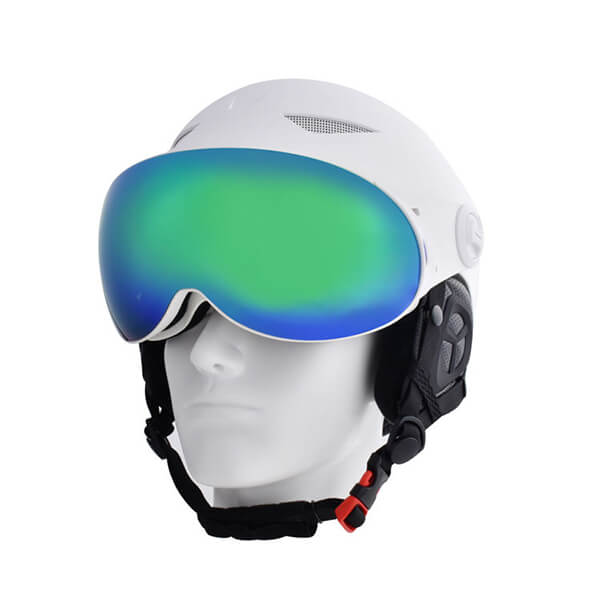
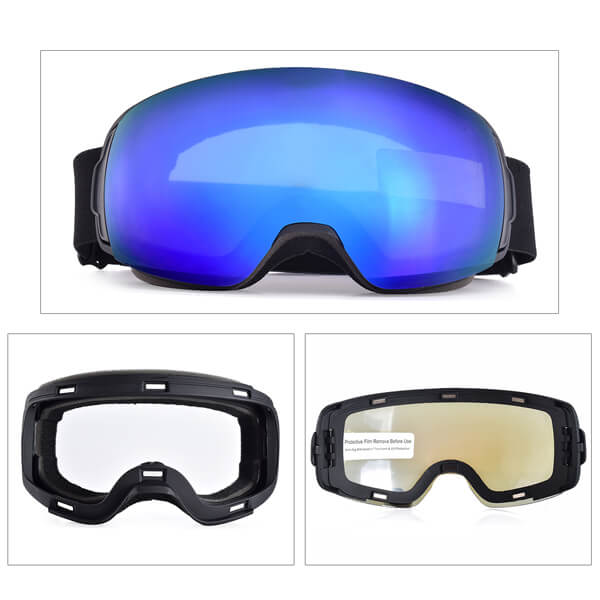
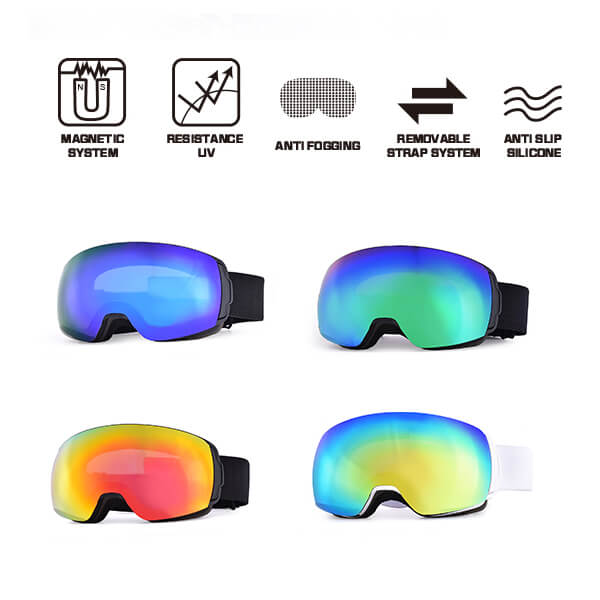
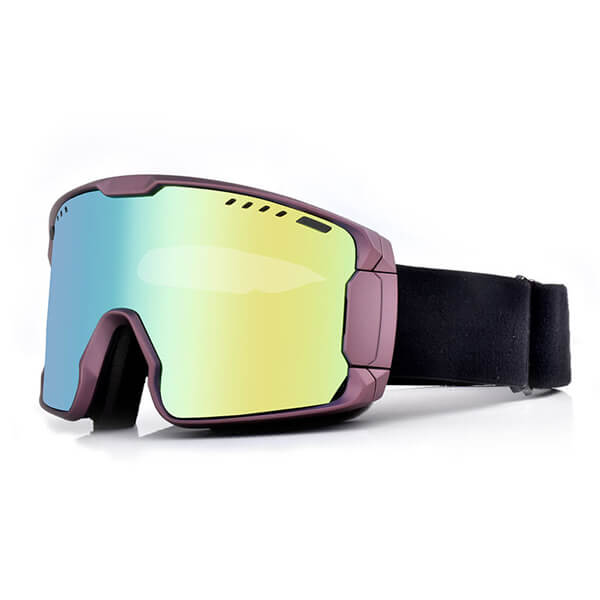
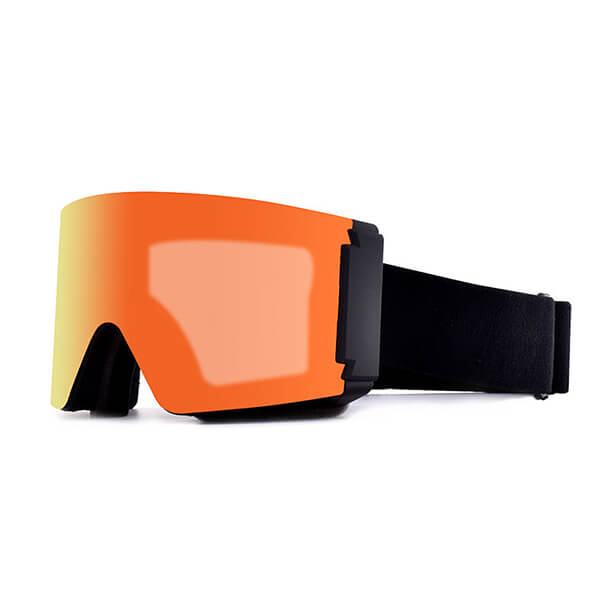
Beginners often focus on skis, boards, boots, and helmets, but eye protection matters too. Snow reflects strong sunlight, while wind and changing weather can affect visibility. Choose sports eyewear with UV protection, impact resistance, and a secure fit to stay comfortable and focused on the terrain.
For outdoor sports eyewear designed for active use, you can also explore FukoSports, a sports eyewear manufacturer offering solutions for outdoor and active lifestyles.
Part 6. FAQs About Learning to Ski or Snowboard
Q1. Is skiing or snowboarding easier for beginners?
Skiing is generally easier for complete beginners, especially during the first day or two. The forward-facing stance, independent leg movement, and wedge position make it easier to control speed and turn. Snowboarding usually has a steeper initial learning curve, but it can become easier once basic edge control clicks.
Q2. Is skiing or snowboarding easier for adults and kids?
For both adults and kids, skiing is usually more approachable at first. However, age is not the only factor. Balance, previous sports experience, fitness, confidence, and instruction can all affect how quickly someone learns.
Q3. Is skiing or snowboarding more fun?
There is no universal answer. Skiing can be more enjoyable if you want to learn quickly and explore the mountain sooner. Snowboarding may be more fun if you enjoy board sports or prefer the feeling of riding one board. Your experience and personal preference matter more than which sport is objectively “more fun.”
Q4. Is skiing or snowboarding more dangerous?
Both sports carry risks, and neither is automatically safer. Skiing involves separate leg movements and can put stress on the knees, while snowboarding beginners tend to fall more often and may experience wrist, shoulder, hip, or tailbone injuries. Proper instruction, appropriate terrain, and protective gear can help reduce risk.
Q5. Is skiing or snowboarding faster?
Skiing is generally faster, especially for experienced riders, because skis provide a more stable platform for maintaining speed. Snowboards can also reach high speeds, but factors such as terrain, snow conditions, equipment, and technique have a major impact.
Q6. Is snowboarding easier on the body than skiing? Is 25 too old to learn?
Neither sport is automatically easier on the body. Skiing tends to place more demand on the legs and knees, while beginner snowboarding involves more falls, particularly on the wrists, hips, and tailbone.
And 25 is definitely not too old to learn snowboarding. Adults can learn either sport successfully with proper instruction and enough practice.
The Bottom Line: Which One Should You Choose?
Skiing is usually easier to learn at first, while snowboarding may take longer to click.
For beginners:
- One day: Skiing is usually easier.
- Weekend trip: Skiing is generally less frustrating.
- 5–7 days: Either can work with proper instruction.
- Skateboard/surf background: Snowboarding may feel more natural.
- Friends who ski: Skiing makes it easier to stay together.
- Always wanted to snowboard: The steeper learning curve is worth considering.
Ultimately, “easy” isn’t the only factor. Choose the sport that matches your time, experience, and interests. Take a beginner lesson, start on easy terrain, and give yourself time to adjust.