When sub-zero winds howl down the mountain, and chairlifts run through freezing gusts, the right winter gear makes all the difference between an unforgettable powder day and an early retreat to the lodge with windburn and frostbite.
While most skiers invest heavily in technical waterproof jackets, insulated gloves, and premium helmets, face protection is often an afterthought—until you are standing at the peak in -15°F weather with exposed skin and completely fogged-up goggles.
Finding the best face mask for cold weather skiing isn’t just about wrapping yourself in thick fabric; it’s a delicate technical balance of breathability, moisture management, helmet fit, temperature regulation, and goggle integration.
In this ultimate guide, we draw from real-world mountain testing and expert gear analysis to break down the top-performing ski face coverings, material science, and essential buying tips to keep you warm, dry, and comfortable all season long.
Part 1. Quick Picks: Top Face Protection at a Glance
| Category | Recommended Style | Ideal Conditions | Key Advantage | Target User |
| Best Overall Protection | Hinged / Convertible Balaclava | Extreme Cold & High Wind | Full coverage with flexible mouth/nose adjustment | All-mountain resort skiers & freeriders |
| Best for High-Output | Laser-Cut Breathable Neck Gaiter | Mild Cold & Powder Days | Superior breathability; zero goggle fog | Backcountry tourers & cross-country skiers |
| Best Budget & Warmth | Fleece-Lined Double-Layer Tube | Casual Resort Skiing | Ultra-soft feel with high thermal insulation | Recreational resort skiers |
| Best Extreme Sub-Zero | Neoprene / Fleece Hybrid Mask | Arctic Blizzards & Sub-Zero | Total windproof barrier with dedicated breath vents | Storm skiers & extreme cold weather conditions |
Part 2. Deep Dive: The 3 Main Types of Ski Face Coverings
Before buying, it helps to understand how the three primary designs handle shifting mountain conditions. Each offers a distinct balance of warmth, coverage, and flexibility.
1. Neck Gaiters (Neck Warmers)
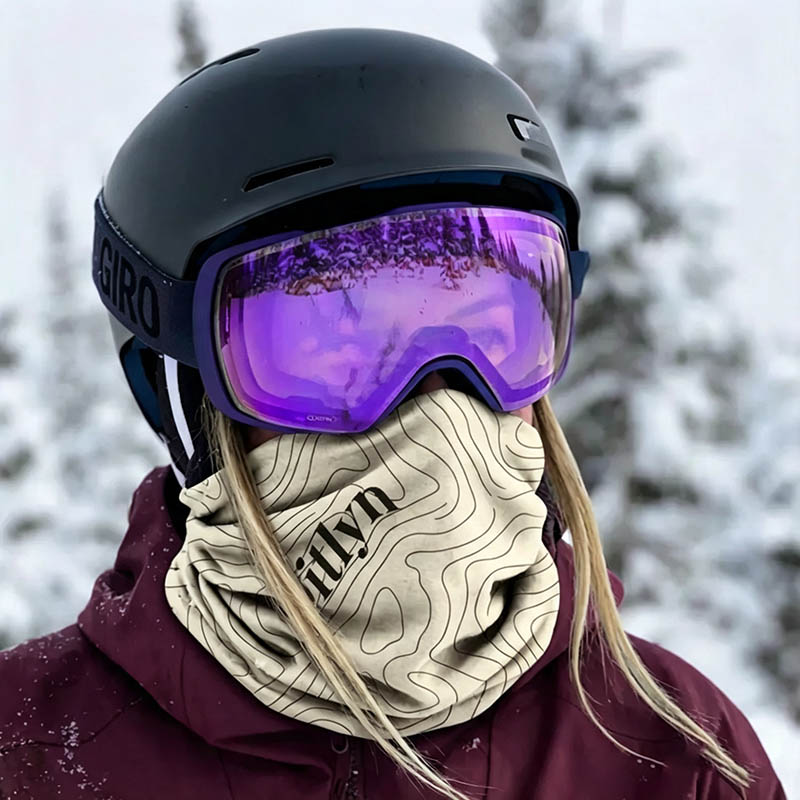
The neck gaiter is a simple, seamless tube of fabric that sits around your neck until cold winds prompt you to pull it over your nose and chin.
It excels in variable weather and casual resort skiing, making it effortless to pull down during lunch or while waiting in lift lines. Made from materials ranging from ultralight merino wool to heavy fleece, it offers great versatility. However, because it lacks a head anchor, lightweight gaiters can slide down during high-speed runs unless tucked under your goggles. Basic non-vented models can also absorb moisture from breath over time.
2. Balaclavas
When sub-zero blizzards hit, a balaclava provides unbeatable head-to-neck defense. By covering your crown, ears, and neck, it seals off every cold draft gap between your helmet and goggles.
Modern designs feature hinged panels that allow you to pull the mouth cover down without removing your helmet. Because the top cap anchors the garment, a balaclava stays locked in place all day—making it the top pick for storm skiers and high-speed downhill runs. The trade-off is that it can feel too warm on mild spring days and requires unbuckling your helmet to take off completely.
3. Half Face Masks
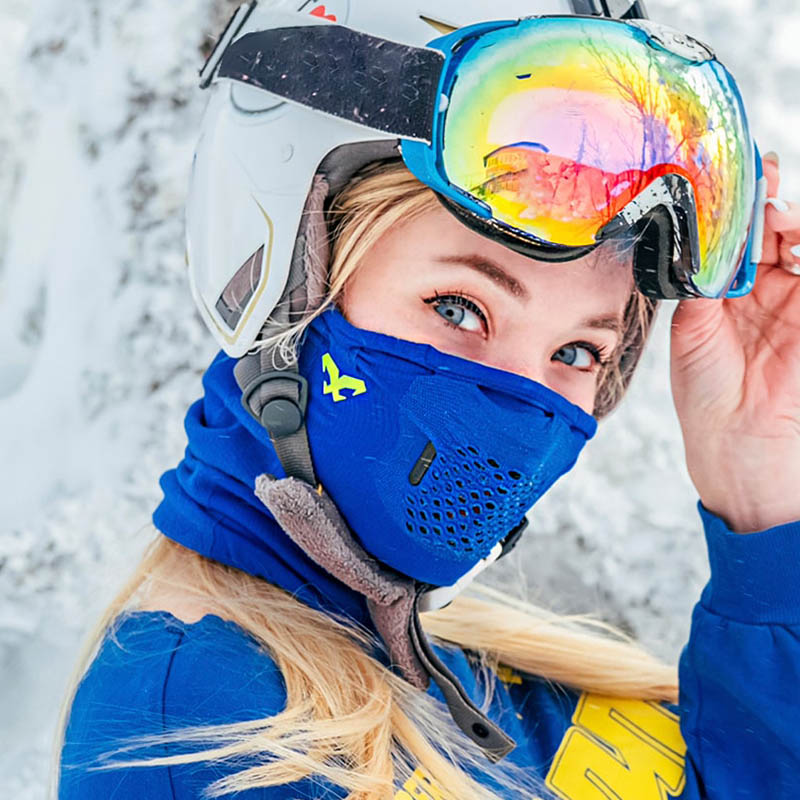
For heavy-duty wind protection without an under-helmet hood, half face masks shield your lower face from the nose down, securing behind your neck with Velcro straps or ear loops.
Often built with windproof neoprene and thermal fleece, their main edge is a structured breathing zone. The rigid material stops wet fabric from collapsing against your mouth when inhaling deeply. However, they are less adaptable than soft gaiters and can occasionally feel bulky under tight helmet ear pads or chin straps.
Part 3. The Technical Specs: What Makes a Great Cold-Weather Ski Mask?
To survive real alpine environments, a face mask must excel in five key technical areas:
1. Moisture Management & Anti-Fog Ventilation
The biggest enemy of cold-weather skiing isn’t just cold air—it’s your own breath. Exhaled breath contains high amounts of warm moisture. When trapped behind non-breathable fabric, this moisture condenses, freezes into a layer of ice against your skin, and channels directly up into your goggle vents, freezing on the inside of your lens.
Look For: Masks with laser-cut breath perforations, mesh mouth panels, or structured 3D air chambers that direct exhaled air downward and away from your goggles.
2. Material Science Comparison
Selecting the right fabric determines how well your mask handles sweat, wind, and thermal retention:
| Material | Pros | Cons |
| Merino Wool | Natural odor resistance; retains warmth when wet | Higher cost; slightly slower drying than synthetics |
| Synthetic (Polyester) | Quick-drying; durable; lightweight & budget-friendly | Retains body odors over time if untreated |
| Neoprene | 100% windproof; rigid structural protection | Zero natural breathability; requires dedicated vents |
| Grid Fleece | High warmth-to-weight ratio; excellent moisture wicking | Less wind resistant without a dedicated outer shell |
3. Helmet Compatibility & Seamless Integration
A quality mask should slide smoothly under your helmet lining without bunching up or creating uncomfortable pressure points around your forehead or ears. Look for garments constructed with flatlock seams and ergonomic, ultra-thin crown panels.
The “Gape” Golden Rule: Ensure the top edge of your face mask meets the bottom frame of your goggles seamlessly. Any gap leaves exposed skin vulnerable to severe windburn and frostbite in sub-zero conditions.
Part 4. What Actually Works in Sub-Zero Cold: My Real-World Mountain Advice
In single-digit temperatures, standard fleece gaiters quickly reveal a fatal flaw: breath condensation. Within a few runs, exhaled moisture turns an unvented mask into a stiff, ice block against your skin.
To survive brutal cold without sacrificing comfort, prioritize these essential features:
- Laser-Cut Mouth Vents: Never wear solid, non-vented fabric over your mouth in extreme cold. Dedicated perforations or mesh ports allow humid air to escape forward, preventing moisture soak and goggle fogging.
- Dual-Zone Construction: Choose masks with windproof neoprene or softshell across the nose and cheeks to block high-speed windburn, paired with an ultra-thin crown mesh that slides smoothly under your helmet.
- Hinged or Magnetic Access: Look for quick-drop hinged panels or magnetic seams. Snapping the mask open on lift rides dumps built-up moisture instantly without needing to remove your gloves or unbuckle your helmet.
Part 5. Pro Tips: How to Prevent Goggle Fogging While Wearing a Mask
- Position the Mask Seal Correctly: Do not overlap your face mask deep inside your goggle frame. Overlapping creates a fabric channel that forces warm breath straight into the goggle foam. Instead, let the top edge of the mask gently kiss the bottom gasket of your goggles without breaking the face seal.
- Choose Convertible / Hinged Balaclavas: When working hard in deep powder or moguls, pull the mouth panel down below your chin to dump heat and moisture quickly.
- Keep Your Goggles On: Avoid lifting your goggles onto your warm, sweaty forehead or beanie at the lift line. Humidity transfers directly into the inner lens vents, freezing as soon as you head back into the cold air.
- Maintain Proper Ventilation: Pair your face mask with dual-pane anti-fog goggles featuring functional perimeter venting to keep air circulating smoothly.
Pro Gear Tip: Complete Your Anti-Fog System with Fukosports
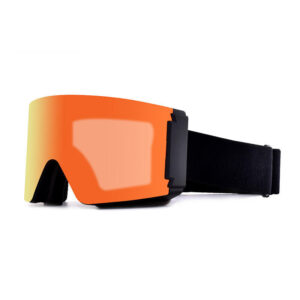
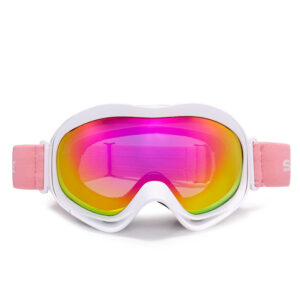
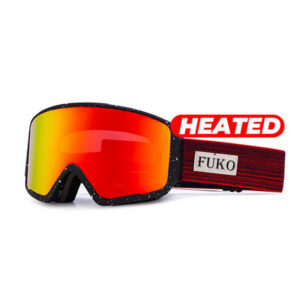
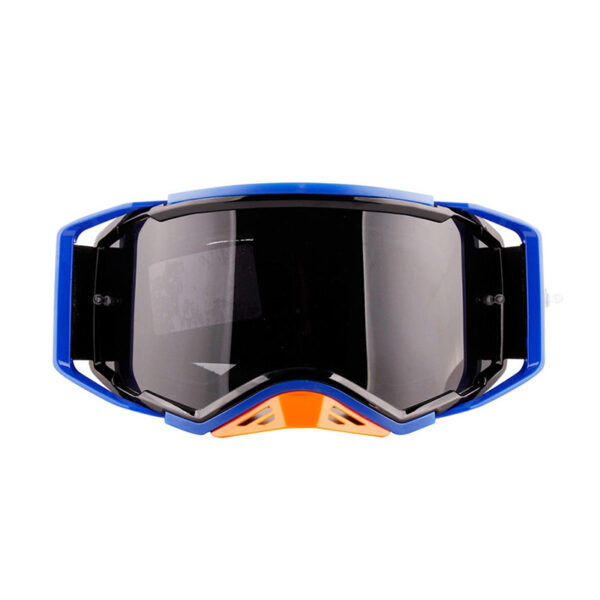
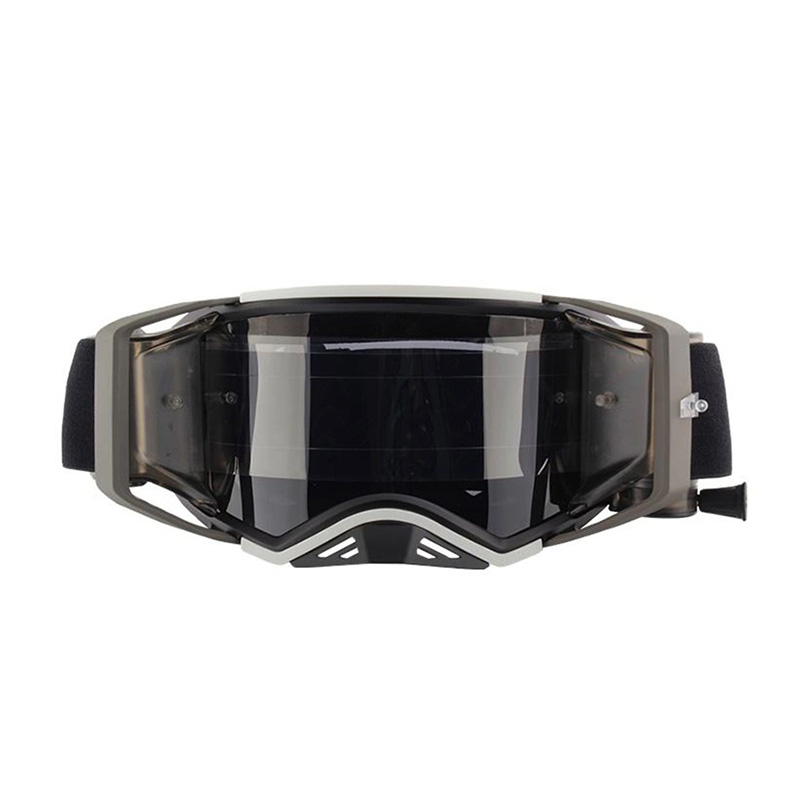
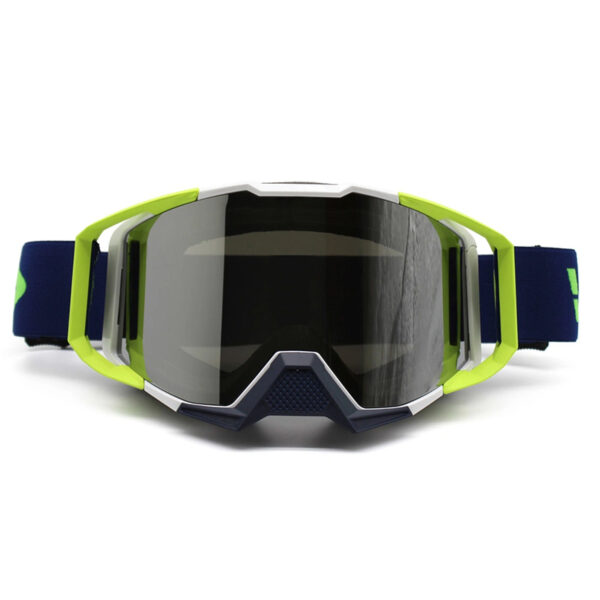
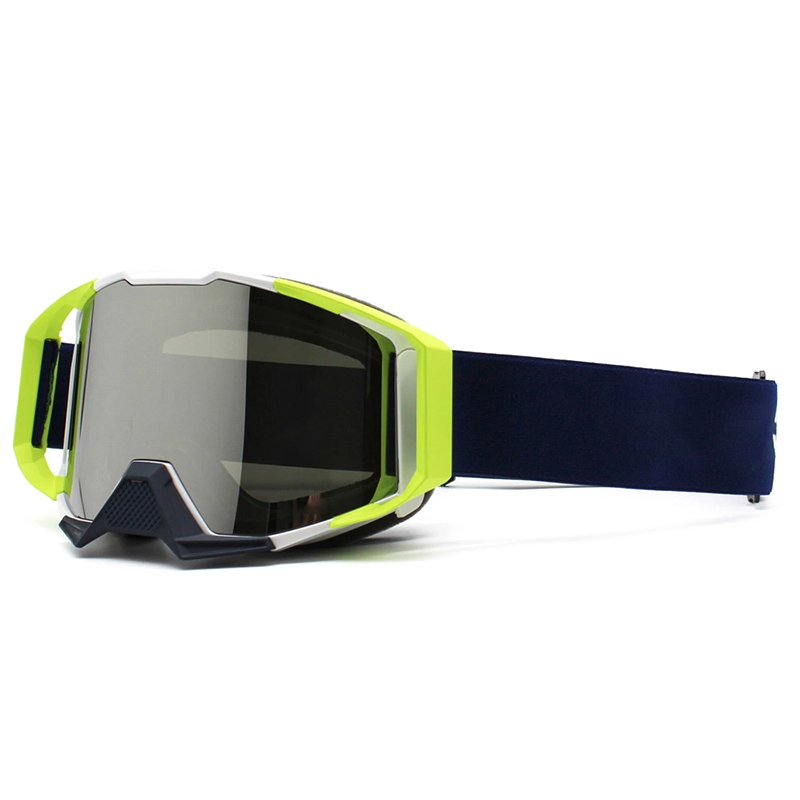
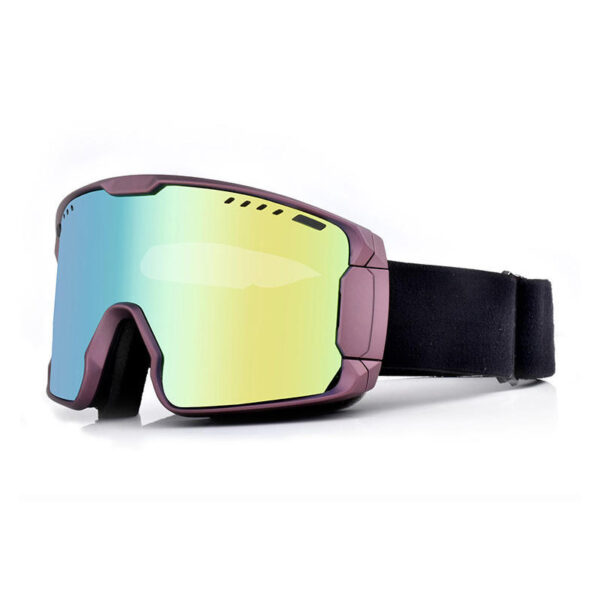
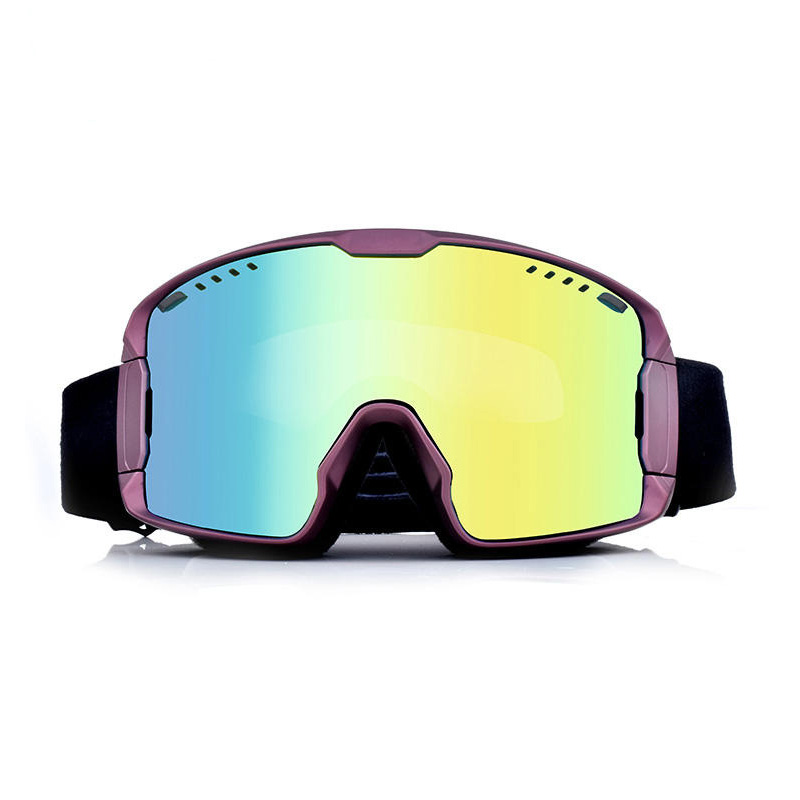
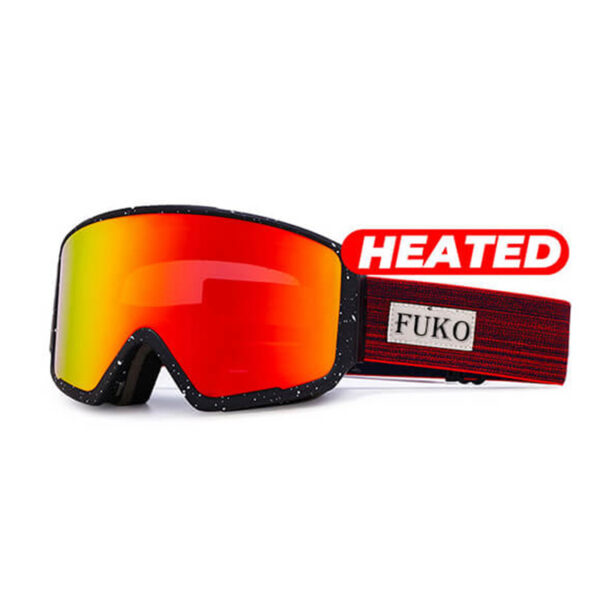
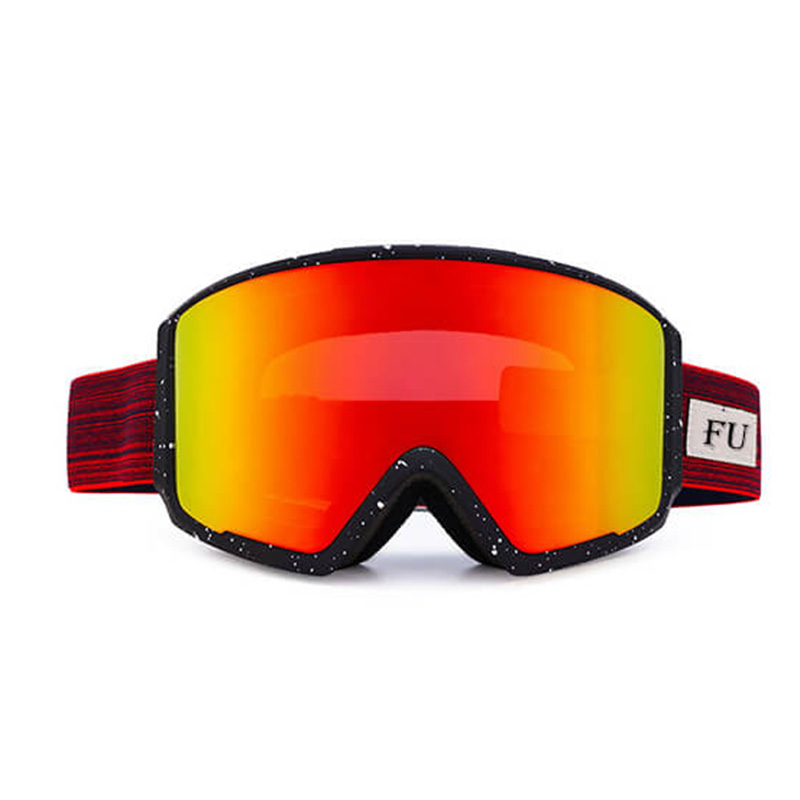
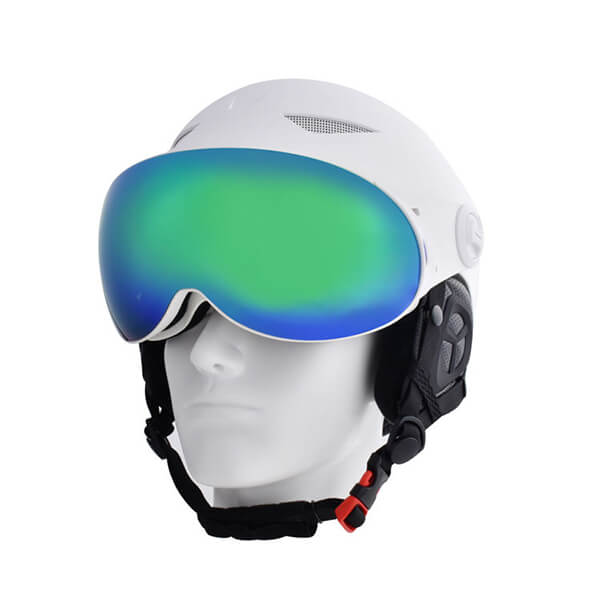
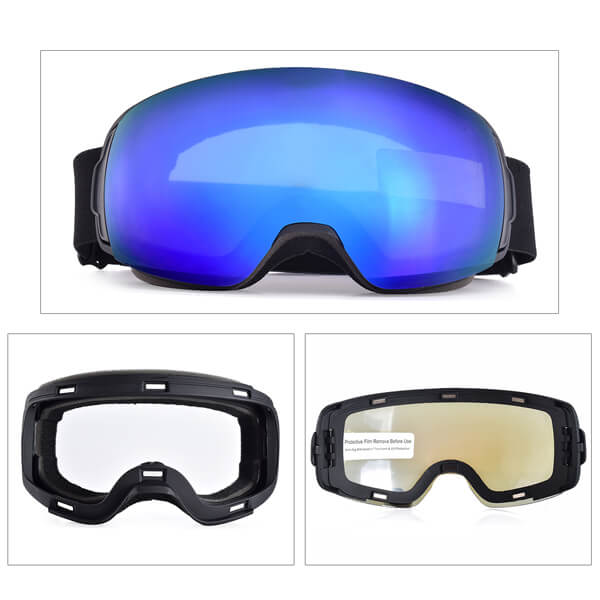
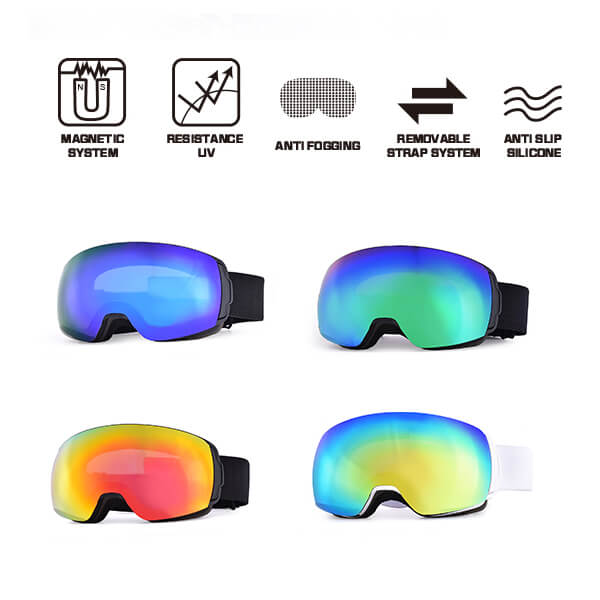
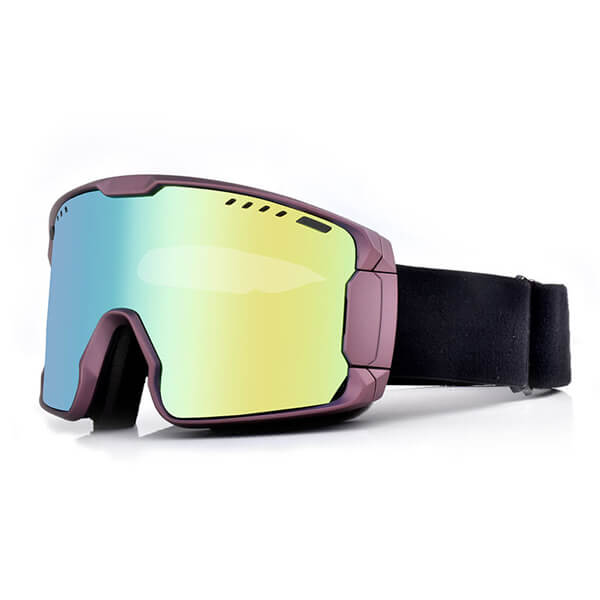
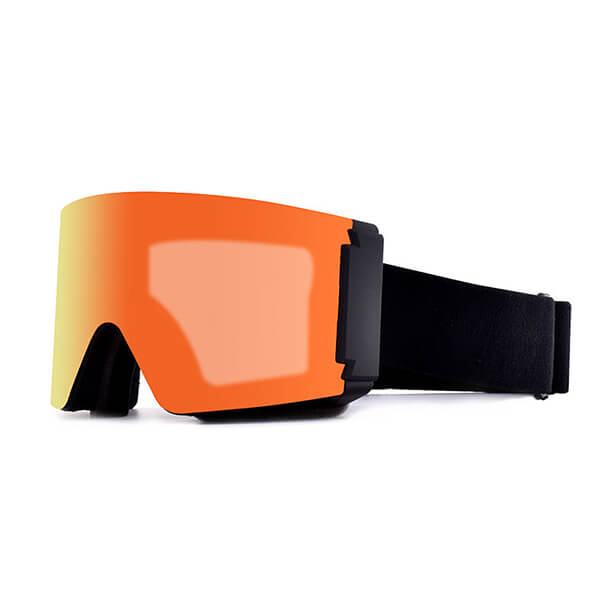
Even the most breathable face mask needs a high-performance goggle to eliminate fogging. Fukosports offers technical ski goggles engineered with dual-lens thermal barriers, magnetic quick-change optics, and optimized perimeter airflow vents. Designed for seamless integration with modern balaclavas, Fukosports ensures crystal-clear vision and complete face protection in any sub-zero storm.
Weather-Based Selection Matrix
Different days on the mountain demand different levels of protection:
- Mild / Spring Conditions (30°F to 40°F): Single-layer synthetic or thin merino wool neck gaiters. Focus on high breathability and sun protection.
- Standard Resort Skiing (15°F to 30°F): Mid-weight hinged balaclavas or fleece-lined gaiters with laser-cut breath holes. Ideal balance of warmth and ventilation.
- Extreme Sub-Zero Blizzards (Below 10°F with High Wind): Neoprene hybrid masks or double-layer fleece balaclavas with windproof front panels, full neck skirts, and dedicated ventilation ports.
Care and Maintenance Guidelines
Proper care extends the lifespan of your technical face masks and preserves their moisture-wicking and anti-odor properties:
- Washing: Machine wash in cold water on a gentle cycle using a mild technical garment cleaner or wool-safe detergent. Avoid fabric softeners, which coat synthetic fibers and destroy their moisture-wicking ability.
- Drying: Air dry only. High heat from commercial dryers can break down elastane/spandex fibers, shrink merino wool, and warp structured neoprene panels.
Part 6. FAQs about Face Masks for Cold Weather Skiing
Q1. How do I stop my glasses or goggles from fogging up while wearing a face mask?
Goggles fog when warm, moist breath escapes through the top of your mask directly into your lenses. To prevent this, choose a mask with laser-cut breath vents or mesh mouth panels to channel air forward. Position your mask so its top edge sits underneath the bottom gasket of your goggles without breaking the face foam seal against your skin.
Q2. Is a merino wool or synthetic face mask better for extreme cold?
It depends on your activity level. Merino wool is unbeatable for thermal warmth, odor control, and retaining insulation even when damp from breath moisture. However, synthetics (like grid fleece and polyester) dry significantly faster during high-output skiing, making them ideal if you sweat heavily or prefer ultra-lightweight layering under your helmet.
Q3. How do I prevent my beard or facial hair from freezing inside my mask?
Exhaled breath condenses on facial hair and freezes solid in sub-zero temps. The best solution is a structured neoprene half-mask or rigid-frame balaclava. These hold the fabric slightly away from your face, creating an air pocket that lets breath vent out before it can collect on your beard or soak into the mask material.
Q4. Do I really need a face mask if my ski helmet has ear pads?
Yes. While helmet ear pads cover your ears, they leave your nose, cheeks, chin, and neck exposed to severe windchill on high-speed chairlifts and downhill runs. Unprotected skin in temperatures below $10^\circ\text{F}$ ($-12^\circ\text{C}$) with wind can develop windburn or early-stage frostbite (frostnip) in a matter of minutes.
Q5. Do I need sun protection under a ski face mask on cloudy days?
Absolutely. Snow reflects up to 80% of UV radiation, effectively doubling your sun exposure on the mountain. UV rays easily penetrate cloudy skies and thin, lightweight fabric gaiters. Look for face coverings rated UPF 50+ or apply a moisture-resistant SPF 30+ sunscreen to your nose and cheeks beneath your mask.
Q6. Will wearing a full balaclava mess up my helmet sizing or fit?
A proper skiing balaclava will not affect your helmet fit. Unlike bulky winter hats, technical balaclavas feature an ultra-thin, single-layer crown panel with flatlock seams. It slips smoothly under your helmet lining without creating pressure points around your ears or requiring you to adjust your helmet dial size.
Conlusion
Protecting your skin from biting winds and freezing temperatures doesn’t mean sacrificing breathability or battling foggy lenses. By matching your face mask style to the weather, prioritizing moisture-wicking fabrics, and ensuring a clean helmet-and-goggle seal, you can stay warm, safe, and focused on carving great turns all season long.
Read More: