Finding the right ski boot size is arguably the most important decision you’ll make for your ski setup. A properly fitting boot translates your movements directly to your skis, giving you control, comfort, and confidence on the mountain. Conversely, a boot that’s too big or too small can lead to pain, poor performance, and even injury.
This guide provides a comprehensive look at ski boot sizing, fitting, and selection to help you find your perfect match.
Part 1. Ski Boot Size Charts
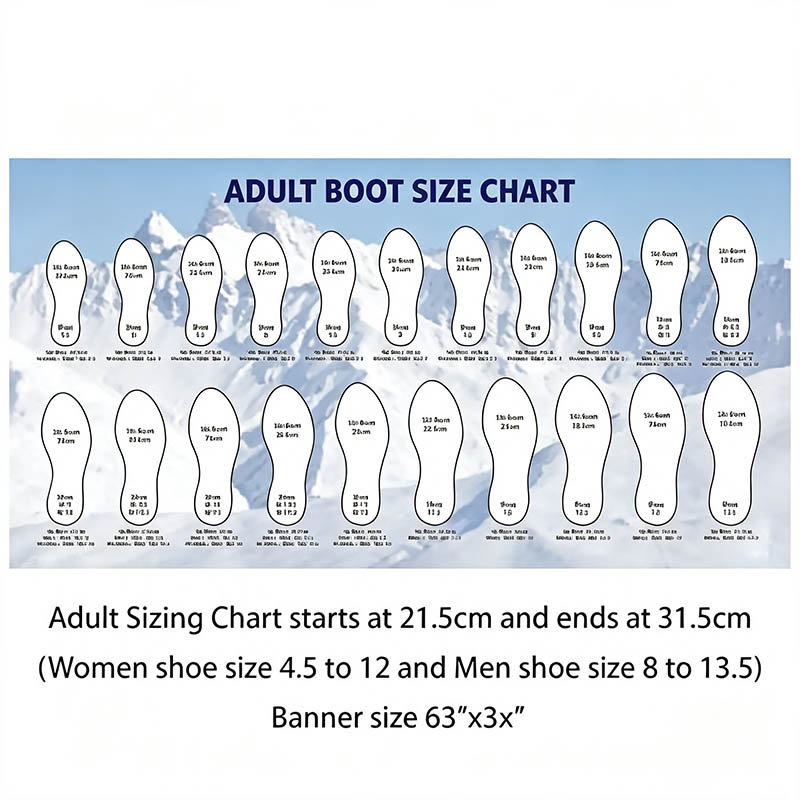
When choosing the right ski boot, standard street shoe sizing can be misleading. The ski industry uses Mondopoint (MP)—a universal sizing standard based on the foot’s actual length in centimeters.
To help you find the correct fit across different regions (UK, EU, US), different demographic categories (Men, Women, Youth, Kids), and popular brands like Atomic and Salomon, explore the detailed conversion charts and brand profile comparisons below.
1. Comprehensive Ski Boot Size Conversion Chart
Ski boot sizing spans across Kids (Tots/Junior), Youth, Women, and Men. Note that in ski boot shell design, full sizes and half sizes (e.g., 26.0 and 26.5) typically share the same shell size, with half-size differences managed by liner thickness and footbed volume.
| Mondopoint (cm) | EU Size | US Men’s | US Women’s | UK Size | Target Group |
| 20.0 / 20.5 | 32.7 / 33.3 | 2.0 / 2.5 | 3.0 / 3.5 | 1.0 / 1.5 | Kids / Youth |
| 21 | 33 | 2 | — | 1 | Kids / Youth |
| 21.5 | 34.0 – 34.7 | 3.0 – 3.5 | 4.0 / 4.5 | 2.0 / 2.5 | Kids / Youth |
| 22 | 35.0 – 35.3 | 4 | 5 | 3 | Women / Small Adult |
| 22.5 | 35.5 – 36.0 | 4.5 | 5.5 | 3.5 | Women / Small Adult |
| 23 | 36.5 – 36.7 | 5 | 6 | 4 | Women |
| 23.5 | 37.0 – 37.3 | 5.5 | 6.5 | 4.5 | Women |
| 24 | 38 | 6 | 7 | 5 | Women / Unisex |
| 24.5 | 38.5 – 38.7 | 6.5 | 7.5 | 5.5 | Women / Unisex |
| 25 | 39.0 – 39.3 | 7 | 8 | 6 | Men / Women |
| 25.5 | 40 | 7.5 | 8.5 | 6.5 | Men / Women |
| 26 | 40.5 – 40.7 | 8 | 9 | 7 | Men / Performance Women |
| 26.5 | 41.0 – 41.3 | 8.5 | 9.5 | 7.5 | Men / Performance Women |
| 27 | 42 | 9 | 10 | 8 | Men |
| 27.5 | 42.5 – 42.7 | 9.5 | 10.5 | 8.5 | Men |
| 28 | 43.0 – 43.3 | 10 | 11 | 9 | Men |
| 28.5 | 44 | 10.5 | 11.5 | 9.5 | Men |
| 29 | 44.5 – 44.7 | 11 | 12 | 10 | Men |
| 29.5 | 45.0 – 45.3 | 11.5 | 12.5 | 10.5 | Men |
| 30 | 45.5 – 46.0 | 12 | 12 | 11 | Men (Large) |
| 30.5 | 46.0 – 46.7 | 12.5 | 12.5 | 11.5 | Men (Large) |
| 31 | 47.0 – 47.3 | 13 | 13 | 12 | Men (XL) |
| 31.5 | 47.5 – 48.0 | 13.5 | 13.5 | 12.5 | Men (XL) |
| 32 | 48.0 – 48.7 | 14 | 14 | 13 | Men (XL) |
| 32.5 | 48.5 – 49.3 | 14.5 | 14.5 | 13.5 | Men (XL) |
| 33 | 49.0 – 50.0 | 15 | 15 | 14 | Men (XXL) |
| 33.5 | 50.7 | 15.5 | 15.5 | 14.5 | Men (XXL) |
| 34 | — | 16 | — | 15 | Men (XXL) |
2. Brand Sizing Profiles: Atomic vs. Salomon vs. Tecnica
While Mondopoint standardizes foot length across all brands, boot width and shell shape (known as the Last) vary significantly by brand and product line. Understanding brand-specific fit profiles ensures you pick the right volume for your foot shape.
| Brand | Low Volume (LV)(97mm – 98mm) | Medium Volume (MV)(99mm – 101mm) | High Volume (HV)(102mm – 104mm+) |
| Atomic | Hawx Ultra | Hawx Prime | Hawx Magna |
| Salomon | S/Pro Alpha | S/Pro | QST Access / Select HV |
| Tecnica | Mach1 LV / Cochise LV | Mach1 MV / Cochise MV | Mach1 HV / Mach Sport HV |
Atomic Ski Boots
Atomic utilizes clear volume classifications within their flagship Hawx series to cater to different foot widths and insteps:
- Narrow / Low Volume (LV): Hawx Ultra (98mm last) — Designed for narrow feet and skiers seeking maximum precision.
- Medium Volume (MV): Hawx Prime (100mm last) — The standard fit accommodating average foot shapes.
- Wide / High Volume (HV): Hawx Magna (102mm last) — Engineered with extra forefoot space and instep room for wider feet.
Salomon Ski Boots
Salomon boots are well known for generous instep space and advanced moldable shell technology:
- Performance / Precision Fit: S/Pro Alpha (98mm last) — Tight heel retention and a narrow forefoot profile.
- All-Mountain Standard: S/Pro (100mm last) — Features an anatomical 100mm last paired with Custom Shell HD heat-molding capabilities.
- Comfort & Wide Fit: QST Access / Select HV (104mm last) — Designed with high volume and easy step-in features for wider feet and recreational comfort.
Tecnica Ski Boots
Tecnica is highly regarded for its anatomical shell shaping and C.A.S. (Custom Adaptive Shape) technology, offering distinct volume choices across its performance and freeride lines:
- Narrow / Low Volume (LV): Mach1 LV / Cochise LV (98mm last) — Engineered with a snug heel pocket and lower-profile instep for narrow feet and high-performance skiers.
- Medium Volume (MV): Mach1 MV / Cochise MV (100mm last) — Precise anatomical shape catering to standard foot dimensions with exceptional lateral power transmission.
- Wide / High Volume (HV): Mach1 HV / Mach Sport HV (103mm last) — Provides extra room across the forefoot and higher instep clearance without sacrificing shell responsiveness.
Part 2: How to Measure Your Ski Boot Size
While a conversion chart is a helpful starting point, the best way to determine your size is to measure your foot directly. Here’s a simple, accurate method you can do at home.
The Home Measurement Method
- Prepare: Place a blank piece of paper against a wall on a hard, flat floor. Wear the thin ski socks you plan to ski in.
- Stand: Stand on the paper with your heel firmly against the wall. Your weight should be evenly distributed on both feet, as feet splay when bearing weight.
- Mark: Have someone mark the paper at the end of your longest toe. It’s often best to draw a line at the wall and another at the toe and then measure between them.
- Measure: Measure the distance from the wall to the mark in centimeters. This is your foot length.
- Repeat for Both Feet: Feet are rarely the same size. Use the longer measurement as your base Mondopoint size.
The “Shell Fit” Test
Once you have a boot in mind, you can perform a shell fit to check the length. This is a technique often used by professional bootfitters.
- Remove the inner liner from the boot shell.
- Slide your foot (wearing a thin ski sock) into the empty shell, pushing your toes forward until they lightly brush the front of the boot.
- Check the space behind your heel. You should be able to slide:
- 1 Finger: A very tight “race fit” for expert skiers (approximately 15mm of space).
- 1.5-2 Fingers: A good “performance fit” for most advanced skiers (15-22mm of space).
- 2+ Fingers: A more relaxed “comfort fit” for beginners and intermediates; more than 30mm is likely too big.
Part 3: How to Choose the Right Ski Boots
Choosing the right ski boot goes beyond just length. It involves understanding the boot’s fit, flex, and last width.
Understanding Last Width (Volume)
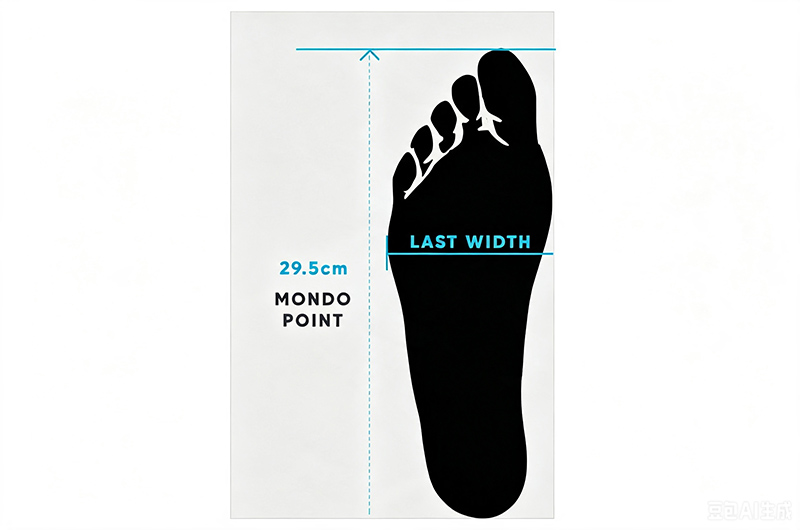
“Last” refers to the internal width of the boot at the forefoot (the ball of your foot). Boots are categorized into different volumes .
| Volume Category | Last Width (approx.) | Best For |
| LV (Low Volume) | 97 – 98 mm | Skiers with narrow feet who want a high-performance, precise fit. |
| MV (Mid Volume) | 99 – 100 mm | Average-width feet and a balanced fit between comfort and performance. |
| HV (High Volume) | 101 – 102 mm | Skiers with wide or high-volume feet, or those who prioritize comfort. |
| EHV (Extra High Volume) | 103 mm + | Skiers with very wide feet or high insteps. For example, the Rossignol EVO 70 offers a generous 104mm last for all-day comfort. |
Important Note on Last Scaling: The last width is typically measured on a 26.5 shell. For every shell size you go up or down, the actual width changes by about 2mm. A 29.5 boot labeled as a 100mm last is actually 106mm wide, while a 24.5 boot with the same label is actually 96mm wide.
Flex: The Key to Performance
“Flex” describes how stiff the boot is when you flex forward. It is usually represented by a number (e.g., 70, 100, 130). A higher number means a stiffer boot .
| Flex Index | Ability Level | Description |
| 60 – 80 (Men) / 50 – 70 (Women) | Beginner to Intermediate | Softer, more forgiving flex that is comfortable and easy to control. |
| 85 – 100 (Men) / 65 – 90 (Women) | Intermediate to Advanced | Medium flex offering a good balance of support and comfort. |
| 105 – 130 (Men) / 85 – 110 (Women) | Advanced to Expert | Stiff flex for maximum energy transfer and precision at high speeds. |
Important: Flex is also affected by your weight and strength. A lighter skier might find a 100-flex boot too stiff, while a heavier skier might find it too soft.
Choosing Based on Skier Type
Your ability and skiing style should guide your choices .
| Skier Type | Style & Terrain | Recommended Fit | Recommended Flex (Men/Women) |
| Beginner/Intermediate | Cautious pace, groomed slopes | Indicated size or 1/2 size larger | 60-80 / 50-70 |
| Intermediate/Advanced | Medium-fast pace, all mountain, park, backcountry | Indicated size or 1/2 size smaller | 85-100 / 65-90 |
| Advanced/Expert | Aggressive pace, all terrain | 1/2 to 1 size smaller | 105-130 / 85-110 |
How Should Your Boots Feel?
- Standing Straight: Your toes should lightly brush or touch the front end of the liner when standing upright.
- In Athletic Flexed Stance: As you bend your knees forward into the boot tongue, your heel shifts back into the heel pocket, pulling your toes slightly off the front.
- Heel Hold: Your heel must stay securely held. Heel lift should not exceed 3–5 mm when flexing hard.
- Uniform Snugness: The boot should feel like a firm handshake all over your foot, without localized pinch points or restricted blood flow.
The Golden Rule: It’s much easier for a bootfitter to make a tight boot bigger than to make a big boot smaller.
Part 4: Protecting Your Investment with the Right Gear
Finding the perfect ski boot is a significant investment in both money and time. It’s the critical connection between you and your skis, enhancing control, comfort, and safety.
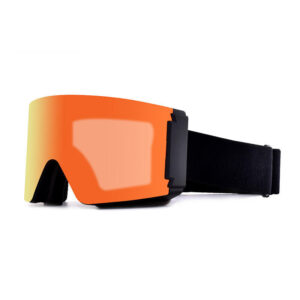
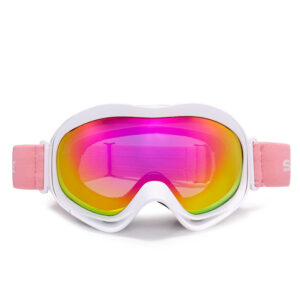
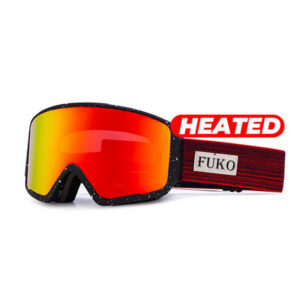
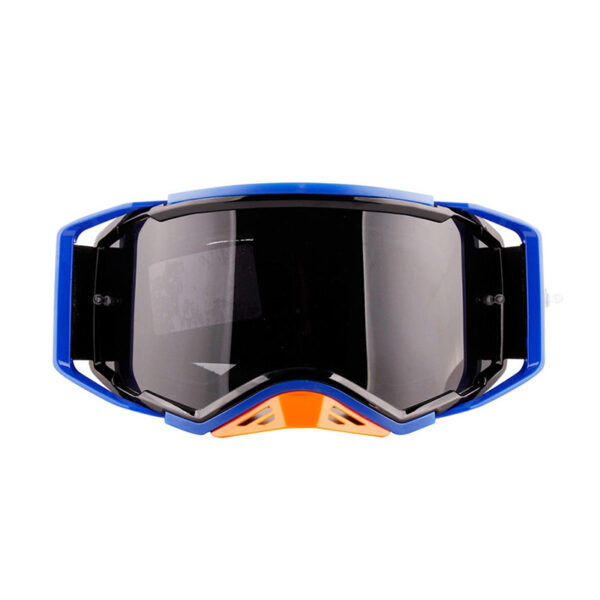
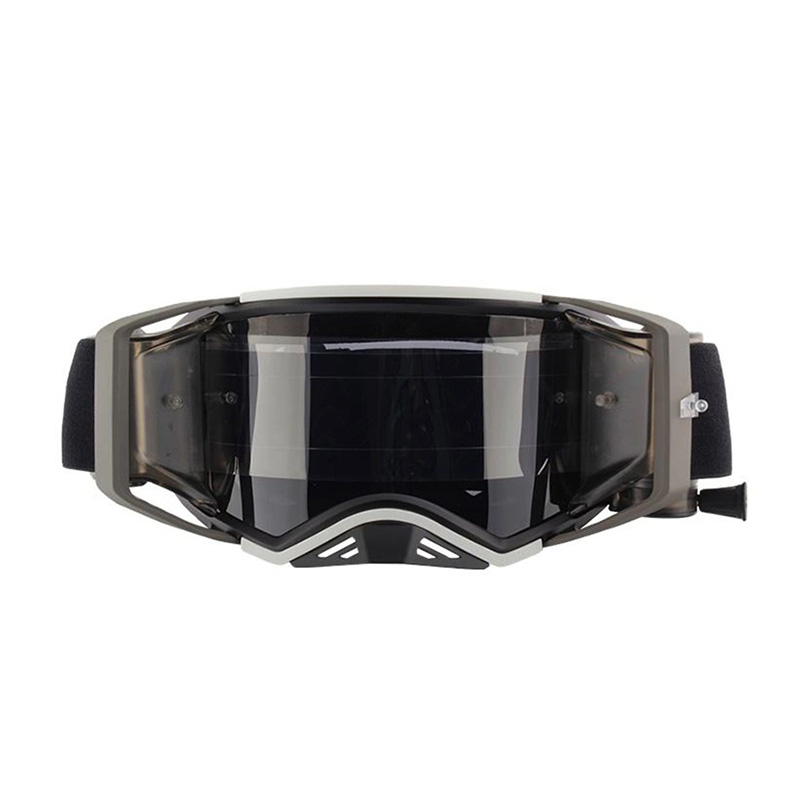
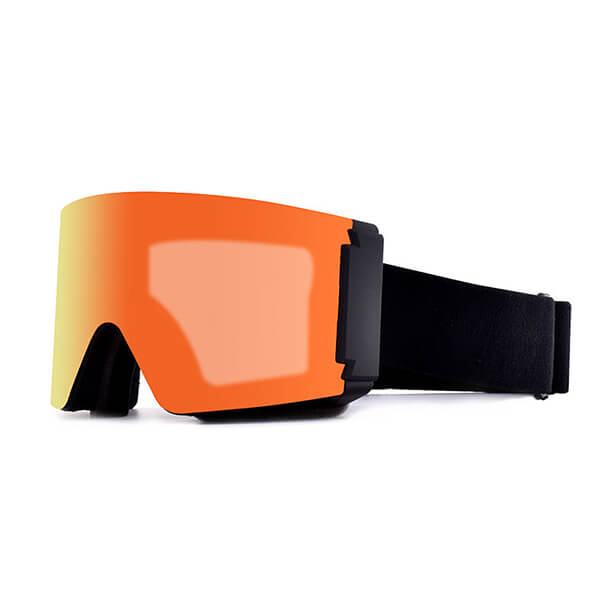
But a perfect boot deserves to be paired with equally high-quality gear that protects this investment and ensures your time on the slopes is safe and enjoyable. Your vision is just as important as your feet, and the right eyewear is essential for reading the terrain and reacting quickly. This is where a reliable partner in sports eyewear matters.
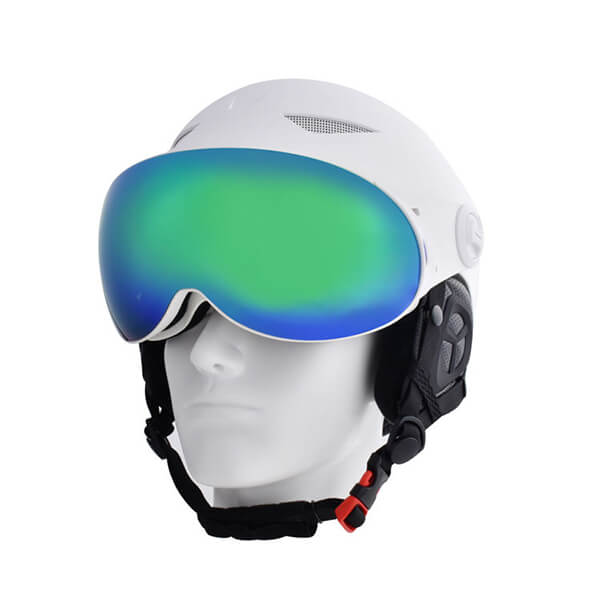
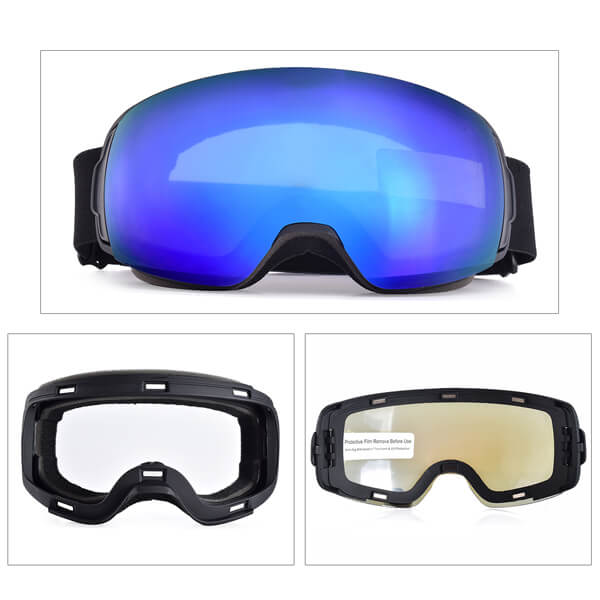
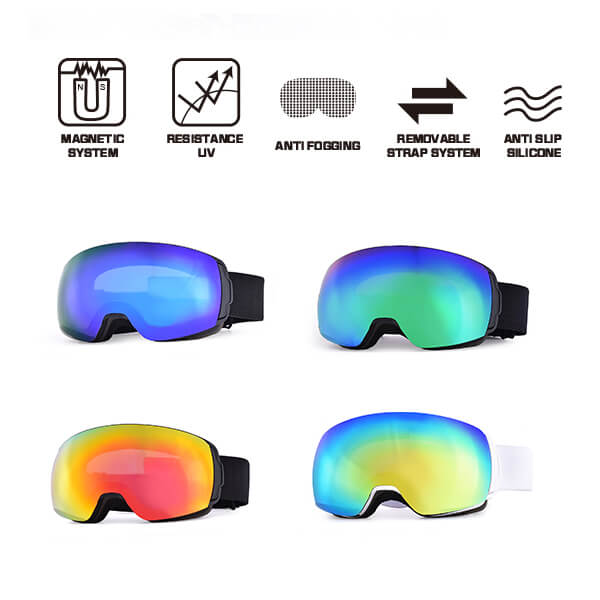
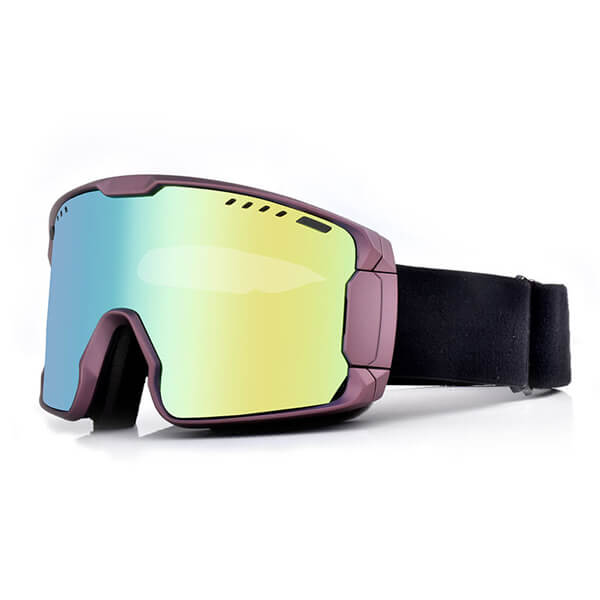
As a leading manufacturer of custom ski goggles and protective gear, FukoSports understands the importance of precision and quality. With over 9 years of expertise, we specialize in providing customizable, high-performance ski goggles that complement your perfect boot fit.
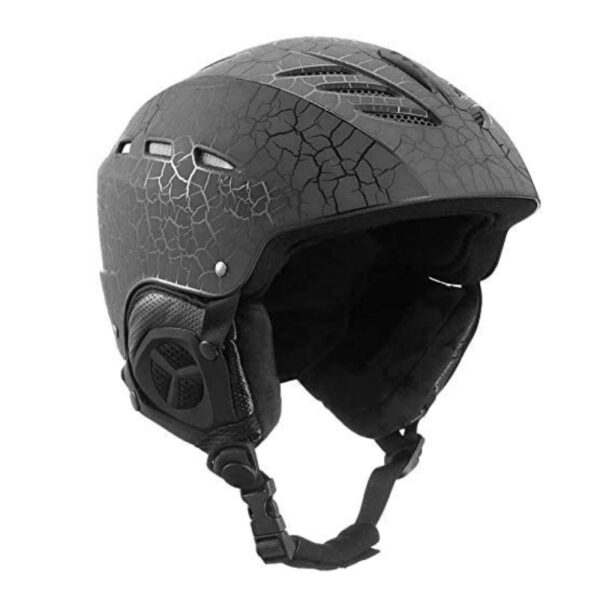
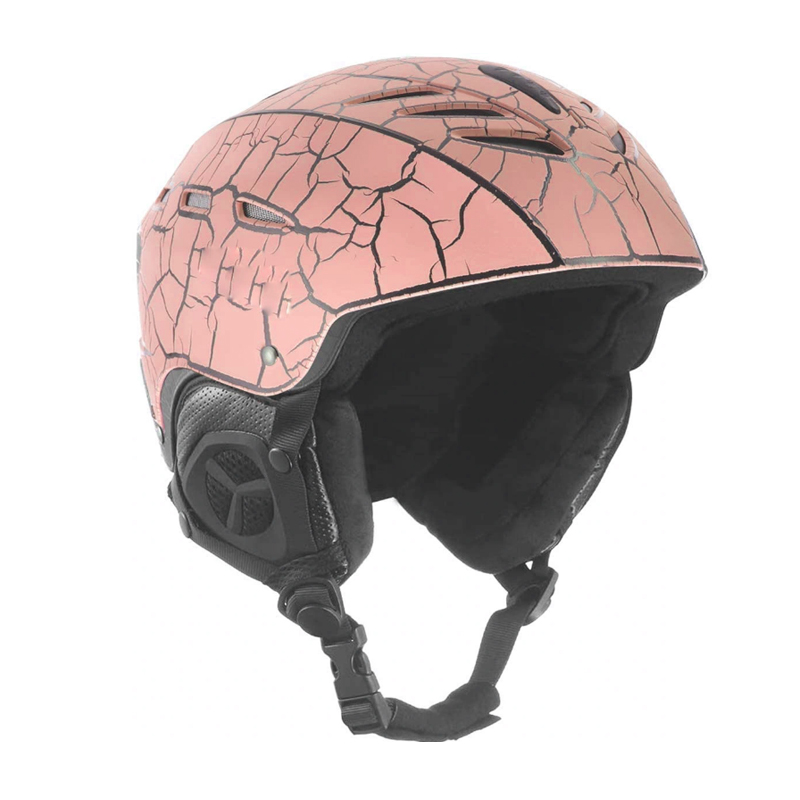
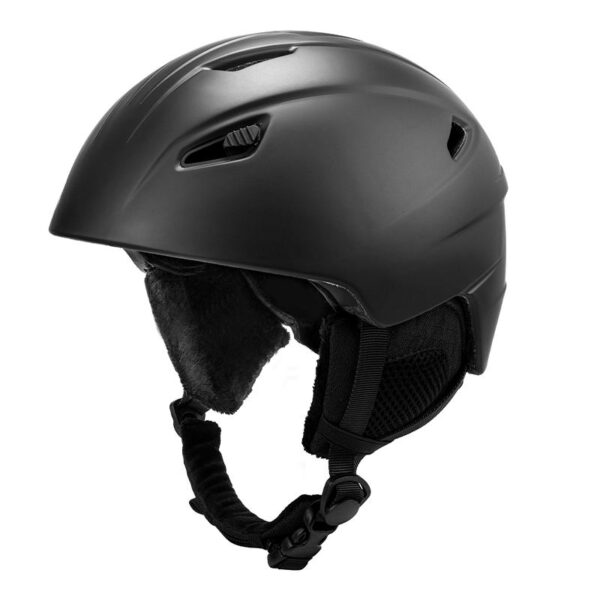
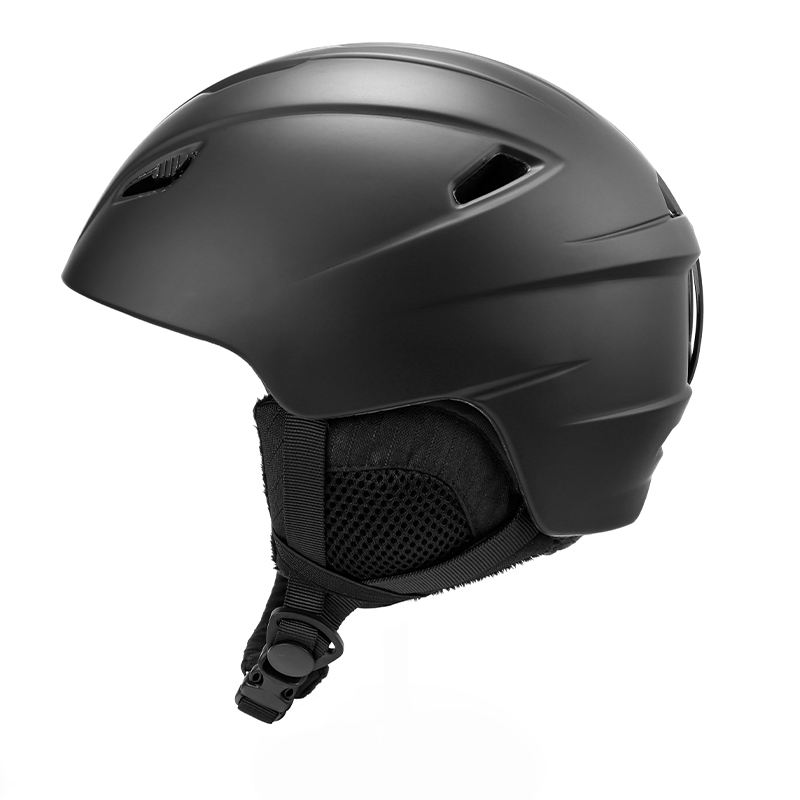
Whether you need Custom Ski Helmet, Ski Helmets, or Electrothermal OTG Heated Ski Goggles, our goal is to ensure you have the clarity and protection you need to ski with confidence all day long. Just as a good bootfitter dials in your fit, we dial in your eyewear for optimal performance and safety.
Part 5: FAQs About Ski Boot Size
Q1: Should I size up or down in ski boots?
You should generally size down rather than up. Ski boot liners pack out (expand) by 30% to 50% after a few days of skiing. Choosing a boot that feels overly roomy in the store will lead to loose heel hold and a loss of control on the slopes.
Q2: Are all ski boot size charts the same?
While the linear Mondopoint (cm) scale is standardized across all brands, boot shapes and sizes are not identical. Different brands and models vary significantly in Last Width (forefoot width) and instep volume, meaning a size 26.5 in one brand may fit very differently than a 26.5 in another.
Q3: Is snow boot size the same as shoe size?
No. Standard street shoes or regular winter snow boots include extra space for walking foot-roll. Ski boots require direct, precise foot contact measured in Mondopoint (exact foot length in centimeters), usually resulting in a ski boot size that is 0.5 to 1 full size smaller than your standard shoe size.
Q4: Are tighter ski boots better?
A tight, snug fit provides better control, but a boot that is too tight restricts blood circulation, leading to cold feet, numbness, and cramping. The ideal fit feels like a firm, uniform handshake across your entire foot without isolated, sharp pain points.
Q5: Why do ski boots only come in half sizes?
In commercial manufacturing, hard outer plastic shells (clogs) are molded in full-size increments. The whole size and adjacent half size (e.g., 26.0 and 26.5) share the exact same plastic outer shell; the half-size difference is created internally using different liner thicknesses and footbed volumes.
Q6: What women’s shoe size is a Lange ski boot?
Like all technical ski boots, Lange uses the Mondopoint (cm) system rather than direct street shoe sizing. To find your US Women’s size in a Lange boot, convert your Mondopoint length:
- MP 22.0/22.5 ≈ US Women’s 5.0–5.5
- MP 23.0/23.5 ≈ US Women’s 6.0–6.5
- MP 24.0/24.5 ≈ US Women’s 7.0–7.5
- MP 25.0/25.5 ≈ US Women’s 8.0–8.5
- MP 26.0/26.5 ≈ US Women’s 9.0–9.5
Conclusion
Navigating the world of ski boot sizes can seem complex, but understanding the Mondopoint system, the importance of a shell fit, and the roles of last and flex makes the process much clearer. Remember, the goal is a snug, supportive fit that feels like a firm handshake, not a cramped, painful squeeze. The perfect boot will enhance your control and comfort, allowing you to focus on enjoying your time on the mountain.
Investing the time to get your size right—ideally with the help of a professional bootfitter—is the most important step you can take. And once you’ve found that perfect fit, complete your setup with the best protection and clarity for your vision. For high-quality, reliable ski goggles and eyewear that match your commitment to performance, visit FukoSports.com to explore how we can support your skiing experience.