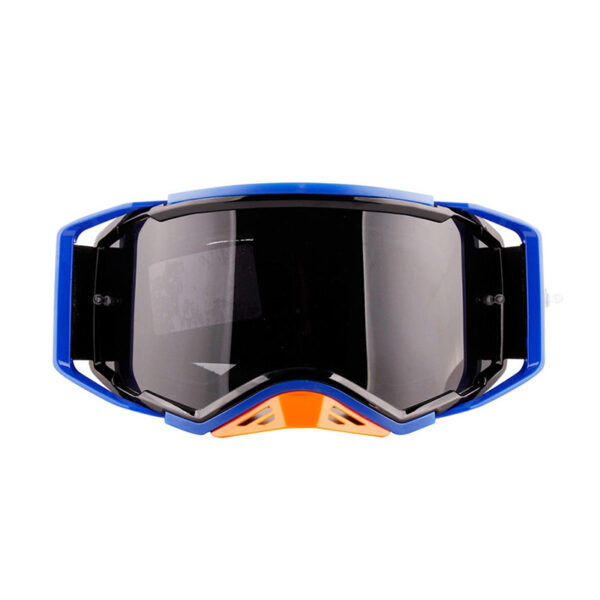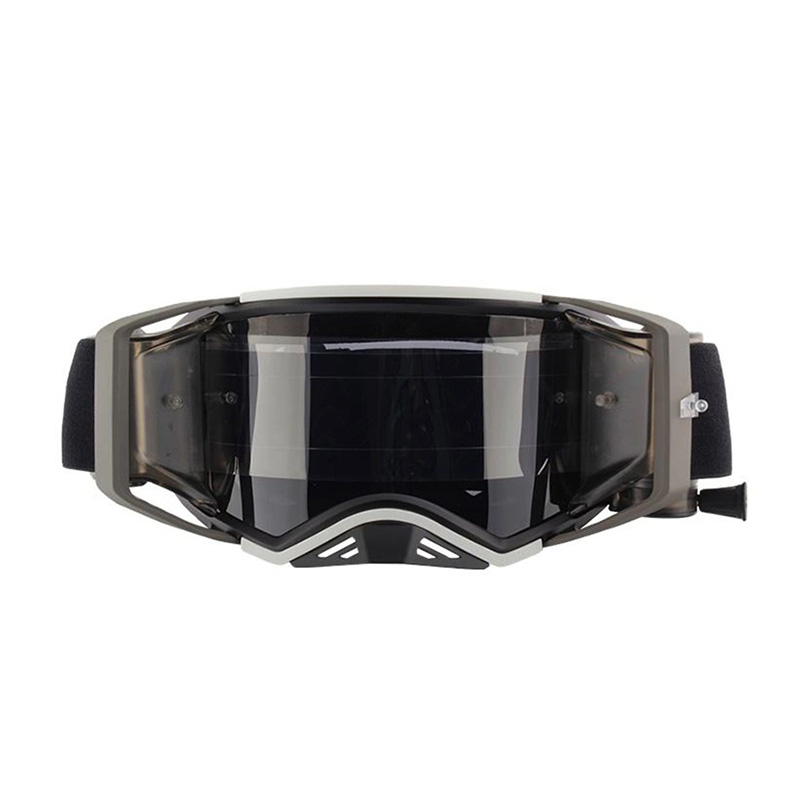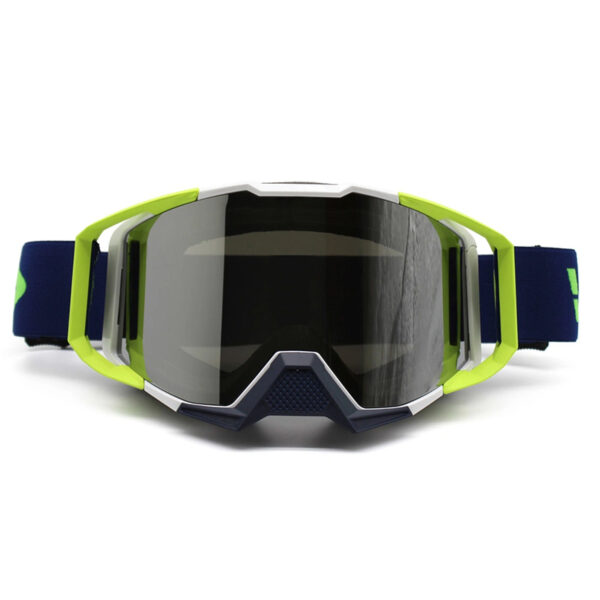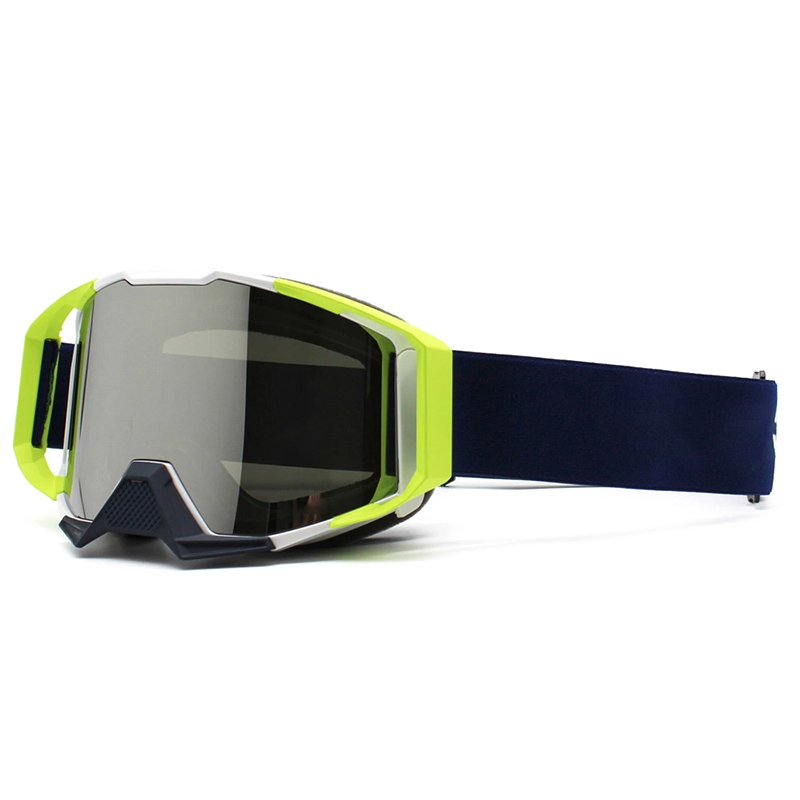
Night skiing transforms the mountain. When the lights come on and the slopes empty, skiing under artificial light offers a unique experience. However, it also presents distinct visual challenges that demand specialized goggle technology.
For brands, retailers, and procurement professionals, understanding night-skiing lens requirements is essential to sourcing products that perform when the sun goes down. This guide examines the optical science, key features, market landscape, and sourcing considerations for night-skiing goggles.
Key Takeaway
The best night-skiing lenses combine high VLT (80-100%), clear or light yellow tint, and proven anti-fog technology. Interchangeable systems with dedicated night lenses offer the most versatile solution. Verify certifications, test samples, and prioritize optical quality over cosmetic features.
Part 1: The Night Skiing Environment and Market Context
Night skiing differs from daytime skiing in several critical ways. Artificial floodlights create uneven illumination across the slope, with bright hotspots and deep shadows. The contrast between illuminated snow and dark terrain outside the lit areas can confuse the eye. Snow texture becomes harder to read without natural shadows.
The night skiing segment represents a significant market opportunity. According to Snowsports Industries America (SIA), over 10 million people participate in night skiing annually. The global snow goggles market reflects this broader demand—estimated at US$7.8 billion in 2024, it is projected to reach US$12.1 billion by 2030, growing at a CAGR of 7.6%.
These conditions demand lenses that maximize light transmission while preserving contrast. A goggle that performs well on a sunny afternoon will be dangerously dark after sunset.
Part 2: The Science of Night Skiing Lenses
2.1 Visible Light Transmission (VLT) for Night Conditions
VLT measures the percentage of visible light that passes through the lens to the eye. It is the single most useful metric for matching a lens to specific conditions. Lenses are categorized by VLT range:
| Category | VLT Range | Best Use |
| S0 / Clear | 80–100% | Night skiing, racing, extreme low light |
| S1 | 43–79% | Stormy, cloudy, or foggy days |
| S2 | 18–42% | Mixed or variable conditions |
| S3 | 8–17% | Bright, sunny days |
| S4 | 3–7% | Clear skies, high alpine |
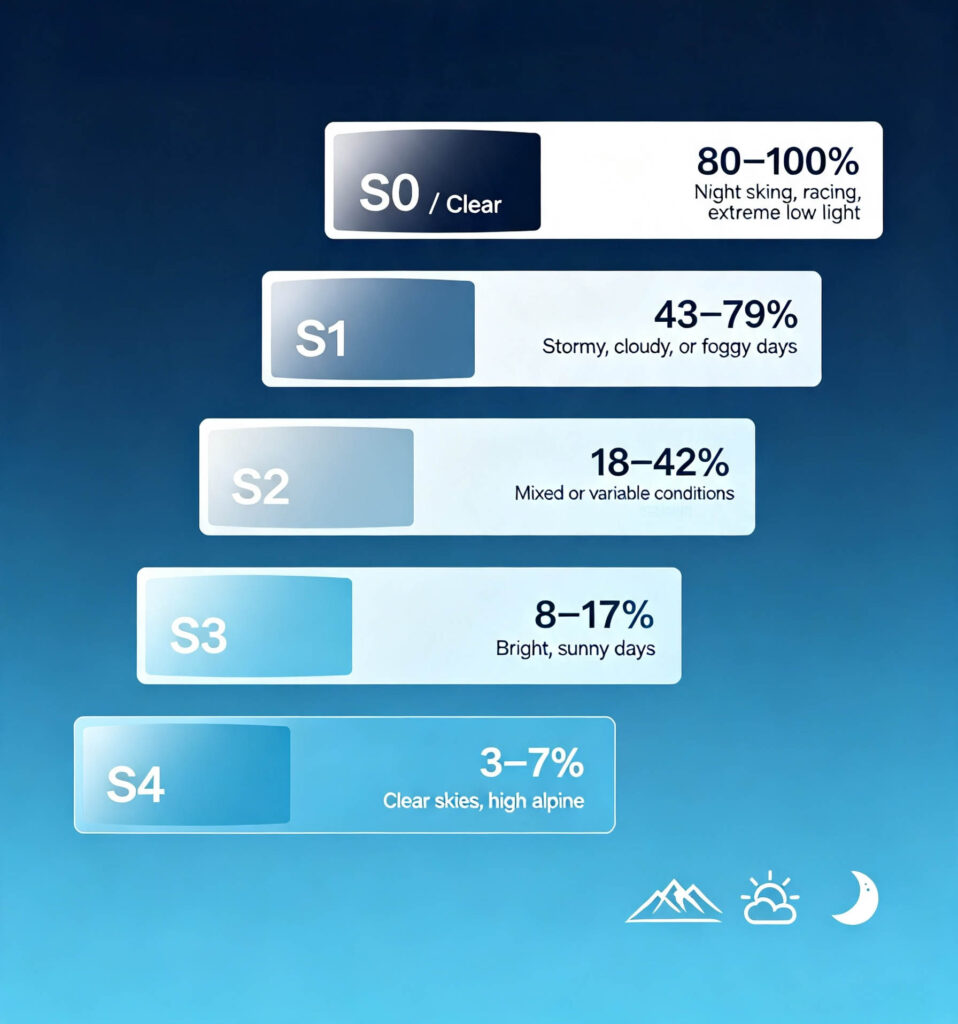
For night skiing, a clear lens with 80- 100% VLT is the standard recommendation. The priority is to allow maximum light to reach the eye in dark conditions.
2.2 Lens Tints and Low-Light Technology
While clear lenses maximize light, recent innovations have introduced subtle tints that manipulate light to enhance contrast without sacrificing transmission.
Key low-light lens options include:
| Tint Type | VLT Range | Performance Characteristics |
| Clear | 80–100% | Maximum light, minimal contrast enhancement |
| Yellow/Amber | 43–80% | Good contrast, brightens shadows |
| Rose/Pink | 50–75% | Superior contrast, good depth perception |
Smith Optics notes that “snow replacement lens light filtering and light manipulating technologies aren’t possible without a base tint.” Even clear lenses with “just a hint of color” can benefit from these technologies.
2.3 Proprietary Contrast-Enhancing Technologies
Major manufacturers have developed proprietary technologies that work even in low-light conditions. These systems manipulate light to increase contrast in both low and high light situations:
| Brand | Technology | Key Mechanism |
| Smith | ChromaPop | Filters two wavelengths to enhance color and contrast |
| Giro | VIVID (with ZEISS) | Filters blue light to increase contrast |
| Oakley | Prizm | Selectively filters wavelengths to maximize contrast |
| Anon | Perceive | Light manipulation for improved visual experience |
| Sweet Protection | RIG (Retina Illumination Grading) | Superior contrast with minimum color distortion |
| POC | Clarity | Light manipulation for enhanced vision |
These technologies are not marketing gimmicks. A review notes that “your visual experience, and your ability to see snow better, is greatly improved” with these lenses.
As one industry observer puts it, “Since this is an entirely visual sport, the goggles you wear can literally make or break your day,” and technology and lens performance can be “an absolute game-changer.”
2.4 The Smart Goggle Market Trend
The smart ski goggle market represents an emerging segment with implications for night skiing. Valued at US$412.6 million in 2025, it is projected to reach US$1,089.4 million by 2034 at a CAGR of 11.4%. Key features include:
- Heads-up displays (HUD)
- GPS navigation and performance tracking
- Integration of photochromic lens technology with smart electronics
Clear lenses accounted for 12.1% of the smart goggle market in 2025, primarily used in low-light and night skiing conditions.
Part 3: Key Technical Features for Night-Skiing Goggles
3.1 Interchangeable Lens Systems
Night skiing often follows a full day on the mountain. Conditions transition from bright sun to dusk to artificial light. A goggle with an interchangeable system allows riders to adapt without carrying multiple goggles.
Magnetic lens interchange systems have become particularly popular, allowing users to swap lenses quickly without removing the goggles. This facilitates adaptation across cloud cover and night skiing sessions.
3.2 Anti-Fog Technology
Fogging is a particular concern for night skiing, where colder temperatures create condensation risk. Look for:
- Dual-pane lenses with thermal barriers—now standard across mid- and high-end segments
- Anti-fog coatings (e.g., uvex supravision®, Clear AF)
- Ventilation systems that manage airflow
- Helmet integration that eliminates forehead gap
A patent describes goggles having “inlet and outlet air vents covered by porous foam to reduce fogging in an outdoor environment.”
3.3 Lens Shape and Field of View
Advancements in lens geometry reduce distortion and provide a wider field of view:
| Lens Shape | Characteristics | Night Relevance |
| Cylindrical | Curves horizontally only | Good, but may have glare issues |
| Spherical | Curves both horizontally and vertically | Better peripheral vision, reduced distortion |
| Toric | Hybrid with aggressive vertical curve | Excellent optics, wide view |
Snow Goggles Industry analysis notes that spherical and toric lens geometries that reduce distortion and provide a wider field of view are becoming standard in premium products.
3.4 OTG (Over-the-Glasses) Compatibility
A significant portion of skiers wear prescription eyewear. OTG designs accommodate glasses underneath the goggle, expanding the addressable market.
3.5 Frame Materials and Comfort
Frame materials have progressed to thermoplastic polyurethane (TPU) and flexible elastomers that offer impact resistance, flexibility, and comfort over extended wear. Ventilation channeling, face foam layering, and moisture-wicking linings contribute to all-day wearability.
Part 4: How FukoSports Supports Night-Skiing Goggle Development
For buyers evaluating manufacturing partners for night-skiing goggles, FukoSports presents a practical option. The company’s 9+ years of experience in sports eyewear are backed by full in-house production—from injection molding and lens assembly to laser branding. This vertical integration allows for tighter quality control and faster iterations, which are critical when developing specialized low-light lenses.
Buyers can leverage FukoSports’ capabilities in high-VLT clear lenses, yellow/rose tints, OTG compatibility, and magnetic interchange systems to bring night-skiing products to market efficiently.
Key capabilities of interest for night-skiing products:
- Clear and high-VLT lens options for S0 and S1 categories (80-100% VLT)
- Yellow and rose tint lenses for contrast enhancement in low light
- OTG (Over-the-Glasses) designs for prescription compatibility
- Magnetic lens interchange systems for day-to-night transitions
- Anti-fog coatings and ventilation design for cold conditions
For detailed specifications and customization options, visit fukosports.com.
Part 5: Sourcing Checklist for Night-Skiing Goggles
When evaluating suppliers or planning a product line, consider the following:
- Lens Options: Does the supplier offer clear (S0, 77-99% VLT) and yellow/rose (S1, 43-76% VLT) lenses?
- Interchangeable Systems: Are magnetic or mechanical lens change systems available?
- Certifications: Verify ISO 18527-1, EN ISO 18527-1:2022, and ASTM F659 compliance. UV400 protection is non-negotiable. All quality lenses block 100% of harmful UV rays.
- Anti-Fog Performance: What coatings and ventilation designs are used?
- Lens Shape: Are spherical or toric lenses available for premium lines?
- OTG Compatibility: Can the frame accommodate prescription glasses?
- Customization: What is the lead time for custom lens development?
FAQs about Night-Skiing Goggles
Q1: What VLT is best for night skiing?
For night skiing, choose lenses with VLT in the 80-100% range (S0 category) for maximum light transmission. Some skiers prefer a light yellow tint in the 43-80% range for added contrast, but the primary requirement is high VLT.
Q2: What lens color is best for night skiing?
Clear lenses are the standard recommendation for night skiing as they let in maximum light. However, yellow and rose tints are popular alternatives that boost contrast while still allowing sufficient light through. Even clear lenses with just a hint of color can improve visual experience through light manipulation technologies.
Q3: Are photochromic lenses suitable for night skiing?
Photochromic lenses automatically adjust their tint in response to ultraviolet (UV) radiation. Because artificial resort floodlights emit negligible UV light, photochromic lenses will stay at their lightest base state. However, because most photochromic ski lenses only clear up to 60%–75% VLT (Category 1), they generally do not reach the 80–100% VLT (Category 0) required for optimal night visibility. Dedicated clear or high-VLT lenses are recommended.
Q4: What is the difference between S0 and S1 lenses?
S0 lenses offer an 80–100% VLT range and are typically clear or near-clear, designed specifically for night skiing and heavy darkness. S1 lenses range from 43–80% VLT and feature light tints (like yellow, pink, or amber) designed to boost contrast on flat-light, foggy, or overcast days.
Q5: Can I wear night-skiing goggles over prescription glasses?
Yes. Look for OTG (Over-the-Glasses) compatible models. This feature significantly expands the addressable market for brands targeting skiers who require vision correction.
Q6: Is UV protection necessary for night skiing?
Yes. All quality ski goggles should provide 100% UV400 protection. UV protection does not reduce visible light transmission, so it does not compromise night visibility. Industry analysis confirms that UV protection and anti-fog performance are now baseline expectations for performance-driven winter eyewear.
Conclusion
Night skiing presents unique visual challenges that demand specific goggle technology. The most critical factor is high VLT—ideally in the 80-100% range for clear lenses or 43-80% for light yellow or rose tints. Interchangeable systems with dedicated low-light lenses offer the most versatile solution for skiers transitioning from day to night.
The global snow goggles market continues to grow, with night skiing representing a significant segment. For buyers, understanding these requirements is essential to sourcing products that perform when the lights come on. A goggle that excels in night conditions will generate stronger customer satisfaction and brand loyalty.