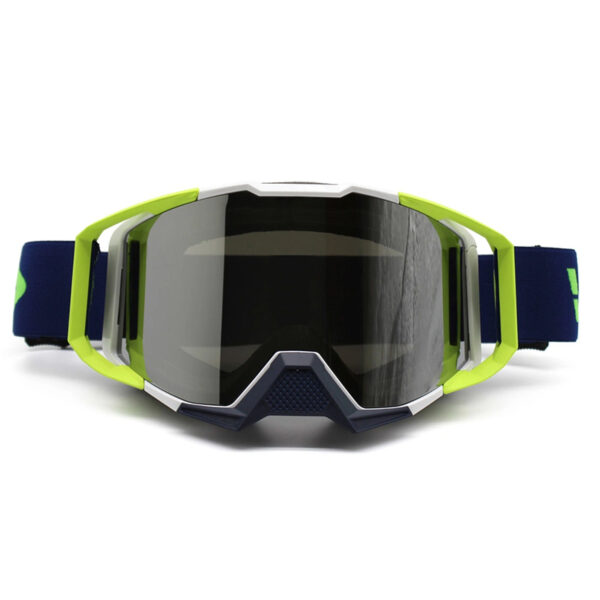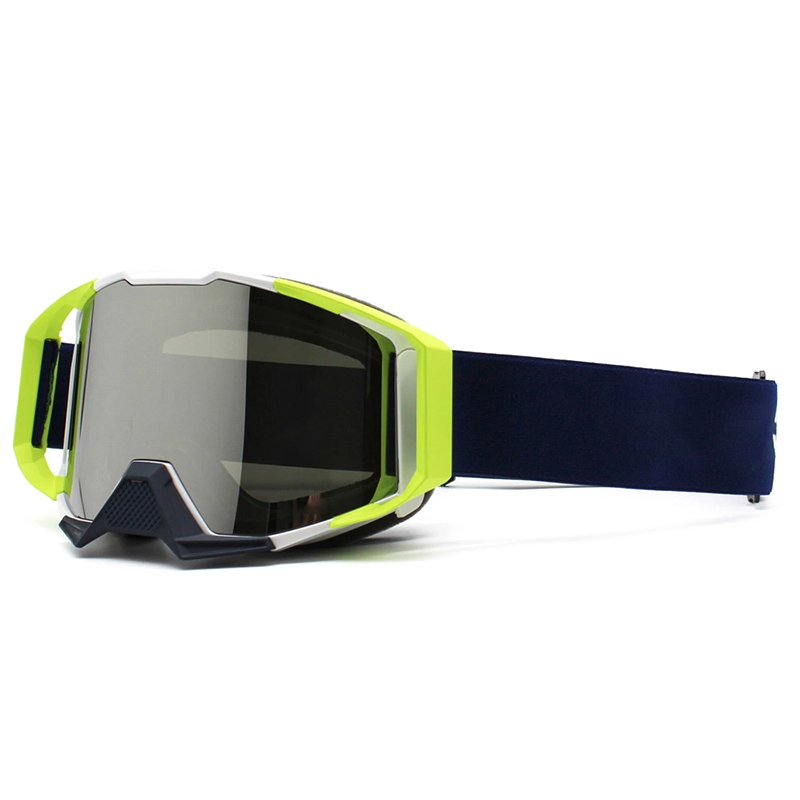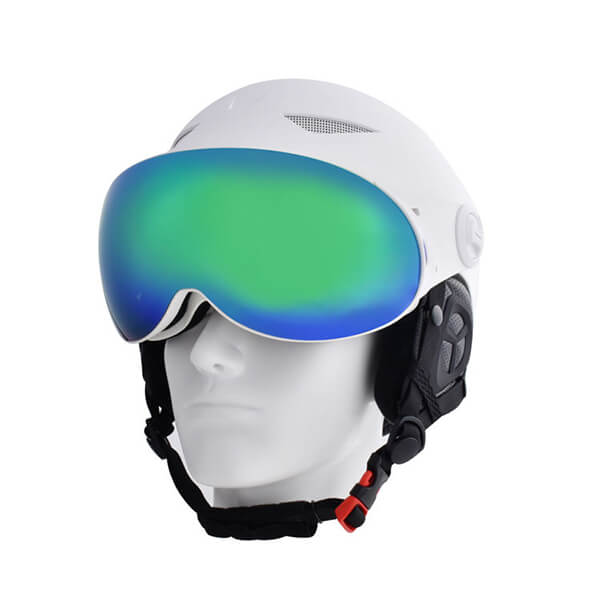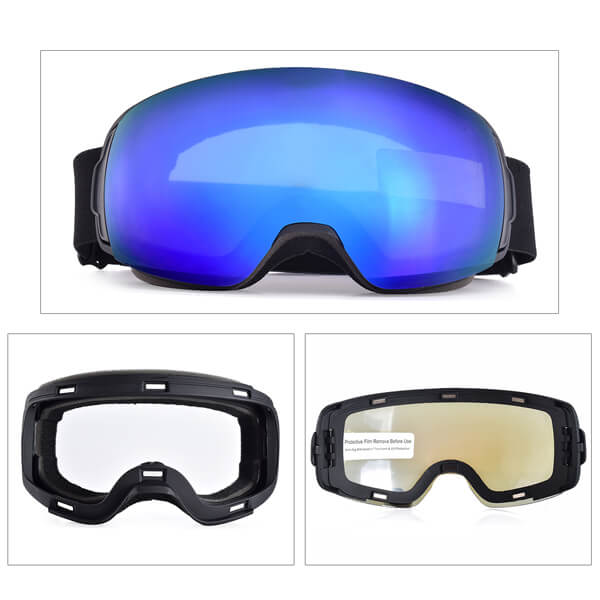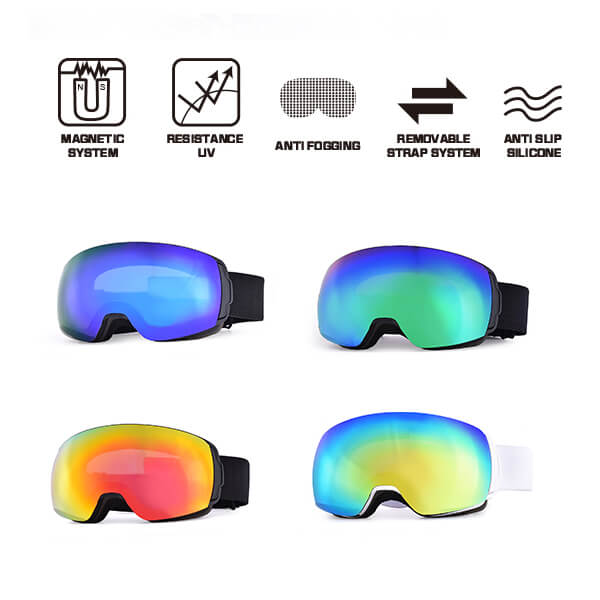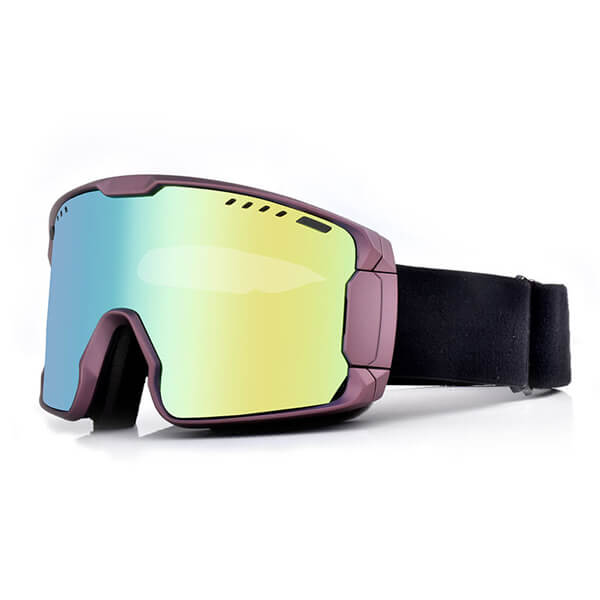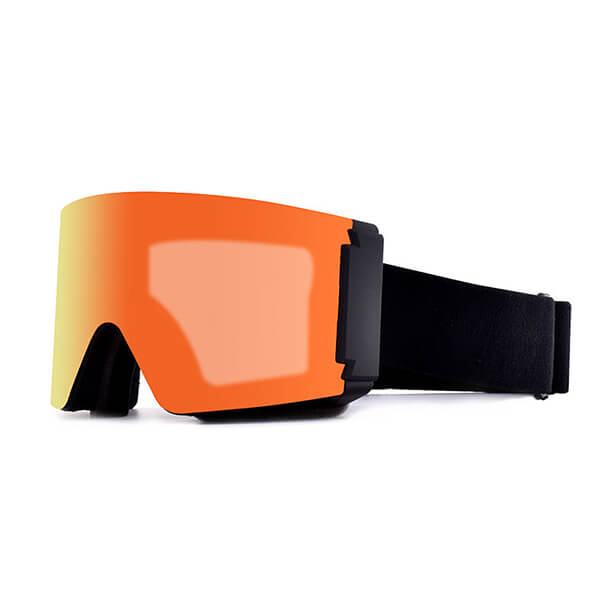
Flat light is the skier’s silent adversary. When clouds diffuse sunlight and shadows vanish, the mountain compresses into a featureless white canvas where bumps, rolls, and ice patches become invisible. For skiers and snowboarders, this isn’t just an inconvenience—it’s a safety hazard that erodes confidence and performance.
For brands, retailers, and procurement professionals, understanding flat-light lens technology is essential to sourcing products that genuinely solve this problem. This guide examines the optical science, key features, market landscape, and sourcing considerations for flat-light ski goggles.
Key Takeaway
The best flat-light lenses combine high VLT (50–90%), warm tints (yellow, amber, rose), and proven contrast-enhancing technology. Interchangeable systems with dedicated low-light lenses offer the most versatile solution. Verify certifications, test samples, and prioritize optical quality over cosmetic features.
Part 1. Understanding Flat Light and Why It Matters
Flat light occurs when the sun’s rays are diffused by clouds, fog, or snowfall, eliminating the shadows that help the human eye perceive depth and texture. Without these visual cues, the snow surface appears uniform, making it difficult to distinguish between a gentle roll and a sudden drop-off.
The consequences are predictable:
- Delayed reaction time to terrain changes
- More cautious, defensive skiing that reduces performance
- Faster visual fatigue from constant eye strain
- Increased accident risk due to misreading terrain
For professional buyers, the quality of flat-light performance directly impacts customer satisfaction, brand reputation, and liability exposure. A goggle that performs poorly in overcast conditions will generate returns, negative reviews, and lost repeat business.
Part 2. The Science: VLT, Tint, and Contrast Enhancement
Visible Light Transmission (VLT)
VLT measures the percentage of visible light that passes through the lens to the eye. It is the single most useful metric for matching a lens to conditions.
| VLT Range | Category | Best Use |
| 5–20% | Low | Bright, sunny days (bluebird) |
| 25–50% | Mid | Mixed or variable conditions |
| 50–90% | High | Overcast, flat light, storms |
| 84%+ | Clear | Night skiing |
For flat light, lenses with VLT in the 50–90% range are recommended. However, VLT alone is not sufficient; tint and lens chemistry determine how effectively that light is shaped into usable contrast.
Lens Tints for Contrast Enhancement
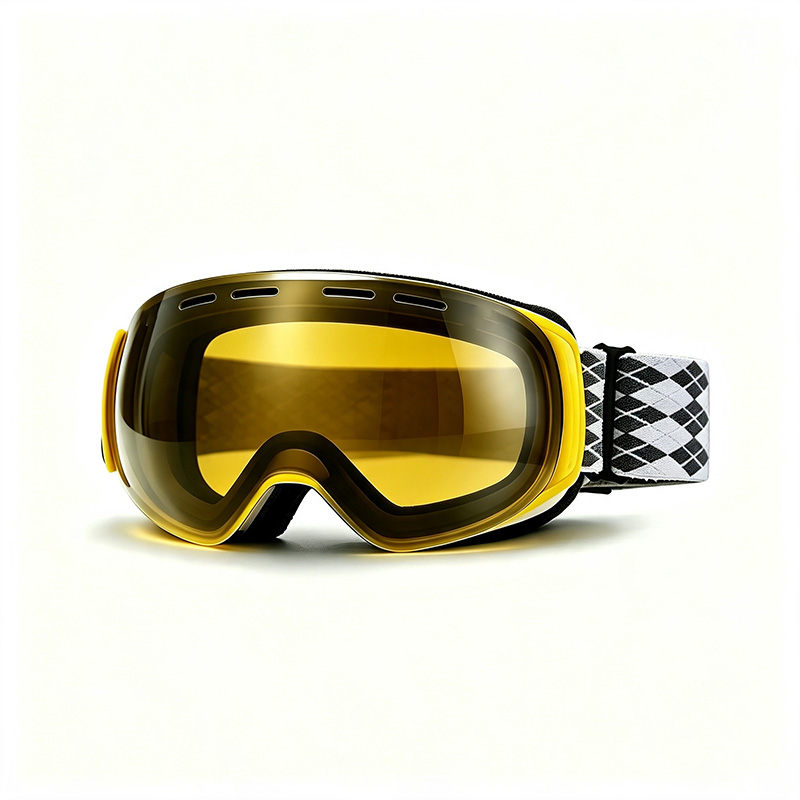
Different tints filter specific wavelengths of light to emphasize contrast or dampen brightness. For flat light, the most effective tints are those that filter the blue end of the spectrum, which helps edges and surface textures “pop” against a white field.
| Tint | VLT Range | Performance in Flat Light |
| Yellow/Gold | 60–80% | High contrast, brightens shadows |
| Amber | 35–50% | Excellent contrast, good depth perception |
| Rose/Pink | 50–75% | Superior contrast, excellent depth perception |
| Clear | 84%+ | Maximum light, minimal contrast enhancement |
Yellow, amber, and rose tints are consistently recommended for flat light by multiple sources. According to Smith Optics, “ChromaPop Storm Rose Flash and ChromaPop Storm Yellow Flash Mirror are tuned to bring the most out of an environment when the storm moves in.
Proprietary Contrast-Enhancing Technologies
Major manufacturers have developed proprietary lens technologies that go beyond simple tinting. As POWDER Magazine notes, “Whether it’s MAG, VIVID, RIG, CBL, Clarity, HD, Prizm, Infrared, or AMP, goggle manufacturers have all named their proprietary contrast-boosting lens technology”.
| Brand | Technology | Key Mechanism |
| Giro | VIVID (with ZEISS) | Filters blue light to increase contrast without distorting colors |
| Smith | ChromaPop | Filters two wavelengths of light to enhance color and contrast |
| Oakley | Prizm | Selectively filters specific wavelengths to maximize contrast |
| Scott | AMP | Contrast-enhancing lens technology |
| Sweet Protection | RIG | Superior contrast with minimum color distortion |
These technologies are not marketing gimmicks. According to Christy Sports, “VIVID is Giro’s proprietary lens technology, engineered with ZEISS Optics, that selectively filters blue light to increase contrast without distorting colors. In flat light, storms, or mixed conditions, it helps terrain features stand out more naturally instead of looking washed out”.
For professional buyers, evaluating which proprietary technology a supplier offers—and whether it can be customized—is an important part of the sourcing decision.
Photochromic vs. Dedicated Flat-Light Lenses
Photochromic lenses automatically adjust tint based on UV exposure. While convenient, they have limitations on snow. According to The Complete Skier, “most photochromics still lag behind dedicated low-light lenses in pure contrast performance”. The high reflectivity of snow surfaces can confuse photochromic sensors, resulting in suboptimal tinting.
For professional buyers, this distinction matters. A photochromic lens may be marketed as a “one-lens solution,” but dedicated flat-light lenses with high VLT and contrast-enhancing tints generally deliver superior performance in overcast conditions.
Part 3. Key Technical Features to Evaluate in Flat-Light Goggles
1. Lens Shape and Field of View
Lens shape affects optical clarity and peripheral vision. For flat light, a wide field of view helps the rider notice movement and changes in terrain off-center.
| Lens Shape | Characteristics | Flat-Light Relevance |
| Cylindrical | Curves horizontally only; traditional shape | May be optically distorted at edges on lower-end models |
| Spherical | Curves both horizontally and vertically; reduces glare | Better peripheral vision, less distortion |
| Toric | Hybrid with aggressive vertical curve | Maximum field of view; advanced optics |
| Conical | Flat surface tilted downward | Improved downward vision |
According to Smith Optics, spherical lenses “increase your peripheral view and the increased surface area of the lens also helps prevent fogging”.
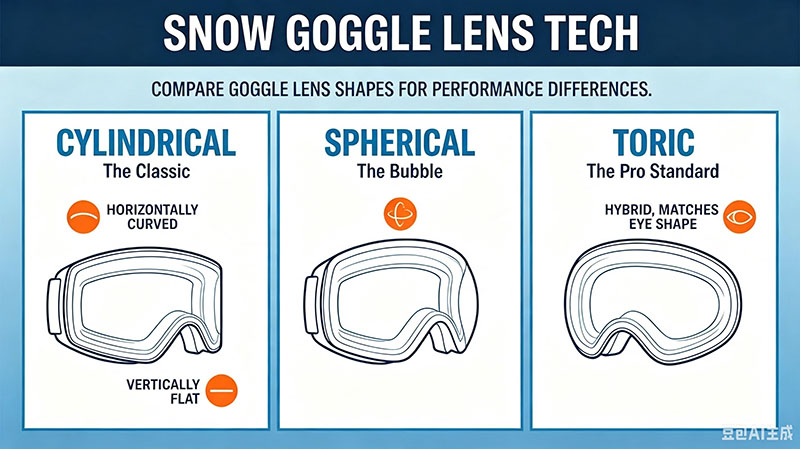
POWDER Magazine notes that “toric lenses have a more aggressive curve on the vertical axis than the horizontal axis, offering a better fit for wide faces, great optics and similar peripheral vision to spherical lenses”.
2. Anti-Fog Technology
Fogging negates any benefit from contrast-enhancing tints. In flat light, a fogged lens makes an already challenging situation dangerous. Look for:
- Dual- or triple-layer lenses for thermal separation
- Anti-fog coatings (e.g., Fog-X, Super Anti-Fog)
- Ventilation systems that manage airflow
- Helmet integration that eliminates forehead gap and improves airflow
Giro’s EVAK Vent Technology, for example, “actively channels moisture away to prevent fogging during heavy exertion in wet snow”
3. Interchangeable Lens Systems
Conditions change rapidly on the mountain. Interchangeable systems allow riders to adapt from flat light to bright sun without carrying multiple goggles.
| Lens Change Type | Speed | Typical Use |
| Mechanical | Moderate | Everyday swaps |
| Magnetic | Fast (glove-friendly) | Storm days, frequent changes |
| Photochromic | Automatic | Convenience, but limitations on snow |
For brands targeting committed skiers who encounter variable conditions, a goggle with an interchangeable system and a dedicated low-light lens is a strong value proposition.
4. OTG (Over-the-Glasses) Compatibility
A significant portion of skiers wear prescription eyewear. OTG designs accommodate glasses underneath the goggle, expanding the addressable market. Multiple sources highlight OTG compatibility as a key feature for flat-light goggles.
Part 4. How FukoSports Supports Flat-Light Goggle Development
For buyers seeking a manufacturing partner with flat-light lens capabilities, FukoSports offers relevant experience and production flexibility.
With over 9 years in sports eyewear manufacturing and in-house production spanning injection molding, lens assembly, and laser branding, FukoSports can support brands developing contrast-enhancing ski goggles.
Key capabilities of interest for flat-light products:
- Custom lens tinting to achieve specific VLT and contrast profiles
- OTG (Over-the-Glasses) designs for prescription compatibility
- Magnetic lens interchange systems for multi-lens kits
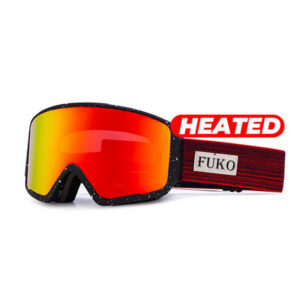
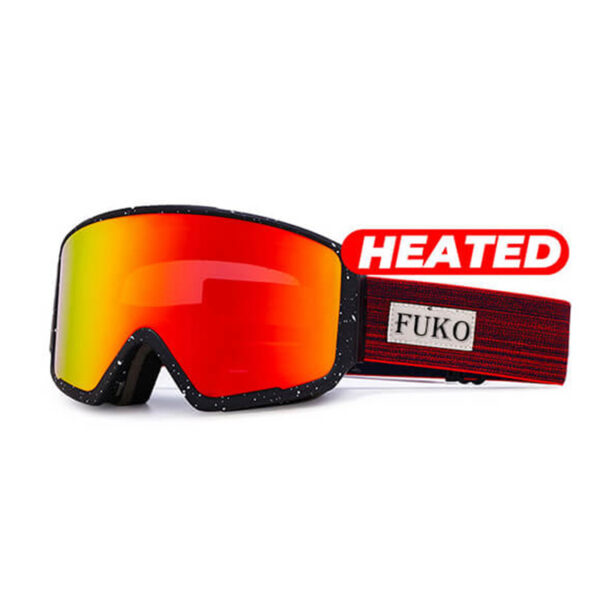
- Electrothermal heated lens options for extreme conditions
For detailed specifications and customization options, visit fukosports.com.
Part 5. Market Trends and Product Strategy Implications
The Growing Importance of Contrast Technology
Flat-light performance is increasingly a primary decision factor for skiers. As POWDER Magazine notes, “the on-snow performance of all these [proprietary technologies] is pretty similar, greatly boosting contrast and clarity to make it much easier to see in flat light on a cloudy day” .
For brands and retailers, this creates an opportunity to differentiate through superior optics. The incremental cost of high-quality flat-light lenses is modest relative to the value they deliver in customer satisfaction and brand loyalty.
Budget vs. Premium Positioning
The market offers flat-light solutions across price tiers :
| Tier | Price Range | Typical Features | Target Customer |
| Budget | $30–$60 | Basic anti-fog, fixed lens, OTG available | Occasional skiers |
| Mid-range | $60–$150 | Interchangeable lenses, contrast tints | Regular resort skiers |
| Premium | $150–$300+ | Proprietary contrast tech, spherical/toric lenses | Enthusiasts, backcountry |
For professional buyers, the mid-range tier often represents the best price-to-performance ratio. As one source notes: “A well-designed mid-range goggle with a high-contrast lens will outperform a basic high-end goggle with a poor low-light lens” .
Lens Shape Trends
According to industry analysis, spherical and toric lenses are gaining market share due to superior optical performance. POWDER Magazine notes that “spherical lenses bulge out in the middle with a rounded, bubble-like appearance. The lens surface has no flat spots, reducing glare. These tend to work best for large faces, or for skiers looking for the most peripheral vision”.
Part 6. Sourcing Checklist for Flat-Light Goggles
When evaluating suppliers or planning a product line, consider the following:
- Lens Options: Does the supplier offer high-VLT (50–90%) lenses in contrast-enhancing tints (yellow, amber, rose)?
- Proprietary Technology: Have they developed or licensed contrast-enhancing lens technology? What is the performance claim?
- Certifications: Verify ISO 18527-1, EN ISO 18527-1:2022, and ASTM F659 compliance. UV400 protection is non-negotiable.
- Interchangeable Systems: Are magnetic or mechanical lens change systems available? What is the MOQ for multi-lens kits?
- Anti-Fog Performance: What coatings and ventilation designs are used? Can the supplier provide test data?
- Lens Shape: Are spherical or toric lenses available for premium lines? Cylindrical for budget?
- OTG Compatibility: Can the frame accommodate prescription glasses?
- Customization: Can the brand’s own tint or contrast enhancement be applied? What is the lead time for custom lens development?
FAQs about Flat-Light Ski Goggles
Q1: What VLT percentage is best for flat light?
For overcast, snowy, or stormy days, aim for lenses with VLT in the 50–90% range. Higher VLT lets more light through, which is essential when ambient light is low.
For milder flat light, a 35–50% VLT amber or rose lens can be a versatile choice. Giro notes that “high VLT lenses (50–90%) allow significantly more light through for snowfall, fog or flat light”.
Q2: What lens color is best for flat light?
Yellow, gold, amber, and rose tints are most commonly recommended for flat light. These warm tints boost contrast and brighten shadow detail by filtering blue light, which helps the eye register depth on a white field.
According to Smith Optics, “ChromaPop Storm Rose Flash and ChromaPop Storm Yellow Flash Mirror are tuned to bring the most out of an environment when the storm moves in.
Q3: Are photochromic lenses good for flat light?
Photochromic lenses offer convenience by automatically adjusting tint, but they have limitations on snow. Most photochromics still lag behind dedicated low-light lenses in pure contrast performance. A dedicated high-VLT flat-light lens will generally deliver superior contrast performance compared to a photochromic lens in overcast conditions .
Q4: What is the difference between cylindrical, spherical, and toric lenses for flat light?
Spherical lenses curve both horizontally and vertically around the face, offering better peripheral vision, reduced glare, and less optical distortion. Toric lenses are a hybrid with a more aggressive vertical curve, offering a better fit for wide faces and similar optics to spherical. Cylindrical lenses curve only horizontally and may have optical distortion at edges on lower-end models. For flat light, the wider field of view from spherical or toric lenses helps riders spot terrain variations off-center .
Q5: Can I wear flat-light goggles over prescription glasses?
Yes. Look for OTG (Over-the-Glasses) compatible models. Many major brands offer OTG designs that provide room for prescription eyewear while maintaining a proper seal and anti-fog performance. This feature significantly expands the addressable market for brands targeting skiers who require vision correction .
Q6: How important is helmet integration for flat-light goggles?
Helmet integration is very important. When goggles and helmets are designed to work together, you get less goggle gap, a more stable fit, better fog management through aligned vents, and a wider usable field of view. Giro notes that “seamless compatibility, meaning the helmet-goggle interface fits cleanly and performs reliably in real mountain weather”.
Conclusion
Flat light is an unavoidable condition for skiers across most major resorts. The ability to see terrain clearly in overcast, foggy, or snowy conditions is not a luxury—it is a safety and performance requirement.
For buyers, understanding the interplay of VLT, tint, lens shape, and proprietary contrast technologies is essential to making informed sourcing decisions. A goggle that performs well in flat light will generate stronger customer satisfaction, fewer returns, and greater brand loyalty than one that fails when conditions deteriorate.