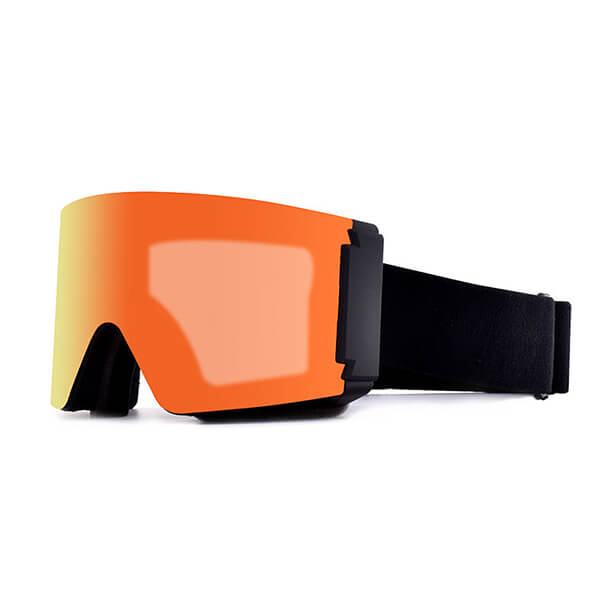
According to Global Info Research latest study, the global ski goggles market is on a steep upward trajectory, projected to grow from US$727 million in 2025 to US$1,328 million by 2032, at a CAGR of 9.1%. For procurement professionals, brand owners, and distributors, this growth presents significant opportunity. But success hinges on one critical decision: choosing the right supplier and product specifications.
This guide addresses the specific concerns of professional decision-makers: supplier reliability, compliance, customization capabilities, and total cost of ownership. Whether you’re launching a new brand or expanding an existing product line, here’s how to make informed, strategic sourcing decisions.
The Professional Buyer’s Mindset: Beyond Consumer Features
When a consumer asks “how to choose ski goggles,” they focus on fit, lens color, and style. When a professional buyer asks the same question, the calculus is fundamentally different.
You’re not buying one pair—you’re selecting a manufacturing partner who will deliver thousands of units that meet safety standards, brand specifications, and delivery deadlines.
The core decision framework revolves around four pillars:
- Supplier Reliability and Performance Metrics
- Regulatory Compliance and Safety Certifications
- Customization and Technical Capabilities
- Scalability and Total Cost of Ownership
Pillar 1: Supplier Reliability – What the Data Tells Us
Evaluating a supplier requires moving beyond glossy websites and promotional claims. Data-driven performance metrics provide objective benchmarks for comparison.
Key Performance Indicators for Supplier Selection
| Metric | Benchmark | Why It Matters |
| On-Time Delivery Rate | ≥ 98% | Indicates operational maturity and logistics capability. Delays can ruin seasonal product launches. |
| Average Response Time | ≤ 2 hours | Reflects customer service focus and project management efficiency. Critical during product development and troubleshooting. |
| Reorder Rate | ≥ 25% | A strong signal of client satisfaction and consistent quality. Clients don’t repeat orders if they’ve had quality or reliability issues. |
| Review Score | ≥ 4.8/5.0 | Verified buyer feedback provides insight into real-world experiences. |
Top-Performing Suppliers: A Data Snapshot
Data from Ski Goggles Industry Research Reports reveals which suppliers consistently deliver on these metrics. China, particularly Guangdong Province, accounts for over 80% of global production, making it the primary sourcing hub. Within this region, several manufacturers stand out:
| Supplier | Experience | Key Strength |
| Guangzhou Dex Sports Co., Ltd | 15 yrs | High-volume reliability, strong R&D |
| Guangdong Yijia Optical Technology | 17 yrs | Largest facility (29,000m²), advanced optical engineering |
| FukoSports | 9+ yrs | Flexible MOQ, vertical integration, OTG & electrothermal lens options |
| Dongguan Yoloon Sports Goods | 9 yrs | Fastest response (≤1h), exceptional client retention |
| Guangzhou Lvqi Outdoor Products | 9 yrs | Perfect review score, premium brand collaboration |
Strategic Insight: While larger factories like Yijia offer scale and deep expertise, mid-sized suppliers like FukoSports, DEX, and Yoloon often deliver superior service metrics and client retention. The “best” supplier depends on your specific volume requirements and need for flexibility versus raw capacity.
Pillar 2: Compliance and Safety Certifications – Non-Negotiable Requirements
Ski goggles are protective equipment. Failing to meet regulatory standards isn’t just a compliance issue—it’s a liability risk and a barrier to market access.
Critical Standards to Verify
| Standard | Region | Requirement |
| ISO 18527-1:2021 | International | Specifies requirements for downhill skiing and snowboarding goggles, including optical properties, impact resistance, and UV protection. Fog resistance is defined as an optional, non-mandatory clause. |
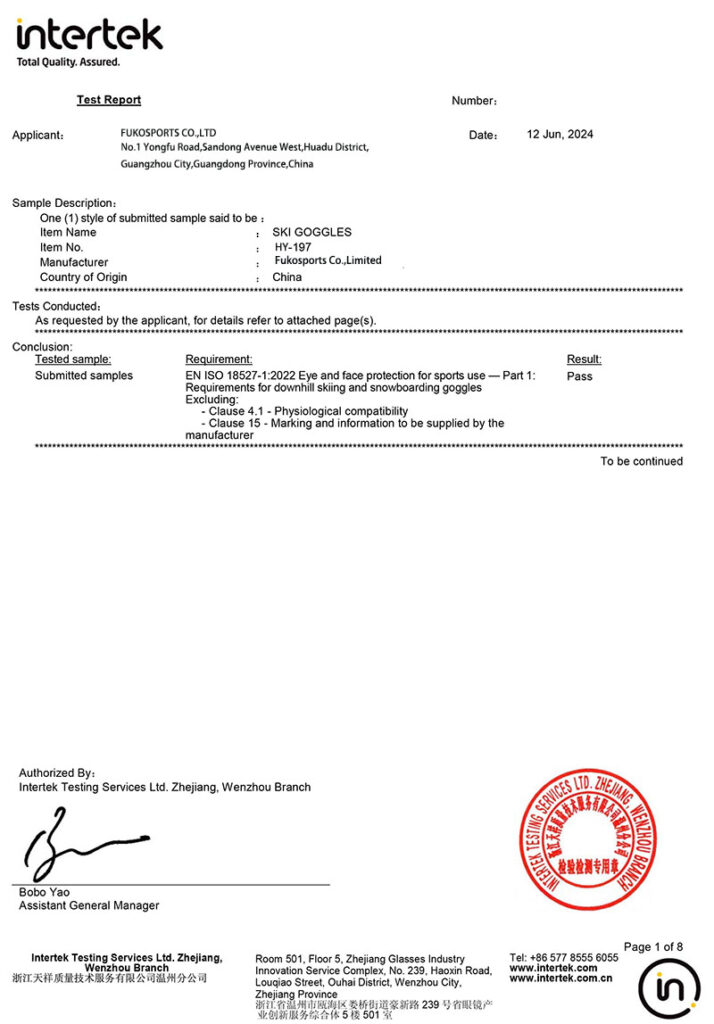
| EN ISO 18527-1:2022 | Europe | Current mandatory European harmonized standard for ski goggles, required for CE compliance and sales in the EU. It officially supersedes the withdrawn EN 174:2001. |
| ASTM F659 | United States | U.S. standard for impact resistance and optical properties of ski and snowboard goggles. |
| UV400 Protection | Global | Blocks 100% of UVA and UVB radiation. Non-negotiable for eye safety. |
Due Diligence Checklist:
- Request copies of ISO 9001 (Quality Management), CE, and ASTM F659 certifications.
- Ask for third-party test reports from recognized agencies like SGS, TÜV, or Bureau Veritas.
- Conduct virtual or on-site factory audits to verify that production processes align with certification claims.
Pillar 3: Customization – Beyond Logo Printing
Brand differentiation in the competitive ski market often hinges on unique product features. Your supplier’s customization capabilities determine whether you can deliver a distinct product or simply a commodity.
Key Customization Capabilities to Evaluate
- Lens Technology: Can the supplier replicate advanced features like:
- Photochromic lenses that adjust tint to light conditions?
- Polarized lenses to reduce glare?
- Multi-layer coatings for anti-fog and anti-scratch properties?
2. Frame and Mold Development: Does the supplier support custom tooling for unique frame shapes, and what is the timeline (typically 15–25 days for molds)?
3. Over-the-Glasses (OTG) Compatibility: For brands targeting prescription wearers, OTG-compatible designs require specific frame ergonomics.
4. Branding Techniques: Confirm capabilities in laser etching, pad printing, or sublimation for logo application.
MOQ Considerations for Customization
Customization level directly impacts Minimum Order Quantities (MOQs):
- Standard branding (logo printing): Typically 500–1,000 units.
- Custom molds (unique frame shapes): Usually requires 3,000–5,000 units.
Some established suppliers offer reduced MOQs for repeat clients, allowing for more flexible, innovation-driven product development.
Pillar 4: Pricing and Value – Understanding Total Cost of Ownership
While unit price is a factor, professional buyers calculate total cost of ownership (TCO). This includes tooling fees, sample costs, shipping, import duties, and the potential cost of returns or rework.
The lowest unit price often comes with trade-offs in customization flexibility or certification rigor. For instance, a lower-priced supplier may lack ASTM certification, effectively locking you out of the North American market—a far greater cost than a few dollars per unit.
Market Trends and Product Differentiation
Understanding broader market trends helps you make forward-looking sourcing decisions.
- Lens Type Market Share: Cylindrical lenses hold 55% of the market, while spherical lenses account for 40%. Spherical lenses offer better peripheral vision and are often positioned as premium products.
- Application: Alpine skiing dominates with 70% market share, indicating a primary focus for product development.
- Anti-Fog Technology: Next-gen anti-fog solutions—such as hydrophilic nano-coatings and thermally bonded double lenses—are becoming a critical differentiator. Suppliers like Fuko Sports and Guangzhou Dex Sports Co., Ltd are at the forefront of these innovations.
Frequently Asked Questions (FAQ)
Q1: What are the typical MOQs for standard branding vs. custom mold development?
Standard OEM branding (logo printing on an existing factory frame) typically requires 500 to 1,000 units. Custom ODM mold development (proprietary frame shapes) requires 3,000 to 5,000 units to offset steel tooling costs. Some vertically integrated suppliers offer lower, more flexible entry thresholds for seasonal lines.
Q2: Why is the ISO 18527-1:2021 certification critical for global compliance?
ISO 18527-1:2021 is the updated international standard that harmonizes and replaces older regional frameworks, such as EN 174 (Europe). It introduces stricter testing for optical distortion, UV400 block, and high-velocity impact. Verified compliance prevents customs seizures and product liability risks.
Q3: How do premium anti-fog systems differ from budget alternatives?
Budget options use cheap, sprayed-on chemical coatings that easily wash or wipe off. Premium systems utilize a dual-pane thermal barrier (polycarbonate outer lens + cellulose acetate inner lens) combined with a permanent, baked-in hydrophilic nano-coating that absorbs moisture indefinitely.
Q4: What is the ideal B2B procurement timeline for a winter product launch?
Sourcing should begin 6 to 8 months before the season:
- April–May: Supplier shortlisting, RFQs, and contract negotiation.
- June–July: Sample approval and lab compliance testing.
- August–September: Mass production (30–45 days) and quality control.
- October–November: Freight and customs clearance to stock shelves before winter.
Q5: How can buyers protect their design IP when working with manufacturing partners?
Always sign a binding NNN (Non-Disclosure, Non-Use, Non-Circumvention) Agreement before sending CAD files. Additionally, partnering with vertically integrated manufacturers who handle injection molding and assembly entirely in-house minimizes the risk of design leaks to unauthorized subcontractors.
Why FukoSports Deserves Consideration in Your Supplier Evaluation
When evaluating manufacturing partners for ski goggles and related sports eyewear, FukoSports is a viable option to include on your supplier shortlist.
Based in China with over 9 years of operational history in sports eyewear and protective gear, the company offers a combination of capabilities that align with common buyer requirements.
Relevant Capabilities for Professional Buyers
- Flexible Minimum Order Quantities
- Many suppliers in the ski goggles manufacturing space require relatively high MOQs, particularly for custom projects. FukoSports positions itself with more flexible MOQ policies, which can be advantageous for brands in their early growth stages testing market response
- Established brands running limited-edition or seasonal capsule collections
- Buyers looking to diversify their supplier base without committing to large volumes upfront
Production Timeline Efficiency
- The seasonal nature of the ski industry places a premium on reliable lead times. FukoSports emphasizes shorter manufacturing and delivery timelines, which can help buyers meet fixed seasonal launch windows
- Reduce inventory holding costs
- Respond more quickly to market trends or unexpected demand
Vertical Integration
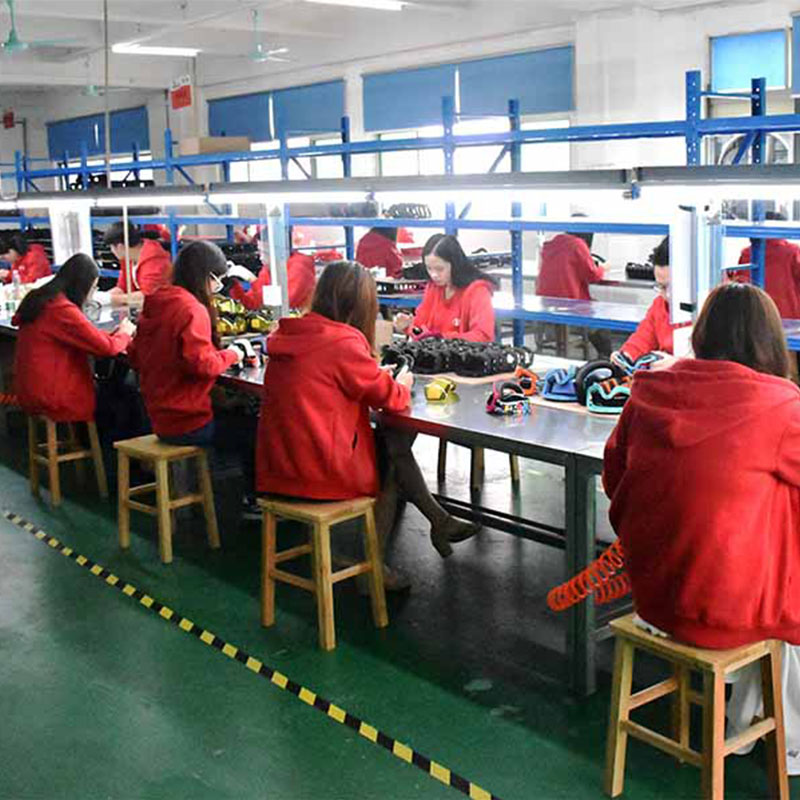
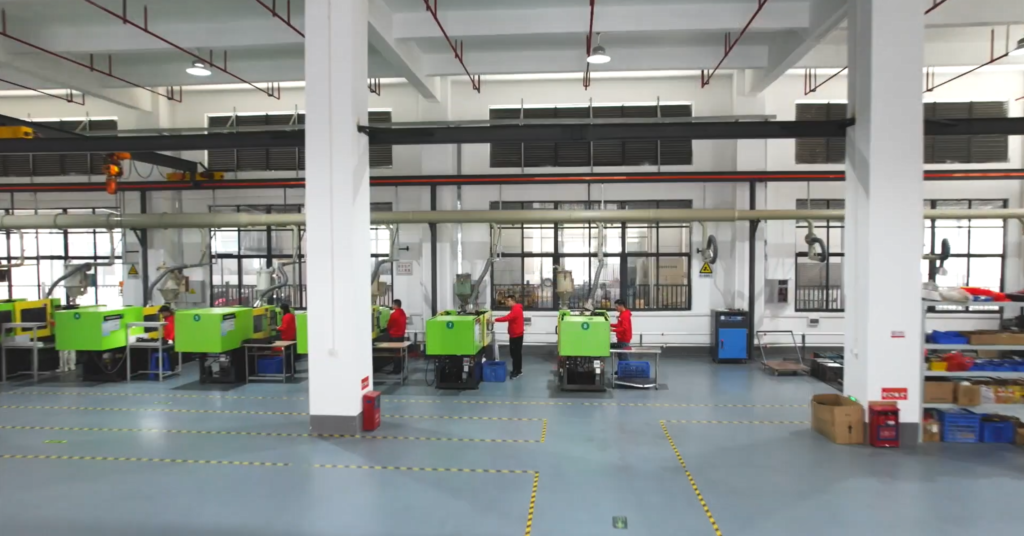
- FukoSports’ manufacturing facility handles multiple production stages in-house, including: Injection molding for frames
- Lens cutting and assembly
- Sponge fitting and adhesion
- Laser engraving and branding
This vertical integration can offer buyers greater control over quality consistency and potentially reduce coordination overhead compared to working with suppliers that outsource key processes.
Product Range and Technical Features
FukoSports manufactures across several sports eyewear categories:
| Product Category | Key Technical Features |
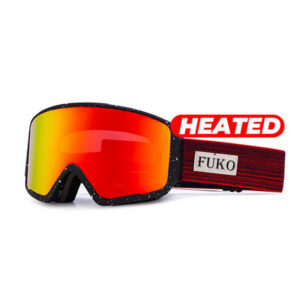
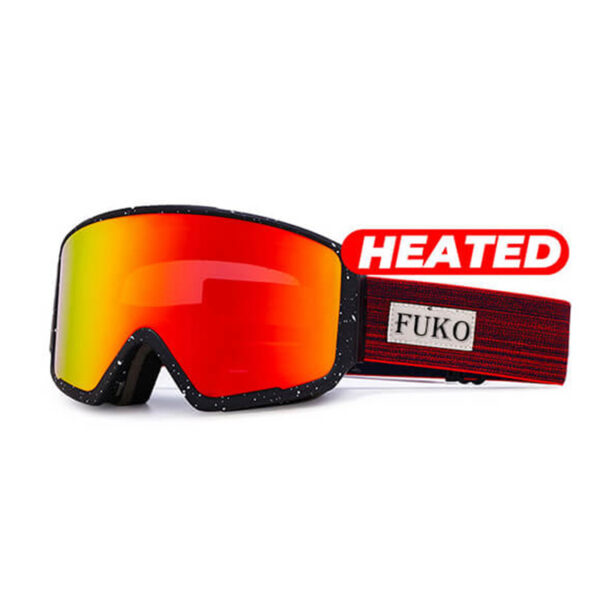
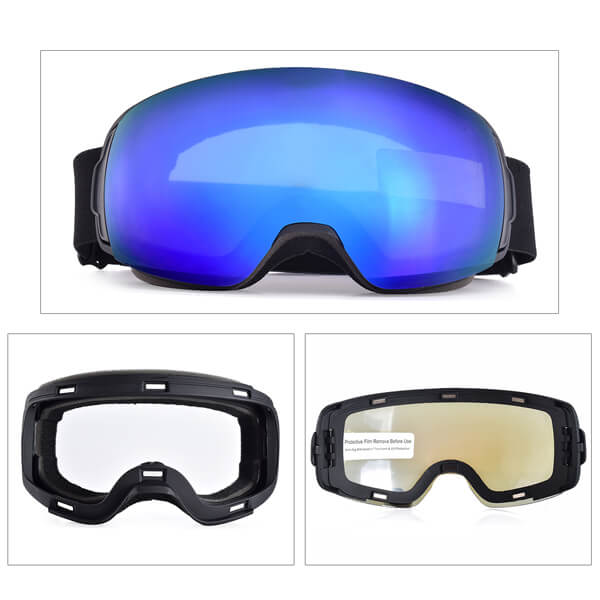
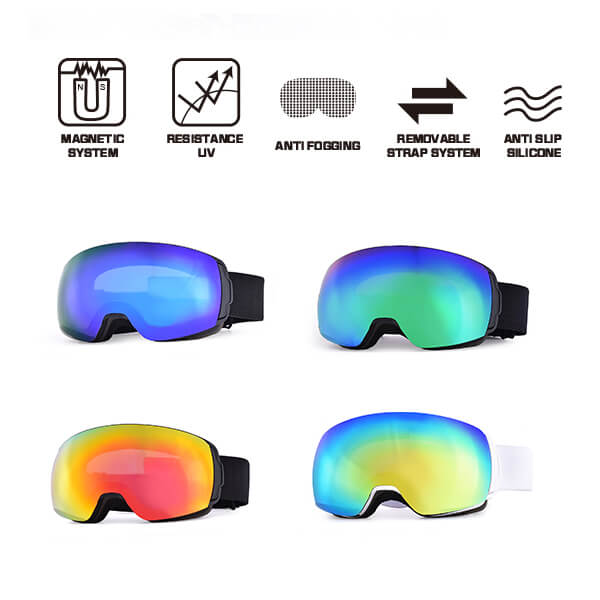
| Ski Goggles | Magnetic lens systems, OTG compatibility, ventilated designs, electrothermal heating options. |
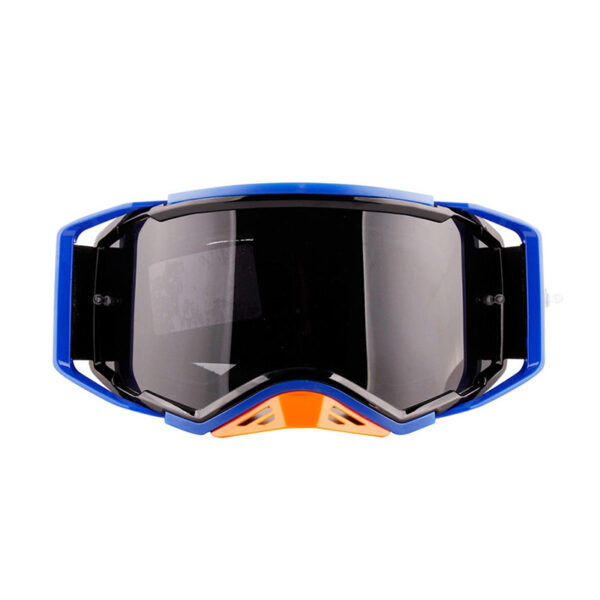
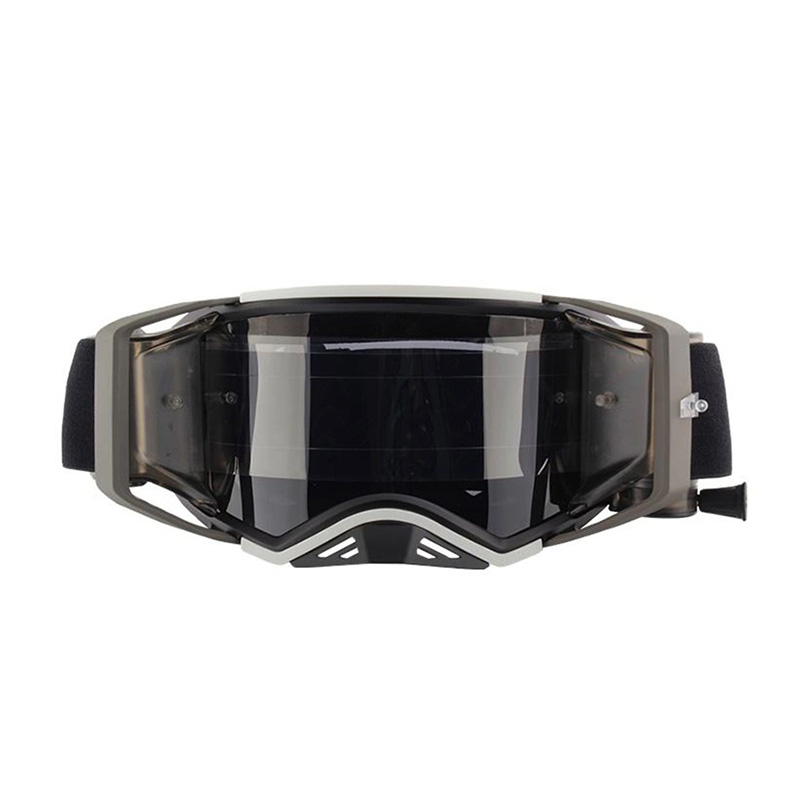
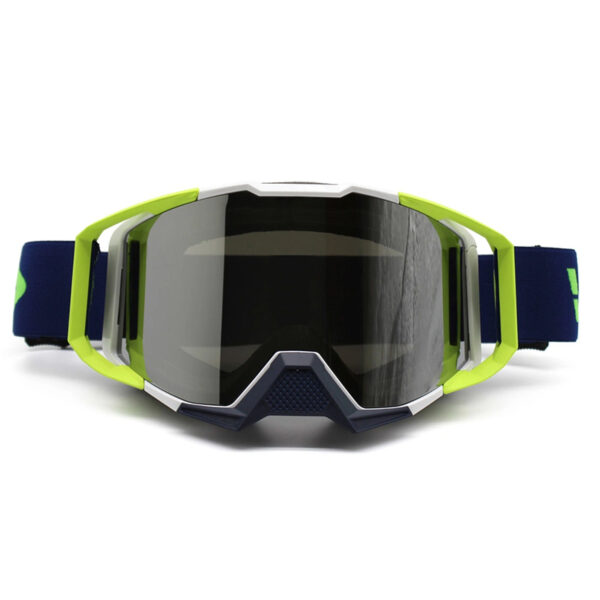
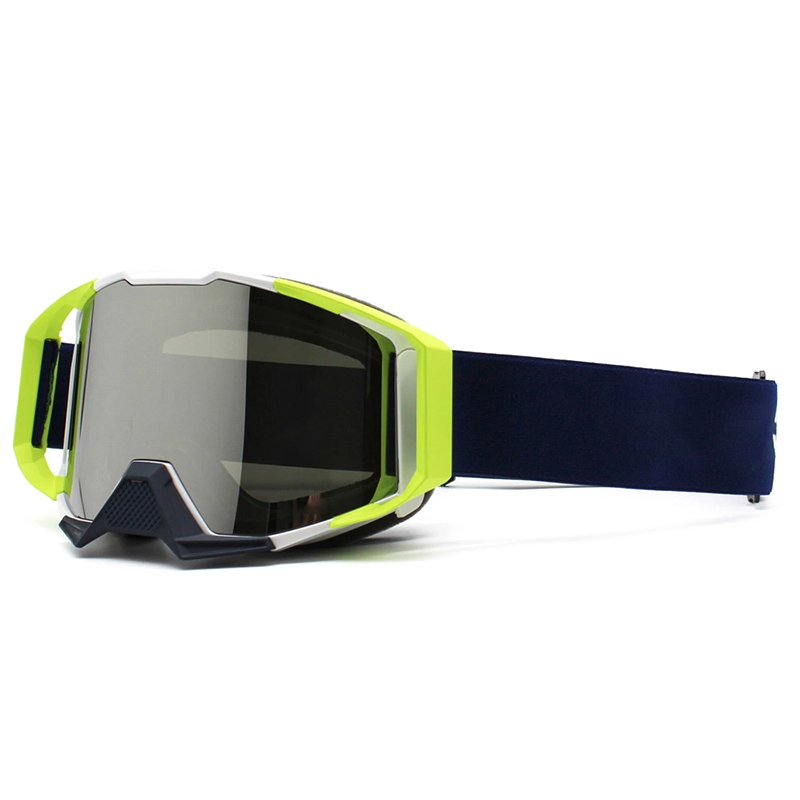
| Motocross Goggles | Rip-and-roll systems, anti-fog lenses, prescription compatibility |
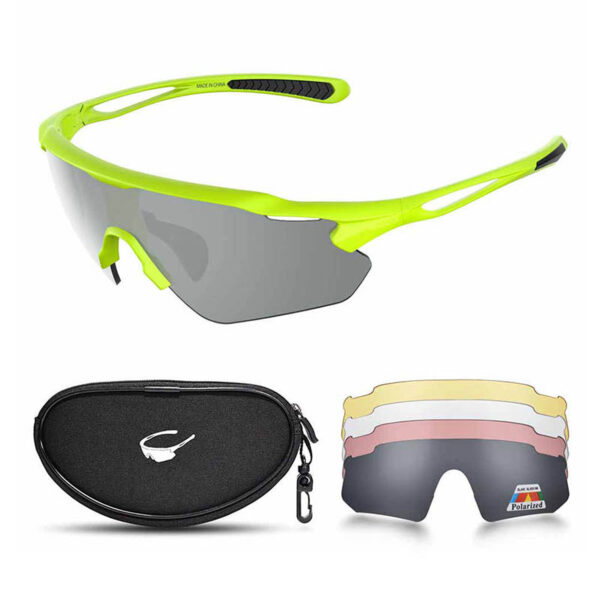
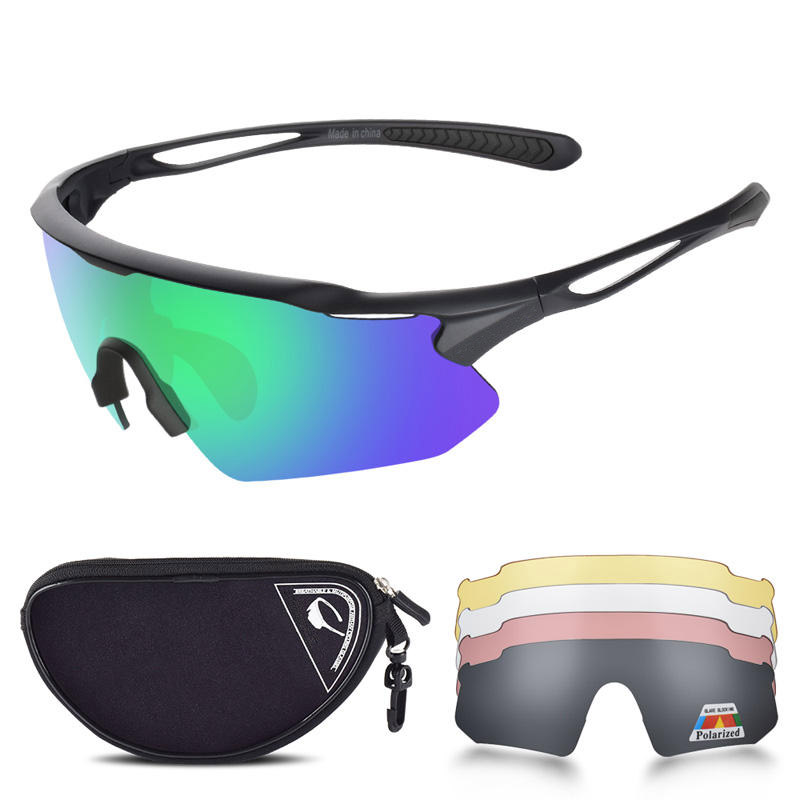
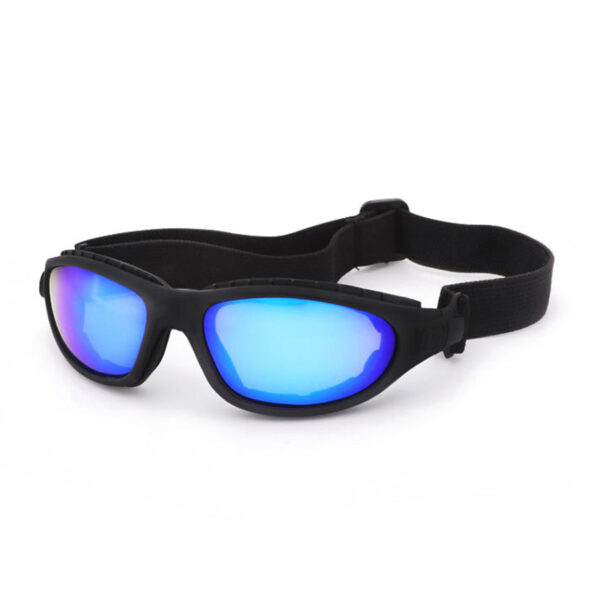
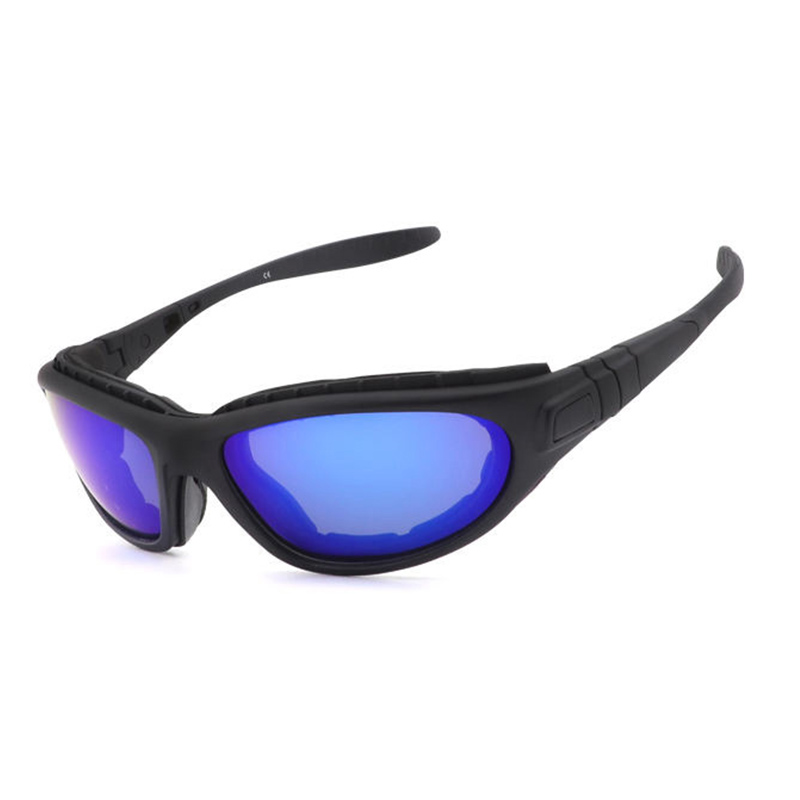
| Sports Sunglasses | Polarized lenses, interchangeable temple/strap systems |
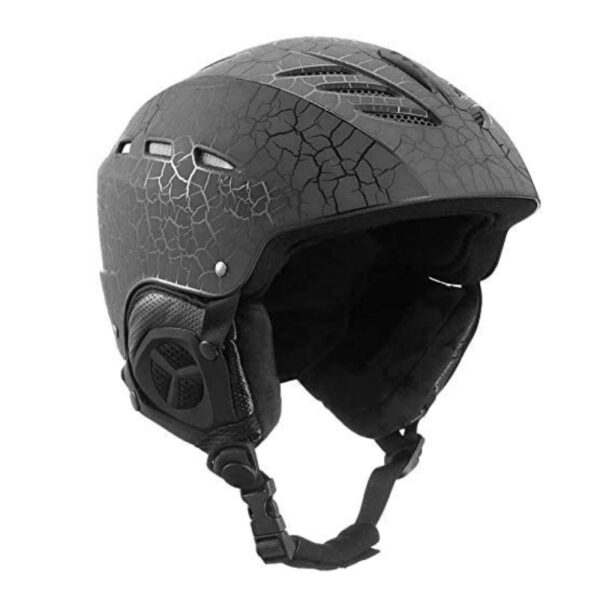
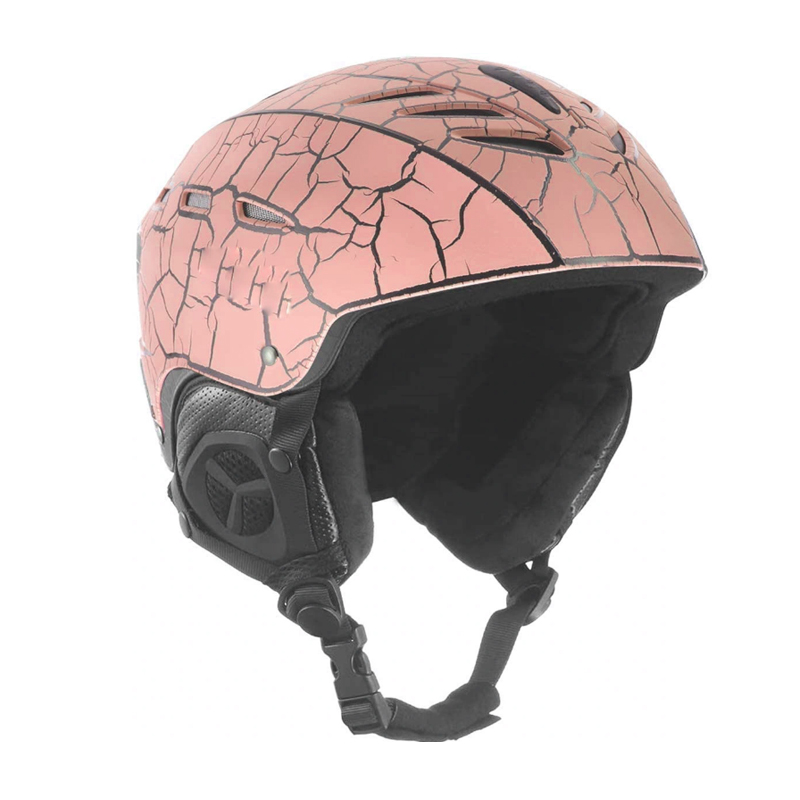
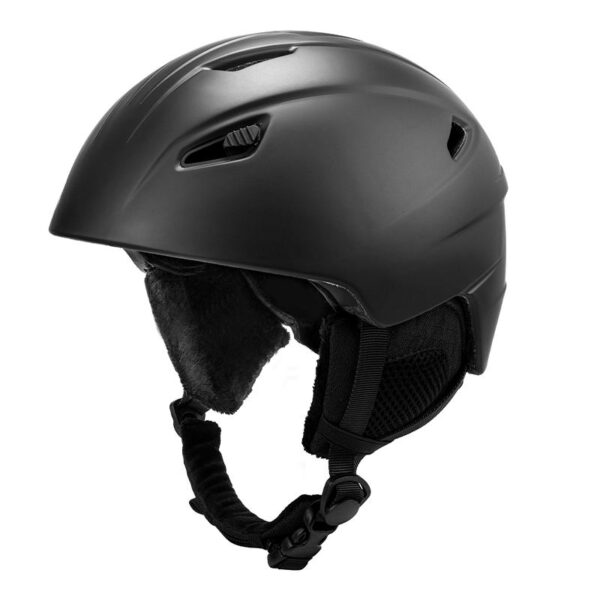
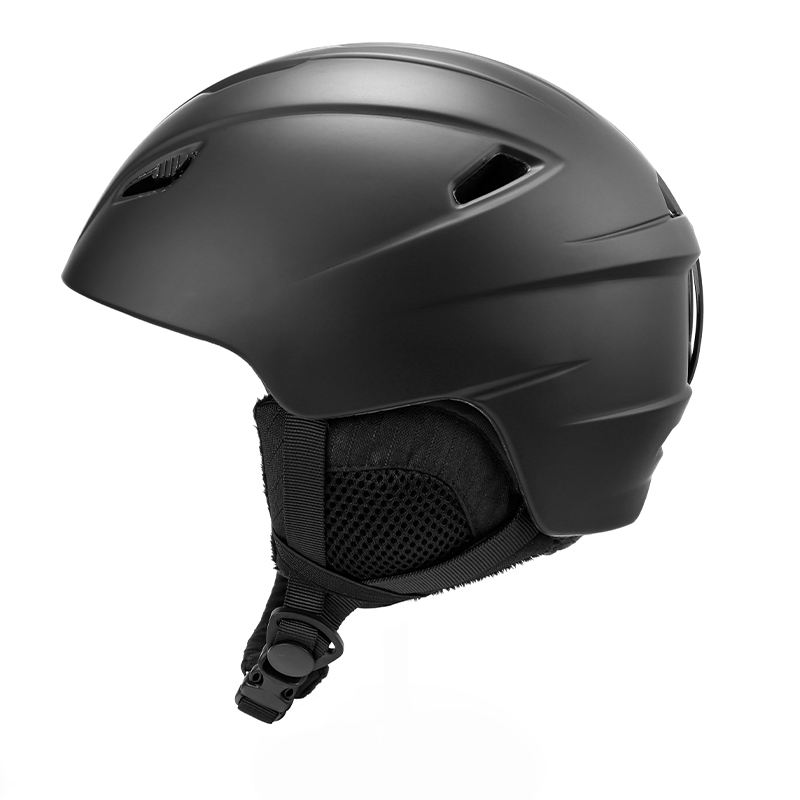
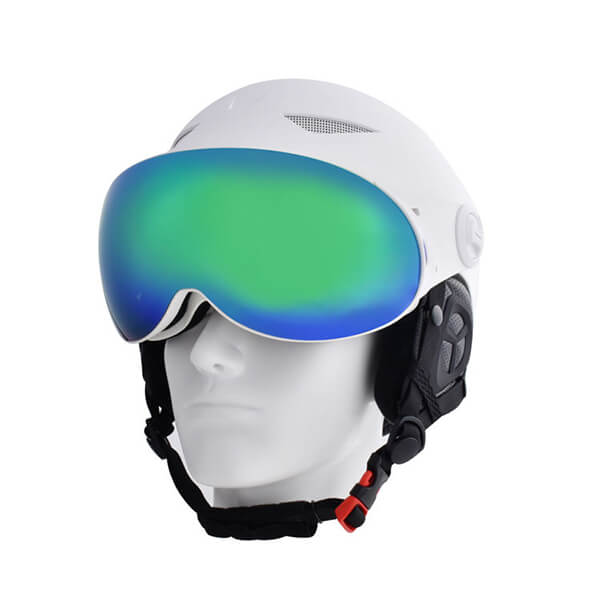
| Ski Helmets | Ventilation systems, retention systems, goggle integration compatibility |
For buyers seeking a supplier with moderate experience, flexible order quantities, and in-house production capabilities, FukoSports merits a place on the evaluation shortlist. Detailed product specifications, customization options, and current MOQ policies are available at fukosports.com.
Conclusion
Choosing a ski goggles supplier isn’t a one-time transaction; it’s a strategic partnership. A systematic evaluation process mitigates risk and builds a resilient supply chain.
- Shortlist suppliers based on verified performance data—prioritize on-time delivery, response time, and reorder rates.
- Verify all necessary certifications (ISO 18527-1, EN ISO 18527-1:2022, ASTM F659, UV400) with documented proof.
- Assess customization capabilities—can they deliver the specific lens technologies, frame designs, and branding you require?
- Request and test pre-production samples under real-world conditions. Test for optical clarity, fog resistance, impact durability, and comfort.
- Calculate total cost of ownership, not just unit price. Factor in tooling, shipping, and the cost of potential quality failures.
By applying this framework, buyers can confidently navigate the sourcing landscape, secure reliable manufacturing partners, and deliver high-performance ski goggles that meet both safety standards and market expectations.