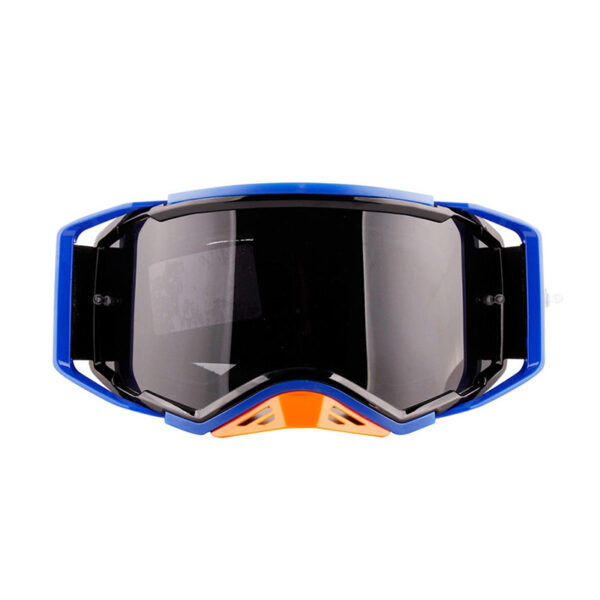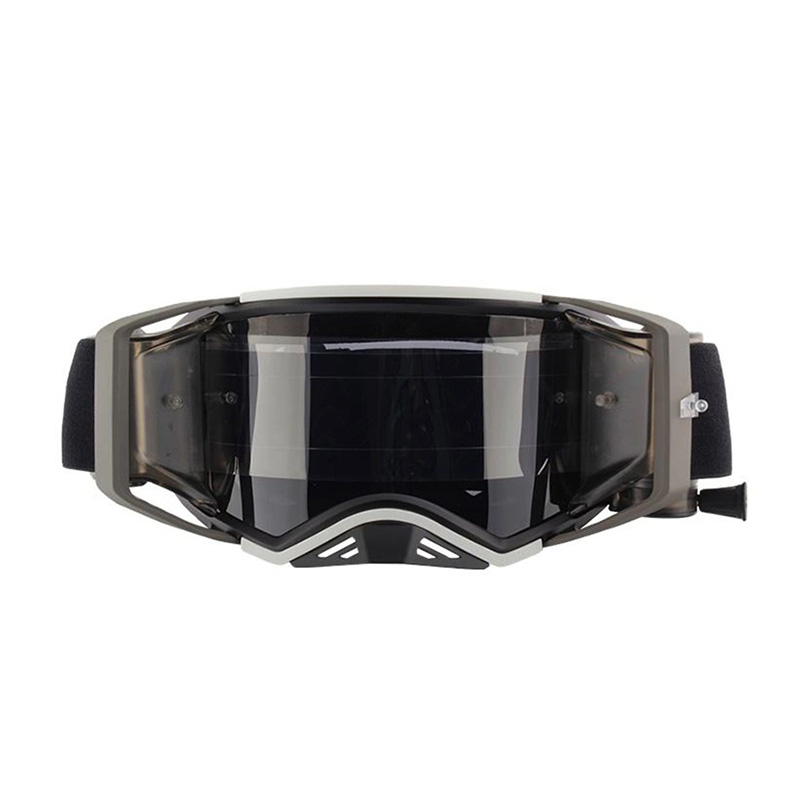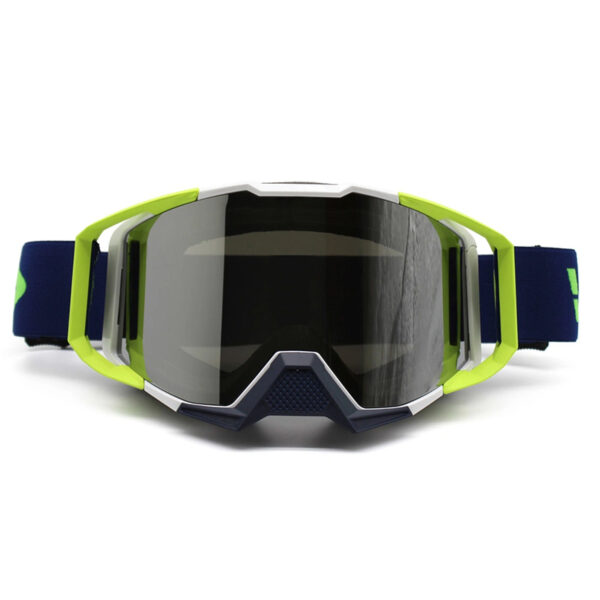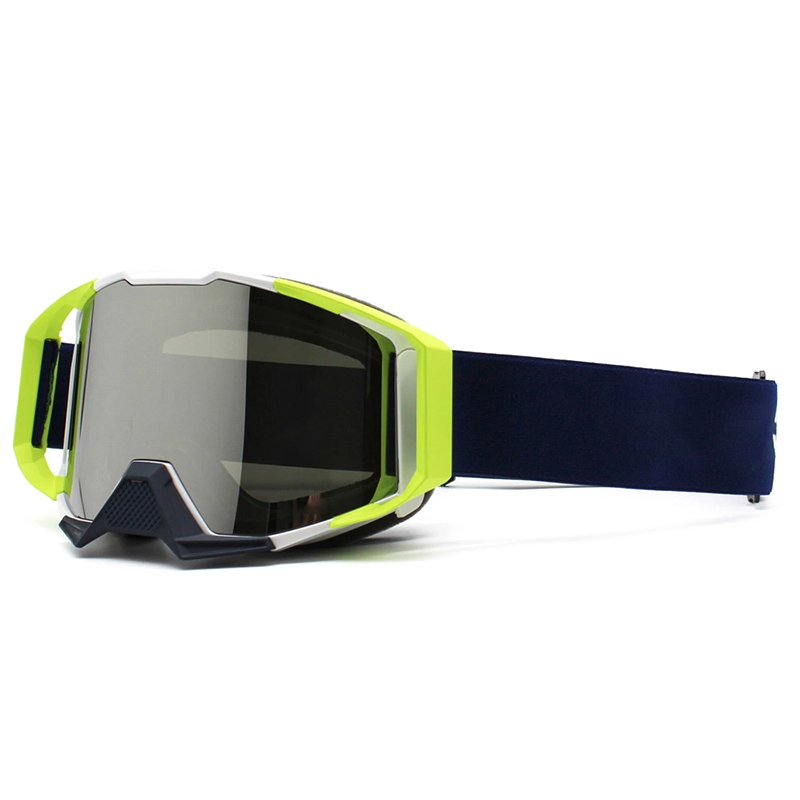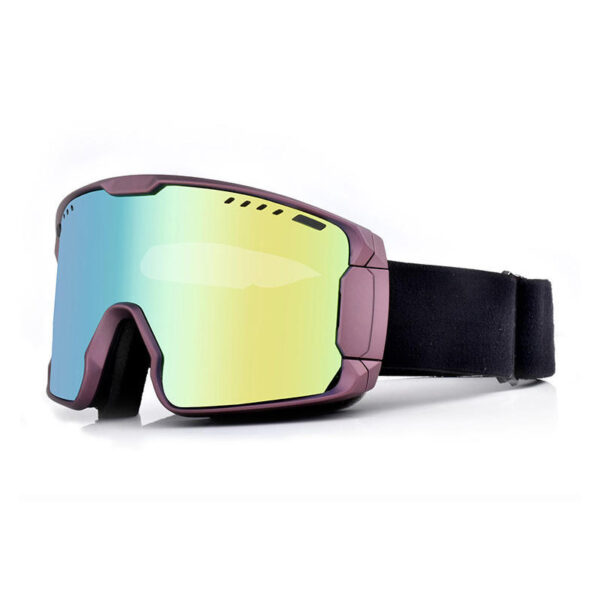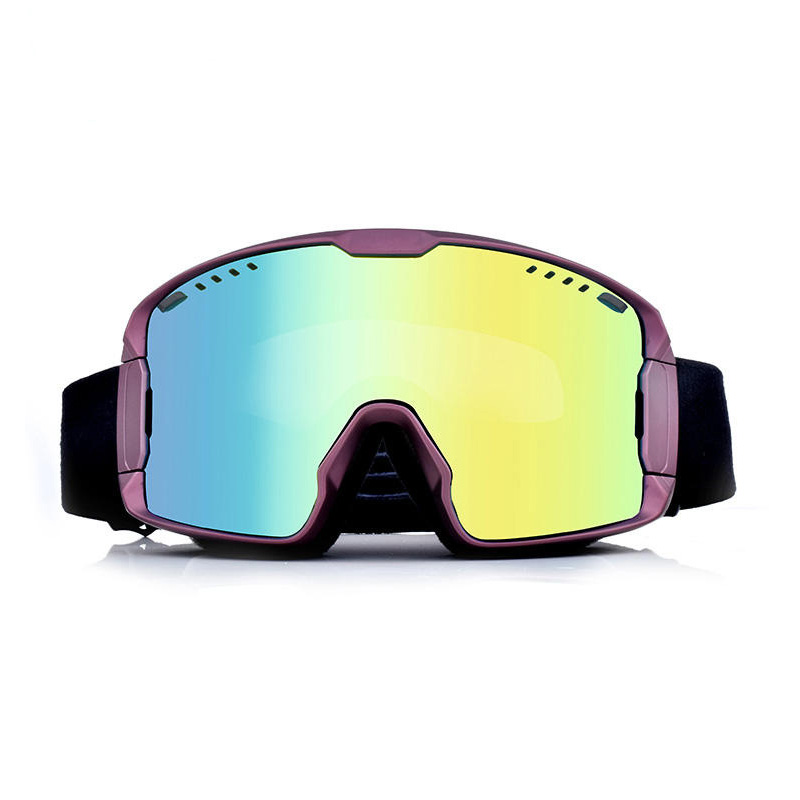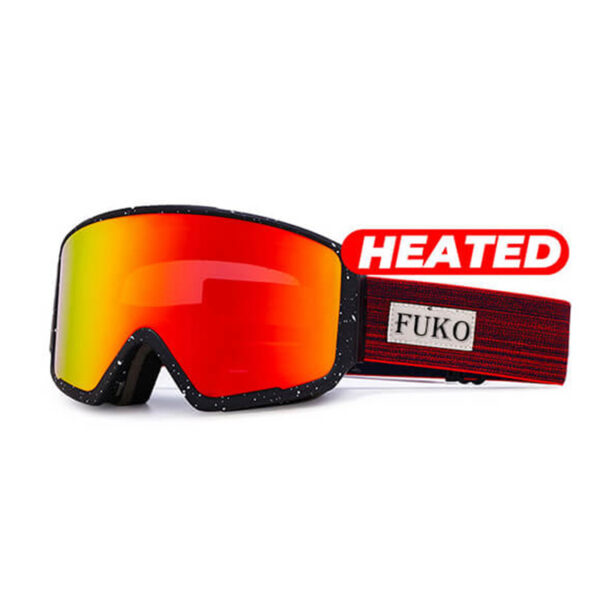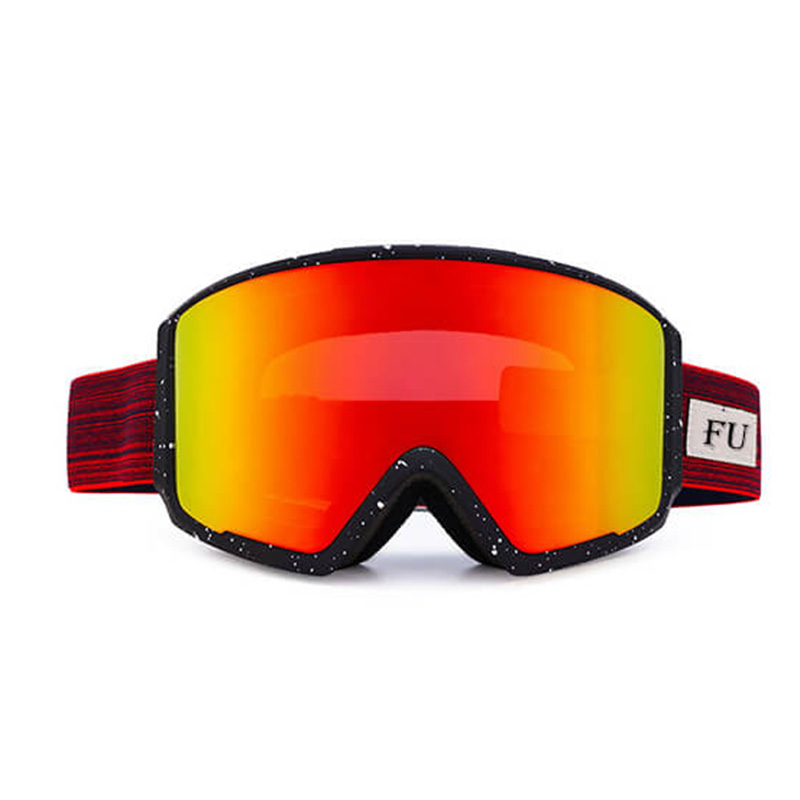
Whether you are carving up fresh powder on a bluebird day or navigating low-visibility conditions in a snowstorm, your vision determines your safety and enjoyment on the mountain. Yet, many skiers and snowboarders struggle with the same frustrating issues: lenses that constantly fog up, cold air rushing through unexpected gaps, or relentless pressure on the bridge of the nose.
Finding the right fit isn’t just about picking a design that looks good—it requires understanding how a goggle frame interacts with your facial anatomy, your helmet, and mountain weather conditions.
This comprehensive guide walks you through exact sizing metrics, facial fit checks, helmet compatibility, and specialized fits to ensure absolute comfort on the slopes.
Part 1. Understanding Ski Goggle Sizes & Size Chart
Unlike standard apparel, ski goggle sizing is not dictated by your height or body weight. Frame sizing correlates to head circumference, face width, and peripheral vision preferences.
However, there’s no universal standard—each brand defines Small, Medium, and Large differently. A Medium frame from Smith may carry slightly different dimensions compared to an Oakley or Anon equivalent.
Standard Size Categories
| Size Category | Best For | Typical Dimensions | Helmet Compatibility | Key Characteristics |
| Small / XS | Children, teenagers, adults with narrow faces | Height ~95-101mm, Width ~172-177mm | Limited to Kids, Small, or Small/Medium helmets | Shorter frame height; prevents lower edge from riding down onto the jawline or being pushed down by smaller helmets |
| Medium / Universal | Most women and men with average face shapes (~75% of adult riders) | Height ~99mm, Width ~172mm | Fits most helmets well | Balanced proportion between facial coverage, weight, and field of view. The safest starting point if unsure. Some brands offer “Universal Fit” models designed to work across medium, large, and even smaller faces |
| Large / Oversized | Adults with broader faces, riders seeking maximum field of view | Height ~105mm, Width ~180mm | Best suited for Large or X-Large helmets | Expanded spherical/toric lenses that maximize peripheral vision, making it easier to spot obstacles without turning your head. Especially beneficial for freestyle and freeride riders |
| OTG (Over The Glass) | Skiers wearing prescription eyeglasses | Varies by model | Varies by model | Built with deeper frame channels and temple cutouts to house glasses frames comfortably without pinching |
How to Measure Your Face for Goggle Size
To determine which size category fits you best, use a soft tape measure to take two key measurements:
- Face width – Measure the distance between your temples
- Face depth – Measure from the center of your cheekbones to just above your eyebrows
Compare these measurements against the manufacturer’s specifications for the specific goggle model you’re considering.
Brand-Specific Sizing Examples
To give you a concrete reference across different manufacturers:
- Oakley: Frame size is often included in the product name—for example, Flight Deck™ L (Large) or Target Line M (Medium)
- SunGod Vanguards™: 105mm (height) x 180mm (width) – designed for medium to large faces
- SunGod Snipers™: 101mm (height) x 177mm (width) – best for small to medium faces
Helmet Compatibility: The Critical Factor
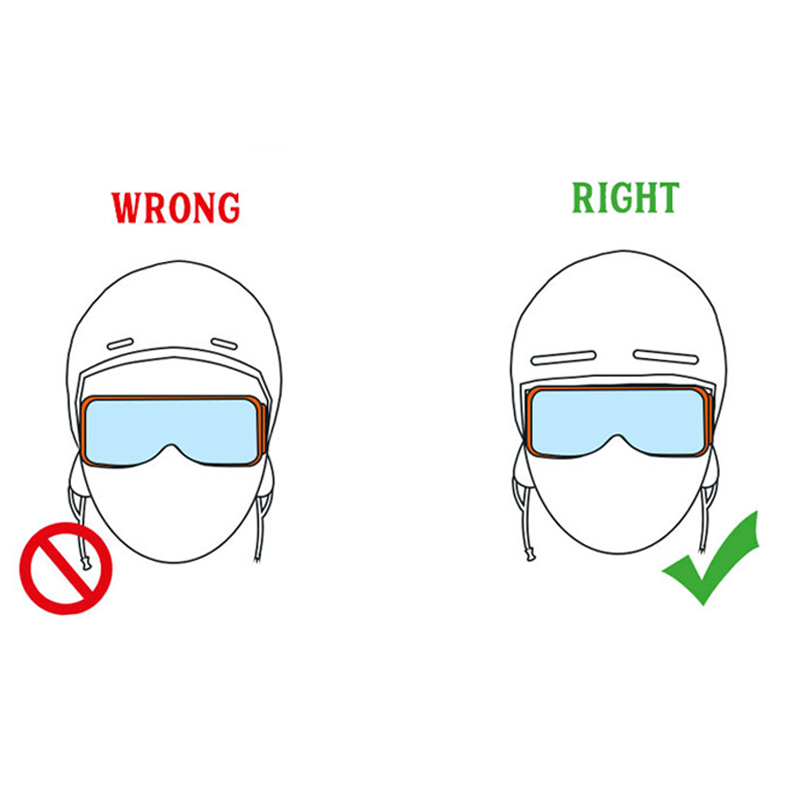
The size chart highlights a crucial factor: helmet compatibility. Large goggles are designed for large or extra-large helmets, while small goggles work best with kids’ or small/medium helmets. If your goggles don’t match your helmet size, you’re likely to end up with the dreaded “gaper gap”—a space between the top of your goggles and the front brim of your helmet that exposes your forehead to cold air and snow.
The Best Approach
While this size chart provides a helpful starting point, the only way to guarantee a perfect fit is to try your goggles on with your helmet before buying. Most manufacturers design their helmets and goggles to be compatible—even to have compatible ventilation systems—but the seamless fit ultimately depends on the shape of your head and face.
Pro Tip: Always check manufacturer-specific size guides before buying online. A Medium frame from one brand may not be identical to another’s. When in doubt, start with Medium—it fits approximately 75% of adult riders.
Part 2. How Should Ski Goggles Fit on Your Face?
When trying on goggles at home or in a shop, take a few minutes to test how the foam sits against your skin. A correct fit relies on uniform contact across your entire face.
The Perfect Fit Criteria
A well-fitting goggle creates a continuous seal using multi-layer face foam. The pressure should be evenly distributed across your forehead, temples, and upper cheekbones. Crucially, the lower arch of the frame must rest gently on the bridge of your nose without constricting your nasal passages. You should be able to breathe naturally through your nose with zero restriction.
Signs Your Goggles Are Too Big
If a goggle frame is too large for your face, you will likely notice a few distinct warning signs:
- Pinched Airflow: The bottom foam rests too low on your nostrils, making nose breathing difficult.
- Temple Leakage: Gaps form between the foam and the outer corners of your eyes, allowing freezing wind to reach your eyes.
- Helmet Dislodgement: As soon as you put on your helmet, the brim pushes the entire frame downward, jamming the nose piece into your face.
Part 3. Helmet Integration: Eliminating the “Gaper Gap”
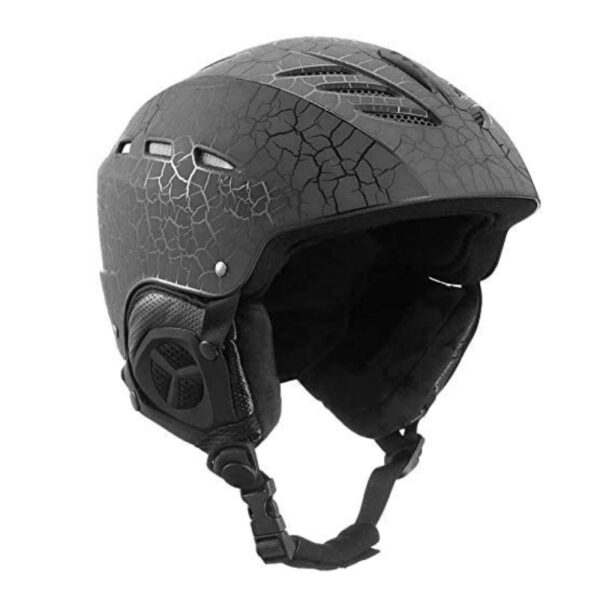
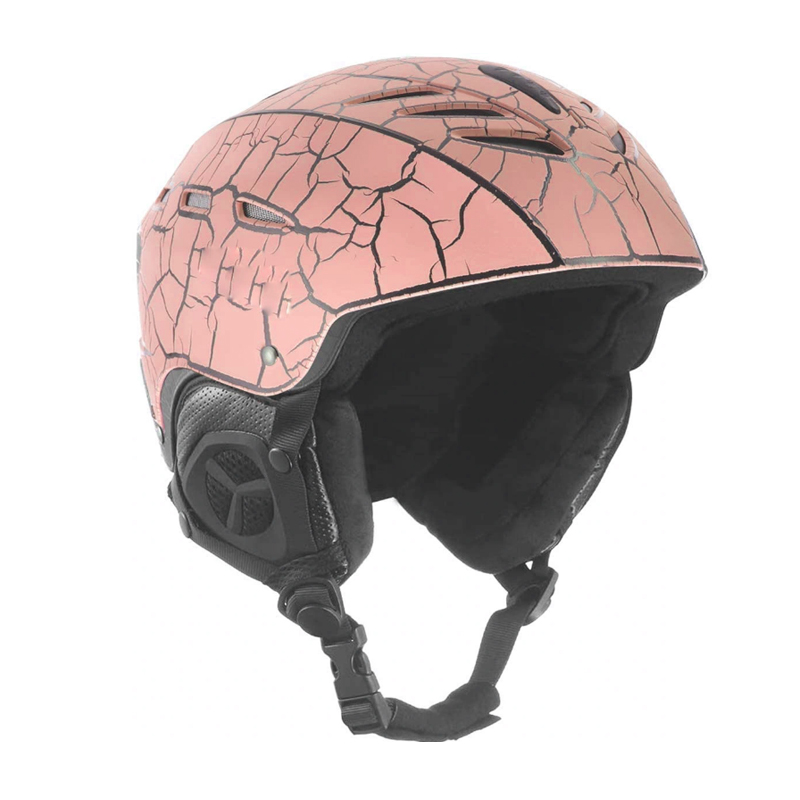
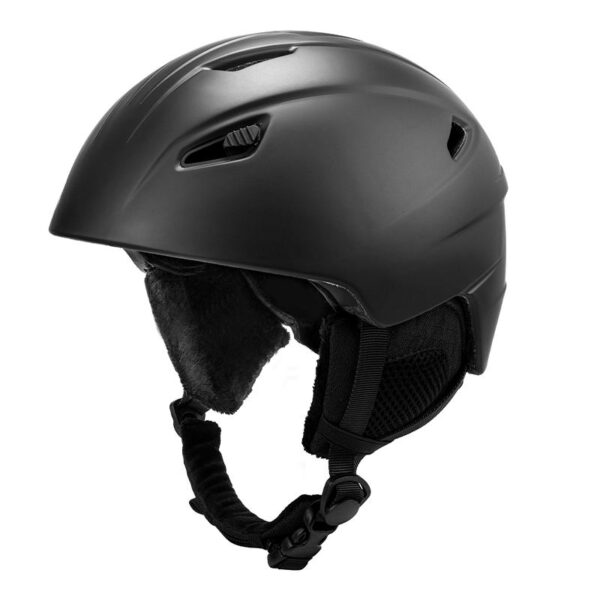
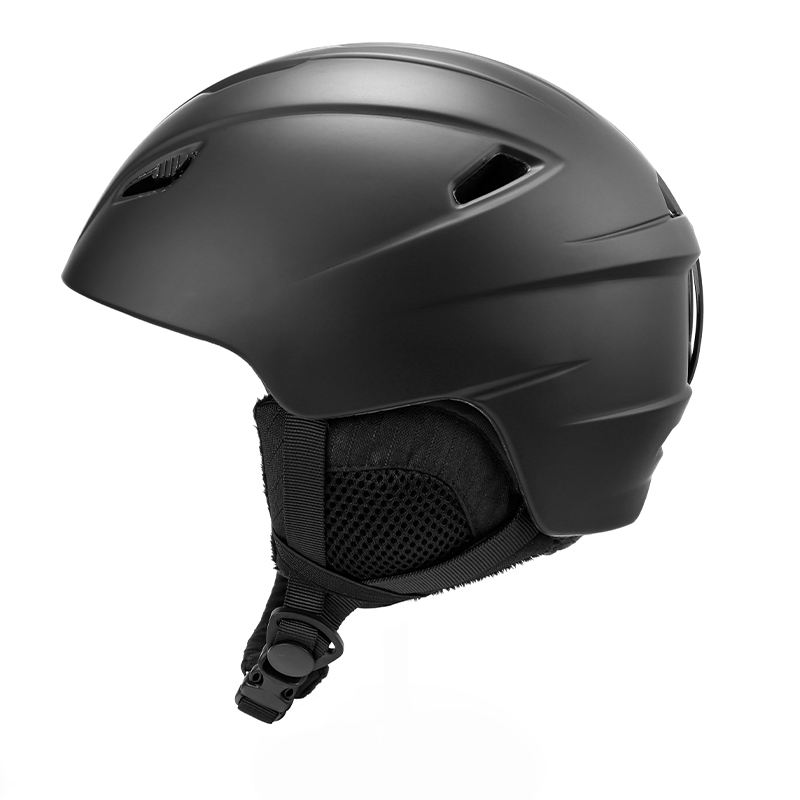
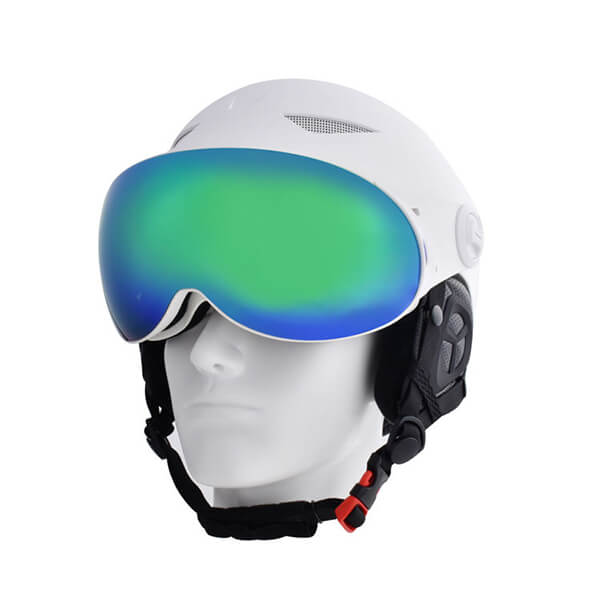
Your goggles and helmet must work together as an integrated system. In the ski community, an exposed strip of forehead between the top of the goggles and the front brim of the helmet is known as the “Gaper Gap” (or “Gorby Gap”).
Exposing skin to sub-zero temperatures and high wind speeds creates significant discomfort and increases the risk of cold-induced headaches or frostbite. Furthermore, a proper seal at the top rim helps maintain airflow through the helmet’s ventilation channels.
How to Achieve a Seamless Setup
To prevent cold air leakage, the top curve of your goggles should mirror the exact contour of your helmet’s front brim. The frame should sit flush against the helmet without being forced down onto your nose. To guarantee seamless compatibility, many skiers choose to buy their helmet and goggles from the same brand, as manufacturers design their ventilation systems and brim shapes to mate perfectly.
Part 4. Understanding Low Bridge Fit (“Asian Fit”)
Standard ski goggles are designed around a generic Western facial profile with a higher nose bridge and flatter cheekbones. For skiers with a lower nose bridge, higher cheekbones, or a wider face, standard frames often leave a noticeable gap above the nose while digging painfully into the cheekbones.
To solve this issue, manufacturers produce Low Bridge Fit (historically called Asian Fit) models. These frames incorporate two key structural modifications:
- Enhanced Nose Foam: Up to 50% more foam is added around the nose pocket to fill the space over a lower bridge and seal out cold drafts.
- Flatter Frame Arc: The overall curvature of the frame is slightly flattened to prevent the lower edges from pinching high cheekbones.
If you frequently experience cold air leaking in from the nose area or notice foam imprints on your cheeks after a run, switching to a Low Bridge Fit will dramatically improve your comfort.
Part 5. Lens Technology: What You Need to Know
Fit is just one part of the equation. Here’s how to choose the right lens for your needs.
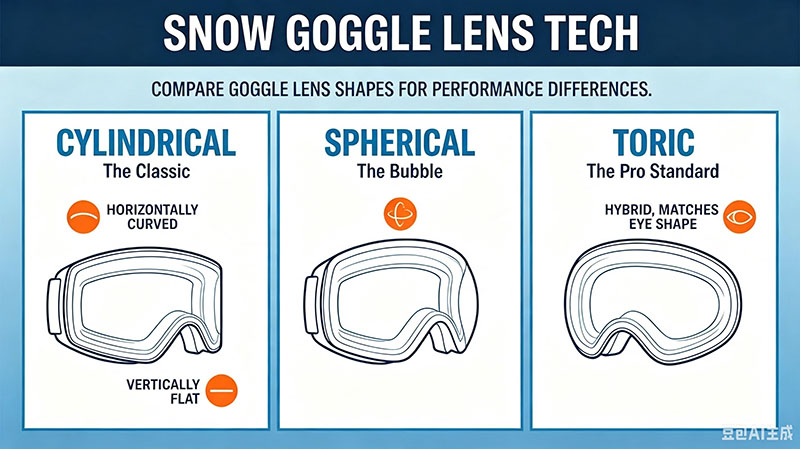
Lens Shape: Cylindrical vs. Spherical
| Feature | Cylindrical | Spherical |
| Curve | Side-to-side only (flat vertically) | Both horizontally and vertically |
| Fit | Sits closer to the face | Sits farther from the face |
| Field of View | Good | Traditionally wider |
| Pros | More affordable, often better helmet integration | Reduced distortion, wider peripheral vision-2 |
Spherical lens benefits: The spherical lens design offers superior visual effects. It provides a wider field of view, allowing you to see more of your surroundings and enhancing your overall skiing experience-2.
VLT (Visible Light Transmission)
VLT tells you how much light passes through the lens:
| VLT Range | Best For |
| 5-30% (dark tints) | Sunny days (blocks more light) |
| 40-70% (lighter tints) | Cloudy/snowy days (allows more light) |
| 80-90% (clear lenses) | Night skiing or indoor domes |
Lens color guide: Pink, yellow, and champagne tints usually fall in the higher VLT range—great for low-light conditions. Darker lenses like gray, brown, and black are ideal for bright sunny days-2. Red lenses are solid all-rounders. Black, silver-mirror, blue, and green lenses are best for bright, sunny days.
Essential UV & Glare Protection
Snow reflects up to 80% of solar radiation, nearly doubling your exposure to harmful ultraviolet rays at high altitudes. Always confirm that your lenses offer 100% UVA and UVB protection (UV400 rating). Higher-end lenses also incorporate polarized filters or contrast-enhancing technologies (such as Oakley Prizm or Smith ChromaPop) to improve terrain definition in flat light conditions.
Part 6. Precision Engineering: How FukoSports Solves Fit & Performance
Achieving the ideal fit often comes down to the quality behind your gear. With over 9 years of manufacturing expertise, FukoSports specializes in custom ski goggles, helmets, and sports eyewear designed for maximum comfort and mountain protection.
Operating a modernized factory in Guangzhou, China, FukoSports offers one-stop OEM/ODM solutions for brands worldwide—directly solving common rider pain points:
- Seamless Helmet Integration: Designing both helmets and goggles under one roof guarantees a perfect “zero-gap” fit along the forehead.
- Specialized Facial Fits: Custom Low Bridge (Asian) Fit molds and OTG (Over-The-Glass) designs ensure comfort for lower nose bridges and prescription glasses wearers.
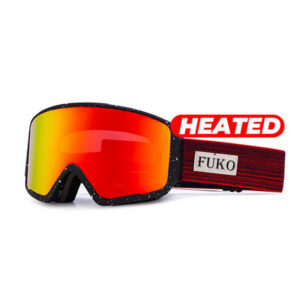
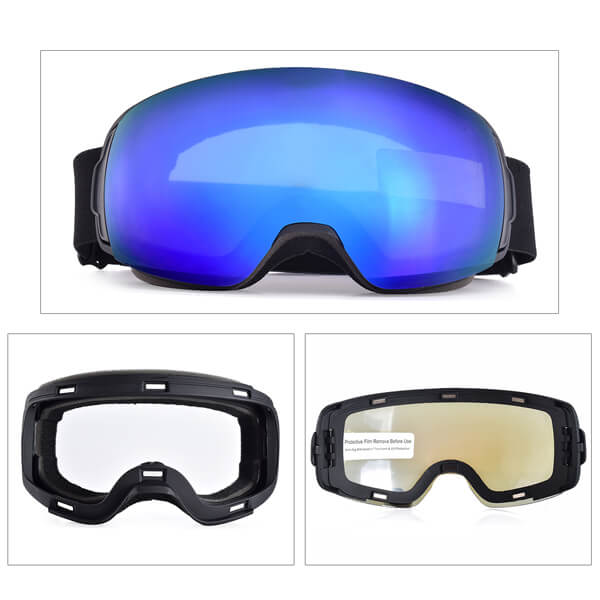
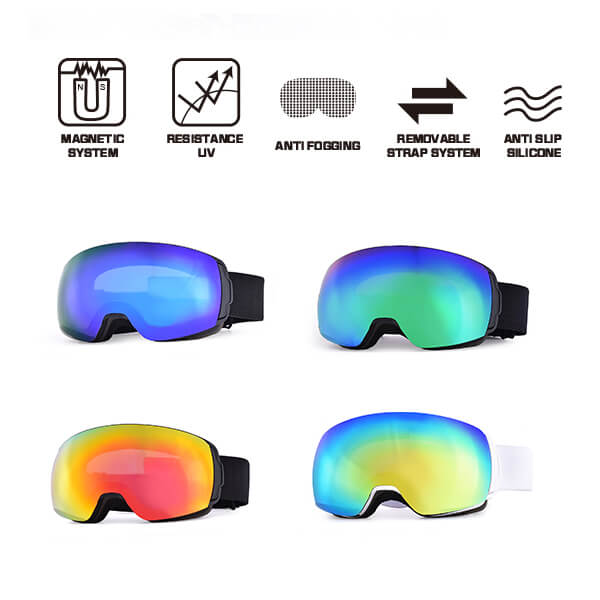
- Next-Gen Anti-Fog Tech: Features like magnetic lens swapping and electrothermally heated lenses actively clear fog in extreme weather.
Whether you are an outdoor brand creating a custom eyewear line or a skier seeking factory-grade quality, FukoSports delivers gear built for comfort, safety, and durability.
Frequently Asked Questions
Q1: How tight should I pull my goggle strap?
The strap should be snug enough to hold the frame firmly against your face without causing pressure headaches or leaving deep indentations. If you feel excess pressure on your nose or forehead, loosen the strap slightly—the helmet’s tension should do most of the work.
Q2: Should ski goggles cover my eyebrows?
Yes. In a proper fit, the upper foam layer should rest comfortably across or just above your eyebrows, fully sealing your upper face against cold air and snow ingress.
Q3: How do I know if my ski goggles fit?
The foam should make full contact with your forehead, cheeks, and nose bridge—no gaps, no pinching, and you should breathe naturally through your nose.
Q4: How do I know if my ski goggles are too big?
Gaps around the nose or outer eyes, the frame pressing on your nostrils, shifting when you shake your head, or the helmet pushing the goggles down onto your face.
Q5: Should there be a gap between ski goggles and helmet?
No. The goggles should sit flush against the helmet brim with zero gap to prevent cold air exposure, frostbite risk, and fogging.
Conclusion
The perfect ski goggles boil down to three things: a complete face seal, seamless helmet integration, and 100% UV protection. Test fit with your helmet before buying. Choose OTG if you wear glasses, or Low Bridge Fit if you have a lower nose bridge. Get this right, and you’ll forget they’re even there—just clear vision, run after run.
For skiers seeking reliable, performance-driven eyewear, manufacturers like FukoSports combine deep engineering expertise with customization options to address the specific fit challenges discussed in this guide—ensuring you stay comfortable, protected, and focused on the mountain ahead.