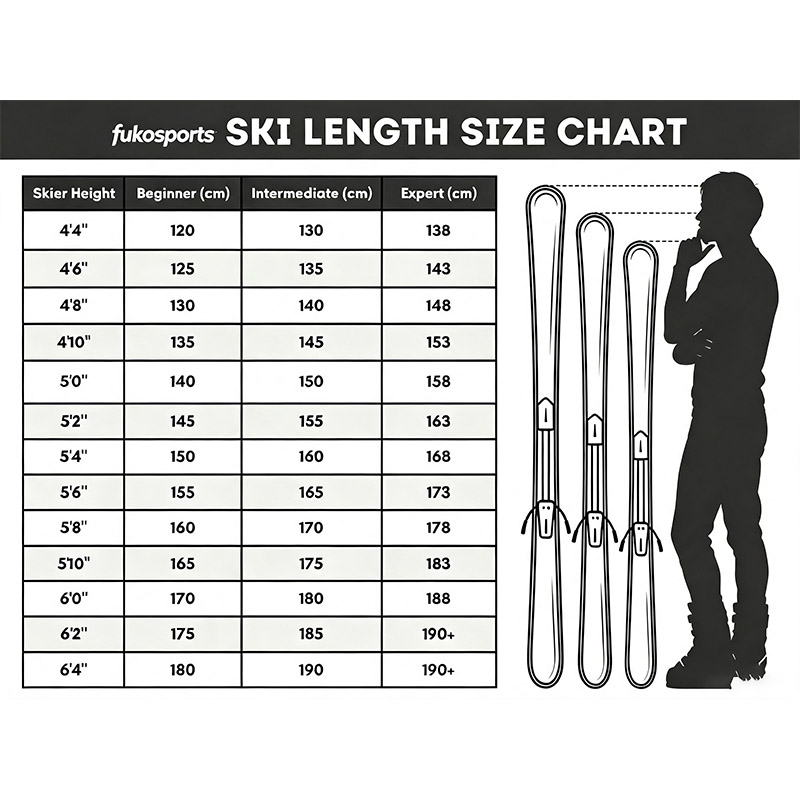
Standing before a wall of skis at a rental shop or scrolling through online listings can be daunting. With lengths ranging from 130 cm to over 190 cm, the wrong size can ruin your day. Skis too short feel unstable at speed; skis too long make every turn a workout.
The old rule—choose skis between your chin and forehead—is outdated. Modern ski design demands more than just height. Your weight, skiing style, terrain, and skill level matter just as much.
That’s where a ski length calculator comes in. These free online tools turn complex fitting formulas into quick, personalized recommendations. In this 2026 guide, we review the five best calculators, provide an easy height-weight chart, and share pro tips to find your perfect setup.
Part 1. What Is a Ski Length Calculator?
A ski length calculator is an interactive digital tool designed to determine the ideal ski length (measured in centimeters) for an individual based on personal biometric data and skiing preferences.
How It Works
Traditional size charts rely almost exclusively on ski length to height. However, two skiers who are both 5’10” (178 cm) tall may require vastly different equipment if one weighs 140 lbs and skis gentle beginner green runs, while the other weighs 190 lbs and charges down steep, icy double-black diamonds.
Modern algorithms balance multiple input variables to calculate a personalized recommendation:
- Height: Establishes the baseline leverage and stance width on the snow.
- Weight: Determines how much force you exert on the skis to flex them into a turn. Heavier skiers require longer, stiffer skis for adequate edge hold, while lighter skiers need shorter, softer skis to initiate turns easily.
- Ability Level: Ski length for beginners usually defaults to a shorter length (chin-to-nose height) for effortless steering. Advanced aggressive skiers require longer skis (forehead-to-above-head height) for high-speed stability.
- Terrain & Ski Type: Freeride and deep powder skis feature rockered tips that shorten the effective contact length on snow, requiring a longer physical ski. Conversely, carving or slalom skis are kept shorter for quick edge-to-edge transitions.
Metric vs. Imperial Units
Ski lengths are universally manufactured and sold in centimeters (cm). However, depending on where you live, you might think of your height in feet and inches or your weight in pounds. A high-quality ski length calculator metric tool allows you to input measurements in centimeters and kilograms or seamlessly toggle to imperial units.
Whether you need a ski length calculator cm conversion or an imperial output, these tools standardize your metrics into the exact sizing format used by manufacturers worldwide.
Part 2. 5 Best Ski Length Calculators Online Free
To save you time, we tested and reviewed the top five free online sizing tools available in 2026. Each offers unique features tailored to different types of skiers.
| Calculator Tool | Best Feature | Ideal For |
| Omni Ski Size Calculator | Deep mathematical customization | Technical gear enthusiasts |
| Powder7 Quick Ski Size Chart | Real-world gear inventory integration | Resort & freeride shoppers |
| SSW Board House Calculator | Clean, rapid metric/imperial UI | Quick mobile sizing on the go |
| The Snow Chasers Calculator | Beginner-friendly explanations | First-time buyers & families |
| SkiCalc.com | Niche race & specialty tuning | Advanced racers & GS specialists |
1. Omni Ski Size Calculator
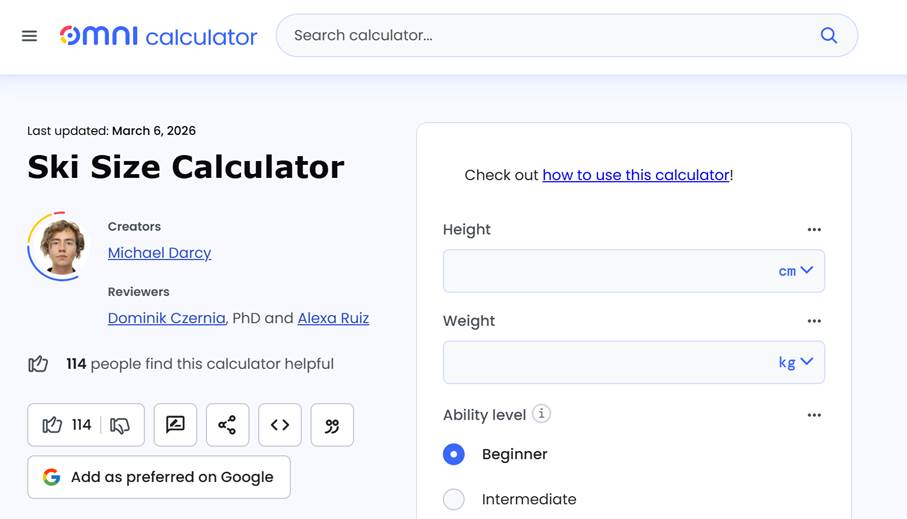
Omi Ski Size Calculator provides one of the most comprehensive scientific tools on the web. It goes far beyond basic height and weight inputs, allowing users to factor in gender, snow type, speed preference, and specific ski profiles (camber vs. rocker).
Why We Love It?
It features an intuitive ski length calculator metric and imperial toggle, making it effortless to switch between systems. It also includes dedicated sub-calculators like a ski length calculator kids module and a specialized ski length calculator women mode that adjusts for lower centers of gravity and lighter body mass.
Best For: Skiers who want a highly tailored recommendation backed by physics and detailed variable adjustments.
2. Quick Ski Size Chart & Calculator by Powder7
Maintained by one of the premier independent ski shops in North America, Powder7’s Quick Ski Size Chart & Calculator combines algorithmic math with real-world technician experience.
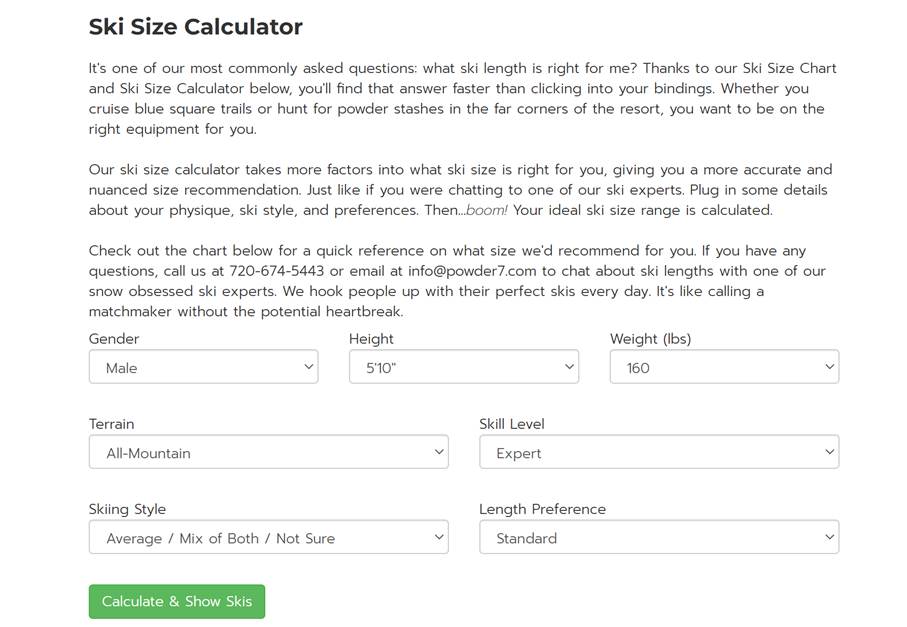
Instead of providing just a single isolated number, Powder7 displays a recommended centimeter range (e.g., 170 cm–178 cm) and directly links those results to actual skis in their live inventory. Their sizing guide clearly illustrates how waist width and rocker profiles alter the effective length of a ski.
Best For: Skiers shopping for all-mountain, freeride, or powder skis who want to see how real-world gear matches their calculated size.
3. SSW Board House Ski Length Calculator
If you are looking for a fast, no-nonsense tool that delivers results in seconds without forcing you to read through paragraphs of text, this Ski Length Calculator offers an exceptionally clean interface.
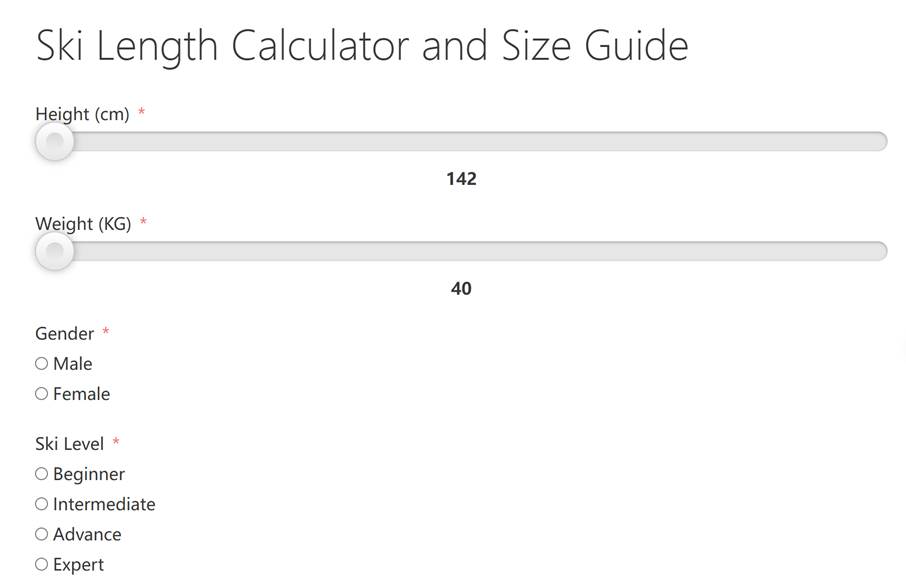
It serves as a flawless ski length calculator cm tool for international users while accommodating feet and inches natively. The mobile-friendly design makes it perfect to pull up on your phone while browsing skis at a local swap or rental desk.
Best For: Mobile users and shoppers needing a lightning-fast, accurate calculation on the fly.
4. Ski Size Calculator
The Ski Size Calculator offers a user-centric sizing tool designed specifically with recreational skiers and vacationers in mind. It breaks down complex gear jargon into plain English. It is an ideal resource for finding a ski length for beginners, offering visual diagrams showing where the ski tip should land relative to your face based on your skill level.
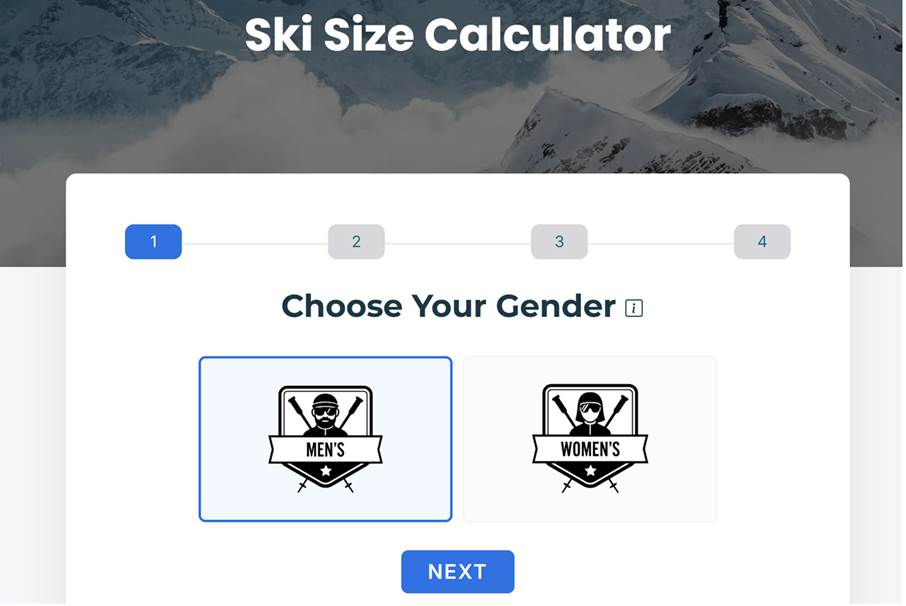
Best For: Casual resort skiers, beginners, and families looking for clear guidance without overly technical terminology.
5. SkiCalc Ski Size Calculator
SkiCalc is a classic, utility-focused web application built for enthusiasts who require specialized sizing metrics for specific disciplines.
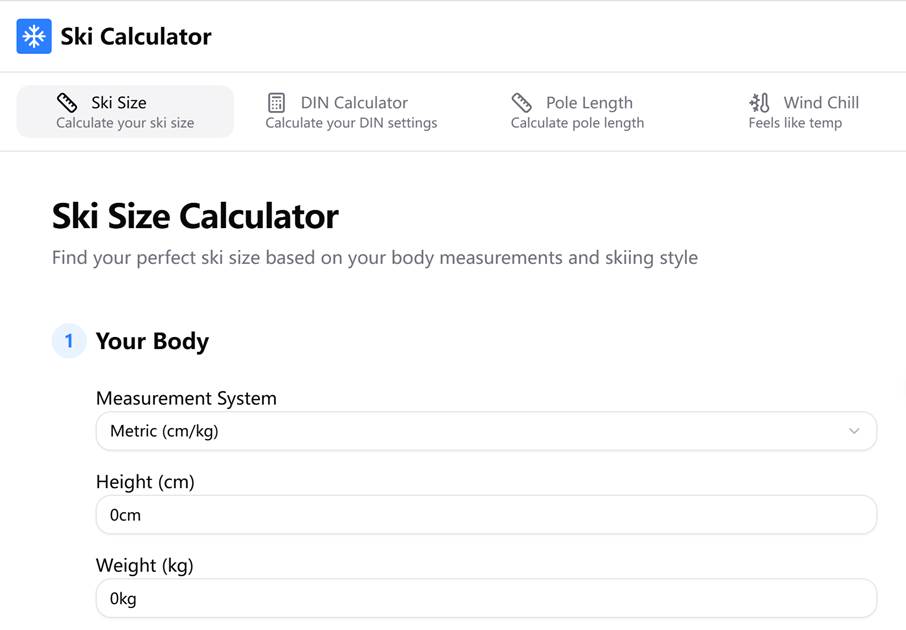
While great for standard all-mountain setups, SkiCalc is one of the few tools that functions as a reliable GS ski length calculator (Giant Slalom). Advanced skiers and amateur racers can calculate precise lengths and radius requirements for race-oriented skis based on FIS (International Ski Federation) guidelines or recreational race leagues.
Best For: Advanced skiers, carvers, and frontside racers looking for precise performance specs.
Part 3. Real-World Tips When Using a Ski Length Calculator
While calculators provide an excellent baseline, online skiing communities frequently discuss why you shouldn’t treat a calculator’s output as an unchangeable law. Here are crucial real-world adjustments to keep in mind when viewing your results:
1. Factor in Ski Rocker vs. Camber
Modern skis rarely feature traditional full camber from tip to tail. Many incorporate tip and tail rocker (early rise), where the ends of the ski curve upward off the snow.
Rule of Thumb: A rockered ski has a shorter “effective edge” in contact with the snow. If a calculator recommends a 170 cm length for a traditional cambered ski, you can comfortably size up to 175 cm–180 cm in a heavily rockered freeride or powder ski without losing maneuverability.
2. Don’t Ignore Body Weight
Most sizing charts are built around average body mass index (BMI). If you are taller but very light, size toward the shorter end of your calculated range so you can flex the ski properly. If you are shorter but carry extra muscle or weight, size up to ensure the ski provides adequate support and stability during high-speed turns.
3. Sizing Up vs. Sizing Down
When your calculator gives you a range (e.g., 165 cm to 173 cm), choose based on these preferences:
- Size DOWN (Shorter) if: You are an absolute beginner, enjoy tight tree runs (glades), prefer moguls, or like making short, quick carving turns at moderate speeds.
- Size UP (Longer) if: You love skiing fast on open groomers, charge through heavy chop and powder, weigh more than average for your height, or are choosing a ski with significant rocker.
Part 4. Ski Length Chart by Height and Weight
For quick reference without using an interactive tool, use this comprehensive ski length chart by height and weight. It covers a wide range of skier profiles, including metric and imperial conversions.
| Skier Height (Imperial) | Skier Height (Metric) | Average Weight Range | Beginner Length (cm) | Intermediate Length (cm) | Advanced / Expert Length (cm) |
| 4’0″–4’4″ (Kids) | 122–132 cm | 40–60 lbs (18–27 kg) | 90–100 cm | 100–110 cm | 110–120 cm |
| 4’5″–4’11” (Youth) | 135–150 cm | 60–90 lbs (27–41 kg) | 110–125 cm | 125–135 cm | 135–145 cm |
| 5’0″–5’2″ | 152–157 cm | 100–120 lbs (45–54 kg) | 140–148 cm | 148–155 cm | 155–163 cm |
| 5’3″–5’5″ | 160–165 cm | 120–140 lbs (54–64 kg) | 148–155 cm | 155–163 cm | 163–170 cm |
| 5’6″–5’8″ | 168–173 cm | 140–160 lbs (64–73 kg) | 155–163 cm | 163–170 cm | 170–178 cm |
| 5’9″–5’11” | 175–180 cm | 160–180 lbs (73–82 kg) | 163–170 cm | 170–178 cm | 178–186 cm |
| 6’0″–6’2″ | 183–188 cm | 180–200 lbs (82–91 kg) | 170–178 cm | 178–185 cm | 185–192 cm |
| 6’3″+ | 190+ cm | 200+ lbs (91+ kg) | 178–185 cm | 185–190 cm | 190+ cm |
Gear Tip: Elevate Your Vision with FukoSports
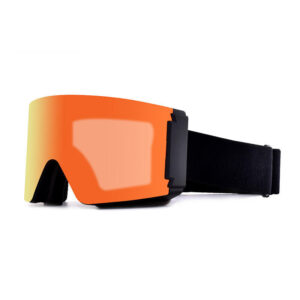
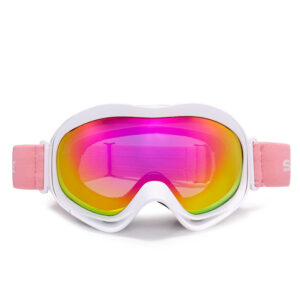
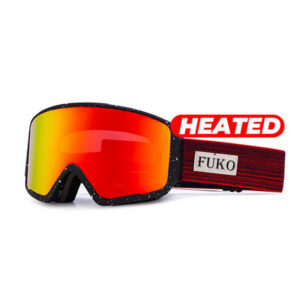
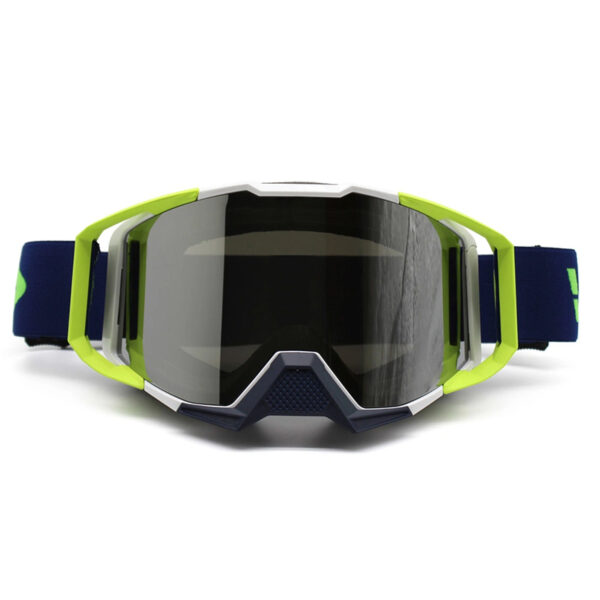
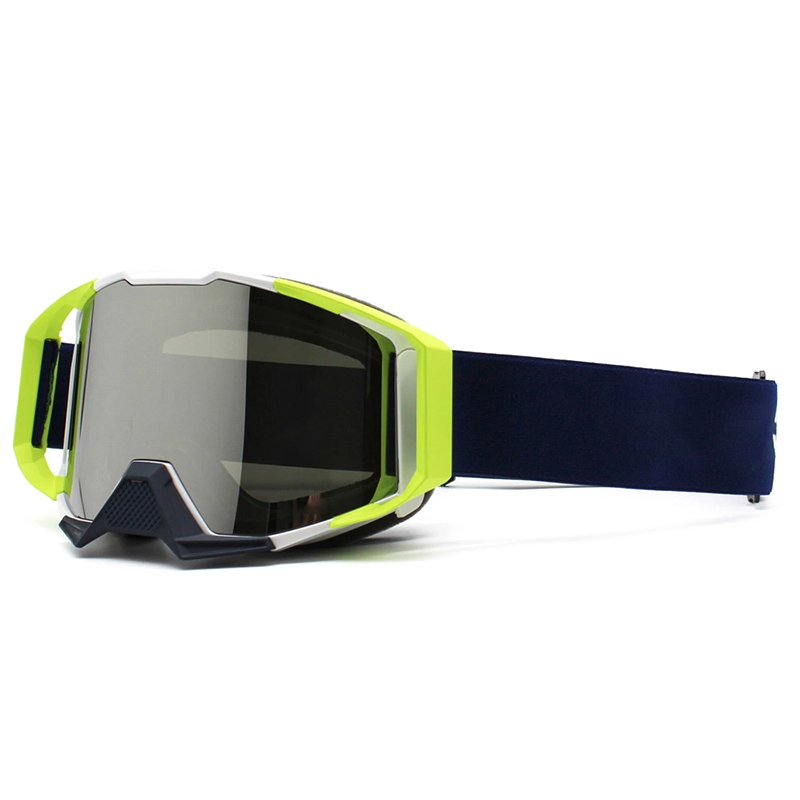
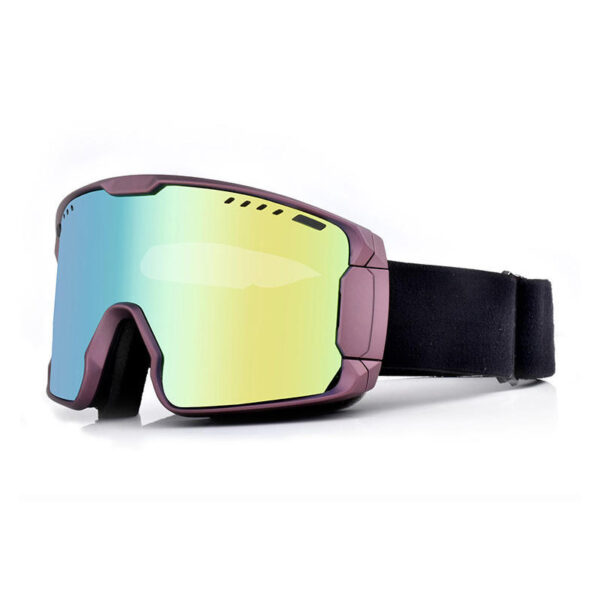
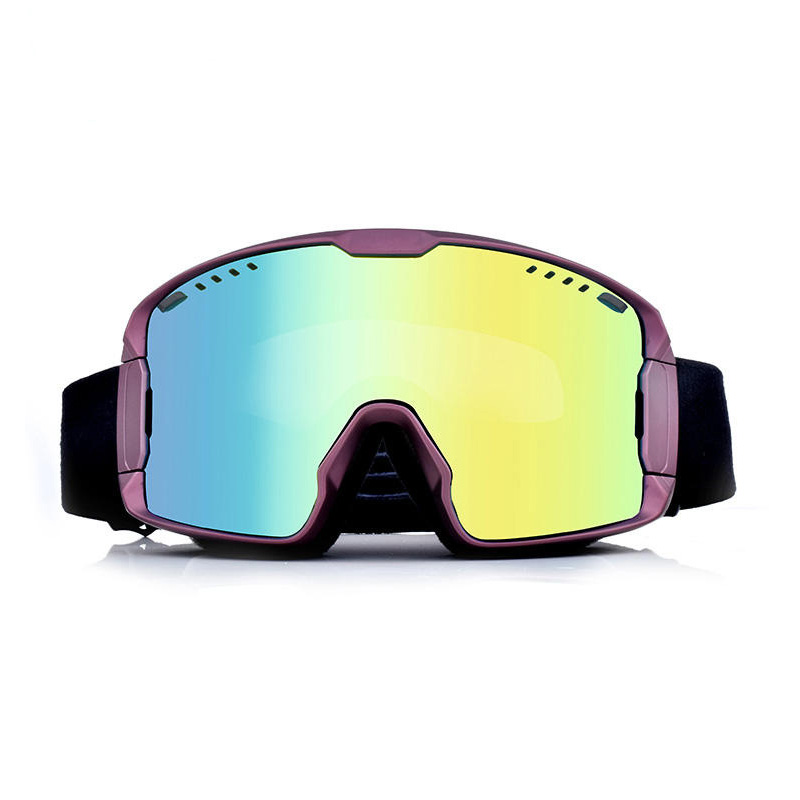
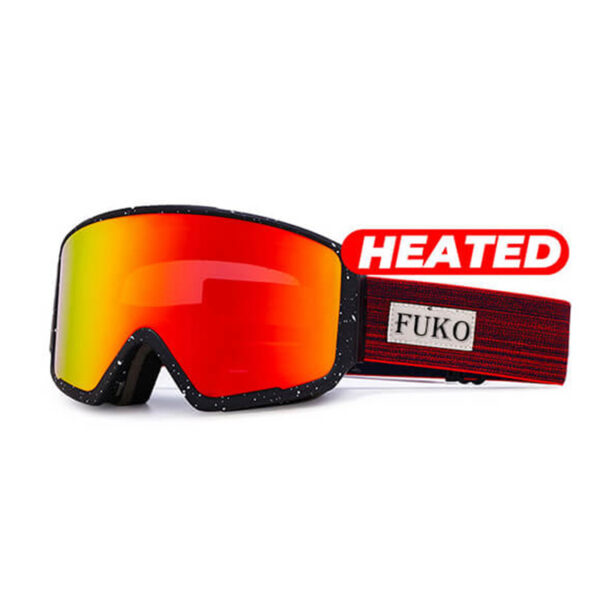
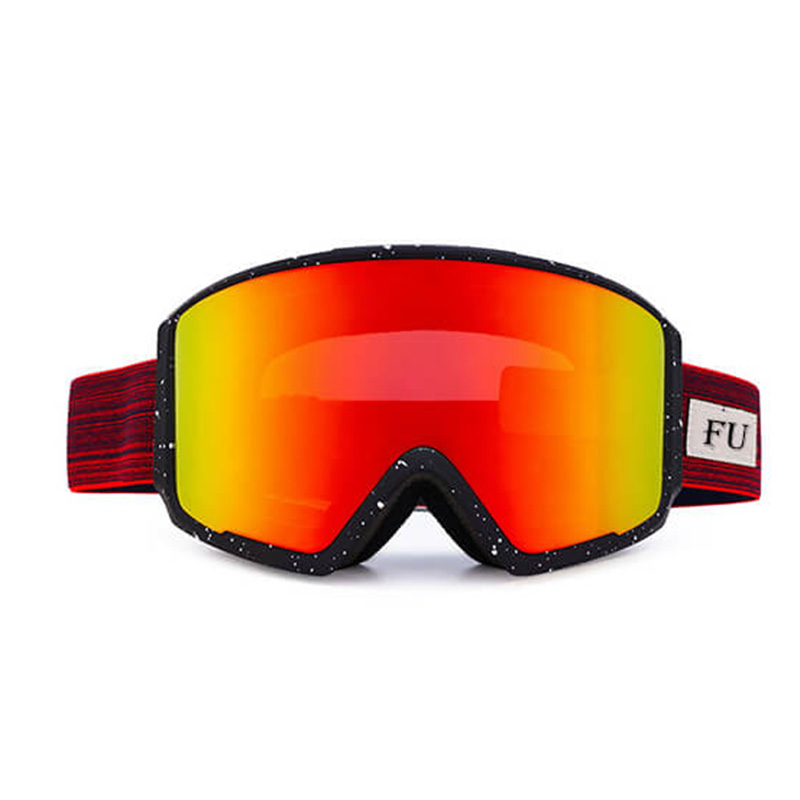
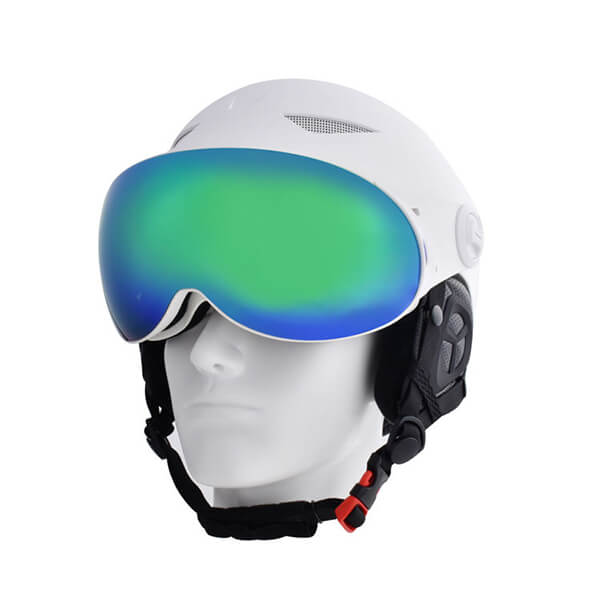
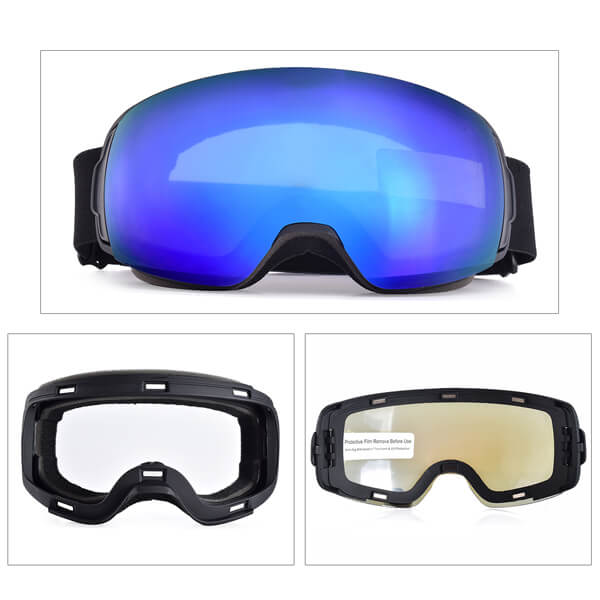
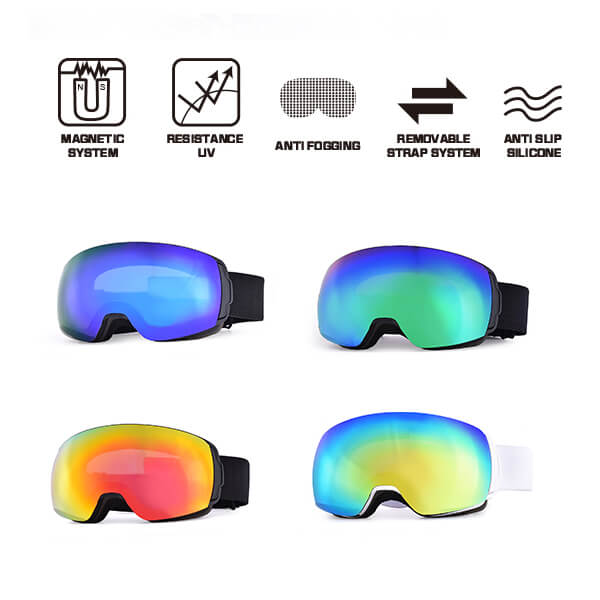
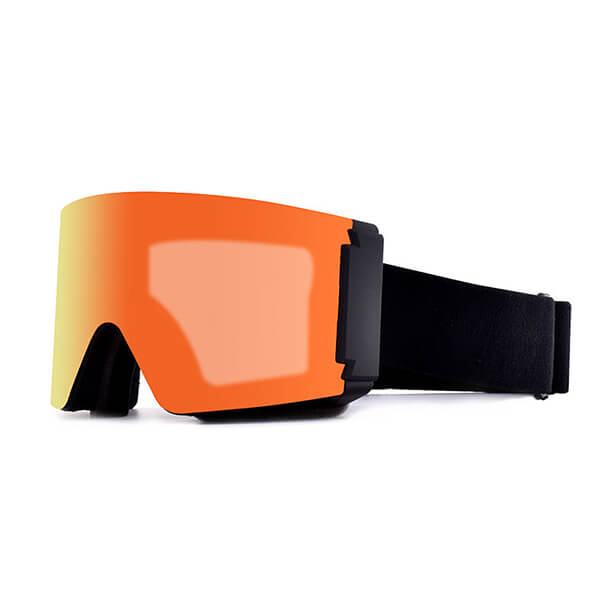
Perfectly sized skis are only half the equation—clear vision on the mountain is equally critical. FukoSports designs premium ski goggles and winter sports eyewear engineered for seamless helmet integration. Featuring dual-layer anti-fog lenses, magnetic quick-change systems, and UV400 protection, FukoSports delivers the visual precision your customers need to read every terrain change with confidence.
With 9+ years of manufacturing expertise, FukoSports offers custom branding, low MOQs, and factory-direct pricing—making it easy to build a competitive eyewear line. Partner with FukoSports to elevate your product offering today.
Part 6. FAQs about Ski Length Calculators
Q1: How long should your skis be for your height?
As a general rule, when standing a ski upright on its tail next to you, the tip should land somewhere between your chin and the top of your head. Beginners should aim for chin-height (shorter), while advanced skiers should aim for nose-to-forehead height or slightly taller depending on ski rocker.
Q2: How to calculate correct ski length?
To calculate correct ski length, start with your height in centimeters. Subtract 15 to 20 cm for a beginner setup, subtract 10 to 15 cm for an intermediate all-mountain setup, or subtract 0 to 10 cm (or add length) for an advanced, rockered freeride ski. Adjust further based on weight: add 2–3 cm if you are above average weight, or subtract 2–3 cm if you are below average weight.
Q3: How long should a 5’4″ person’s ski be?
A 5’4″ person stands 163 cm tall.
- Beginner: 145 cm – 152 cm (lands around chin height).
- Intermediate: 152 cm – 160 cm (lands between nose and forehead).
- Advanced: 160 cm – 168 cm (lands at top of head or slightly above for rockered skis).
Q4: How tall should my skis be if I’m 5’11?
What is the ideal ski length for a 5 9 man or a 5’11” skier? A 5’11” skier stands 180 cm tall (a 5’9″ man stands 175 cm tall).
- Beginner: 160 cm – 168 cm (lands around chin to lower lip).
- Intermediate: 168 cm – 176 cm (lands between nose and eyes).
- Advanced / Freeride: 176 cm – 184 cm (lands at forehead to above head height).
Q5: Why do ski length calculators give different results for men vs. women?
A specialized ski length calculator women module accounts for anatomical differences. Women typically have a lower center of mass and, on average, weigh less per inch of height than men. Consequently, women’s specific calculators often recommend slightly shorter lengths or softer flex profiles to allow effortless turn initiation without excessive physical exertion.
Q6: Can kids use adult ski length calculators?
No. Always use a dedicated kids’ ski length calculator tool. Children have vastly different strength-to-weight ratios than adults. A child’s skis should generally measure between their chest and chin height. Never “size up” a child’s skis significantly with the idea that they will “grow into them,” as oversized skis make learning difficult and increase the risk of injury.
Conclusion
Choosing the right ski length no longer has to be a guessing game. With the best free online ski length calculators of 2026—from Omni Calculator’s scientific precision to Powder7’s real-world inventory integration—you can confidently find a size that matches your ability level and skiing style.
Remember, calculators provide a baseline, not an absolute rule. Adjust for your weight, terrain preferences, and ski rocker or camber profile, and you’ll dial in the perfect setup. The right ski length makes every run smoother, more controlled, and more enjoyable—your knees and confidence will thank you.
Read More: