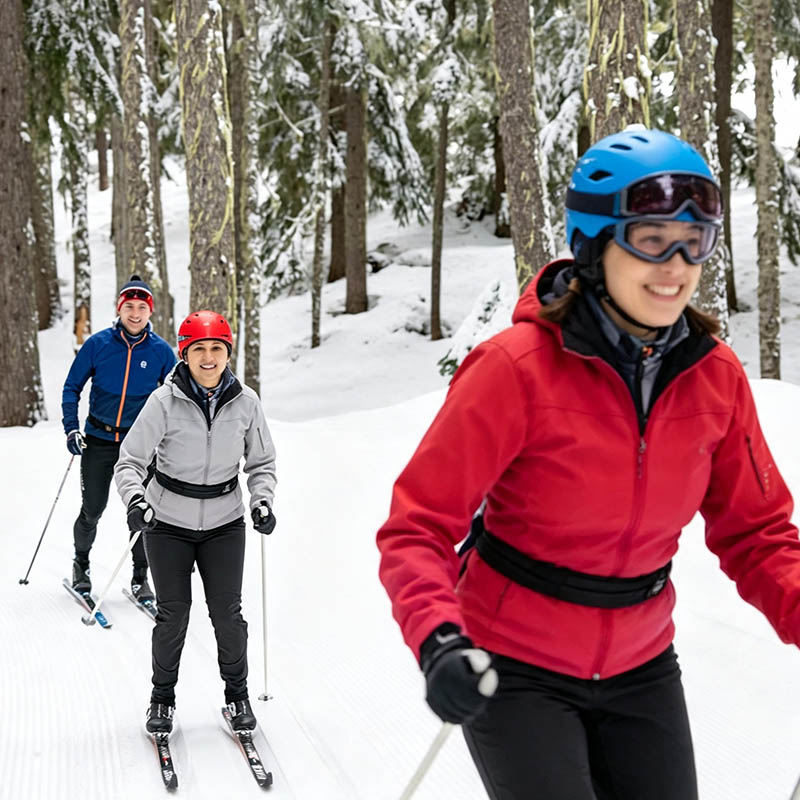
If you are looking for a winter sport that blends breathtaking snowy landscapes, an exceptional full-body workout, and a peaceful alternative to noisy lift lines, cross country skiing (often called nordic skiing) is the ultimate choice.
Unlike alpine skiing—where gravity does most of the heavy lifting to pull you down a mountain—cross country skiing empowers you to propel yourself across rolling hills, quiet winter forests, and freshly groomed tracks using your own rhythm and strength. It is an approachable, deeply satisfying sport that transforms winter into a season you actively look forward to.
Part 1. Cross Country Skiing vs Downhill: What’s the Real Difference?
Before diving into techniques and gear, it helps to understand how Nordic skiing differs from traditional downhill (alpine) skiing:
| Feature | Cross Country Skiing (Nordic) | Downhill Skiing (Alpine) |
| Boot & Binding | Only the toe of the boot is attached; heel lifts freely. | Both toe and heel are locked firmly into the binding. |
| Terrain | Flat trails, gentle rolling hills, and forest tracks. | Steep, groomed mountain slopes serviced by chairlifts. |
| Physical Effort | High aerobic/cardio activity (full-body endurance). | High anaerobic/quad leg strain (gravity-assisted descent). |
| Gear & Cost | Lighter, softer boots; lower trail pass fees ($15–$30/day). | Heavy, rigid plastic boots; expensive lift tickets ($100–$250+/day). |
| Injury Risk | Low impact; gentle on joints during low-speed falls. | Moderate-to-high impact (higher speeds and rotational torque). |
Key Takeaway: Cross country skiing is vastly more accessible, affordable, and beginner-friendly than downhill skiing, making it a favorite winter activity for families, endurance athletes, and outdoor enthusiasts.
Part 2. Choosing Your Style: Classic vs. Skate Skiing
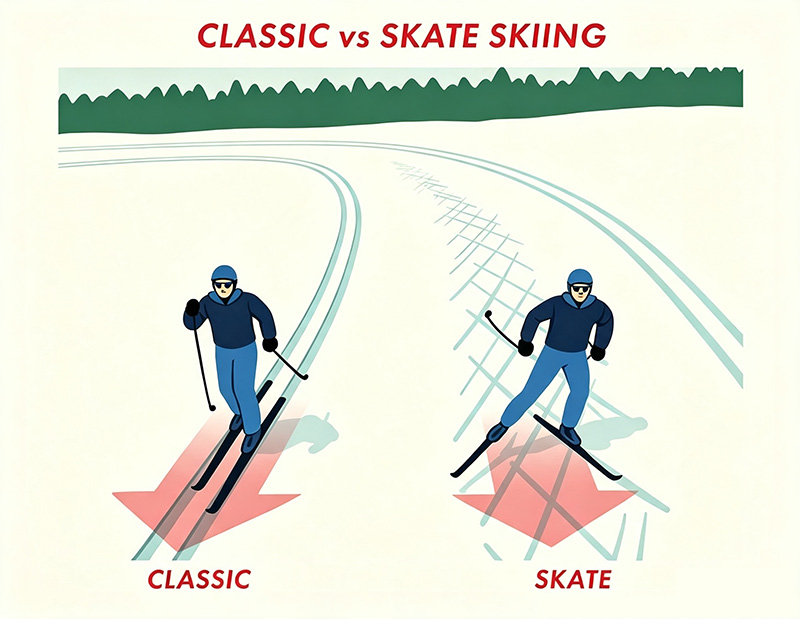
When you visit a groomed Nordic center, you will see two parallel tracks set into the snow on one side, and a wide, smooth lane beside them. These represent the two primary disciplines of Nordic skiing:
- Classic Cross-Country Skiing: This is the traditional method and by far the best cross-country skiing style for beginners. You move straight forward within pre-cut parallel tracks using a motion that mirrors natural walking or running.
- Skate Skiing: Skiers propel themselves on flat, packed snow using a diagonal V-shaped push-off, similar to ice skating or rollerblading. It requires significantly more core stability, lateral balance, and initial cardiovascular strength.
Beginner Rule of Thumb: Always start with Classic Cross-Country Skiing. Mastering basic weight transfer and balance on classic skis builds the exact muscle memory needed if you decide to try skate skiing later.
Part 3. Mastering Classic Cross Country Skiing Technique
The magic of classic skiing lies in the feeling of effortlessness when your form comes together. Rather than shuffling or “walking” on top of the snow, the goal is to drive forward into a smooth, rhythmic glide.
1. The Weight Transfer & Kick
The heart of classic technique is the diagonal stride. As you slide your left foot forward, your right arm swings forward with your pole, mirroring a natural walking gait. The key secret that most beginners miss is total weight transfer. To move forward efficiently, you must commit 100% of your body weight onto your lead foot. This weight presses the middle section of your ski (the “kick zone”) firmly into the snow, engaging the grip pattern beneath your foot so you can push off into a rewarding glide on the other ski.
2. Pole Rhythm and Upper Body Power
Poling should complement your stride, not drag you along. Plant your poles angled slightly backward at roughly 45 degrees, near the toes of your boots. Rather than bending your elbows and relying purely on arm strength, engage your core and triceps to push backward smoothly through each stroke.
3. Controlling Speed on Hills (The Wedge)
downhill speed control is simple once you master the snowplow (or wedge). When approaching a gentle descent, step out of the parallel tracks, angle the tips of your skis together into an inverted “V” shape, and push your heels outward. Pressing inward on the inside edges of your skis creates predictable friction, allowing you to control your descent with ease.
Part 4. Essential Beginner Gear, How to Dress & Taking Lessons
Getting outfitted for Nordic skiing is straightforward. Beginners do not need high-end racing equipment to have a fantastic day on the snow.
- Waxless Classic Skis: Look for touring skis equipped with a “fishscale” or skin pattern underfoot. These provide built-in mechanical traction on snow without requiring you to learn the complex art of temperature-specific kick wax.
- Comfortable Touring Boots: Choose flexible, warm boots that fit snugly around the heel without pinching your toes.
- Sizing Your Poles: Stand upright in regular shoes; a proper classic pole should reach comfortably up to your armpits.
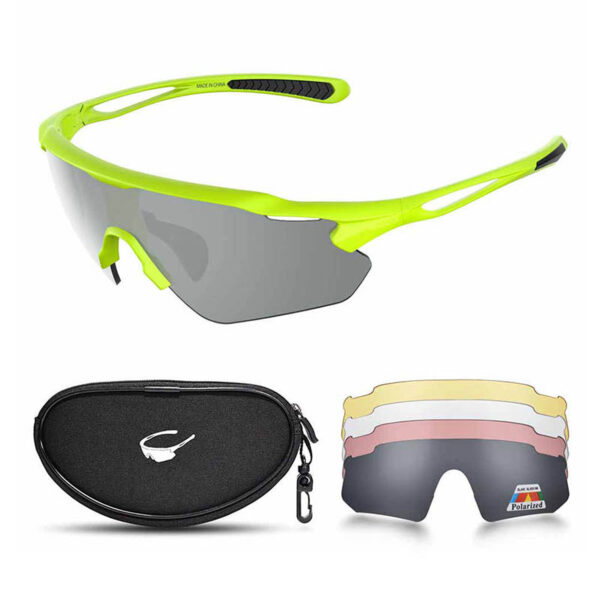
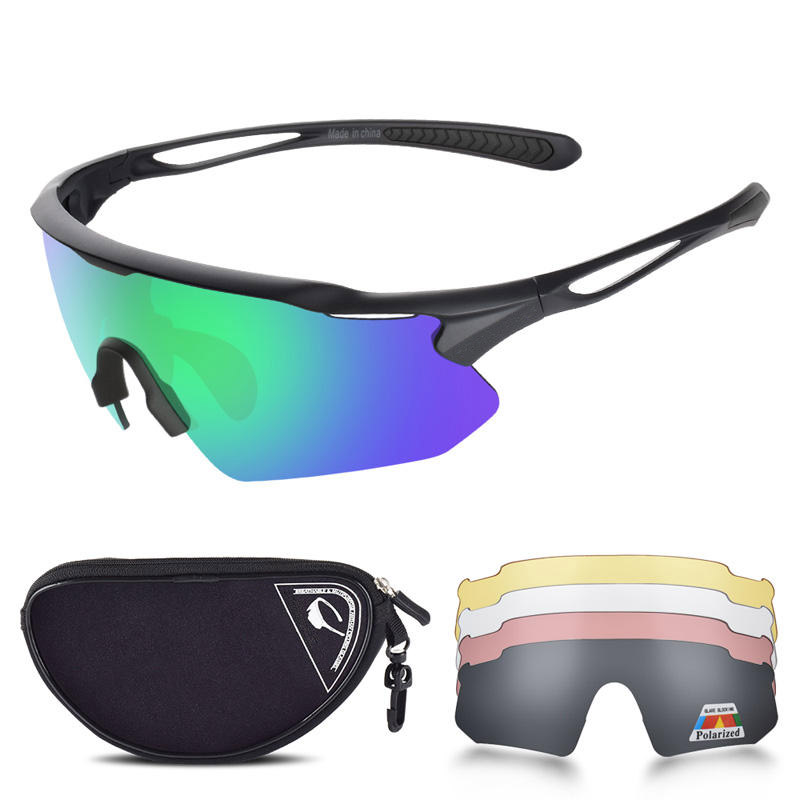
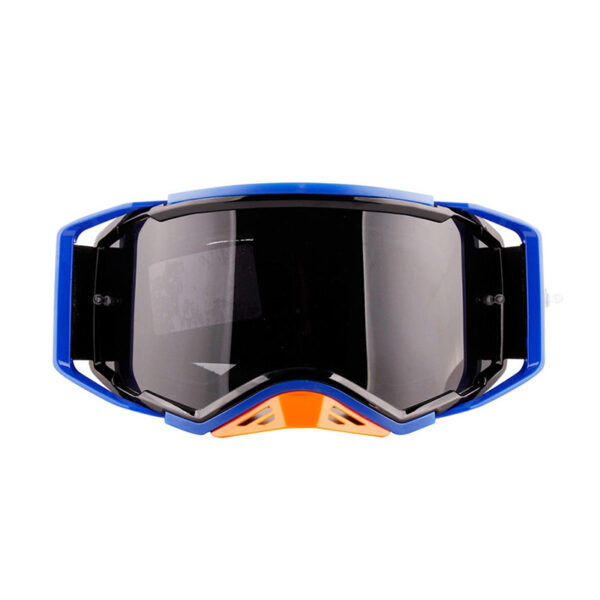
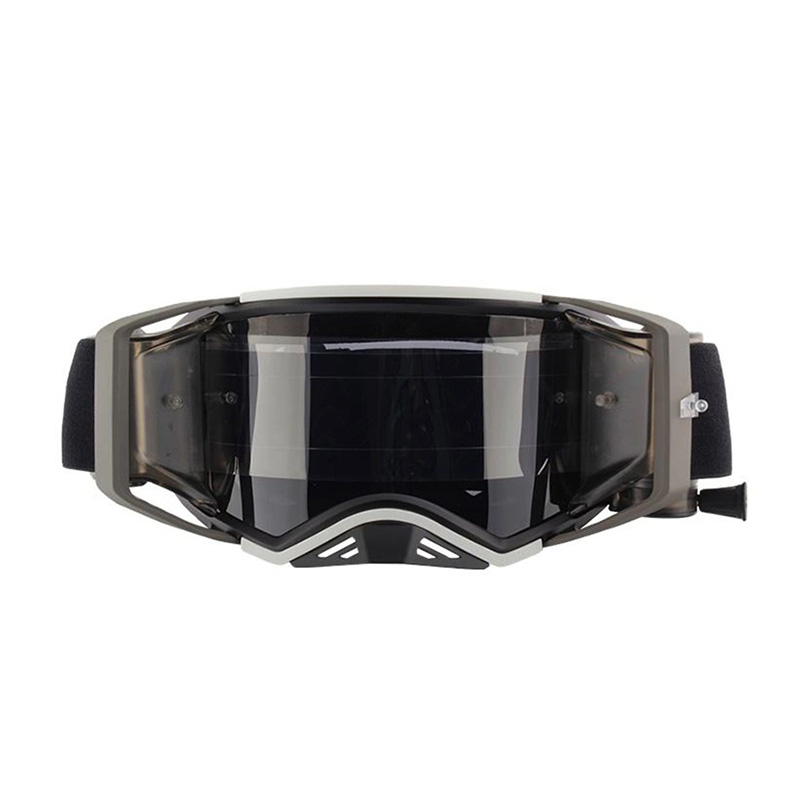
- Smart Layering (Avoid Heavy Ski Jackets!): Because cross country skiing is an active aerobic exercise, you will warm up rapidly. Dress like a winter runner rather than an alpine skier. Wear a moisture-wicking synthetic or merino wool base layer, a breathable mid-layer (like a grid fleece), and a lightweight, wind-resistant outer shell. Top it off with thin gloves, a light beanie, and UV-blocking sunglasses.
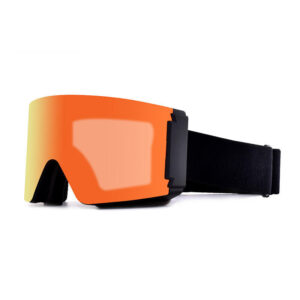
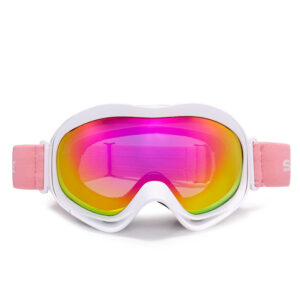
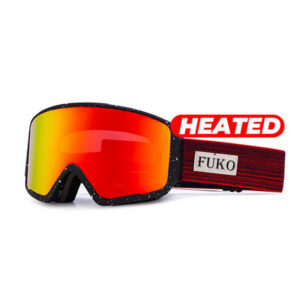
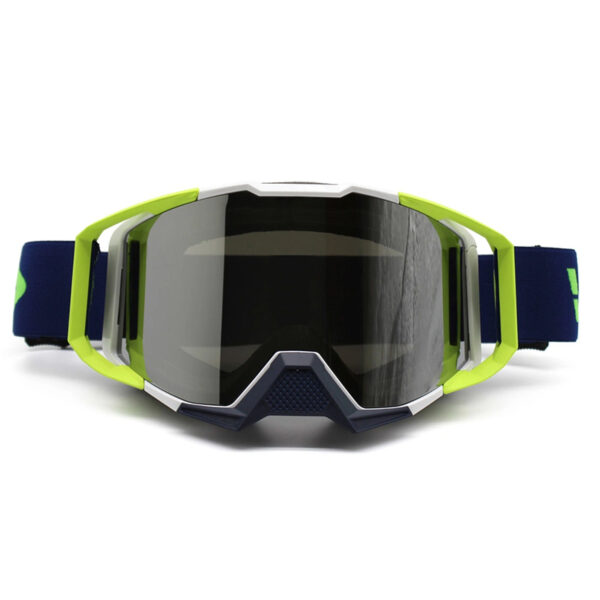
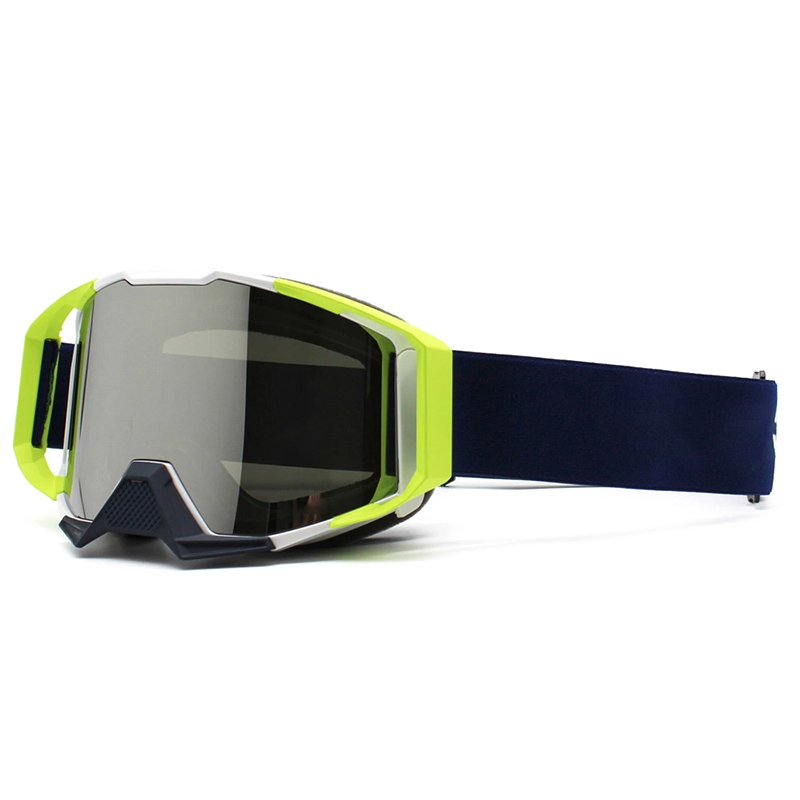
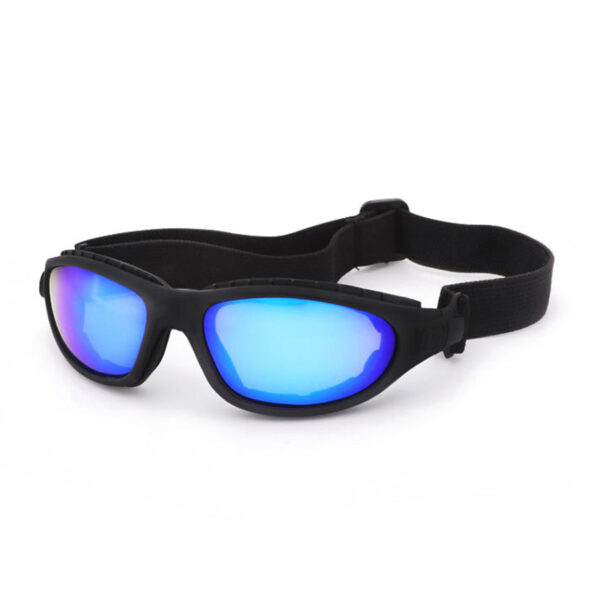
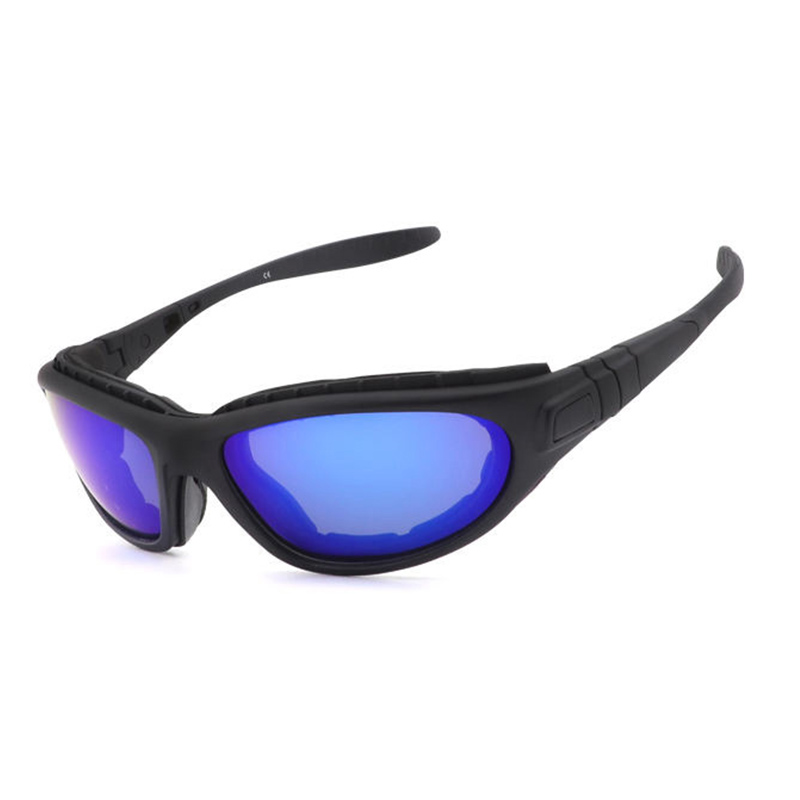
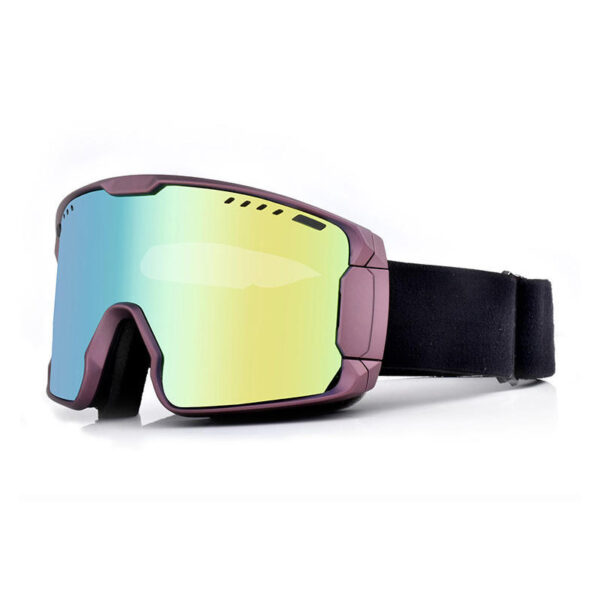
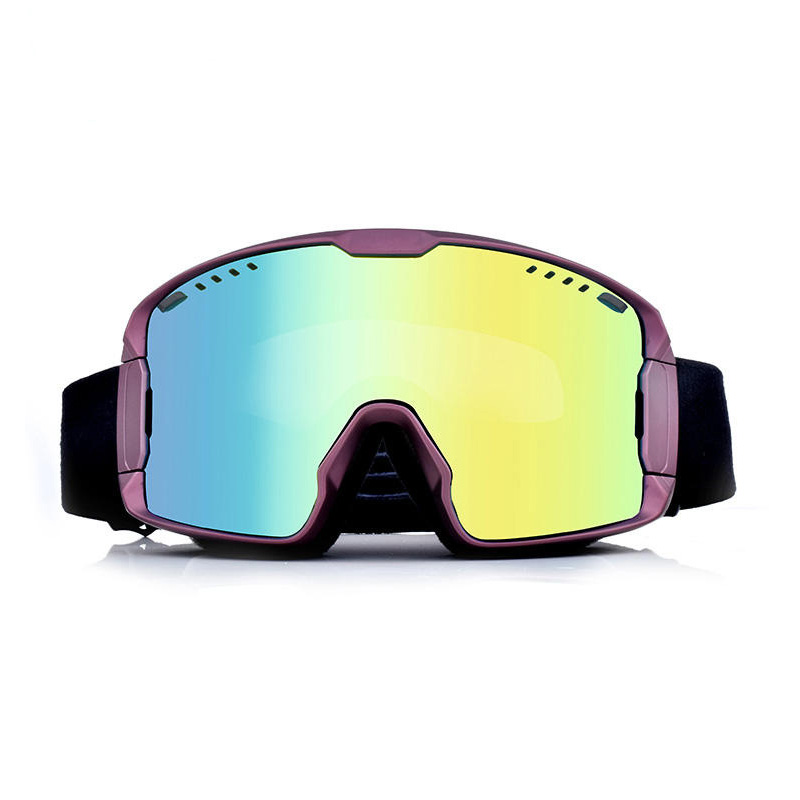
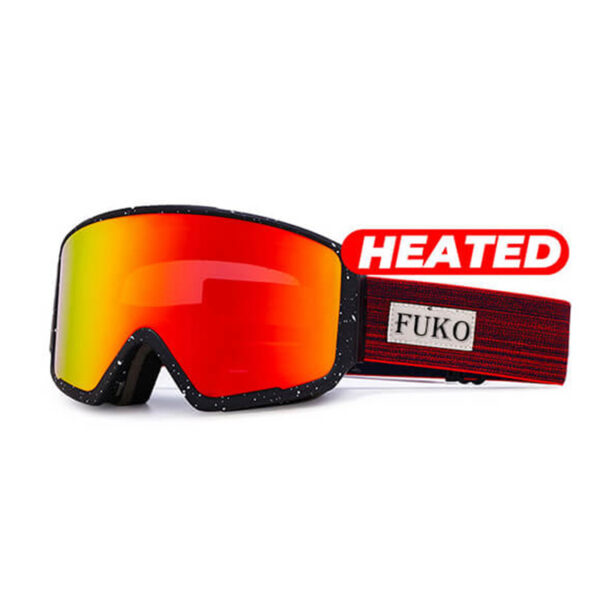
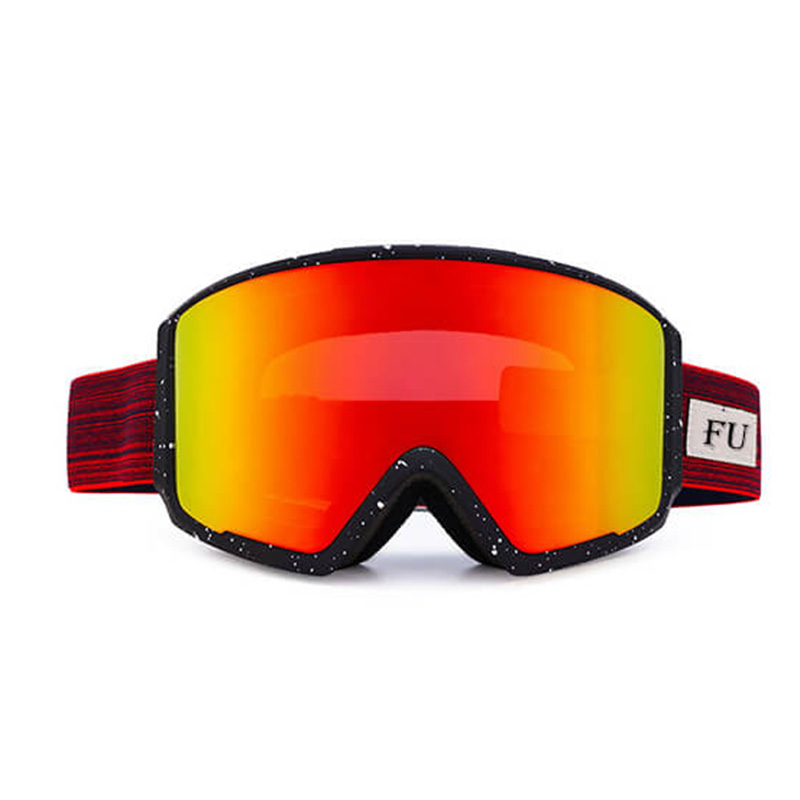
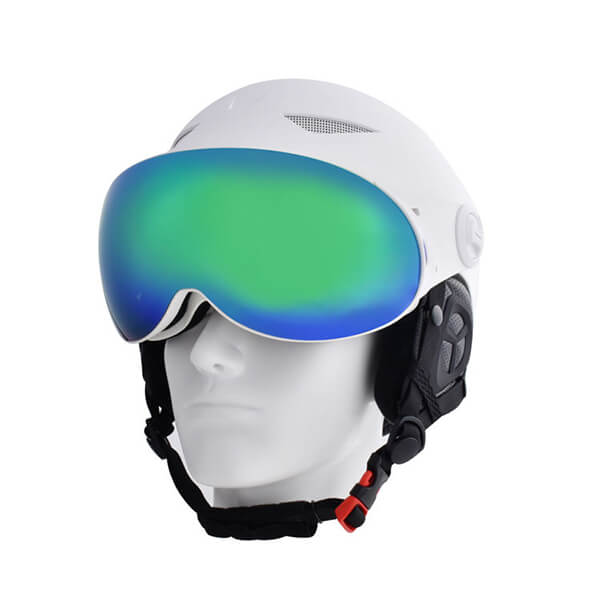
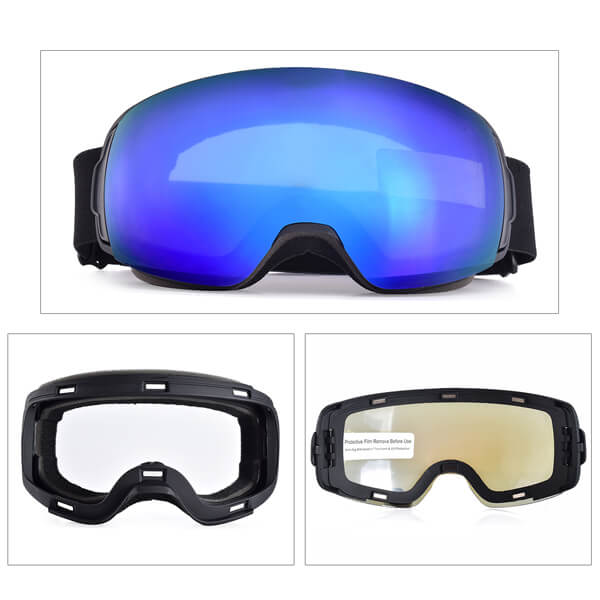
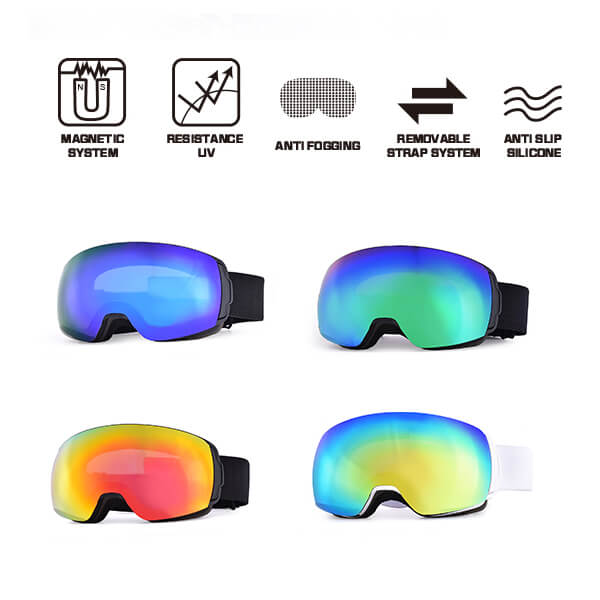
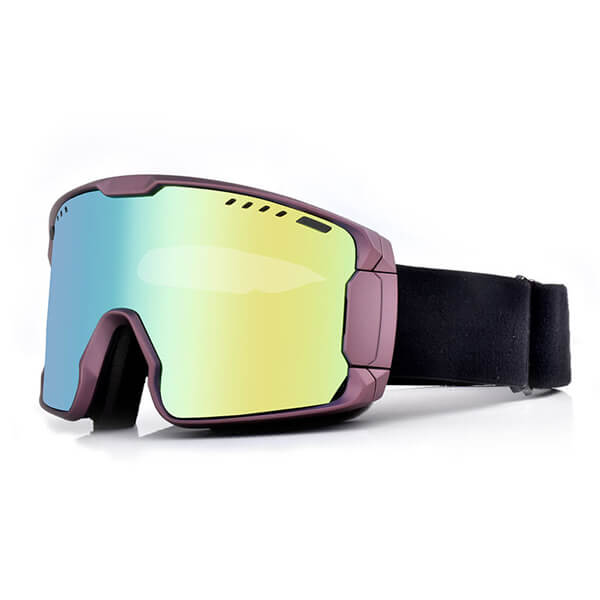
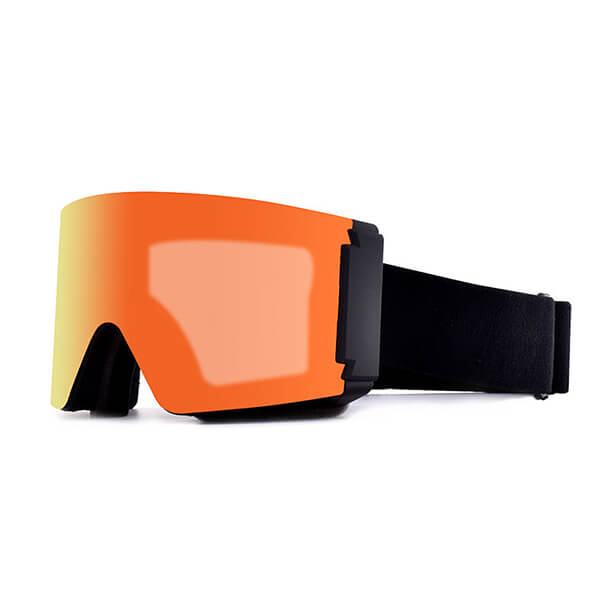
Pro Tip: Once you’ve got your layering system figured out, complete your setup with reliable eye protection. Whether you need prescription-compatible goggles or high-performance sunglasses with anti-fog and UV protection, FukoSports offers durable, affordable options designed for active winter enthusiasts. Clear vision makes every glide safer and more enjoyable – don’t leave the trail without it.
Finding “Cross Country Skiing Near Me” & Taking Lessons
While you can technically strap on skis and shuffle around a snowy park, booking an introductory lesson at a dedicated Nordic center will accelerate your progress and prevent bad habits.
When searching for cross country skiing lessons near you, look for local Nordic clubs, state park winter programs, or commercial cross country ski resorts certified by organizations like the Professional Ski Instructors of America (PSIA) or regional Nordic associations. Most centers offer convenient “First-Timer Packages” that combine rental gear, a trail pass, and a 60-to-90-minute group lesson. An instructor will teach you how to fall safely, how to get back up on flat snow, and how to glide efficiently right from your very first hour.
Part 5. Planning Cross Country Skiing Holidays for Beginners
Once you fall in love with the sport, planning a winter getaway centered around Nordic skiing is one of the most relaxing vacations you can take. Unlike high-energy alpine ski towns, Nordic destinations are famous for cozy timber lodges, quiet trails, and slow-paced winter charm.
North America
- Methow Valley (Washington, USA): Boasting over 120 miles of interconnected, perfectly groomed trails, this valley is a Nordic paradise with endless gentle terrain and lodge-to-lodge skiing.
- SilverStar Mountain Resort (BC, Canada): Known for reliable powder and expansive beginner-friendly loops that offer majestic mountain views without daunting drops.
- Trapp Family Lodge (Vermont, USA): The historic home of American Nordic skiing, offering European-style hospitality and miles of peaceful forest trails.
Europe
- Seefeld in Tirol (Austria): A sun-drenched plateau offering miles of wide, flat, valley-floor trails tailored specifically for recreational and beginner skiers.
- Lillehammer & Sjusjøen (Norway): The undisputed heartland of Scandinavian skiing, where gentle trails wind endlessly through quiet, snow-draped pine forests.
Part 6. Pro Tips for Beginner Cross-Country Skiers
- Glide, Don’t Walk: Avoid shuffling on top of your skis like you’re snowshoeing. Commit 100% of your body weight onto your lead foot to trigger a true, effortless glide.
- Bend Your Knees (“Nose Over Toes”): Resist the urge to stand up stiffly when unstable. Keep a soft flex in your ankles, knees, and hips—a low center of gravity provides instant balance.
- Master the “Sideways Fall”: Falling is normal. If you lose balance, sit down sideways into the soft snow toward your hip or bottom rather than throwing your hands out or falling backward.
- Practice Without Poles First: If coordinating arms and legs feels overwhelming, drop your poles for the first 15 minutes to focus purely on your leg rhythm and weight transfer.
- Look 15 Feet Down the Trail: Avoid staring at your ski tips. Looking ahead naturally improves your posture, balance, and body alignment while helping you anticipate terrain.
- Trust Your Edges on Descents: On downhills, push your heels outward into a snowplow wedge and press into your inside edges. Leaning forward into the slope gives you total speed control.
Frequently Asked Questions
Q1: Is cross-country skiing good for beginners?
Yes. Classic cross-country skiing uses a natural walking motion, making it low-impact, safe, and easy to learn. You stay in control of your speed on flat terrain, making it an ideal entry point for winter sports.
Q2: Is cross-country skiing hard?
It depends on the style:
- Classic Skiing: Easy. Most beginners learn to glide on pre-cut tracks within 30 minutes.
- Skate Skiing: Moderate to hard. It uses an ice-skating motion that demands significantly more balance, core strength, and cardio endurance.
Q3: How hard is cross-country skiing for a beginner?
The basics are simple, but first-timers usually work through three learning curves:
- Balance: Adapting to lightweight, narrow skis with unlocked heels.
- Weight Transfer: Committing your full body weight onto one ski to trigger a smooth glide.
- Cardio: Pushing yourself forward requires more physical energy than taking a downhill chairlift.
Q4: Can I teach myself to cross-country ski?
Yes. Many people teach themselves the basic “shuffle and glide” on flat tracks. However, taking a single 60-minute lesson is worth it—an instructor will quickly show you how to fall safely, get back up easily, and control your speed on downhills using the snowplow.
Q5: At what age do cross-country skiers peak?
Elite Olympic competitors peak between 26 and 32 years old, as top-level racing requires years to build maximum aerobic capacity ($VO_2$ max) and upper-body endurance.
For recreational skiers: It is a lifelong, low-impact sport with no age limit—people routinely ski well into their 60s, 70s, and beyond.
Conclusion
Cross-country skiing is one of the most accessible and rewarding winter sports you can try. The classic technique mimics a natural walking motion, the terrain is forgiving, and the equipment is lightweight and beginner-friendly. Start small—find a groomed trail near you, rent some gear, and focus on the simple joy of gliding through a winter landscape. The shuffle-and-glide rhythm will click faster than you expect.
Remember, every Olympic champion started exactly where you are now. The 50km marathon racers built their endurance step by step, glide by glide. Your journey begins the same way.
Read More: